Debashis Mitra – författare
Visar alla böcker från författaren Debashis Mitra. Handla med fri frakt och snabb leverans.
6 produkter
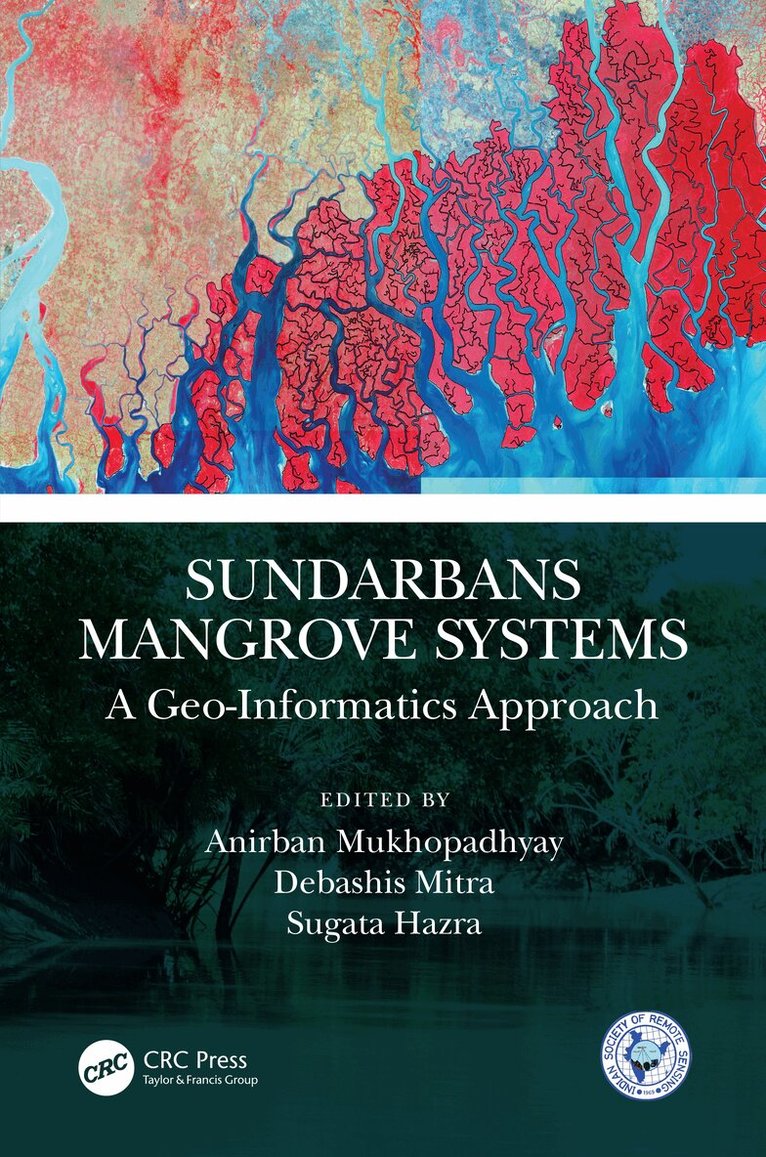
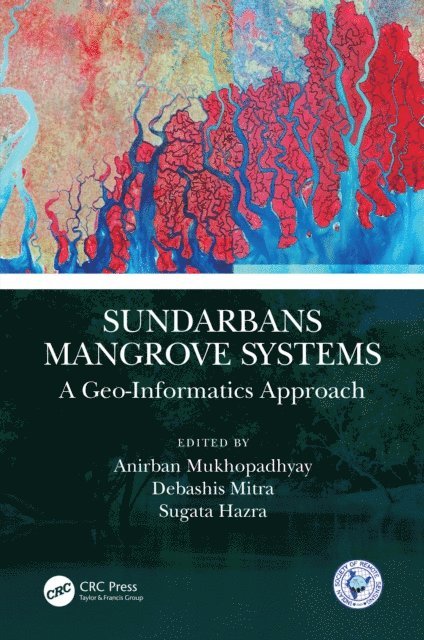
Sundarbans Mangrove Systems
A Geo-Informatics Approach
Av Anirban Mukhopadhyay, Debashis Mitra m. fl.
Inbunden, 2021
2746 kr
Lägg i varukorg
Sundarbans, a UNESCO heritage site, is the world’s largest single chunk of mangroves distributed on the Indian and Bangladesh coasts. The mangroves and associated ecosystems are one of the most fertile ecosystems of the earth. Sundarbans Mangrove Systems: A Geo-Informatics Approach portrays …
Sundarbans Mangrove Systems
A Geo-Informatics Approach
Av Anirban Mukhopadhyay, Debashis Mitra m. fl.
Häftad, 2023
1027 kr
Lägg i varukorg
Sundarbans, a UNESCO heritage site, is the world’s largest single chunk of mangroves distributed on the Indian and Bangladesh coasts. The mangroves and associated ecosystems are one of the most fertile ecosystems of the earth. Sundarbans Mangrove Systems: A Geo-Informatics Approach portrays …
Harnessing Earth Observation for Coastal Engineering
Av Debashis Mitra, Michal Habel m. fl.
Häftad, 2026
1804 kr
Lägg i varukorg
Harnessing Earth Observation for Coastal Engineering addresses the intersection of cutting-edge geoinformatics technologies and coastal engineering to tackle challenges in coastal processes and natural hazards. By offering robust methodologies and algorithms, the book equips students, researchers, …
Harnessing Earth Observation for Coastal Engineering
Av Indrajit Pal, Anirban Mukhopadhyay m. fl.
E-bok, 2026
2282 kr
Lägg i varukorg
Harnessing Earth Observation for Coastal Engineering addresses the intersection of cutting-edge geoinformatics technologies and coastal engineering to tackle challenges in coastal processes and natural hazards. By offering robust methodologies and algorithms, the book equips students, researchers, …
Sundarbans Mangrove Systems
A Geo-Informatics Approach
Av Sugata Hazra, Debashis Mitra m. fl.
E-bok, 2021
1212 kr
Lägg i varukorg
Sundarbans, a UNESCO heritage site, is the world’s largest single chunk of mangroves distributed on the Indian and Bangladesh coasts. The mangroves and associated ecosystems are one of the most fertile ecosystems of the earth. Sundarbans Mangrove Systems: A Geo-Informatics Approach portrays …
Sundarbans Mangrove Systems
A Geo-Informatics Approach
Av Sugata Hazra, Debashis Mitra m. fl.
E-bok, 2021
1212 kr
Lägg i varukorg
Sundarbans, a UNESCO heritage site, is the world’s largest single chunk of mangroves distributed on the Indian and Bangladesh coasts. The mangroves and associated ecosystems are one of the most fertile ecosystems of the earth. Sundarbans Mangrove Systems: A Geo-Informatics Approach portrays …