Debasree De - Böcker
Visar alla böcker från författaren Debasree De. Handla med fri frakt och snabb leverans.
6 produkter
6 produkter
2 176 kr
Skickas inom 10-15 vardagar
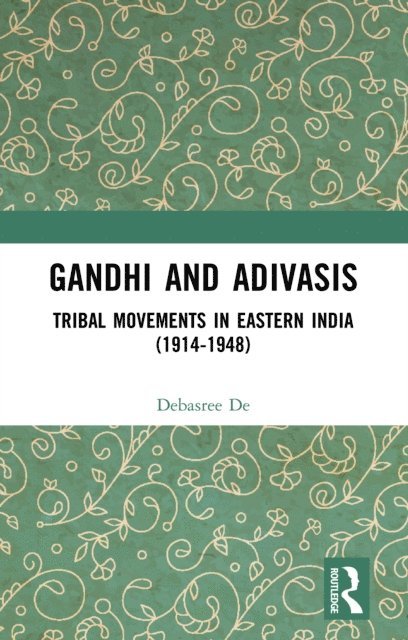
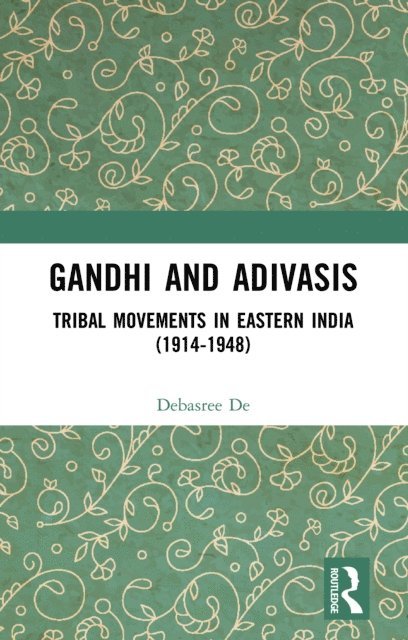
Adivasi movements played a very important, if not determining, role in the India’s freedom struggle. Gandhi’s idea of mass mobilization couldn’t have been successful without the active participation of all sections of the Indian society. Adivasi movements were swelled by Gandhian ideology only during the Non-Cooperation movement. Though Gandhi’s interest in the tribal problems crystallized at a later stage of his life, his influence on tribal movements was revealing. His association with Thakkar Bapa and Verrier Elwin also enriched his knowledge about tribal state of affairs. Adivasis started looking at Gandhi as saviour or a saint, who could deliver them justice and peace. But, Gandhi always supported Adivasi movements in order to give a mass character to his movements. There were some particular demands of the Adivasis that were not supported by Gandhi. Their armed struggle was also against his non-violent principles. During the latter half of the twentieth century, movements like Tana Bhagat and Hari Baba were purely influenced by the Gandhian ideology, but failed to achieve their goals. Later on, the Jharkhand movement adopted the character of a non-violent struggle; here also the fruits disappeared. The present work focuses on the first three movements of the Chota Nagpur Plateau of eastern India during Gandhi’s lifetime and the current movements against forceful displacement by POSCO, Vedanta and others, in order to comprehend his ideological impact on Adivasi movements of today. The book has critically analysed and evaluated Gandhi’s impact on the Adivasi situation in colonial and post-colonial India.Please note: Taylor & Francis does not sell or distribute print edition in India, Pakistan, Nepal, Bhutan, Bangladesh and Sri Lanka.
581 kr
Skickas inom 10-15 vardagar
Adivasi movements played a very important, if not determining, role in the India’s freedom struggle. Gandhi’s idea of mass mobilization couldn’t have been successful without the active participation of all sections of the Indian society. Adivasi movements were swelled by Gandhian ideology only during the Non-Cooperation movement. Though Gandhi’s interest in the tribal problems crystallized at a later stage of his life, his influence on tribal movements was revealing. His association with Thakkar Bapa and Verrier Elwin also enriched his knowledge about tribal state of affairs. Adivasis started looking at Gandhi as saviour or a saint, who could deliver them justice and peace. But, Gandhi always supported Adivasi movements in order to give a mass character to his movements. There were some particular demands of the Adivasis that were not supported by Gandhi. Their armed struggle was also against his non-violent principles. During the latter half of the twentieth century, movements like Tana Bhagat and Hari Baba were purely influenced by the Gandhian ideology, but failed to achieve their goals. Later on, the Jharkhand movement adopted the character of a non-violent struggle; here also the fruits disappeared. The present work focuses on the first three movements of the Chota Nagpur Plateau of eastern India during Gandhi’s lifetime and the current movements against forceful displacement by POSCO, Vedanta and others, in order to comprehend his ideological impact on Adivasi movements of today. The book has critically analysed and evaluated Gandhi’s impact on the Adivasi situation in colonial and post-colonial India.Please note: Taylor & Francis does not sell or distribute print edition in India, Pakistan, Nepal, Bhutan, Bangladesh and Sri Lanka.
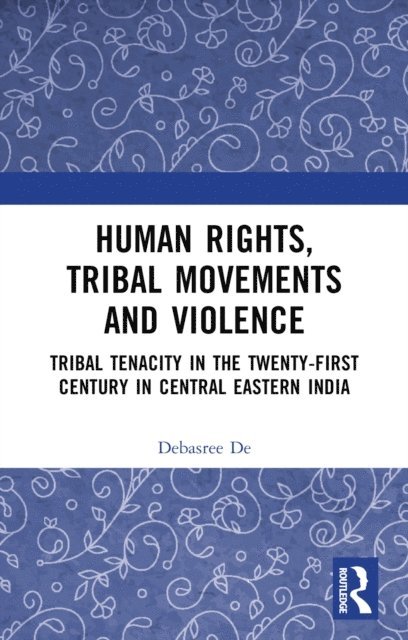
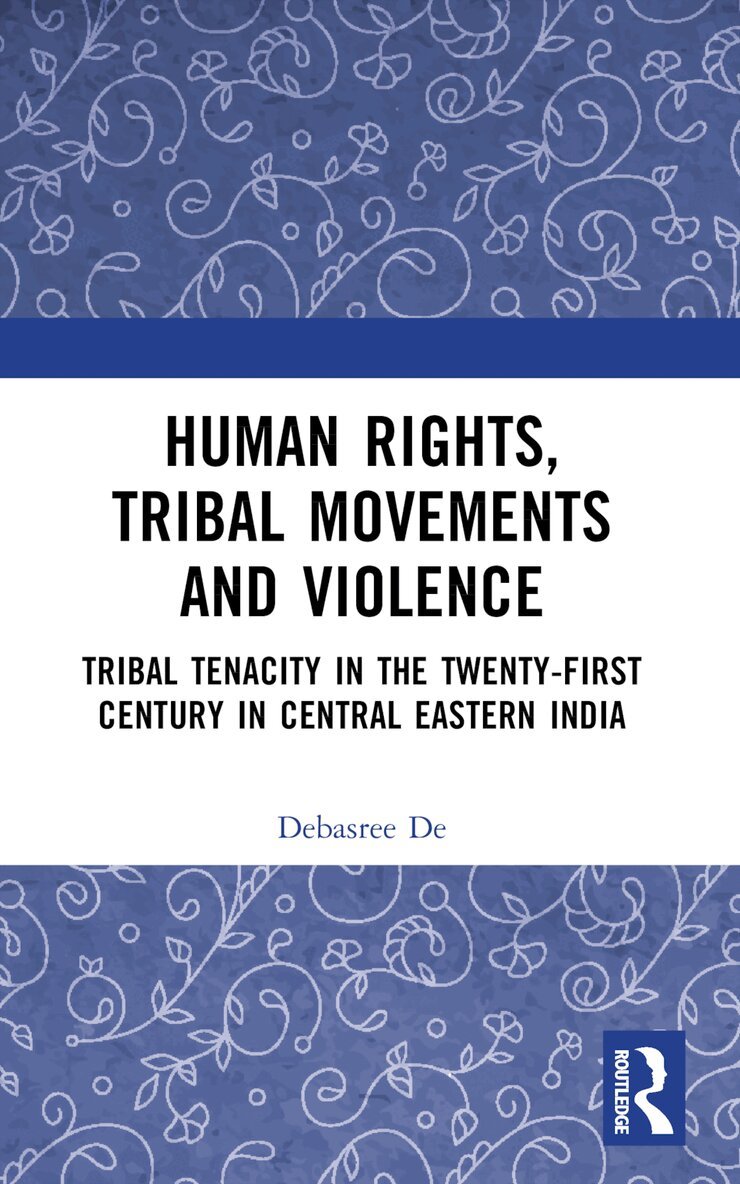
Human Rights, Tribal Movements and Violence
Tribal Tenacity in the Twenty-first Century in Central Eastern India
Inbunden, Engelska, 2023
2 113 kr
Skickas inom 10-15 vardagar
This book sheds light on the issues of structural violence perpetrated against the tribes and analyzes the infringement of human rights of the tribes in the neo-liberal hegemonic context, due to which the tribes are going through massive upheaval – induced displacement and dispossession from livelihood. They are unable to advance their existentialist interests and fulfil their aspirations, because of which they are taking recourse to extremism and get caught into the battle of state sponsored militia and forces on the one hand, and the extremists on the other. The mechanism of structural violence is embedded in the global capitalism, which has its roots in colonialism and imperialism. Tribal movements of the central-eastern India, inspired by human rights exigencies, are up against this imperial project that violates the trajectories of state-led development initiatives for the reason that these movements have been brutally suppressed by the military forces. This has given a political impetus to the tribes for self-assertion. Similarly, tribal activism in the central-eastern India during the twenty-first century addresses the issue of violence in nature and the infringement of human rights in the context of development-induced displacement and the spread of extremism. The book is based on the collection of data from the field investigations done during the last seven years, and it will definitely fill the vacuum in the history of tribal movements in the neo-liberal era.
Human Rights, Tribal Movements and Violence
Tribal Tenacity in the Twenty-first Century in Central Eastern India
Häftad, Engelska, 2024
578 kr
Skickas inom 10-15 vardagar
This book sheds light on the issues of structural violence perpetrated against the tribes and analyzes the infringement of human rights of the tribes in the neo-liberal hegemonic context, due to which the tribes are going through massive upheaval – induced displacement and dispossession from livelihood. They are unable to advance their existentialist interests and fulfil their aspirations, because of which they are taking recourse to extremism and get caught into the battle of state sponsored militia and forces on the one hand, and the extremists on the other. The mechanism of structural violence is embedded in the global capitalism, which has its roots in colonialism and imperialism. Tribal movements of the central-eastern India, inspired by human rights exigencies, are up against this imperial project that violates the trajectories of state-led development initiatives for the reason that these movements have been brutally suppressed by the military forces. This has given a political impetus to the tribes for self-assertion. Similarly, tribal activism in the central-eastern India during the twenty-first century addresses the issue of violence in nature and the infringement of human rights in the context of development-induced displacement and the spread of extremism. The book is based on the collection of data from the field investigations done during the last seven years, and it will definitely fill the vacuum in the history of tribal movements in the neo-liberal era.
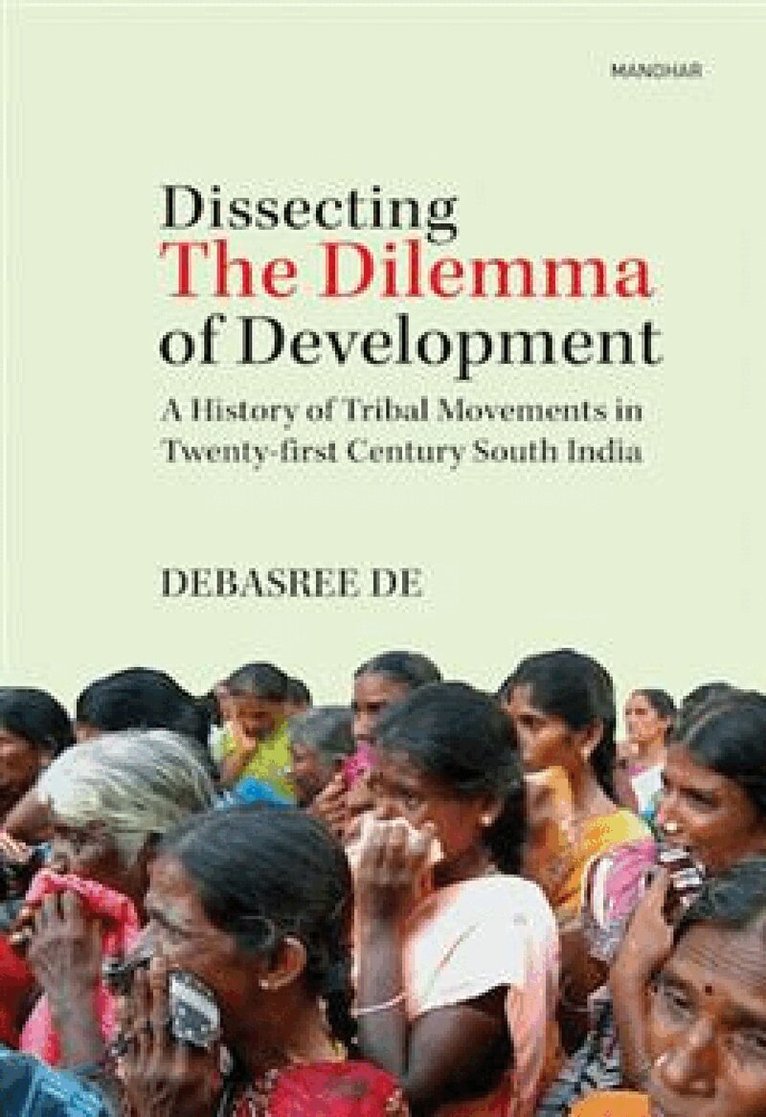
Dissecting the Dilemma of Development of Development
A History of Tribal Movements in Twenty-First Century South India
Inbunden, Engelska, 2024
732 kr
Skickas inom 7-10 vardagar
For decades, the history of tribal movements in south India has remained an under-researched and unexplored field of investigation. The states that have been covered in the present book are not even considered having a substantial amount of tribal population and are thereby excluded from the Fifth Schedule Area provisions under the Indian Constitution. The growing discontent among the tribes of south India and their incessant protests have been studied and documented in the present book. Andhra Pradesh, Karnataka, Kerala, and Tamil Nadu – these four states have been dealing with unabated tribal unrest since Independence. The problems, injustices and deprivations caused by industrialization, mining, dam building and other so-called ‘development’ projects have been analyzed with myriad examples from different tribal communities according to their sufferings and demands.
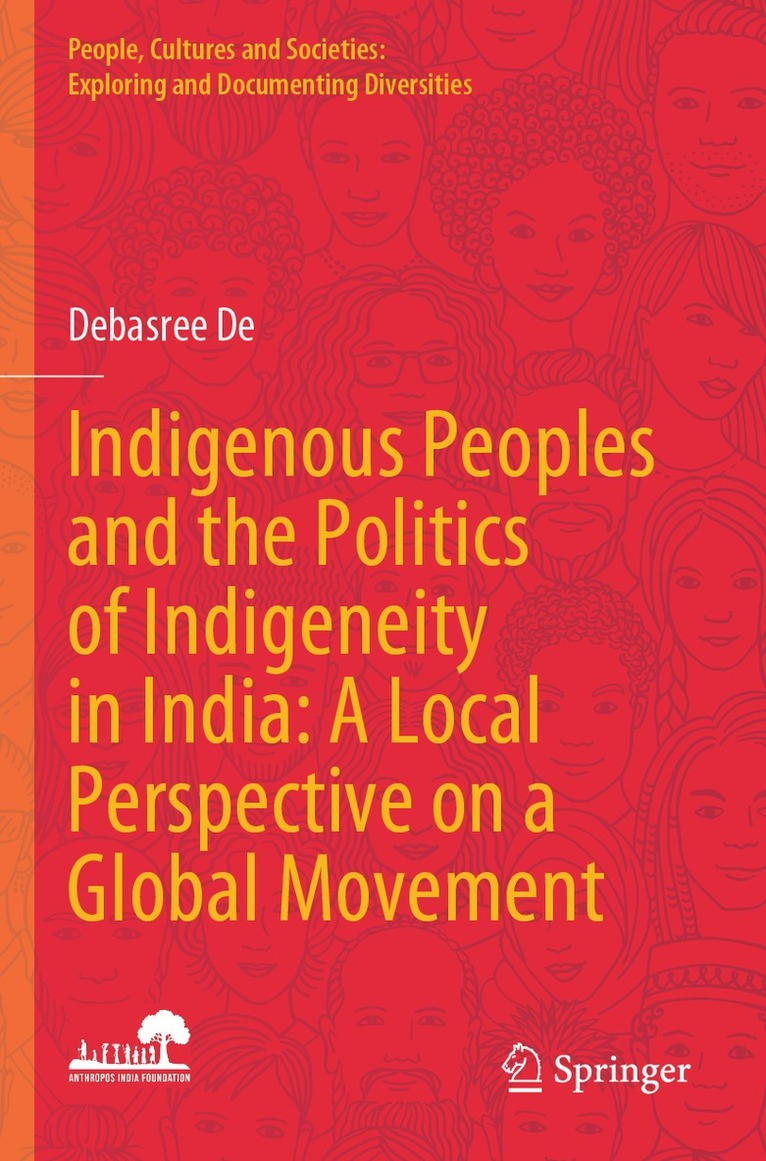
Indigenous Peoples and the Politics of Indigeneity in India: A Local Perspective on a Global Movement
Inbunden, Engelska, 2025
1 372 kr
Skickas inom 7-10 vardagar
It discusses the origin of indigeneity, the applicability of the indigenous identity in the international context, the growing awareness of the indigenous citizens about their rights and the UNO Declarations and ILO initiatives to incorporate the indigenous voices into the global affairs.