Deborah A. Schreiber – författare
463 kr
Skickas inom 5-8 vardagar
1 990 kr
Skickas inom 5-8 vardagar
2 508 kr
Läs direkt efter köp
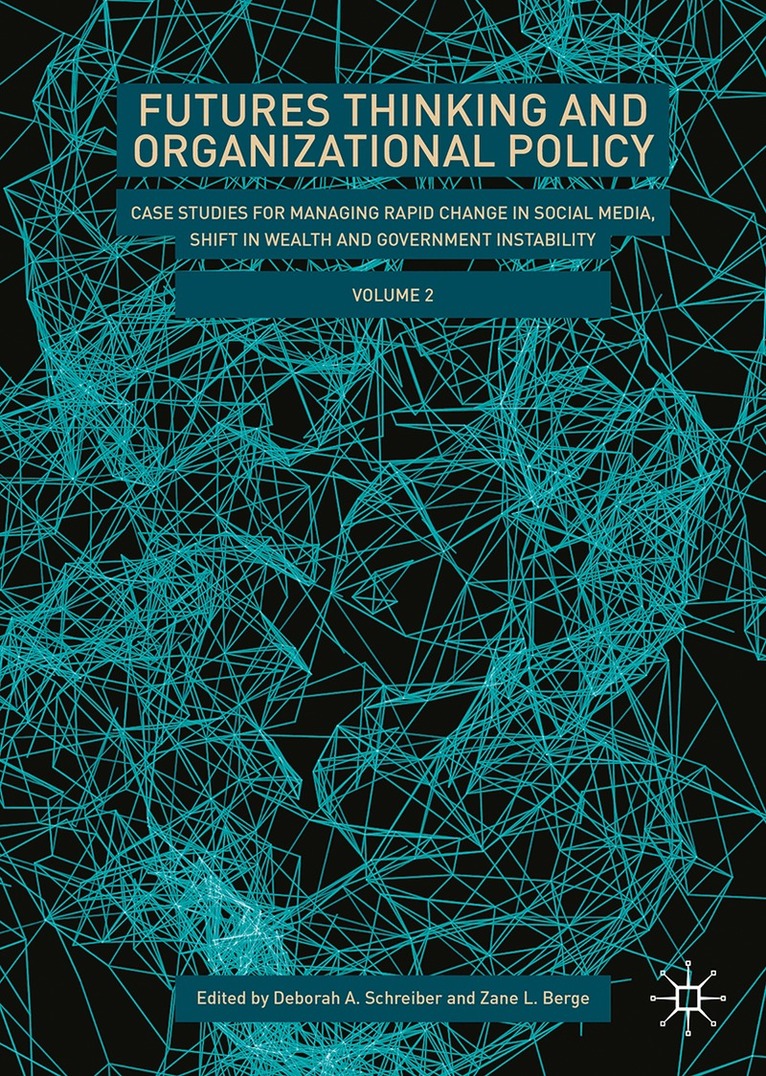
The case studies in this Volume 2 book support the premise that organizational policies are what ensure institutionalization and sustainability of futures thinking in corporations, non-profits, and educational institutions. Futures thinking here reflects a systems approach utilized by organizational leaders to observe and interpret signals of change or disruption, identify trigger points of impact, employ foresight methodologies to build scenarios of the future and plan action, and then ultimately translate/actualize the most viable scenarios into successful business outcomes. What is new in the field of futures thinking today is not the general source of change (i.e., technology, globalization, and workforce well-being), but the tumultuous level of disruption occurring due to three phenomena—explosive use of social media, shift in great wealth, and government instability.
Scholars and practitioners alike will find the case studies in this book provide nuanced insights into such disruptions, as well as discussion of best practices to ensure successful business solutions.
1 999 kr
Skickas inom 10-15 vardagar
1 446 kr
Skickas inom 10-15 vardagar
1 737 kr
Läs direkt efter köp
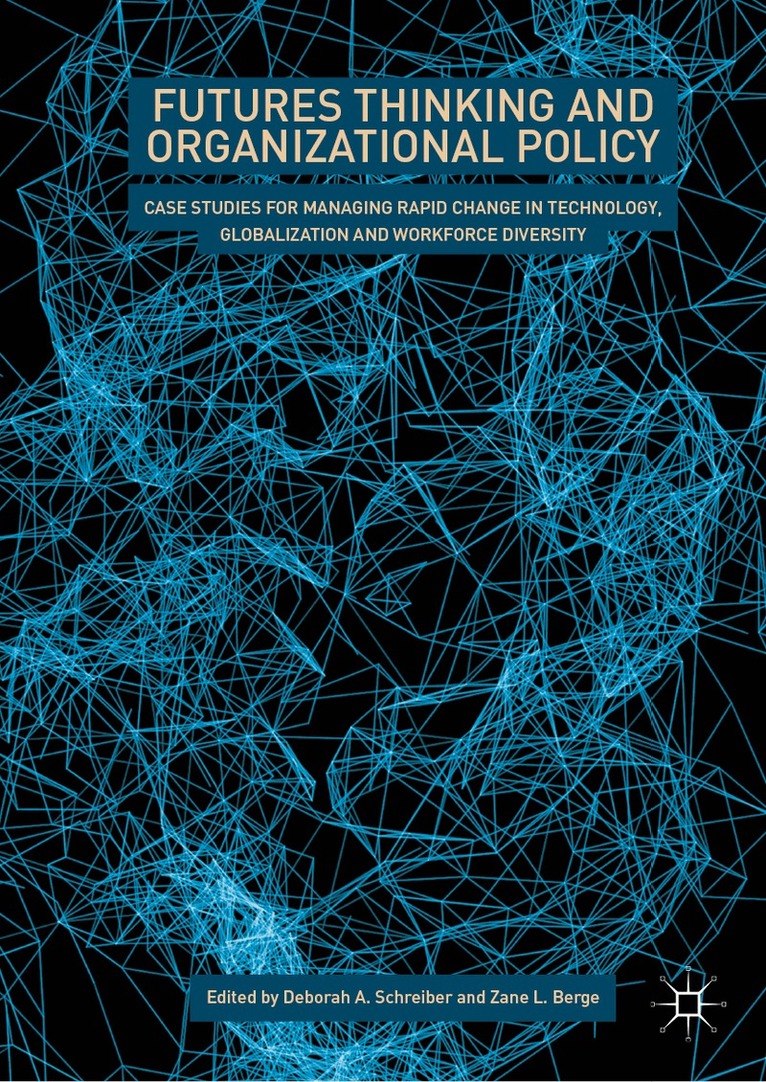
This book proposes that organizational policies are what ensure the institutionalization and sustainability of futures thinking in organizations. It presents several case studies from corporations and other institutions that describe effective use of foresight methods and internal policies to respond to rapid change. The case studies address changing trends in technology, globalization and/or workforce diversity, and the impact on the economic and political well-being of the organization. The editors also develop an organizational capability maturity model for futures thinking as well as providing questions for discussion that promote critical review of each case chapter. This book will inform scholars and organizational leaders how best to utilize foresight methodologies and organizational policies to sustain successful management strategies within futures thinking organizations.
Chapter 9 is available open access under a Creative Commons Attribution 4.0 International License via link.springer.com.