Deborah C. Payne – författare
Visar alla böcker från författaren Deborah C. Payne. Handla med fri frakt och snabb leverans.
10 produkter
10 produkter
E-bok
Engelska, 20241 337 kr
Läs direkt efter köp
Inbunden, Engelska, 2024
1 277 kr
Skickas inom 7-10 vardagar
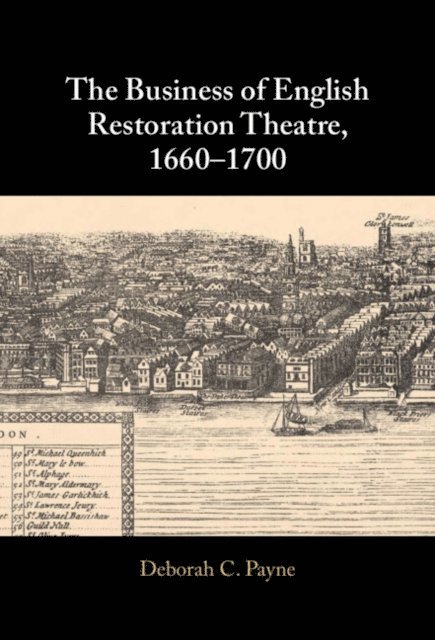
Deborah C. Payne's ground-breaking study traces the historical origins of a dilemma still bedevilling theatre companies: how to reconcile audience demand for novelty with profitability. As a solution, English acting companies in 1660 adopted an unprecedented theatrical duopoly. Implicit to its economic logic were scarcity, prestige, and innovation: attributes that, it was hoped, would generate wealth and exclusivity. Changes to playhouse architecture, stagecraft, dramatic repertory, and company practices were undertaken to create this new, upmarket theatre of "great expences." So powerful was the promise of the duopoly and so enthralling the wholesale transformation of the theatrical marketplace that management-despite dwindling box office-resisted change for 35 years. Drawing upon network and behavioural economic theory, Professor Payne shows why the acting companies clung to an economic model inimical to their self-interest. Original archival research further bolsters this radically new perspective on an exciting and crucial period in English theatre. This title is also available as Open Access on Cambridge Core.
E-bok
PDF, Engelska, 20241 337 kr
Läs direkt efter köp
Inbunden, Engelska, 2024
1 276 kr
Skickas inom 10-15 vardagar
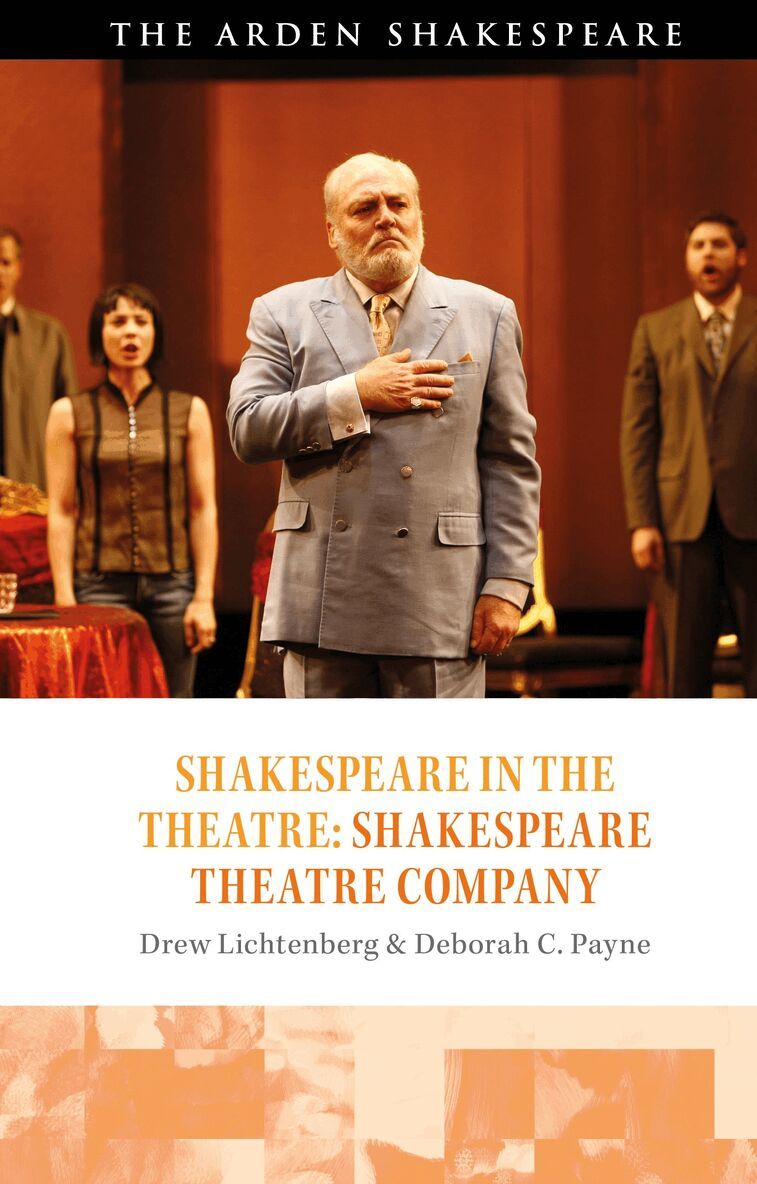
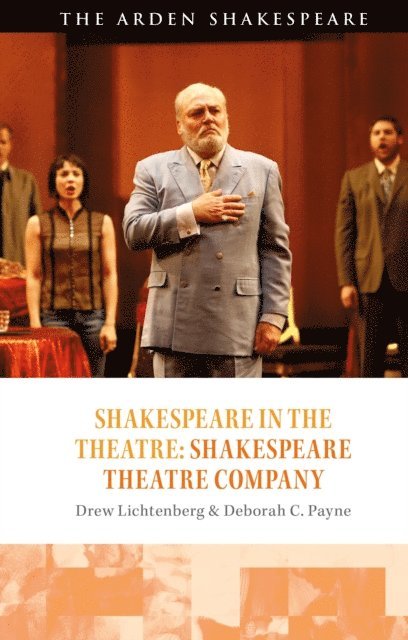
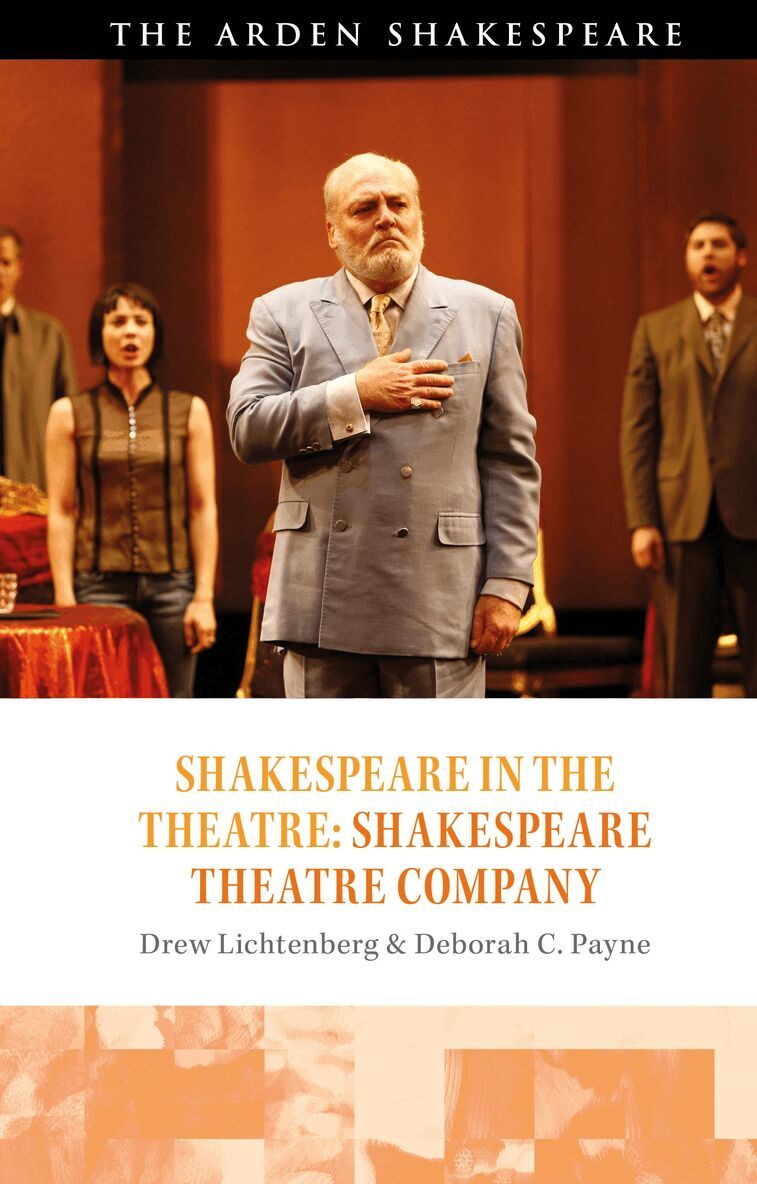
'This is a timely and valuable study, for the story of Shakespeare in America is inseparable from that of the nation’s capital. It’s a fascinating history, with many twists and turns, and Drew Lichtenberg and Deborah C. Payne do a superb job of bringing it to life.' James Shapiro, Columbia University, USACo-authored by the resident dramaturg at Shakespeare Theatre Company and a long-time scholarly consultant, this book chronicles how a small repertory troupe at the Folger Theatre on Capitol Hill became an internationally renowned company performing in a lavish, multi-venue performing arts centre in downtown Washington, D.C.The artistic vision and business acumen of Michael Kahn, the founding Artistic Director, largely catalyzed this transformation, but so too did the forces of neoliberalism and, more recently, globalization and new media. Accordingly, Shakespeare in the Theatre: Shakespeare Theatre Company not only examines directorial decision-making but also 3 decades of social and economic change in the nation’s capital, from the complexities of gentrification to the arts policies of successive administrations.In addition to discussions of directorial practice, this book examines the ambivalence of American theatre artists toward their British cultural inheritance. Analyses of representative productions and interviews with Kahn and his British successor, Simon Godwin, illuminate this complex relationship: one that aspires to a cosmopolitan Anglophilia while positioning classically trained American actors as worthy rivals to their counterparts at the RSC and the National Theatre of Great Britain.
E-bok
Engelska, 2024437 kr
Läs direkt efter köp
Co-authored by the resident dramaturg at Shakespeare Theatre Company and a long-time scholarly consultant, this book chronicles how a small repertory troupe at the Folger Theatre on Capitol Hill became an internationally renowned company performing in a lavish, multi-venue performing arts centre in downtown Washington, D.C. The artistic vision and business acumen of Michael Kahn, the founding Artistic Director, largely catalyzed this transformation, but so too did the forces of neoliberalism and, more recently, globalization and new media. Accordingly, Shakespeare in the Theatre: Shakespeare Theatre Company not only examines directorial decision-making but also 3 decades of social and economic change in the nation''s capital, from the complexities of gentrification to the arts policies of successive administrations. In addition to discussions of directorial practice, this book examines the ambivalence of American theatre artists toward their British cultural inheritance. Analyses of representative productions and interviews with Kahn and his British successor, Simon Godwin, illuminate this complex relationship: one that aspires to a cosmopolitan Anglophilia while positioning classically trained American actors as worthy rivals to their counterparts at the RSC and the National Theatre of Great Britain.
E-bok
PDF, Engelska, 2024437 kr
Läs direkt efter köp
Co-authored by the resident dramaturg at Shakespeare Theatre Company and a long-time scholarly consultant, this book chronicles how a small repertory troupe at the Folger Theatre on Capitol Hill became an internationally renowned company performing in a lavish, multi-venue performing arts centre in downtown Washington, D.C. The artistic vision and business acumen of Michael Kahn, the founding Artistic Director, largely catalyzed this transformation, but so too did the forces of neoliberalism and, more recently, globalization and new media. Accordingly, Shakespeare in the Theatre: Shakespeare Theatre Company not only examines directorial decision-making but also 3 decades of social and economic change in the nation''s capital, from the complexities of gentrification to the arts policies of successive administrations. In addition to discussions of directorial practice, this book examines the ambivalence of American theatre artists toward their British cultural inheritance. Analyses of representative productions and interviews with Kahn and his British successor, Simon Godwin, illuminate this complex relationship: one that aspires to a cosmopolitan Anglophilia while positioning classically trained American actors as worthy rivals to their counterparts at the RSC and the National Theatre of Great Britain.
Häftad, Engelska, 2024
414 kr
Skickas inom 5-8 vardagar
Co-authored by the resident dramaturg at Shakespeare Theatre Company and a long-time scholarly consultant, this book chronicles how a small repertory troupe at the Folger Theatre on Capitol Hill became an internationally renowned company performing in a lavish, multi-venue performing arts centre in downtown Washington, D.C.The artistic vision and business acumen of Michael Kahn, the founding Artistic Director, largely catalyzed this transformation, but so too did the forces of neoliberalism and, more recently, globalization and new media. Accordingly, Shakespeare in the Theatre: Shakespeare Theatre Company not only examines directorial decision-making but also 3 decades of social and economic change in the nation’s capital, from the complexities of gentrification to the arts policies of successive administrations.In addition to discussions of directorial practice, this book examines the ambivalence of American theatre artists toward their British cultural inheritance. Analyses of representative productions and interviews with Kahn and his British successor, Simon Godwin, illuminate this complex relationship: one that aspires to a cosmopolitan Anglophilia while positioning classically trained American actors as worthy rivals to their counterparts at the RSC and the National Theatre of Great Britain.
Inbunden, Engelska, 2017
661 kr
Skickas inom 10-15 vardagar
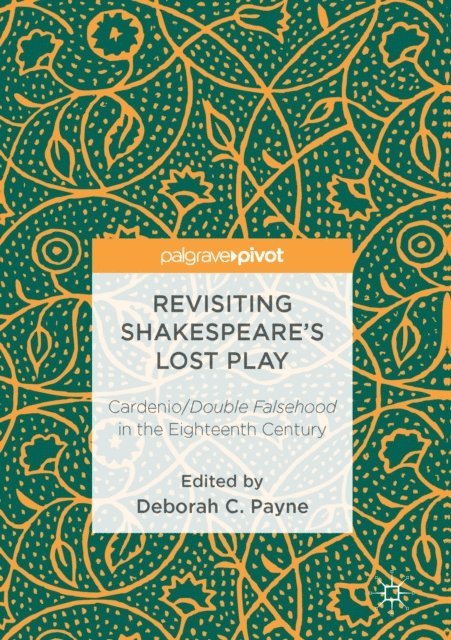
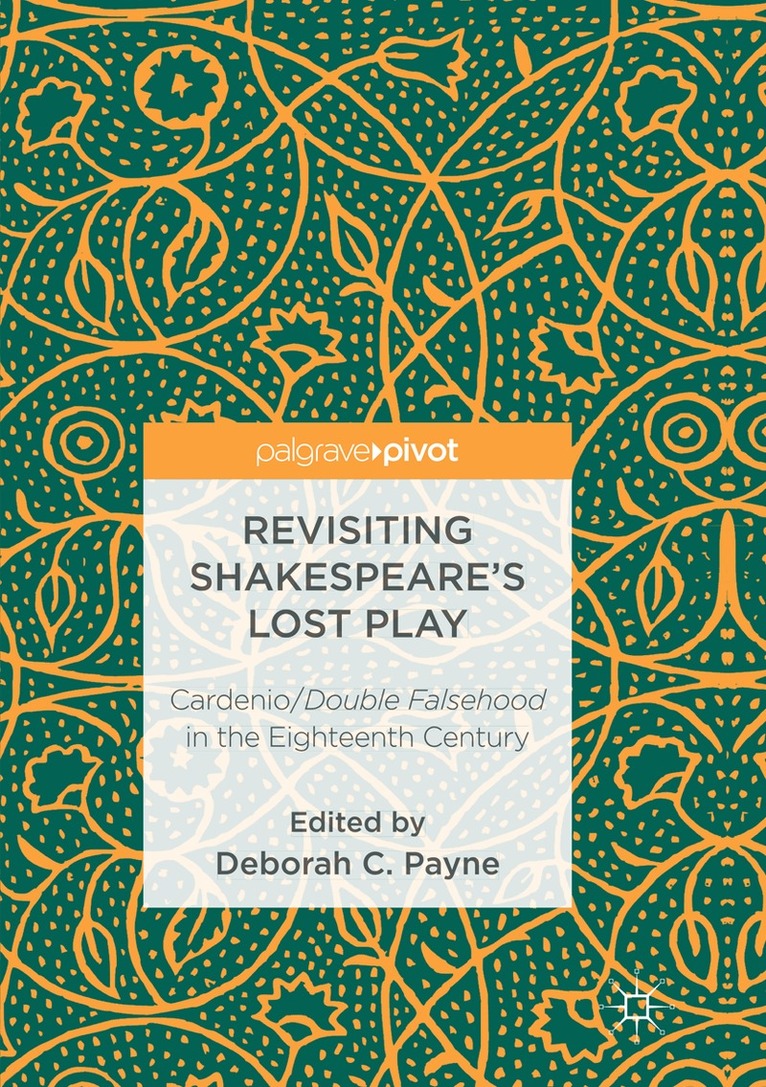
This collection of essays centres on Double Falsehood, Lewis Theobald’s 1727 adaptation of the “lost” play of Cardenio, possibly co-authored by John Fletcher and William Shakespeare. In a departure from most scholarship to date, the contributors fold Double Falsehood back into the milieu for which it was created rather than searching for traces of Shakespeare in the text. Robert D. Hume’s knowledge of theatre history permits a fresh take on the forgery question as well as the Shakespeare authorship controversy. Diana Solomon’s understanding of eighteenth-century rape culture and Jean I. Marsden’s command of contemporary adaptation practices both emphasise the play’s immediate social and theatrical contexts. And, finally, Deborah C. Payne’s familiarity with the eighteenth-century stage allows for a reconsideration of Double Falsehood as integral to a debate between Theobald, Alexander Pope, and John Gay over the future of the English drama.
E-bok
PDF, Engelska, 2017836 kr
Läs direkt efter köp
This collection of essays centres on Double Falsehood, Lewis Theobald’s 1727 adaptation of the “lost” play of Cardenio, possibly co-authored by John Fletcher and William Shakespeare. In a departure from most scholarship to date, the contributors fold Double Falsehood back into the milieu for which it was created rather than searching for traces of Shakespeare in the text. Robert D. Hume’s knowledge of theatre history permits a fresh take on the forgery question as well as the Shakespeare authorship controversy. Diana Solomon’s understanding of eighteenth-century rape culture and Jean I. Marsden’s command of contemporary adaptation practices both emphasise the play’s immediate social and theatrical contexts. And, finally, Deborah C. Payne’s familiarity with the eighteenth-century stage allows for a reconsideration of Double Falsehood as integral to a debate between Theobald, Alexander Pope, and John Gay over the future of the English drama.
Häftad, Engelska, 2018
661 kr
Skickas inom 10-15 vardagar
This collection of essays centres on Double Falsehood, Lewis Theobald’s 1727 adaptation of the “lost” play of Cardenio, possibly co-authored by John Fletcher and William Shakespeare. In a departure from most scholarship to date, the contributors fold Double Falsehood back into the milieu for which it was created rather than searching for traces of Shakespeare in the text. Robert D. Hume’s knowledge of theatre history permits a fresh take on the forgery question as well as the Shakespeare authorship controversy. Diana Solomon’s understanding of eighteenth-century rape culture and Jean I. Marsden’s command of contemporary adaptation practices both emphasise the play’s immediate social and theatrical contexts. And, finally, Deborah C. Payne’s familiarity with the eighteenth-century stage allows for a reconsideration of Double Falsehood as integral to a debate between Theobald, Alexander Pope, and John Gay over the future of the English drama.