Deborah L. McGrady – författare
Visar alla böcker från författaren Deborah L. McGrady. Handla med fri frakt och snabb leverans.
10 produkter
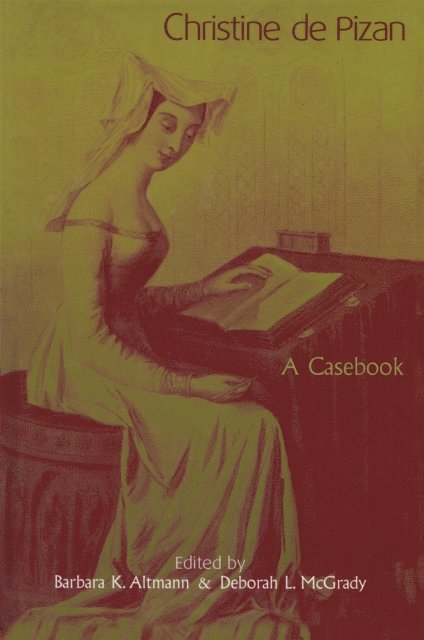
Christine de Pizan
A Casebook
Av Barbara K. Altmann, Deborah L. McGrady
Inbunden, 2002
3158 kr
Lägg i varukorg
Christine de Pizan wrote voluminously, commenting on various aspects of the late-medieval society in which she lived. Considered by many to be the first French woman of letters, Christine and her writing have been difficult to place ever since she began putting her thoughts on the page. Although …
Christine de Pizan
A Casebook
Av Deborah L. McGrady, Barbara K. Altmann
E-bok, 2020
1115 kr
Lägg i varukorg
Christine de Pizan wrote voluminously, commenting on various aspects of the late-medieval society in which she lived. Considered by many to be the first French woman of letters, Christine and her writing have been difficult to place ever since she began putting her thoughts on the page. Although …
Christine de Pizan
A Casebook
Av Deborah L. McGrady, Barbara K. Altmann
E-bok, 2020
1115 kr
Lägg i varukorg
Christine de Pizan wrote voluminously, commenting on various aspects of the late-medieval society in which she lived. Considered by many to be the first French woman of letters, Christine and her writing have been difficult to place ever since she began putting her thoughts on the page. Although …
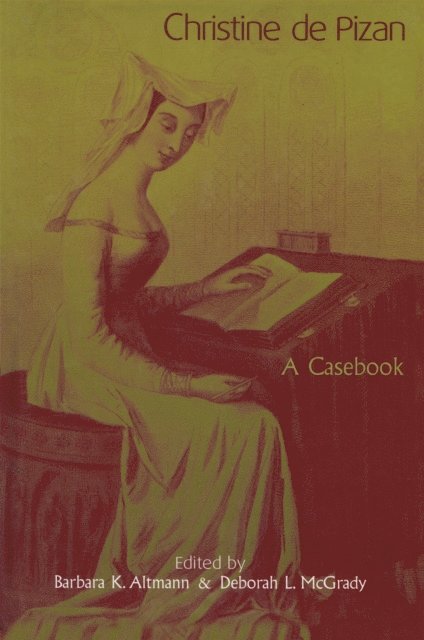
Christine de Pizan
A Casebook
Av Barbara K. Altmann, Deborah L. McGrady
Häftad, 2015
948 kr
Lägg i varukorg
Christine de Pizan wrote voluminously, commenting on various aspects of the late-medieval society in which she lived. Considered by many to be the first French woman of letters, Christine and her writing have been difficult to place ever since she began putting her thoughts on the page. Although …
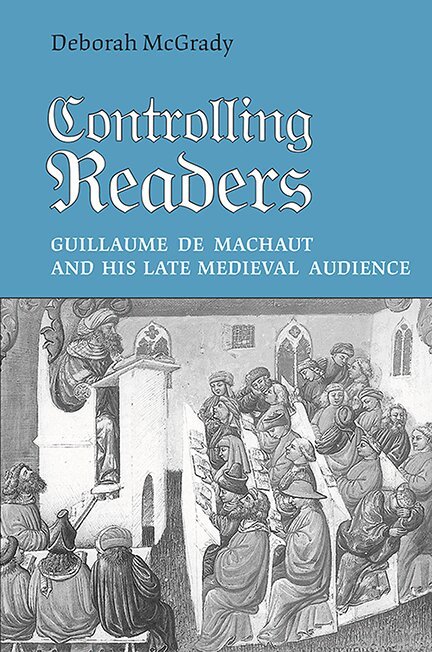
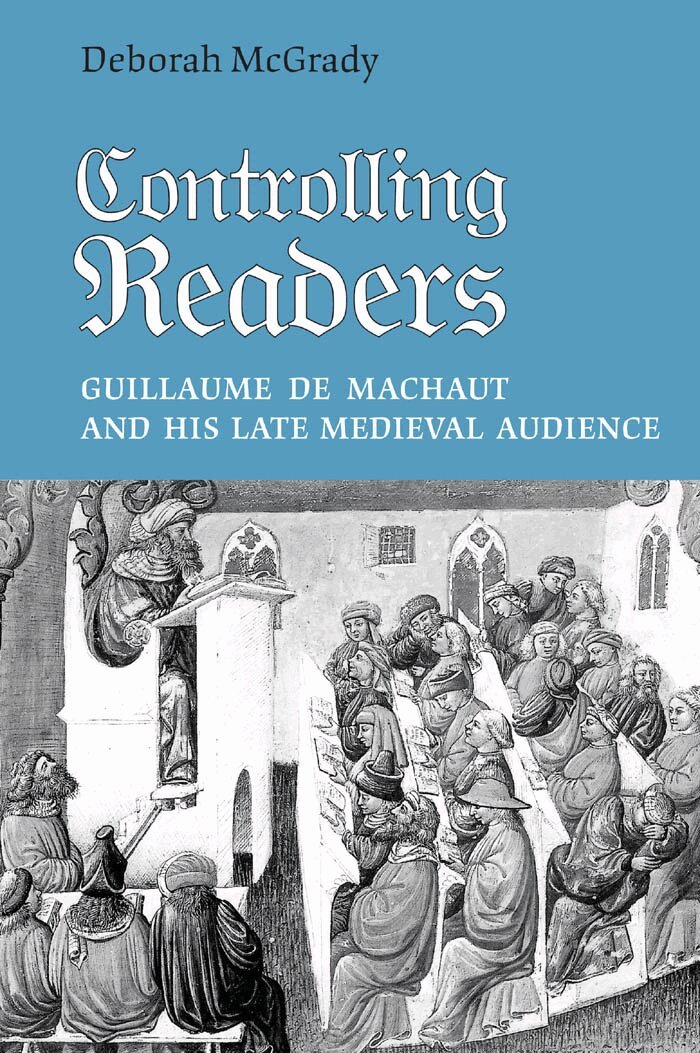
Controlling Readers
Guillaume De Machaut and His Late Medieval Audience
Häftad, 2012
508 kr
Lägg i varukorg
Guillaume de Machaut (1300-1377) was the master poet of fourteenth-century France. He established models for much of the vernacular poetry written by subsequent generations, and he was instrumental in institutionalizing the lay reader. In particular, his longest and most important work, the Voir …
Controlling Readers
Guillaume De Machaut and His Late Medieval Audience
E-bok, 2013
642 kr
Lägg i varukorg
Guillaume de Machaut (1300-1377) was the master poet of fourteenth-century France. He established models for much of the vernacular poetry written by subsequent generations, and he was instrumental in institutionalizing the lay reader. In particular, his longest and most important work, the Voir …
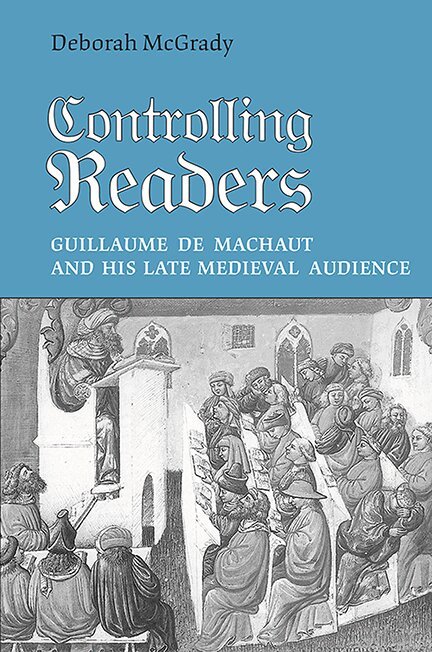
Controlling Readers
Guillaume De Machaut and His Late Medieval Audience
E-bok, 2012
656 kr
Lägg i varukorg
Guillaume de Machaut (1300-1377) was the master poet of fourteenth-century France. He established models for much of the vernacular poetry written by subsequent generations, and he was instrumental in institutionalizing the lay reader. In particular, his longest and most important work, the Voir …
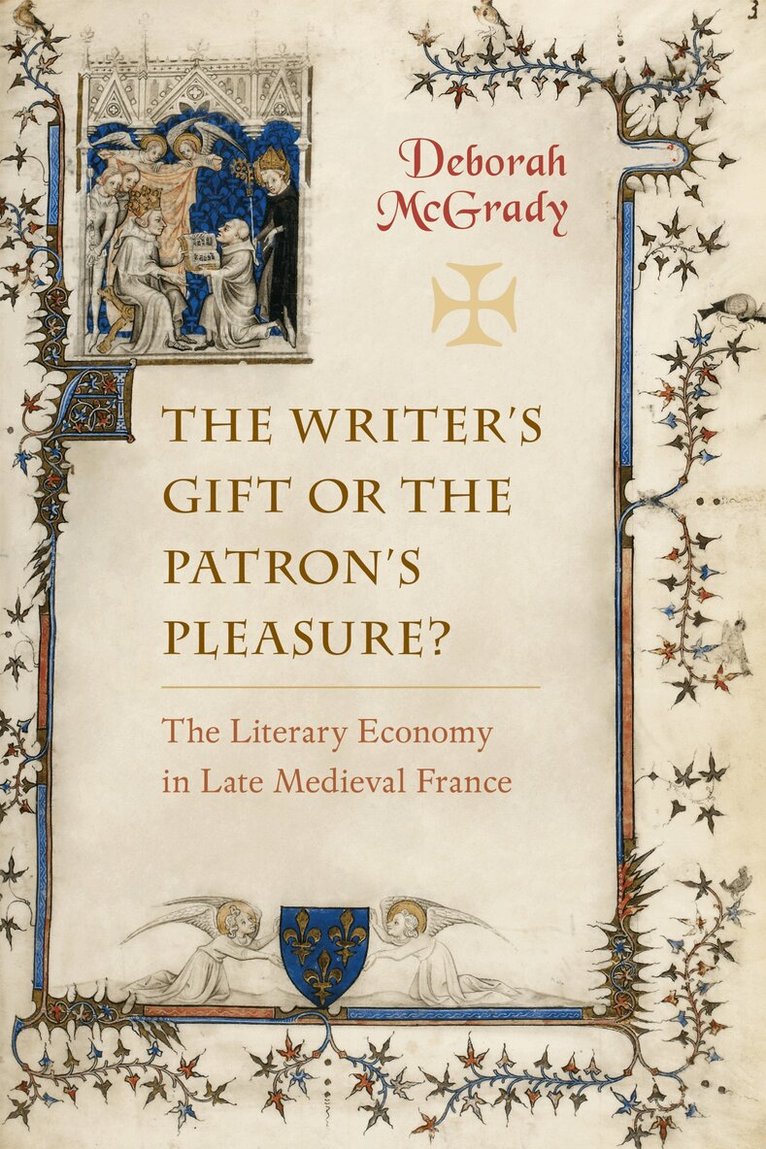
Writer's Gift or the Patron's Pleasure?
The Literary Economy in Late Medieval France
Inbunden, 2019
992 kr
Lägg i varukorg
The Writer’s Gift or the Patron’s Pleasure? introduces a new approach to literary patronage through a reassessment of the medieval paragon of literary sponsorship, Charles V of France. Traditionally celebrated for his book commissions that promoted the vernacular, Charles V also deserves credit for …
Writer's Gift or the Patron's Pleasure?
The Literary Economy in Late Medieval France
E-bok, 2018
1256 kr
Lägg i varukorg
The Writer’s Gift or the Patron’s Pleasure? introduces a new approach to literary patronage through a reassessment of the medieval paragon of literary sponsorship, Charles V of France. Traditionally celebrated for his book commissions that promoted the vernacular, Charles V also deserves credit for …
Writer's Gift or the Patron's Pleasure?
The Literary Economy in Late Medieval France
E-bok, 2019
1155 kr
Lägg i varukorg
The Writer’s Gift or the Patron’s Pleasure? introduces a new approach to literary patronage through a reassessment of the medieval paragon of literary sponsorship, Charles V of France. Traditionally celebrated for his book commissions that promoted the vernacular, Charles V also deserves credit for …