Deborah Mayersen - Böcker
Visar alla böcker från författaren Deborah Mayersen. Handla med fri frakt och snabb leverans.
9 produkter
9 produkter
2 219 kr
Skickas inom 10-15 vardagar
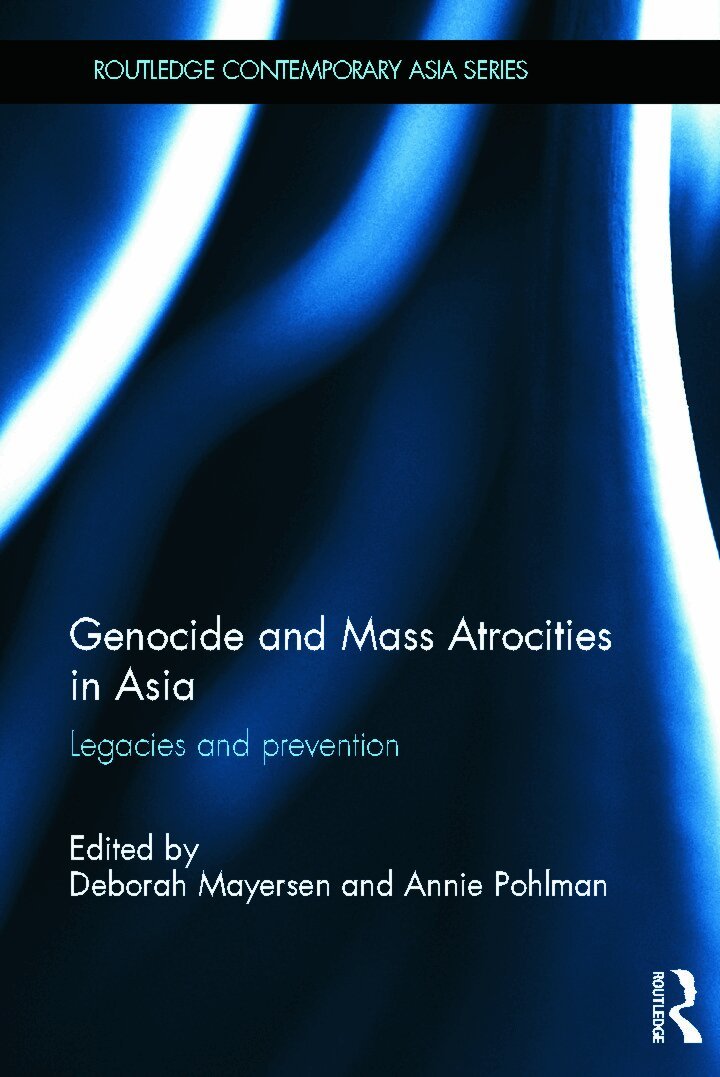
The twentieth century has been labelled the ‘century of genocide’, and according to estimates, more than 250 million civilians were victims of genocide and mass atrocities during this period. This book provides one of the first regional perspectives on mass atrocities in Asia, by exploring the issue through two central themes.Bringing together experts in genocide studies and area specialists, the book looks at the legacy of past genocides and mass atrocities, with case studies on East Timor, Cambodia and Indonesia. It explores the enduring legacies of trauma and societal divisions, the complex and continuing impacts of past mass violence, and the role of transitional justice in the aftermath of mass atrocities in Asia. Understanding these complex legacies is crucial for the region to build a future that acknowledges the past. The book goes on to consider the prospects and challenges for preventing future mass atrocities in Asia, and globally. It discusses both regional and global factors that may impact on preventing future mass atrocities in Asia, and highlights the value of a regional perspective in mass atrocity prevention.Providing a detailed examination of genocide and mass atrocities through the themes of legacies and prevention, the book is an important contribution to Asian Studies and Security Studies.
422 kr
Kommande
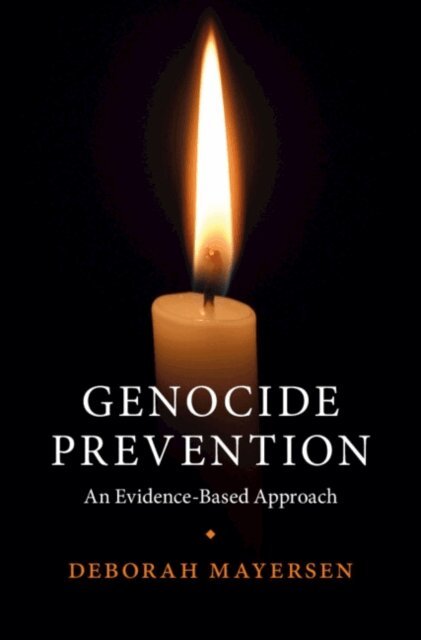
It is a promising time for genocide prevention. Increasing amounts of research, and resources, have led to significant advances over the past two decades. Yet we still lack vital knowledge as to the most effective ways to stabilise and reduce the risk of genocide in current at-risk societies. This volume offers a compelling new approach: to understand how to prevent genocide, we need to examine societies in which genocide has been prevented. It is in these societies - in which a demonstrably high risk of genocide was present, but in which genocide did not occur - that we can potentially find key factors that promote resilience to genocide. The volume explores six such case studies, spanning three continents and seven decades. Through careful analysis it identifies eleven factors that have contributed to preventing genocide in multiple cases, and which have the potential to inform current approaches to prevention. Collectively, these offer a new, evidence-based approach to preventing genocide.
1 363 kr
Kommande
It is a promising time for genocide prevention. Increasing amounts of research, and resources, have led to significant advances over the past two decades. Yet we still lack vital knowledge as to the most effective ways to stabilise and reduce the risk of genocide in current at-risk societies. This volume offers a compelling new approach: to understand how to prevent genocide, we need to examine societies in which genocide has been prevented. It is in these societies - in which a demonstrably high risk of genocide was present, but in which genocide did not occur - that we can potentially find key factors that promote resilience to genocide. The volume explores six such case studies, spanning three continents and seven decades. Through careful analysis it identifies eleven factors that have contributed to preventing genocide in multiple cases, and which have the potential to inform current approaches to prevention. Collectively, these offer a new, evidence-based approach to preventing genocide.
878 kr
Skickas inom 10-15 vardagar
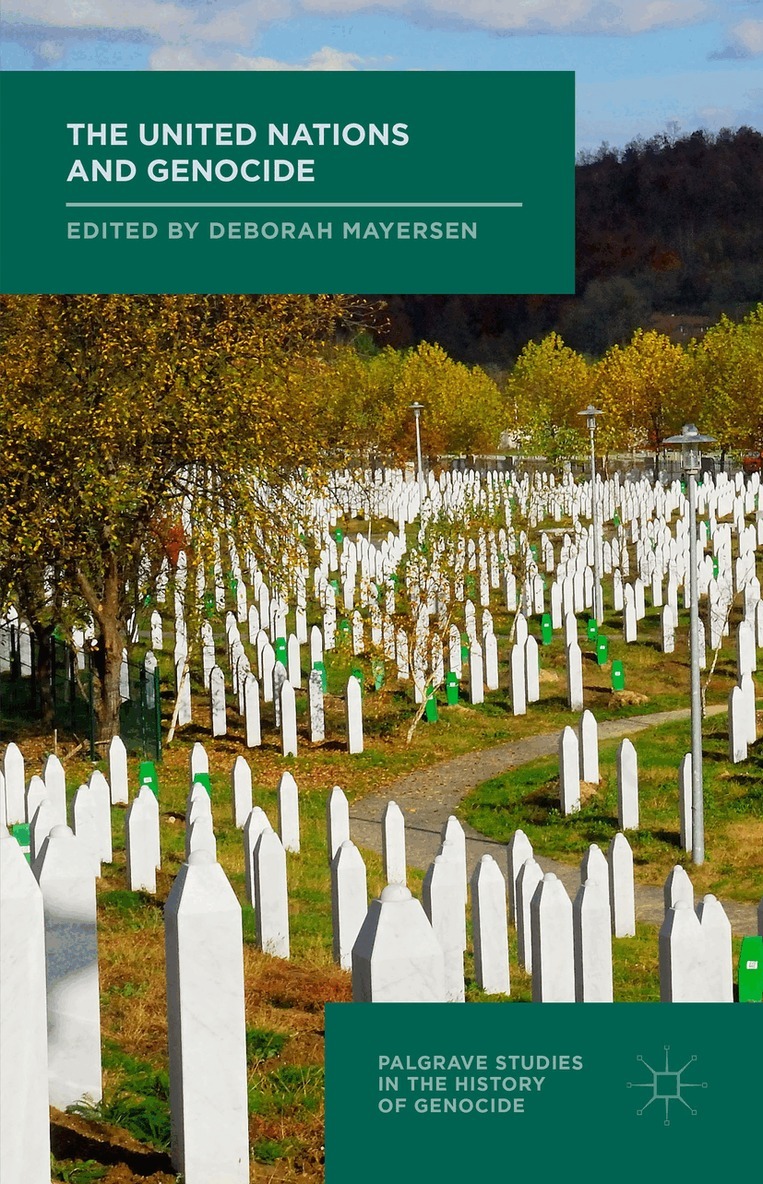
The Convention on the Prevention and Punishment of the Crime of Genocide was the first human rights treaty adopted by the United Nations, reflecting the global commitment to 'never again' in the wake of the Holocaust.
671 kr
Skickas inom 10-15 vardagar
The twentieth century has been labelled the ‘century of genocide’, and according to estimates, more than 250 million civilians were victims of genocide and mass atrocities during this period. This book provides one of the first regional perspectives on mass atrocities in Asia, by exploring the issue through two central themes.Bringing together experts in genocide studies and area specialists, the book looks at the legacy of past genocides and mass atrocities, with case studies on East Timor, Cambodia and Indonesia. It explores the enduring legacies of trauma and societal divisions, the complex and continuing impacts of past mass violence, and the role of transitional justice in the aftermath of mass atrocities in Asia. Understanding these complex legacies is crucial for the region to build a future that acknowledges the past. The book goes on to consider the prospects and challenges for preventing future mass atrocities in Asia, and globally. It discusses both regional and global factors that may impact on preventing future mass atrocities in Asia, and highlights the value of a regional perspective in mass atrocity prevention.Providing a detailed examination of genocide and mass atrocities through the themes of legacies and prevention, the book is an important contribution to Asian Studies and Security Studies.
628 kr
Skickas inom 10-15 vardagar
The Convention on the Prevention and Punishment of the Crime of Genocide was the first human rights treaty adopted by the United Nations, reflecting the global commitment to 'never again' in the wake of the Holocaust.
359 kr
Skickas inom 7-10 vardagar
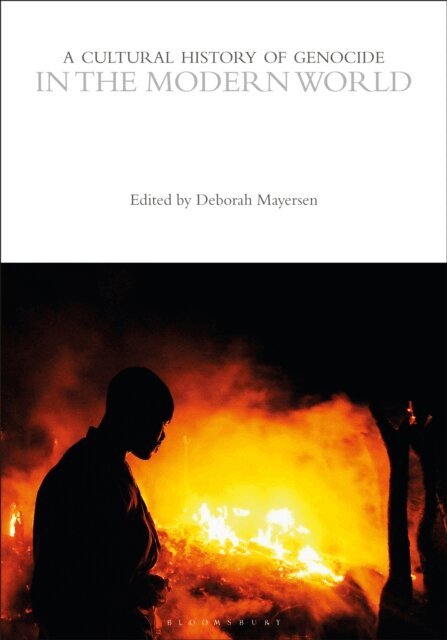
The cry of “never again” reverberated around the world in the aftermath of the Holocaust. Yet despite the unprecedented horrors of the Shoah, and the subsequent creation of the Convention on the Prevention and Punishment of the Crime of Genocide, the frequency of genocide intensified in the post-Holocaust period. Since 1945 there have been genocides or mass killings in East Pakistan (now Bangladesh), East Timor, Indonesia, Guatemala, Cambodia, Rwanda, Bosnia, Darfur, Iraq, and elsewhere. This volume examines the cultural history of genocide in the modern world. It focuses on the period from the end of the Second World War to the present day. The volume examines not only the many genocides that have occurred during this period, but the beliefs and actions that led to them, the local and international responses, and the changing way in which genocide has been understood. It chronicles key developments, including the creation of international legal and political mechanisms to address genocide. It also considers creative and artistic responses to genocide, and how genocide is remembered and memorialized in the modern world. Finally, it examines the issue of genocide prevention, and the prospects for a more positive future.
2 014 kr
Skickas inom 3-6 vardagar
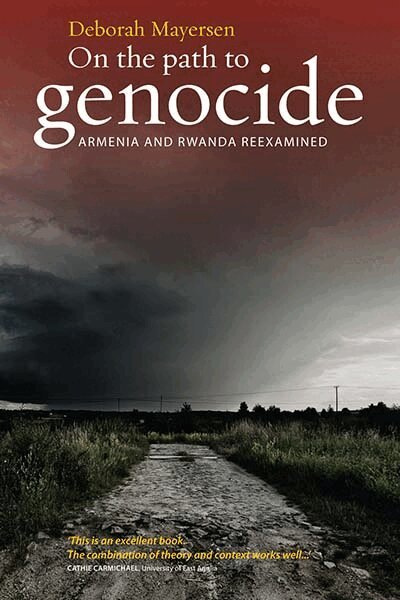
Why did the Armenian genocide erupt in Turkey in 1915, only seven years after the Armenian minority achieved civil equality for the first time in the history of the Ottoman Empire? How can we explain the Rwandan genocide occurring in 1994, after decades of relative peace and even cooperation between the Hutu majority and the Tutsi minority? Addressing the question of how the risk of genocide develops over time, On the Path to Genocide contributes to a better understand why genocide occurs when it does. It provides a comprehensive and comparative historical analysis of the factors that led to the 1915 Armenian genocide and the 1994 genocide in Rwanda, using fresh sources and perspectives that yield new insights into the history of the Armenian and Rwandan peoples. Finally, it also presents new research into constraints that inhibit genocide, and how they can be utilized to attempt the prevention of genocide in the future.
511 kr
Skickas inom 3-6 vardagar
Why did the Armenian genocide erupt in Turkey in 1915, only seven years after the Armenian minority achieved civil equality for the first time in the history of the Ottoman Empire? How can we explain the Rwandan genocide occurring in 1994, after decades of relative peace and even cooperation between the Hutu majority and the Tutsi minority? Addressing the question of how the risk of genocide develops over time, On the Path to Genocide contributes to a better understand why genocide occurs when it does. It provides a comprehensive and comparative historical analysis of the factors that led to the 1915 Armenian genocide and the 1994 genocide in Rwanda, using fresh sources and perspectives that yield new insights into the history of the Armenian and Rwandan peoples. Finally, it also presents new research into constraints that inhibit genocide, and how they can be utilized to attempt the prevention of genocide in the future.