Debra Faszer-McMahon – författare
Visar alla böcker från författaren Debra Faszer-McMahon. Handla med fri frakt och snabb leverans.
4 produkter
4 produkter
727 kr
Skickas inom 10-15 vardagar
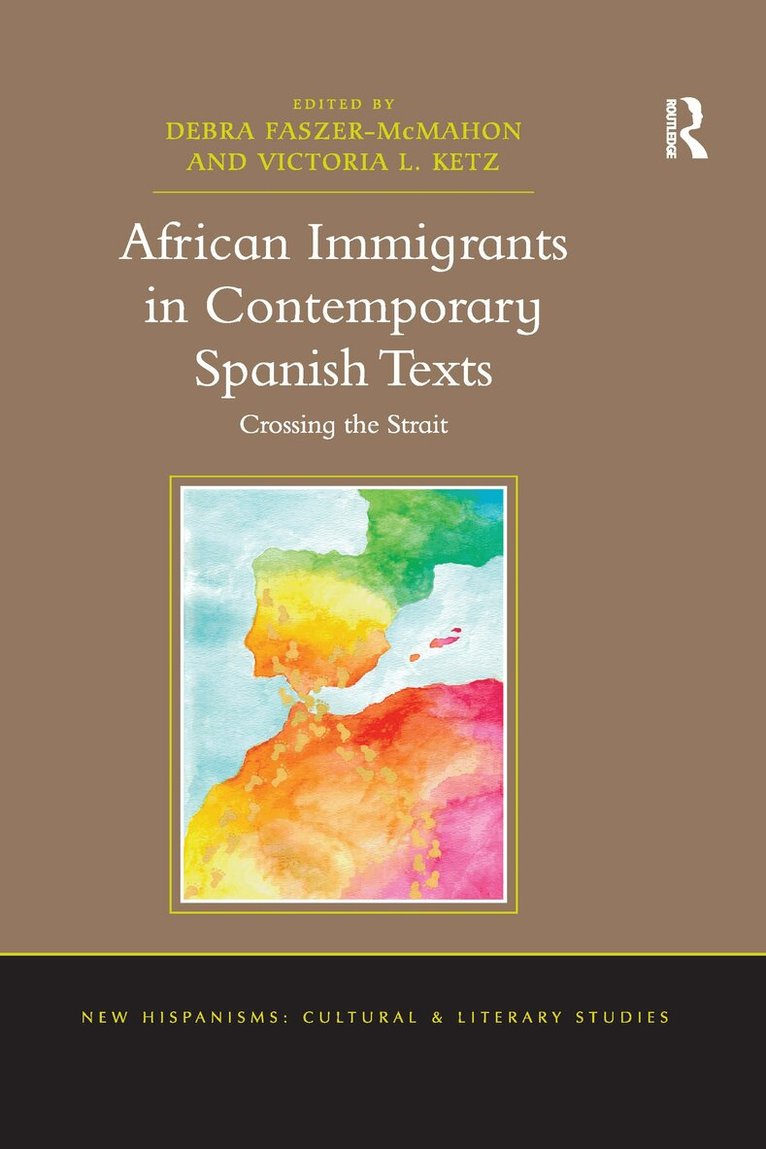
Around the turn of 21st Century, Spain welcomed more than six million foreigners, many of them from various parts of the African continent. How African immigrants represent themselves and are represented in contemporary Spanish texts is the subject of this interdisciplinary collection. Analyzing blogs, films, translations, and literary works by contemporary authors including Donato Ndongo (Ecquatorial Guinea), Abderrahman El Fathi (Morocco), Chus Gutiérrez (Spain), Juan Bonilla (Spain), and Bahia Mahmud Awah (Western Sahara), the contributors interrogate how Spanish cultural texts represent, idealize, or sympathize with the plight of immigrants, as well as the ways in which immigrants themselves represent Spain and Spanish culture. At the same time, these works shed light on issues related to Spain’s racial, ethnic, and sexual boundaries; the appeal of images of Africa in the contemporary marketplace; and the role of Spain’s economic crisis in shaping attitudes towards immigration. Taken together, the essays are a convincing reminder that cultural texts provide a mirror into the perceptions of a society during times of change.
191 kr
Skickas inom 5-8 vardagar
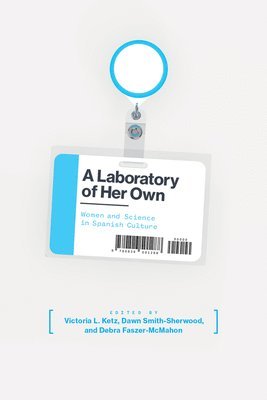
A Laboratory of Her Own: Women and Science in Spanish Culture gathers diverse voices to address women's interaction with STEM fields in the context of Spanish cultural production. This volume focuses on the many ways the arts and humanities provide avenues for deepening the conversation about how women have been involved in, excluded from, and represented within the scientific realm.While women's historic exclusion from STEM fields has received increased scrutiny worldwide in recent years, women within the Spanish context have been perhaps even more peripheral given the complex socio-cultural structures emanating from gender norms and political ideologies dominant in the Spanish nineteenth and twentieth centuries. Nonetheless, Spanish female cultural producers have long been engaged with science and technology within the cultural realm, as expressed in literature, art, film, and other areas. Spanish cultural production offers diverse representations of the relationships between women, gender, sexuality, race, and the STEM fields.A Laboratory of Her Own studies representations of Spanish women (including non-white women) and scientific cultural production from the late nineteenth through the twenty-first centuries. STEM topics include the environment, biodiversity, temporal and spatial theories, medicine and reproductive rights, neuroscience, robotics, artificial intelligence, and quantum physics. These scientific themes and other issues are analyzed in narratives, paintings, poetry, photographs, science fiction, medical literature, translation, newswriting, film, and other forms.
1 409 kr
Skickas inom 5-8 vardagar
A Laboratory of Her Own: Women and Science in Spanish Culture gathers diverse voices to address women's interaction with STEM fields in the context of Spanish cultural production. This volume focuses on the many ways the arts and humanities provide avenues for deepening the conversation about how women have been involved in, excluded from, and represented within the scientific realm.While women's historic exclusion from STEM fields has received increased scrutiny worldwide in recent years, women within the Spanish context have been perhaps even more peripheral given the complex socio-cultural structures emanating from gender norms and political ideologies dominant in the Spanish nineteenth and twentieth centuries. Nonetheless, Spanish female cultural producers have long been engaged with science and technology within the cultural realm, as expressed in literature, art, film, and other areas. Spanish cultural production offers diverse representations of the relationships between women, gender, sexuality, race, and the STEM fields.A Laboratory of Her Own studies representations of Spanish women (including non-white women) and scientific cultural production from the late nineteenth through the twenty-first centuries. STEM topics include the environment, biodiversity, temporal and spatial theories, medicine and reproductive rights, neuroscience, robotics, artificial intelligence, and quantum physics. These scientific themes and other issues are analyzed in narratives, paintings, poetry, photographs, science fiction, medical literature, translation, newswriting, film, and other forms.
2 430 kr
Skickas inom 10-15 vardagar
Around the turn of 21st Century, Spain welcomed more than six million foreigners, many of them from various parts of the African continent. How African immigrants represent themselves and are represented in contemporary Spanish texts is the subject of this interdisciplinary collection. Analyzing blogs, films, translations, and literary works by contemporary authors including Donato Ndongo (Ecquatorial Guinea), Abderrahman El Fathi (Morocco), Chus Gutiérrez (Spain), Juan Bonilla (Spain), and Bahia Mahmud Awah (Western Sahara), the contributors interrogate how Spanish cultural texts represent, idealize, or sympathize with the plight of immigrants, as well as the ways in which immigrants themselves represent Spain and Spanish culture. At the same time, these works shed light on issues related to Spain’s racial, ethnic, and sexual boundaries; the appeal of images of Africa in the contemporary marketplace; and the role of Spain’s economic crisis in shaping attitudes towards immigration. Taken together, the essays are a convincing reminder that cultural texts provide a mirror into the perceptions of a society during times of change.