Deepak R. Mishra – författare
Visar alla böcker från författaren Deepak R. Mishra. Handla med fri frakt och snabb leverans.
5 produkter
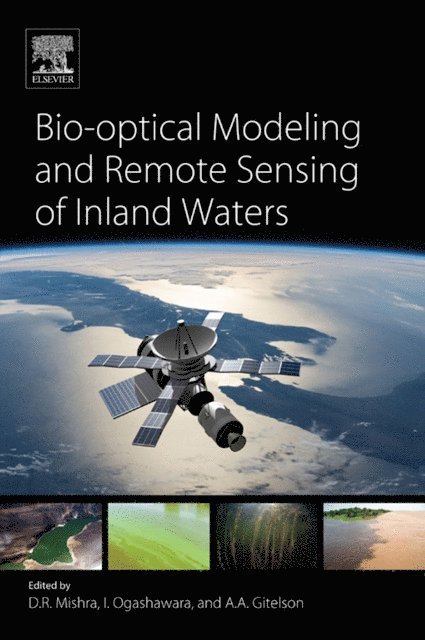
Bio-optical Modeling and Remote Sensing of Inland Waters
Av Deepak R. Mishra, Igor Ogashawara m. fl.
Häftad, 2017
1226 kr
Lägg i varukorg
Bio-optical Modeling and Remote Sensing of Inland Waters presents the latest developments, state-of-the-art, and future perspectives of bio-optical modeling for each optically active component of inland waters, providing a broad range of applications of water quality monitoring using remote …
Bio-optical Modeling and Remote Sensing of Inland Waters
Av Anatoly Abraham Gitelson, Igor Ogashawara m. fl.
E-bok, 2017
1889 kr
Lägg i varukorg
Bio-optical Modeling and Remote Sensing of Inland Waters presents the latest developments, state-of-the-art, and future perspectives of bio-optical modeling for each optically active component of inland waters, providing a broad range of applications of water quality monitoring using remote …
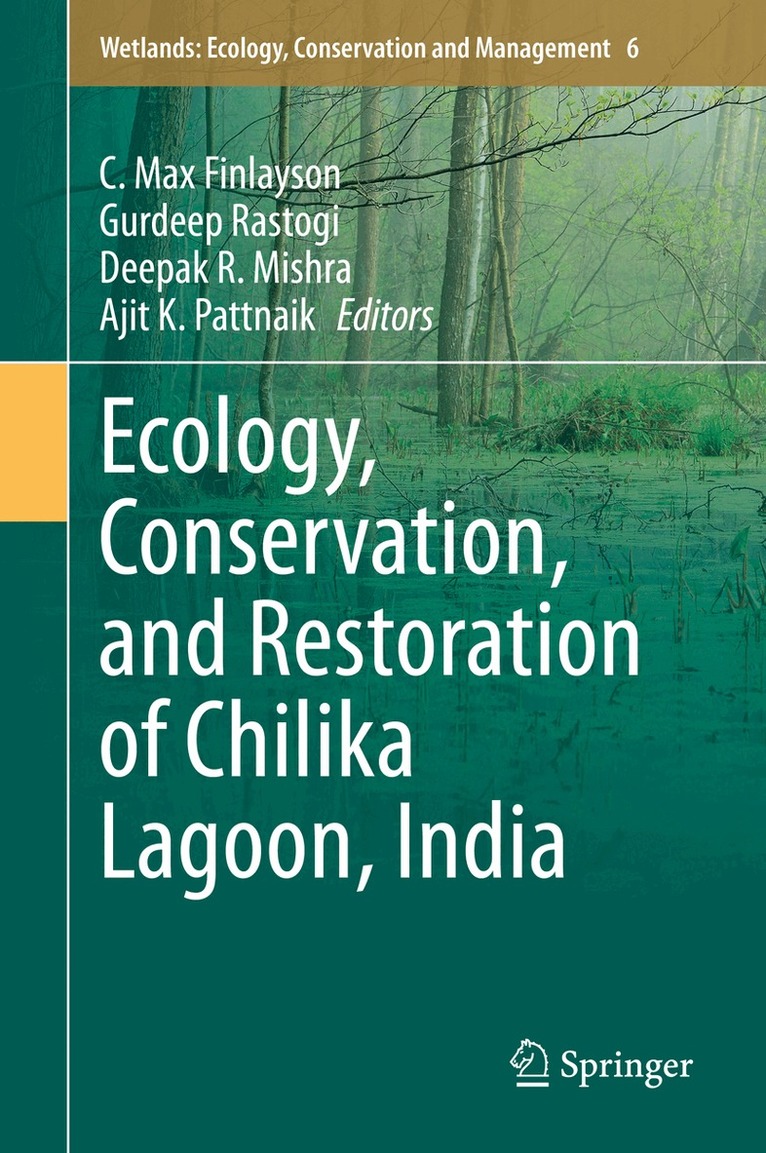
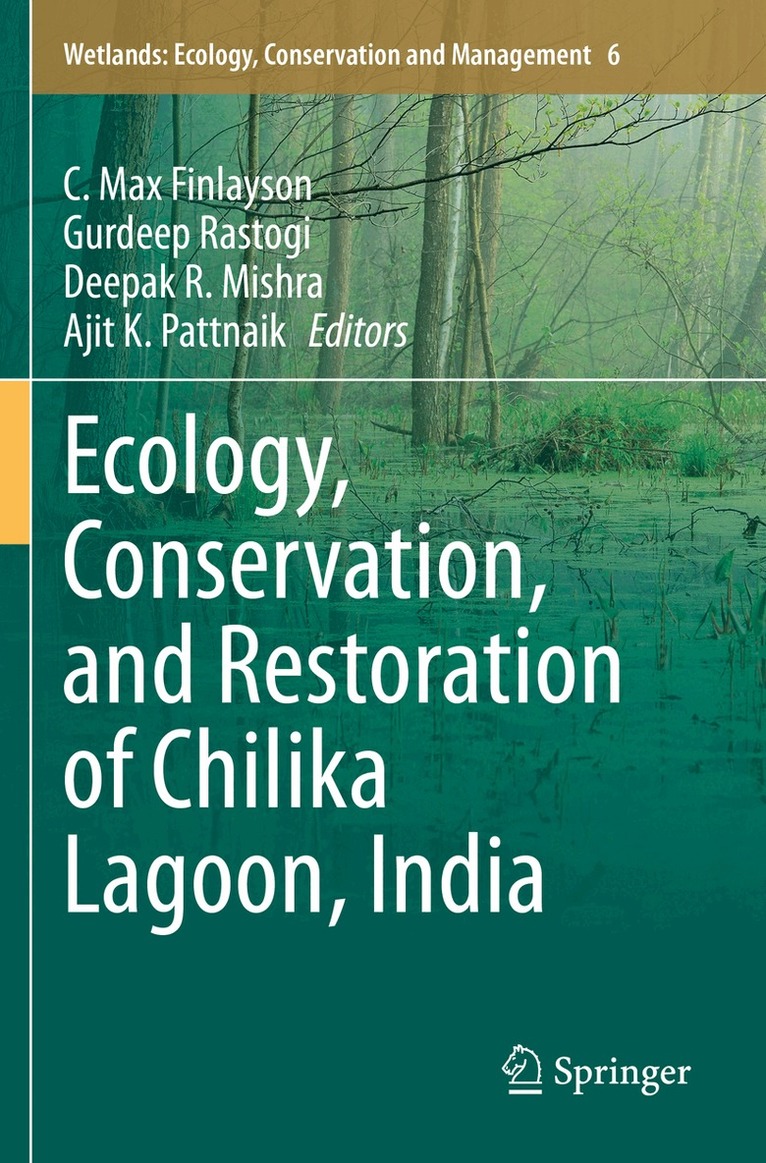
Ecology, Conservation, and Restoration of Chilika Lagoon, India
Av C. Max Finlayson, Gurdeep Rastogi m. fl.
Inbunden, 2020
1538 kr
Lägg i varukorg
This book chronicles the decades-long work of studying, analyzing, and reversing the environmental pressures that threatened India’s Chilika Lagoon, the largest brackish-water lagoon in the region, and the second largest in the world. Designated as one of India’s first Ramsar Sites in 1981, Chilika …
Ecology, Conservation, and Restoration of Chilika Lagoon, India
Av Ajit K. Pattnaik, Deepak R. Mishra m. fl.
E-bok, 2020
1961 kr
Lägg i varukorg
This book chronicles the decades-long work of studying, analyzing, and reversing the environmental pressures that threatened India’s Chilika Lagoon, the largest brackish-water lagoon in the region, and the second largest in the world. Designated as one of India’s first Ramsar Sites in 1981, Chilika …
Ecology, Conservation, and Restoration of Chilika Lagoon, India
Av C. Max Finlayson, Gurdeep Rastogi m. fl.
Häftad, 2021
1538 kr
Lägg i varukorg
This book chronicles the decades-long work of studying, analyzing, and reversing the environmental pressures that threatened India’s Chilika Lagoon, the largest brackish-water lagoon in the region, and the second largest in the world. Designated as one of India’s first Ramsar Sites in 1981, Chilika …