Deepshikha Shahi – författare
Visar alla böcker från författaren Deepshikha Shahi. Handla med fri frakt och snabb leverans.
12 produkter
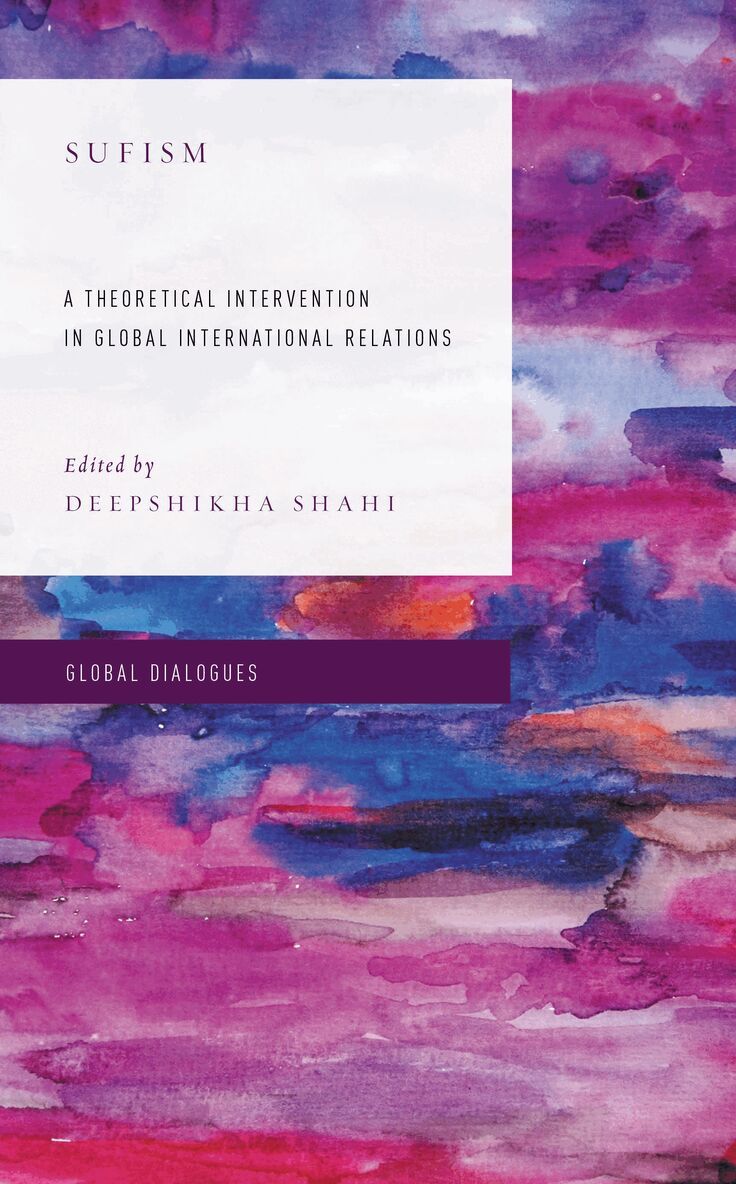
Sufism
A Theoretical Intervention in Global International Relations
Inbunden, 2020
1562 kr
Lägg i varukorg
In an effort to attain a ‘global’ character, the contemporary academic discipline of International Relations (IR) increasingly seeks to surpass its Eurocentric limits, thereby opening up pathways to incorporate non-Eurocentric worldviews. Lately, many of the non-Eurocentric worldviews have emerged …
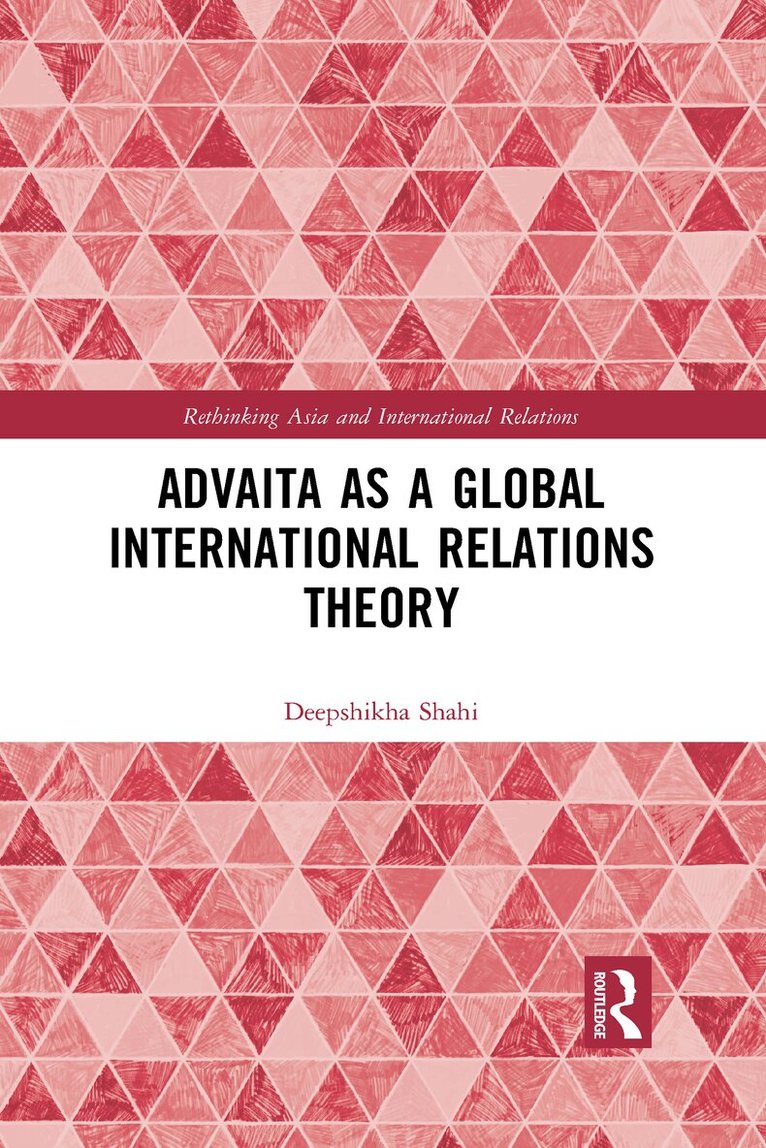
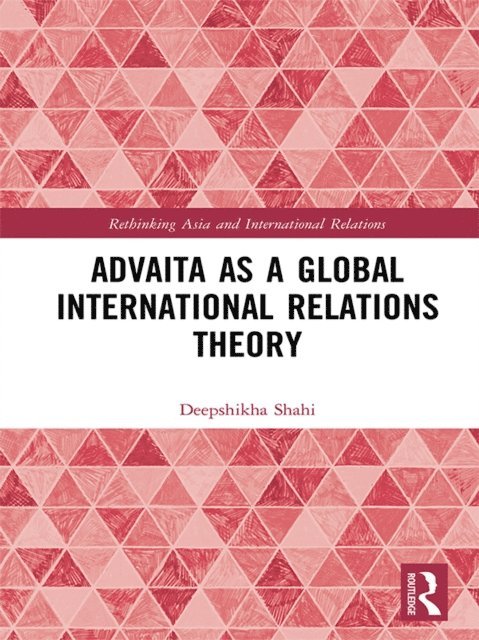
Advaita as a Global International Relations Theory
Häftad, 2021
691 kr
Lägg i varukorg
The academic discipline of International Relations strives to attain a ‘global’ spirit to narrow the cognitive gaps between the West and the Rest. On the one hand, there is the hegemonic presence of mainstream universalist Eurocentric IR theories, and on the other the counter-hegemonic presence of …
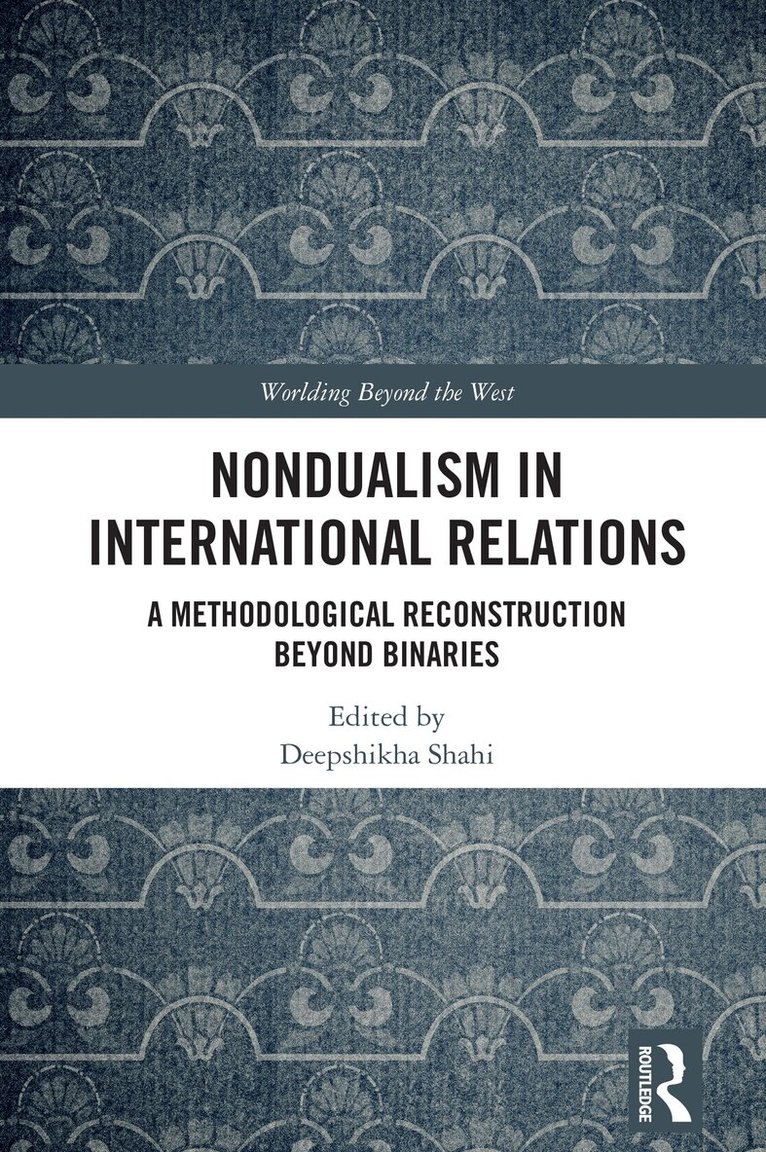
Nondualism in International Relations
A Methodological Reconstruction Beyond Binaries
Inbunden, 2026
2510 kr
Lägg i varukorg
Nondualism in International Relations: A Methodological Reconstruction Beyond Binaries examines how International Relations (IR) has long been structured by binary thinking—inside/outside, self/other, West/non-West, hierarchy/anarchy, and theory/practice. While recent approaches, including Global …
Advaita as a Global International Relations Theory
Inbunden, 2018
2510 kr
Lägg i varukorg
The academic discipline of International Relations strives to attain a ‘global’ spirit to narrow the cognitive gaps between the West and the Rest. On the one hand, there is the hegemonic presence of mainstream universalist Eurocentric IR theories, and on the other the counter-hegemonic presence of …
Advaita as a Global International Relations Theory
E-bok, 2018
796 kr
Lägg i varukorg
The academic discipline of International Relations strives to attain a ‘global’ spirit to narrow the cognitive gaps between the West and the Rest. On the one hand, there is the hegemonic presence of mainstream universalist Eurocentric IR theories, and on the other the counter-hegemonic presence …
Advaita as a Global International Relations Theory
E-bok, 2018
814 kr
Lägg i varukorg
The academic discipline of International Relations strives to attain a ‘global’ spirit to narrow the cognitive gaps between the West and the Rest. On the one hand, there is the hegemonic presence of mainstream universalist Eurocentric IR theories, and on the other the counter-hegemonic presence …
Understanding Post-9/11 Afghanistan
A Critical Insight into Huntington's Civilizational Approach
Häftad, 2017
279 kr
Lägg i varukorg
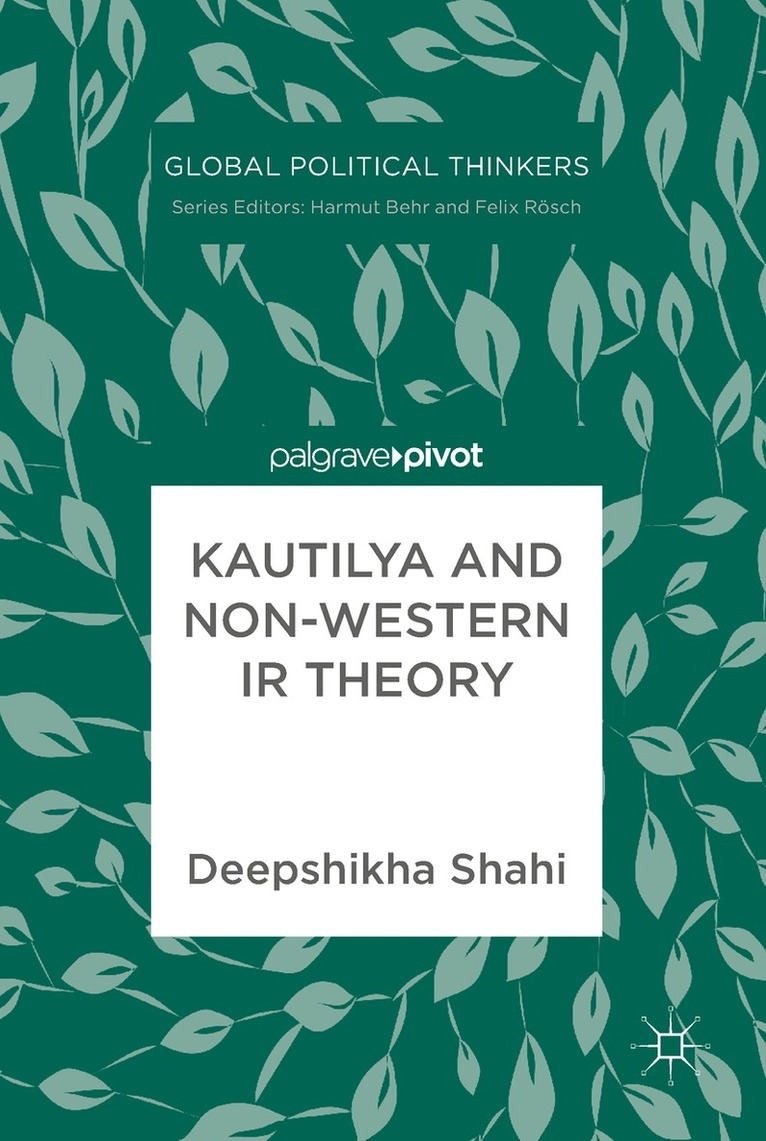
Kautilya and Non-Western IR Theory
Inbunden, 2018
605 kr
Lägg i varukorg
The ancient Indian text of Kautilya’s Arthaśāstra comes forth as a valuable non-Western resource for understanding contemporary International Relations (IR). However, Kautilya’s Arthaśāstra largely suffers from the problem of ‘presentism’, whereby present-day assumptions of the dominant theoretical …
Kautilya and Non-Western IR Theory
E-bok, 2018
797 kr
Lägg i varukorg
The ancient Indian text of Kautilya’s Arthaśāstra comes forth as a valuable non-Western resource for understanding contemporary International Relations (IR). However, Kautilya’s Arthaśāstra largely suffers from the problem of ‘presentism’, whereby present-day assumptions of the dominant theoretical …
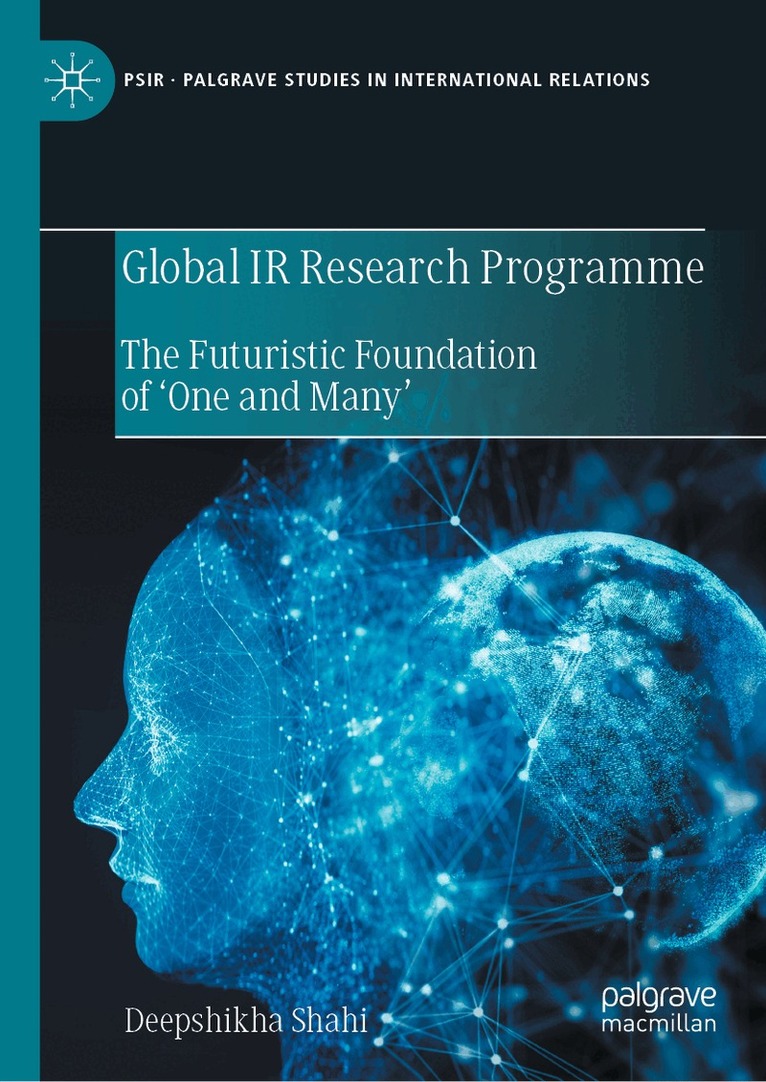
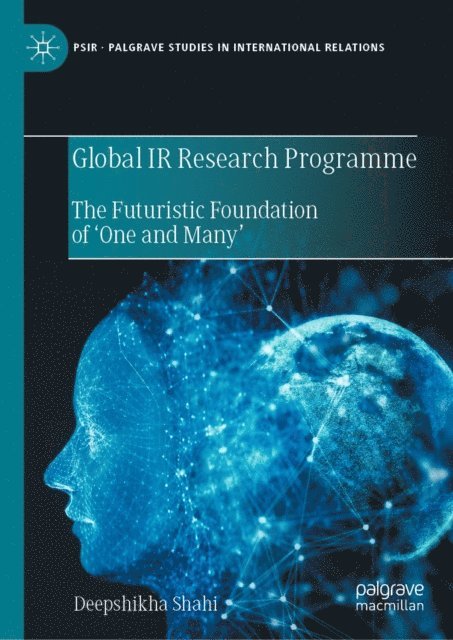
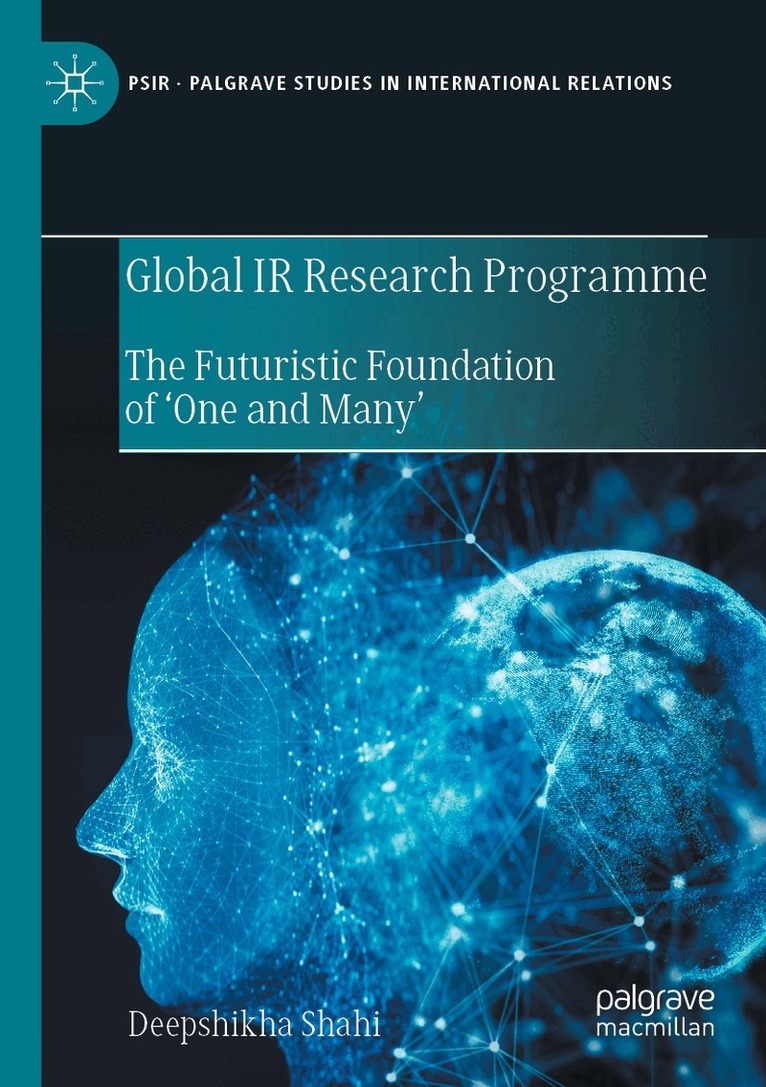
Global IR Research Programme
The Futuristic Foundation of ‘One and Many’
Inbunden, 2023
1312 kr
Lägg i varukorg
The Global IR research programme promulgates a borderless ecology of cultures that has only an inside without an outside. This borderless ecology of cultures reinvents the human condition (including the condition of ‘the international’) as perpetually interconnected at the level of consciousness. …
Global IR Research Programme
The Futuristic Foundation of ‘One and Many’
E-bok, 2023
1746 kr
Lägg i varukorg
The Global IR research programme promulgates a borderless ecology of cultures that has only an inside without an outside. This borderless ecology of cultures reinvents the human condition (including the condition of ‘the international’) as perpetually interconnected at the level of consciousness. …
Global IR Research Programme
The Futuristic Foundation of ‘One and Many’
Häftad, 2024
1312 kr
Lägg i varukorg
The Global IR research programme promulgates a borderless ecology of cultures that has only an inside without an outside. This borderless ecology of cultures reinvents the human condition (including the condition of ‘the international’) as perpetually interconnected at the level of consciousness. …