Deevyankar Agarwal – författare
836 kr
Läs direkt efter köp
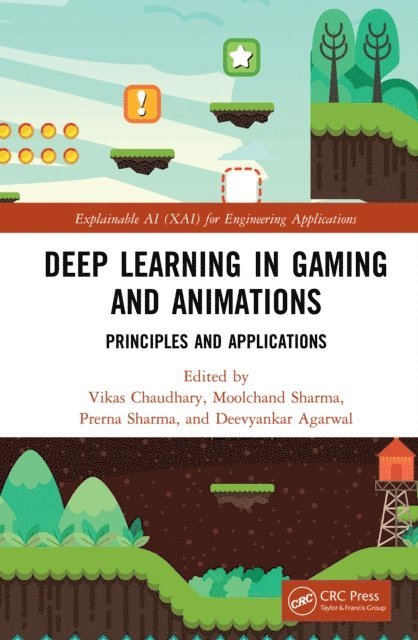
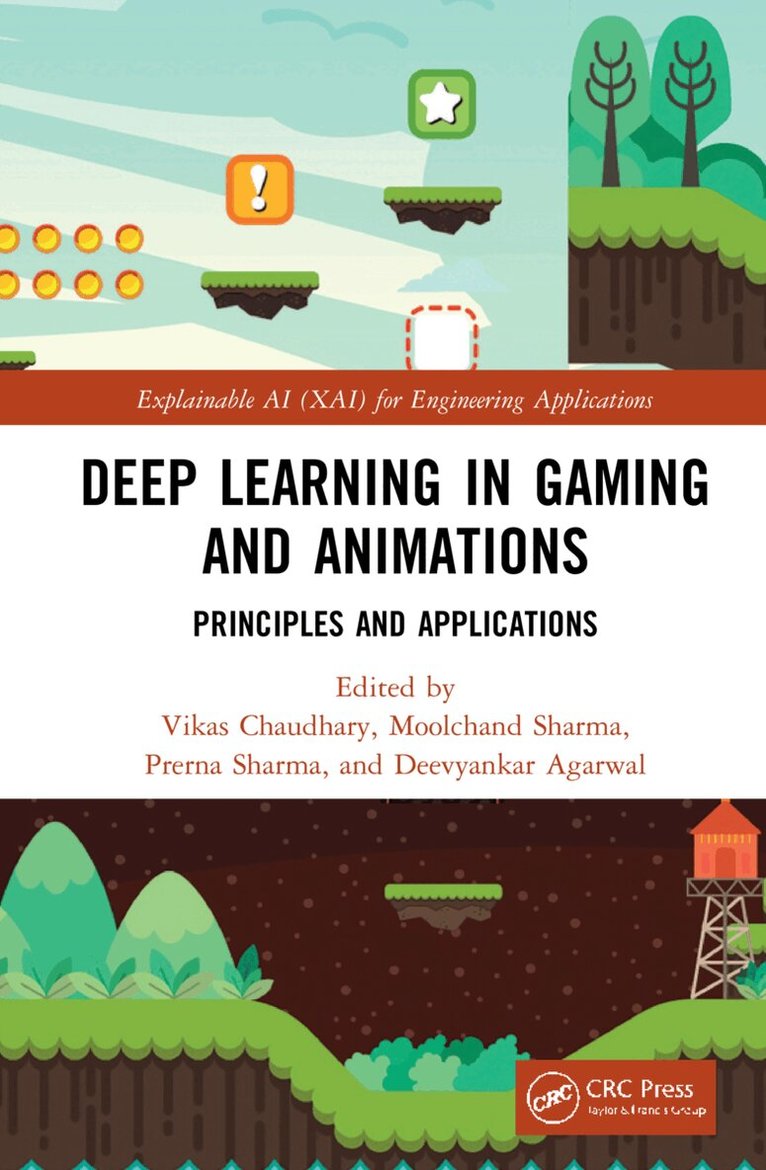
Over the last decade, progress in deep learning has had a profound and transformational effect on many complex problems, including speech recognition, machine translation, natural language understanding, and computer vision. As a result, computers can now achieve human-competitive performance in a wide range of perception and recognition tasks. Many of these systems are now available to the programmer via a range of so-called cognitive services. More recently, deep reinforcement learning has achieved ground-breaking success in several complex challenges.
This book makes an enormous contribution to this beautiful, vibrant area of study: an area that is developing rapidly both in breadth and depth. Deep learning can cope with a broader range of tasks (and perform those tasks to increasing levels of excellence). This book lays a good foundation for the core concepts and principles of deep learning in gaming and animation, walking you through the fundamental ideas with expert ease. This book progresses in a step-by-step manner. It reinforces theory with a full-fledged pedagogy designed to enhance students'' understanding and offer them a practical insight into its applications. Also, some chapters introduce and cover novel ideas about how artificial intelligence (AI), deep learning, and machine learning have changed the world in gaming and animation.
It gives us the idea that AI can also be applied in gaming, and there are limited textbooks in this area. This book comprehensively addresses all the aspects of AI and deep learning in gaming. Also, each chapter follows a similar structure so that students, teachers, and industry experts can orientate themselves within the text. There are few books in the field of gaming using AI. Deep Learning in Gaming and Animations teaches you how to apply the power of deep learning to build complex reasoning tasks. After being exposed to the foundations of machine and deep learning, you will use Python to build a bot and then teach it the game''s rules. This book also focuses on how different technologies have revolutionized gaming and animation with various illustrations.
836 kr
Läs direkt efter köp
Over the last decade, progress in deep learning has had a profound and transformational effect on many complex problems, including speech recognition, machine translation, natural language understanding, and computer vision. As a result, computers can now achieve human-competitive performance in a wide range of perception and recognition tasks. Many of these systems are now available to the programmer via a range of so-called cognitive services. More recently, deep reinforcement learning has achieved ground-breaking success in several complex challenges.
This book makes an enormous contribution to this beautiful, vibrant area of study: an area that is developing rapidly both in breadth and depth. Deep learning can cope with a broader range of tasks (and perform those tasks to increasing levels of excellence). This book lays a good foundation for the core concepts and principles of deep learning in gaming and animation, walking you through the fundamental ideas with expert ease. This book progresses in a step-by-step manner. It reinforces theory with a full-fledged pedagogy designed to enhance students'' understanding and offer them a practical insight into its applications. Also, some chapters introduce and cover novel ideas about how artificial intelligence (AI), deep learning, and machine learning have changed the world in gaming and animation.
It gives us the idea that AI can also be applied in gaming, and there are limited textbooks in this area. This book comprehensively addresses all the aspects of AI and deep learning in gaming. Also, each chapter follows a similar structure so that students, teachers, and industry experts can orientate themselves within the text. There are few books in the field of gaming using AI. Deep Learning in Gaming and Animations teaches you how to apply the power of deep learning to build complex reasoning tasks. After being exposed to the foundations of machine and deep learning, you will use Python to build a bot and then teach it the game''s rules. This book also focuses on how different technologies have revolutionized gaming and animation with various illustrations.
1 725 kr
Skickas inom 10-15 vardagar
694 kr
Skickas inom 10-15 vardagar
1 362 kr
Skickas inom 10-15 vardagar
740 kr
Skickas inom 10-15 vardagar
1 944 kr
Skickas inom 10-15 vardagar
766 kr
Kommande
909 kr
Läs direkt efter köp
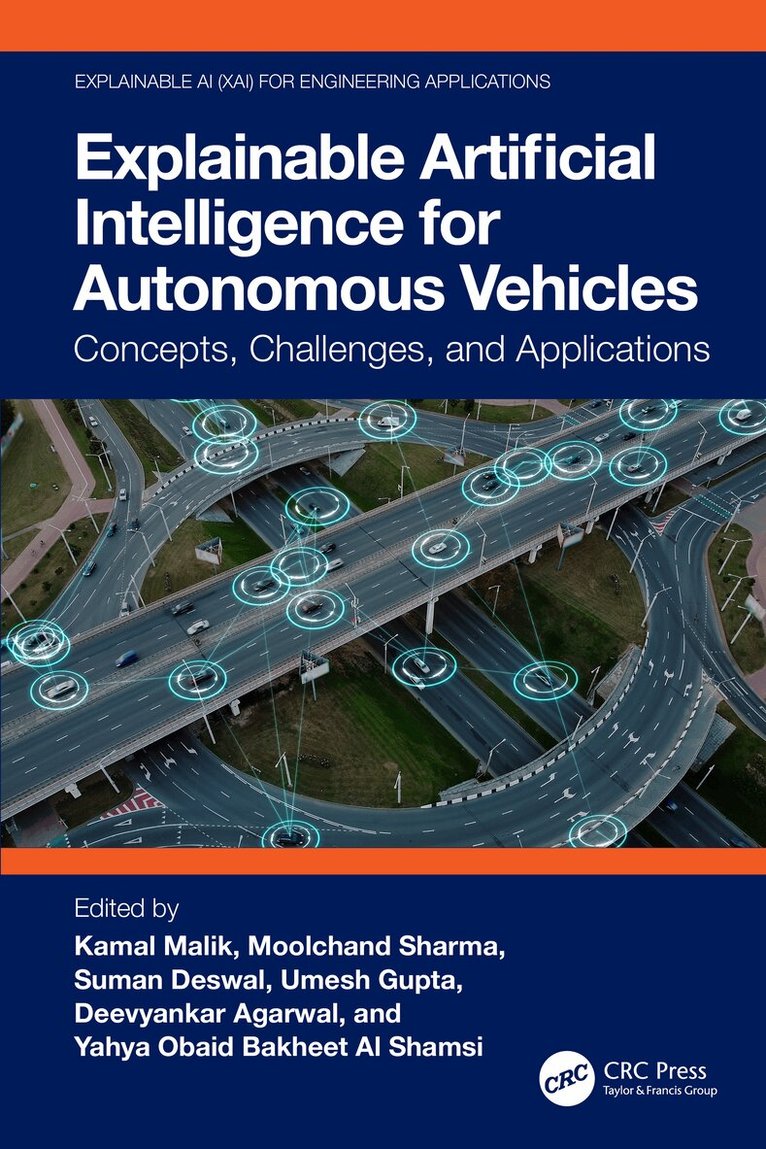
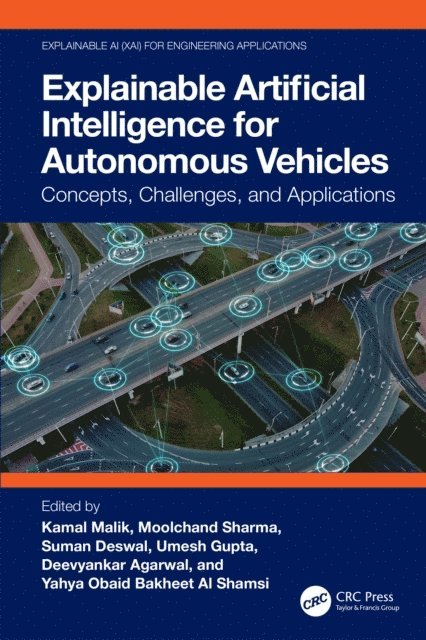
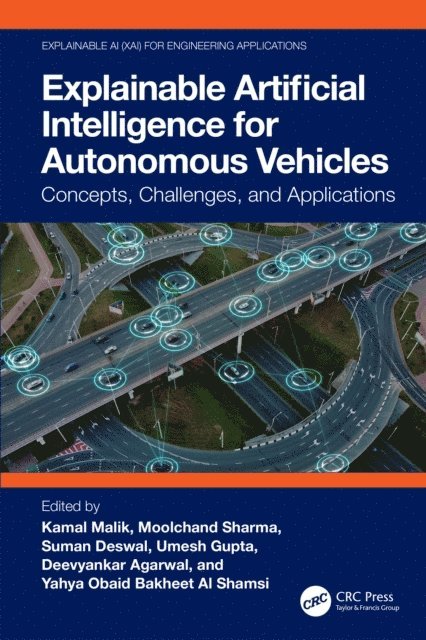
Explainable AI for Autonomous Vehicles: Concepts, Challenges, and Applications is a comprehensive guide to developing and applying explainable artificial intelligence (XAI) in the context of autonomous vehicles. It begins with an introduction to XAI and its importance in developing autonomous vehicles. It also provides an overview of the challenges and limitations of traditional black-box AI models and how XAI can help address these challenges by providing transparency and interpretability in the decision-making process of autonomous vehicles. The book then covers the state-of-the-art techniques and methods for XAI in autonomous vehicles, including model-agnostic approaches, post-hoc explanations, and local and global interpretability techniques. It also discusses the challenges and applications of XAI in autonomous vehicles, such as enhancing safety and reliability, improving user trust and acceptance, and enhancing overall system performance. Ethical and social considerations are also addressed in the book, such as the impact of XAI on user privacy and autonomy and the potential for bias and discrimination in XAI-based systems. Furthermore, the book provides insights into future directions and emerging trends in XAI for autonomous vehicles, such as integrating XAI with other advanced technologies like machine learning and blockchain and the potential for XAI to enable new applications and services in the autonomous vehicle industry. Overall, the book aims to provide a comprehensive understanding of XAI and its applications in autonomous vehicles to help readers develop effective XAI solutions that can enhance autonomous vehicle systems'' safety, reliability, and performance while improving user trust and acceptance.
This book:
Discusses authentication mechanisms for camera access, encryption protocols for data protection, and access control measures for camera systems. Showcases challenges such as integration with existing systems, privacy, and security concerns while implementing explainable artificial intelligence in autonomous vehicles. Covers explainable artificial intelligence for resource management, optimization, adaptive control, and decision-making. Explains important topics such as vehicle-to-vehicle (V2V) communication, vehicle-to-infrastructure (V2I) communication, remote monitoring, and control. Emphasizes enhancing safety, reliability, overall system performance, and improving user trust in autonomous vehicles.The book is intended to provide researchers, engineers, and practitioners with a comprehensive understanding of XAI''s key concepts, challenges, and applications in the context of autonomous vehicles. It is primarily written for senior undergraduate, graduate students, and academic researchers in the fields of electrical engineering, electronics and communication engineering, computer science and engineering, information technology, and automotive engineering.
909 kr
Läs direkt efter köp
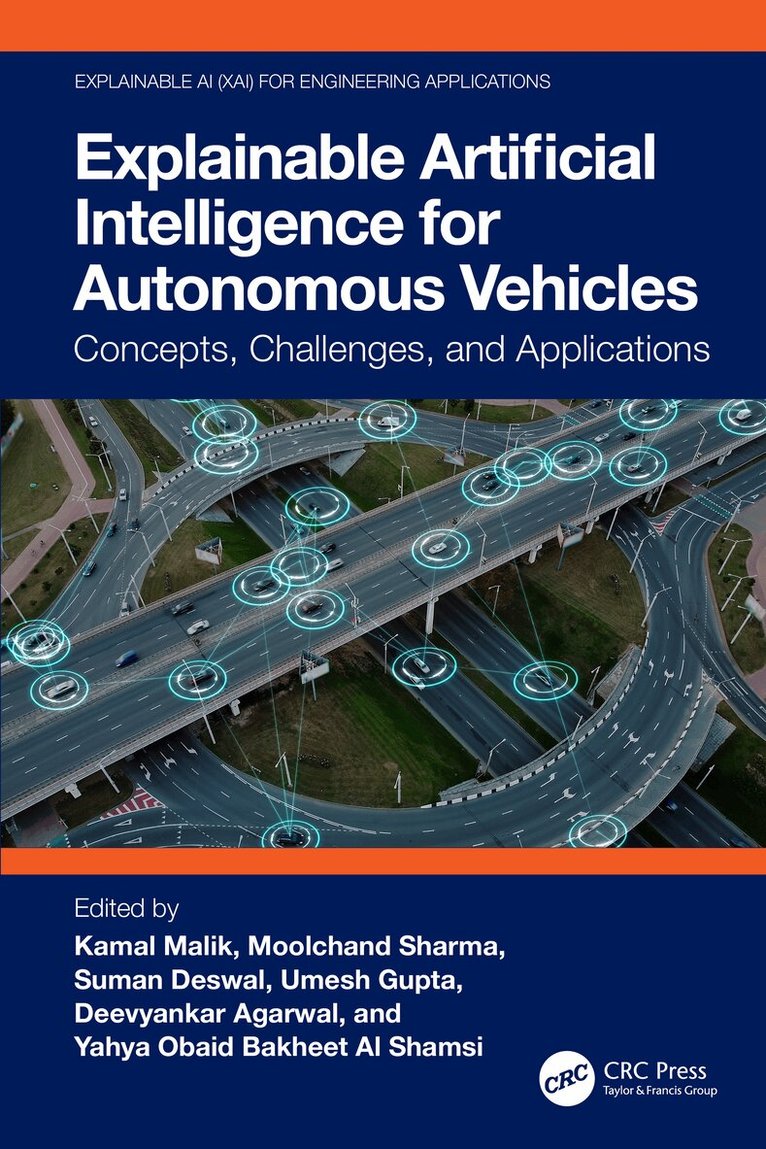
Explainable AI for Autonomous Vehicles: Concepts, Challenges, and Applications is a comprehensive guide to developing and applying explainable artificial intelligence (XAI) in the context of autonomous vehicles. It begins with an introduction to XAI and its importance in developing autonomous vehicles. It also provides an overview of the challenges and limitations of traditional black-box AI models and how XAI can help address these challenges by providing transparency and interpretability in the decision-making process of autonomous vehicles. The book then covers the state-of-the-art techniques and methods for XAI in autonomous vehicles, including model-agnostic approaches, post-hoc explanations, and local and global interpretability techniques. It also discusses the challenges and applications of XAI in autonomous vehicles, such as enhancing safety and reliability, improving user trust and acceptance, and enhancing overall system performance. Ethical and social considerations are also addressed in the book, such as the impact of XAI on user privacy and autonomy and the potential for bias and discrimination in XAI-based systems. Furthermore, the book provides insights into future directions and emerging trends in XAI for autonomous vehicles, such as integrating XAI with other advanced technologies like machine learning and blockchain and the potential for XAI to enable new applications and services in the autonomous vehicle industry. Overall, the book aims to provide a comprehensive understanding of XAI and its applications in autonomous vehicles to help readers develop effective XAI solutions that can enhance autonomous vehicle systems'' safety, reliability, and performance while improving user trust and acceptance.
This book:
Discusses authentication mechanisms for camera access, encryption protocols for data protection, and access control measures for camera systems. Showcases challenges such as integration with existing systems, privacy, and security concerns while implementing explainable artificial intelligence in autonomous vehicles. Covers explainable artificial intelligence for resource management, optimization, adaptive control, and decision-making. Explains important topics such as vehicle-to-vehicle (V2V) communication, vehicle-to-infrastructure (V2I) communication, remote monitoring, and control. Emphasizes enhancing safety, reliability, overall system performance, and improving user trust in autonomous vehicles.The book is intended to provide researchers, engineers, and practitioners with a comprehensive understanding of XAI''s key concepts, challenges, and applications in the context of autonomous vehicles. It is primarily written for senior undergraduate, graduate students, and academic researchers in the fields of electrical engineering, electronics and communication engineering, computer science and engineering, information technology, and automotive engineering.
944 kr
Läs direkt efter köp
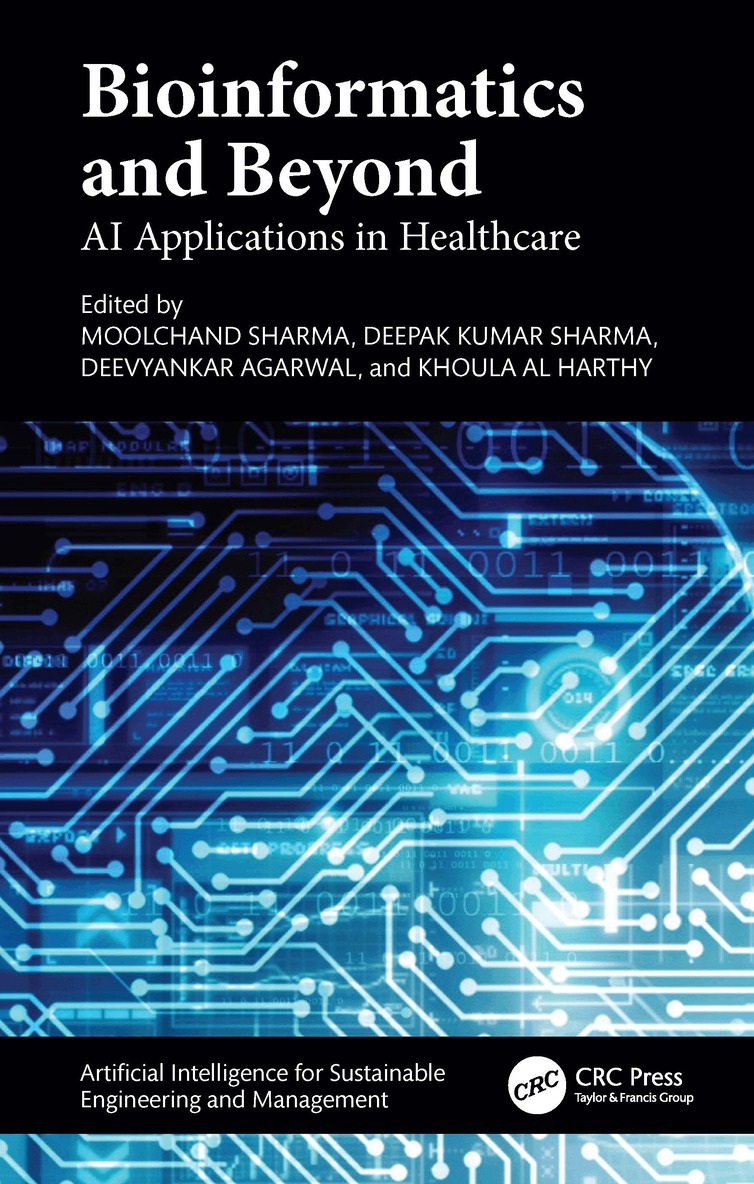
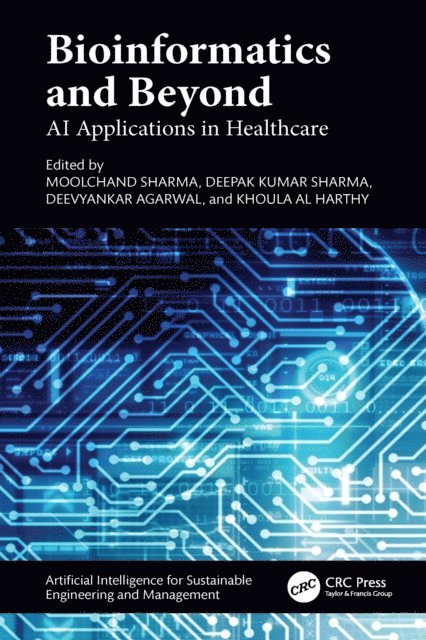
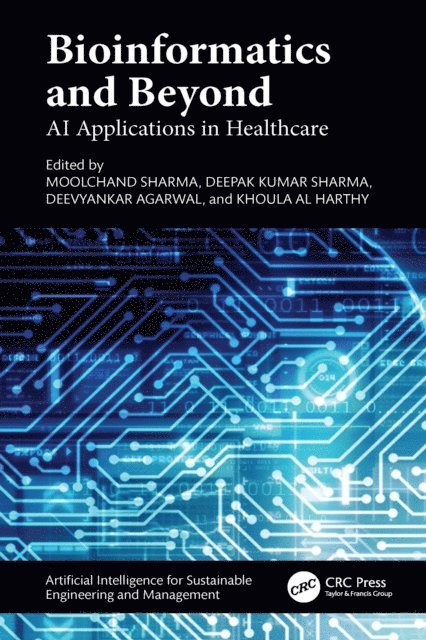
This book is a comprehensive exploration of the dynamic interplay between bioinformatics and artificial intelligence (AI) within the healthcare landscape. This book introduces readers to the foundational principles of bioinformatics and AI, elucidating their integration and collaborative potential.
Bioinformatics and Beyond: AI Applications in Healthcare explores the transformative impact of data-driven insights, showcasing the applications of machine learning in diagnostics, personalized medicine, and genomic advancements. The book unveils the pivotal role AI plays in accelerating pharmaceutical research. Moreover, it addresses the practical implementation of AI in clinical decision support systems, while also critically examining challenges and ethical considerations associated with these technologies. Finally, the book looks toward the future, envisioning emerging trends and technologies that promise to reshape the future of healthcare. Aimed at professionals, researchers, and students across diverse disciplines, this book serves as an invaluable guide to understanding and navigating the evolving landscape of AI applications in healthcare.
This book is tailored to meet the needs of scientists, researchers, practitioners, professionals, and educators actively engaged in the realms of bioinformatics, artificial intelligence, and healthcare. It will be an indispensable resource for those seeking advanced strategies to address challenges and harness opportunities in the rapidly evolving fields of medical and biomedical research.
936 kr
Läs direkt efter köp
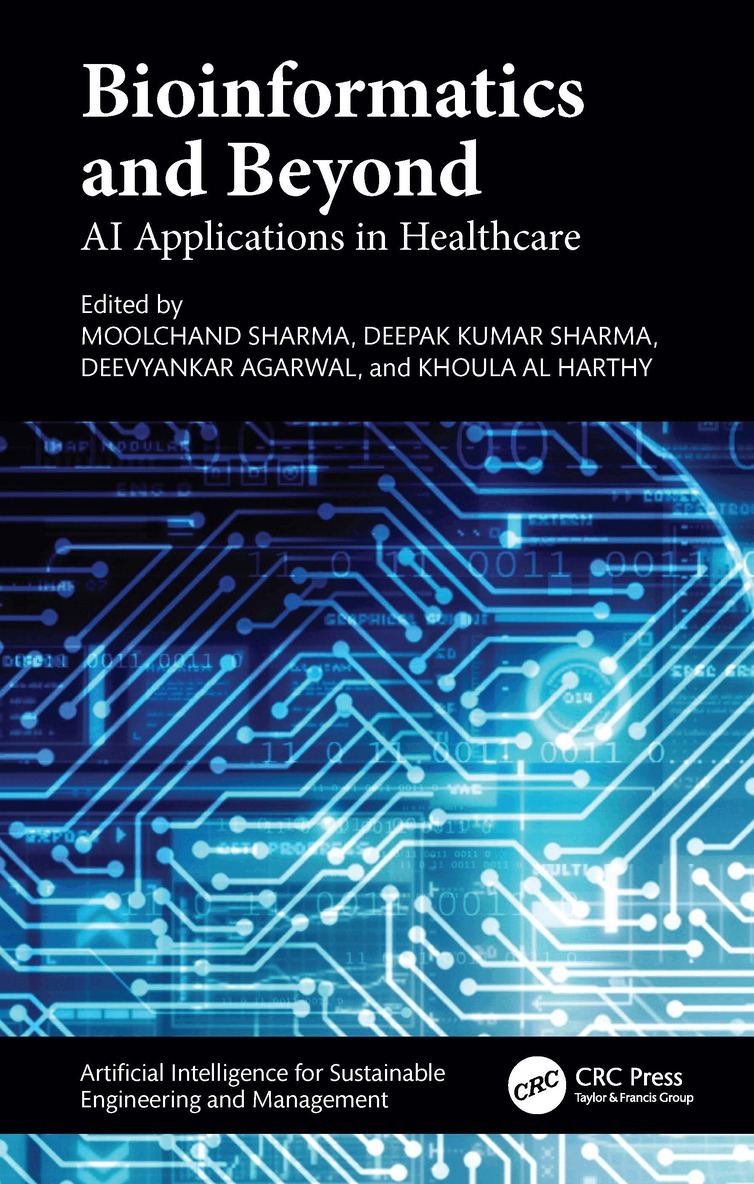
This book is a comprehensive exploration of the dynamic interplay between bioinformatics and artificial intelligence (AI) within the healthcare landscape. This book introduces readers to the foundational principles of bioinformatics and AI, elucidating their integration and collaborative potential.
Bioinformatics and Beyond: AI Applications in Healthcare explores the transformative impact of data-driven insights, showcasing the applications of machine learning in diagnostics, personalized medicine, and genomic advancements. The book unveils the pivotal role AI plays in accelerating pharmaceutical research. Moreover, it addresses the practical implementation of AI in clinical decision support systems, while also critically examining challenges and ethical considerations associated with these technologies. Finally, the book looks toward the future, envisioning emerging trends and technologies that promise to reshape the future of healthcare. Aimed at professionals, researchers, and students across diverse disciplines, this book serves as an invaluable guide to understanding and navigating the evolving landscape of AI applications in healthcare.
This book is tailored to meet the needs of scientists, researchers, practitioners, professionals, and educators actively engaged in the realms of bioinformatics, artificial intelligence, and healthcare. It will be an indispensable resource for those seeking advanced strategies to address challenges and harness opportunities in the rapidly evolving fields of medical and biomedical research.