Deirdre Golash – Författare
Visar alla böcker från författaren Deirdre Golash. Handla med fri frakt och snabb leverans.
4 produkter
4 produkter
1 157 kr
Skickas inom 10-15 vardagar
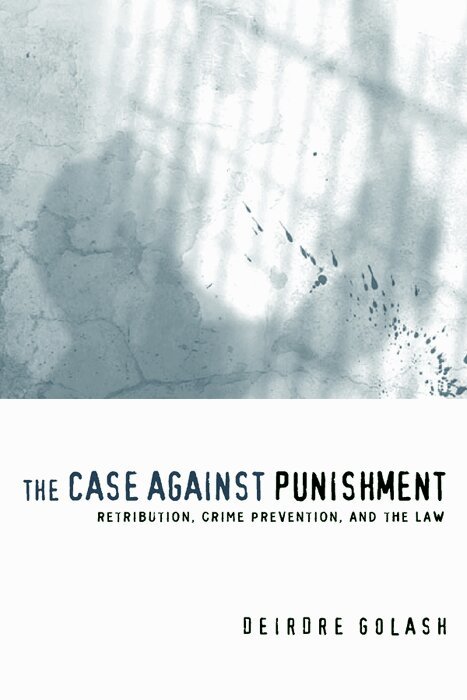
What ends do we expect and hope to serve in punishing criminal wrongdoers? Does the punishment of offenders do more harm than good for American society? In The Case against Punishment, Deirdre Golash addresses these and other questions about the value of punishment in contemporary society.Drawing on both empirical evidence and philosophical literature, this book argues that the harm done by punishing criminal offenders is ultimately morally unjustified. Asserting that punishment inflicts both intended and unintended harms on offenders, Golash suggests that crime can be reduced by addressing social problems correlated with high crime rates, such as income inequality and local social disorganization. Punishment may reduce crime, but in so doing, causes a comparable amount of harm to offenders. Instead, Golash suggests, we should address criminal acts through trial, conviction, and compensation to the victim, while also providing the criminal with the opportunity to reconcile with society through morally good action rather than punishment.
350 kr
Skickas inom 7-10 vardagar
What ends do we expect and hope to serve in punishing criminal wrongdoers? Does the punishment of offenders do more harm than good for American society? In The Case against Punishment, Deirdre Golash addresses these and other questions about the value of punishment in contemporary society.Drawing on both empirical evidence and philosophical literature, this book argues that the harm done by punishing criminal offenders is ultimately morally unjustified. Asserting that punishment inflicts both intended and unintended harms on offenders, Golash suggests that crime can be reduced by addressing social problems correlated with high crime rates, such as income inequality and local social disorganization. Punishment may reduce crime, but in so doing, causes a comparable amount of harm to offenders. Instead, Golash suggests, we should address criminal acts through trial, conviction, and compensation to the victim, while also providing the criminal with the opportunity to reconcile with society through morally good action rather than punishment.
977 kr
Skickas inom 10-15 vardagar
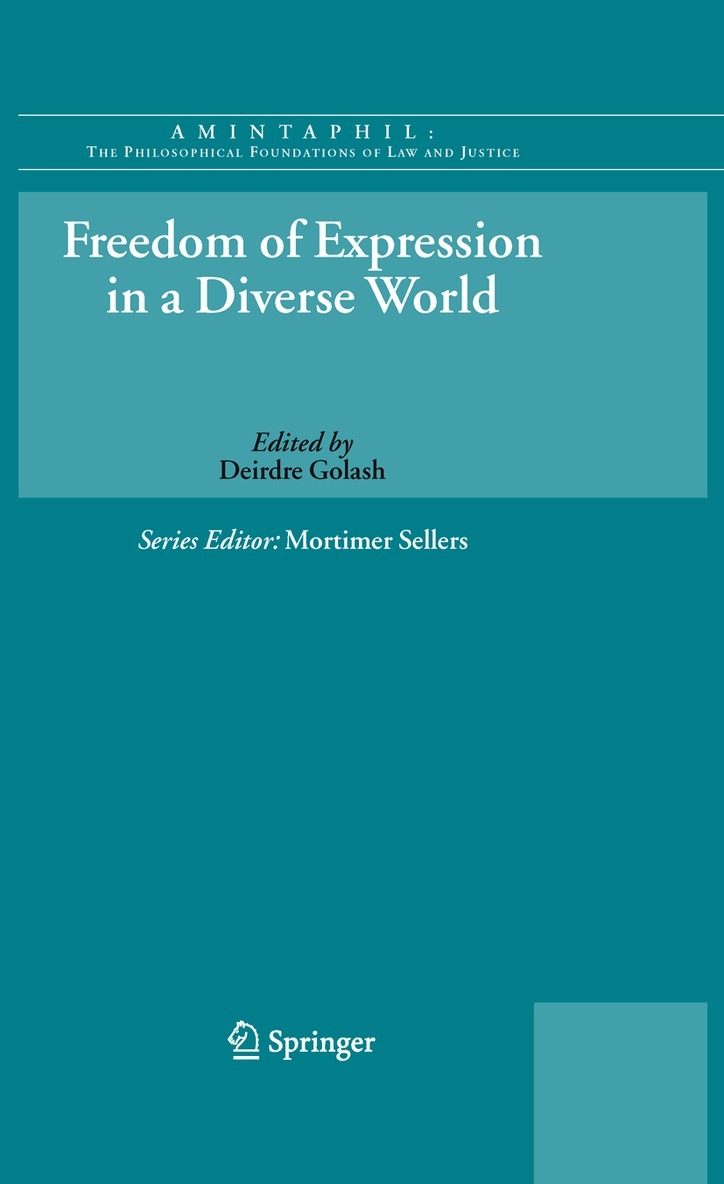
The essays in this volume consider issues at the intersection of freedom of expression and racial, cultural, and gender diversity. The claims of those whose cultures and beliefs differ from our own are no longer the exclusive province of diplomats, as the Danish newspaper that published cartoons ridiculing Mohammed quickly learned. Negotiating the claims of freedom of expression as they come into open conflict with a wide diversity of viewpoints, both domestically and internationally, has become an increasingly complex task. The present volume seeks both to provide fresh insight into the philosophical grounds for limiting government restriction of expression and to address current tensions between freedom of expression and pluralism. The suppression of ideas by government is no doubt as old as government itself. Ideas help to keep governments in power, and opposing ideas can help them to lose it. As well, through most of the history of the world, the belief that some know b- ter than others what is true, what is right, and what is valuable has been sufficiently widespread to make it seem natural for those betters to dictate for the rest what they should believe. Just as clerics did not hesitate to dictate to their congregations, Christians did not hesitate to impose their beliefs on non-Christians in order to save their souls.
977 kr
Skickas inom 10-15 vardagar
The essays in this volume consider issues at the intersection of freedom of expression and racial, cultural, and gender diversity. The claims of those whose cultures and beliefs differ from our own are no longer the exclusive province of diplomats, as the Danish newspaper that published cartoons ridiculing Mohammed quickly learned. Negotiating the claims of freedom of expression as they come into open conflict with a wide diversity of viewpoints, both domestically and internationally, has become an increasingly complex task. The present volume seeks both to provide fresh insight into the philosophical grounds for limiting government restriction of expression and to address current tensions between freedom of expression and pluralism. The suppression of ideas by government is no doubt as old as government itself. Ideas help to keep governments in power, and opposing ideas can help them to lose it. As well, through most of the history of the world, the belief that some know b- ter than others what is true, what is right, and what is valuable has been sufficiently widespread to make it seem natural for those betters to dictate for the rest what they should believe. Just as clerics did not hesitate to dictate to their congregations, Christians did not hesitate to impose their beliefs on non-Christians in order to save their souls.