Delia Malia Caparoso Konzett - Böcker
Visar alla böcker från författaren Delia Malia Caparoso Konzett. Handla med fri frakt och snabb leverans.
4 produkter
4 produkter
425 kr
Skickas inom 7-10 vardagar
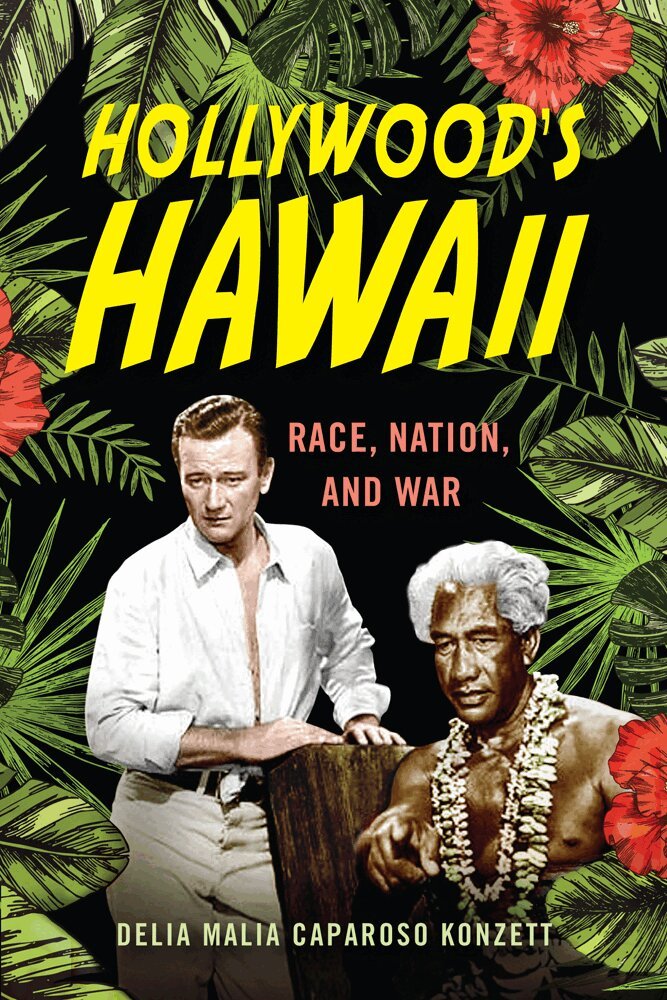
Whether presented as exotic fantasy, a strategic location during World War II, or a site combining postwar leisure with military culture, Hawaii and the South Pacific figure prominently in the U.S. national imagination. Hollywood’s Hawaii is the first full-length study of the film industry’s intense engagement with the Pacific region from 1898 to the present. Delia Malia Caparoso Konzett highlights films that mirror the cultural and political climate of the country over more than a century-from the era of U.S. imperialism on through Jim Crow racial segregation, the attack on Pearl Harbor and WWII, the civil rights movement, the contemporary articulation of consumer and leisure culture, as well as the buildup of the modern military industrial complex. Focusing on important cultural questions pertaining to race, nationhood, and war, Konzett offers a unique view of Hollywood film history produced about the national periphery for mainland U.S. audiences. Hollywood’s Hawaii presents a history of cinema that examines Hawaii and the Pacific and its representations in film in the context of colonialism, war, Orientalism, occupation, military buildup, and entertainment.
1 680 kr
Skickas inom 7-10 vardagar
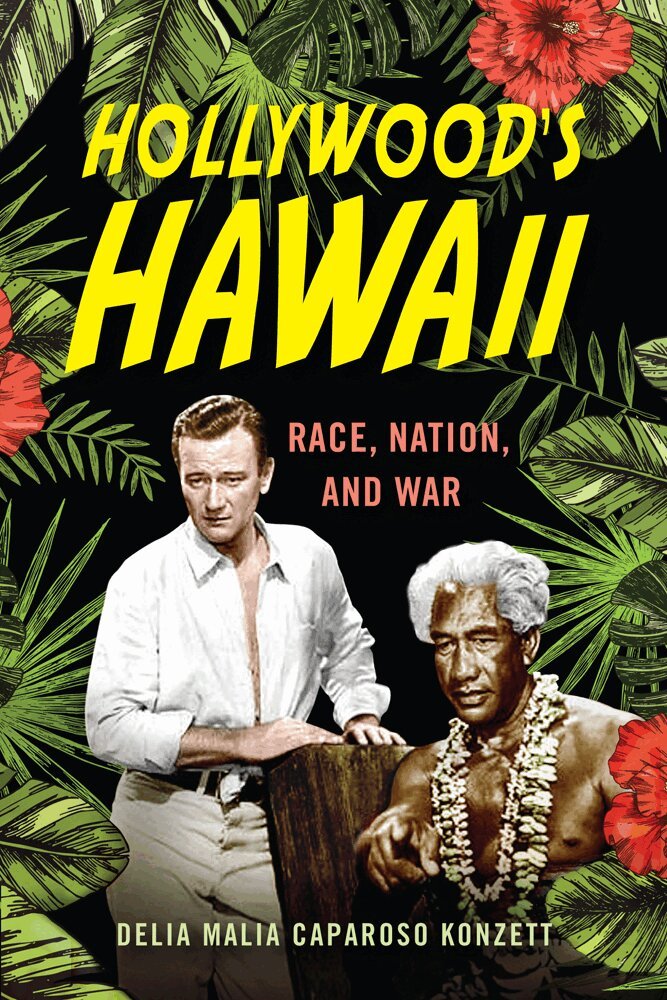
Whether presented as exotic fantasy, a strategic location during World War II, or a site combining postwar leisure with military culture, Hawaii and the South Pacific figure prominently in the U.S. national imagination. Hollywood’s Hawaii is the first full-length study of the film industry’s intense engagement with the Pacific region from 1898 to the present. Delia Malia Caparoso Konzett highlights films that mirror the cultural and political climate of the country over more than a century-from the era of U.S. imperialism on through Jim Crow racial segregation, the attack on Pearl Harbor and WWII, the civil rights movement, the contemporary articulation of consumer and leisure culture, as well as the buildup of the modern military industrial complex. Focusing on important cultural questions pertaining to race, nationhood, and war, Konzett offers a unique view of Hollywood film history produced about the national periphery for mainland U.S. audiences. Hollywood’s Hawaii presents a history of cinema that examines Hawaii and the Pacific and its representations in film in the context of colonialism, war, Orientalism, occupation, military buildup, and entertainment.
414 kr
Skickas inom 7-10 vardagar
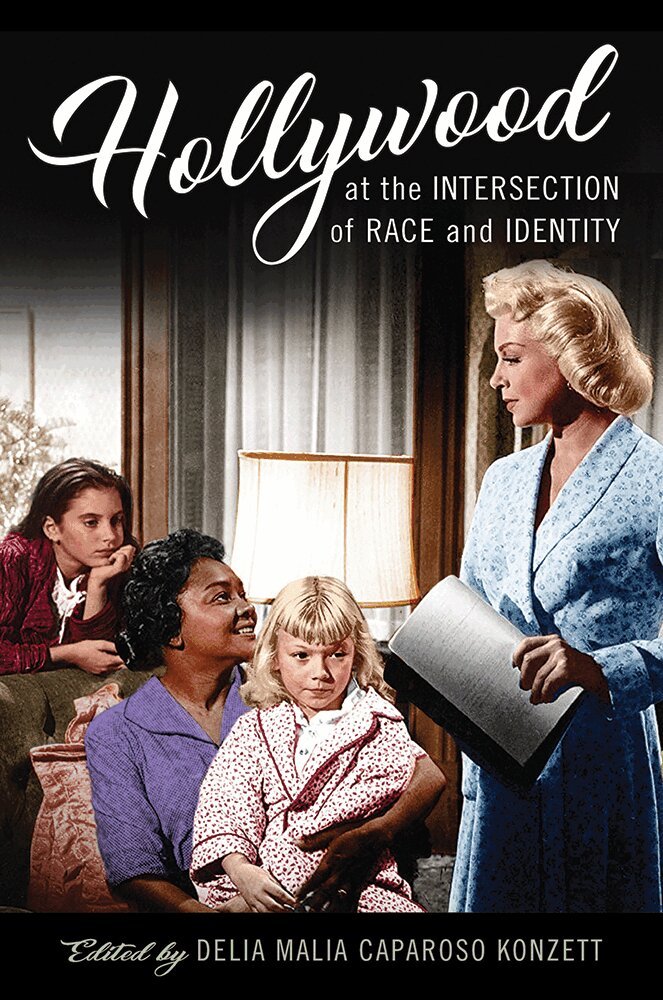
Hollywood at the Intersection of Race and Identity explores the ways Hollywood represents race, gender, class, and nationality at the intersection of aesthetics and ideology and its productive tensions. This collection of essays asks to what degree can a close critical analysis of films, that is, reading them against their own ideological grain, reveal contradictions and tensions in Hollywood’s task of erecting normative cultural standards? How do some films perhaps knowingly undermine their inherent ideology by opening a field of conflicting and competing intersecting identities? The challenge set out in this volume is to revisit well-known films in search for a narrative not exclusively constituted by the Hollywood formula and to answer the questions: What lies beyond the frame? What elements contradict a film’s sustained illusion of a normative world? Where do films betray their own ideology and most importantly what intersectional spaces of identity do they reveal or conceal?
1 582 kr
Skickas inom 7-10 vardagar
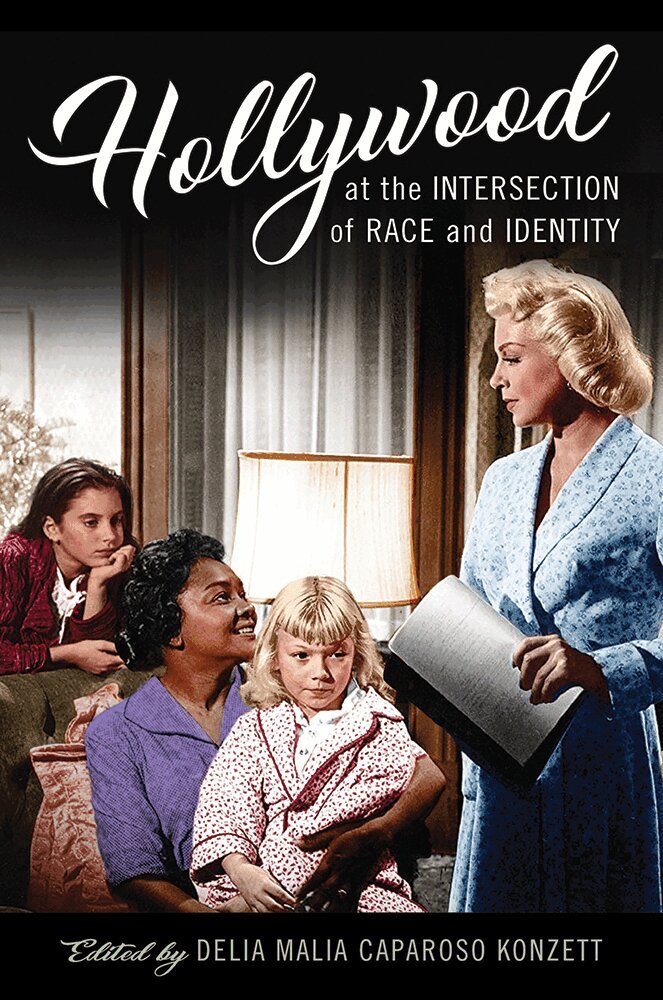
Hollywood at the Intersection of Race and Identity explores the ways Hollywood represents race, gender, class, and nationality at the intersection of aesthetics and ideology and its productive tensions. This collection of essays asks to what degree can a close critical analysis of films, that is, reading them against their own ideological grain, reveal contradictions and tensions in Hollywood’s task of erecting normative cultural standards? How do some films perhaps knowingly undermine their inherent ideology by opening a field of conflicting and competing intersecting identities? The challenge set out in this volume is to revisit well-known films in search for a narrative not exclusively constituted by the Hollywood formula and to answer the questions: What lies beyond the frame? What elements contradict a film’s sustained illusion of a normative world? Where do films betray their own ideology and most importantly what intersectional spaces of identity do they reveal or conceal?