Deng Xiaomang – författare
Visar alla böcker från författaren Deng Xiaomang. Handla med fri frakt och snabb leverans.
8 produkter
8 produkter
7 458 kr
Skickas inom 10-15 vardagar
The three-volume set gives new insights into Hegel's dialectics and thereby his overall philosophical thought via a retracing of the origins of dialectics and an analysis of its logic structure, with the concept of the Nous highlighted as fundamental to this.The first volume explores two origins of Hegelian dialectics from ancient Greek philosophy, namely the linguistic spirit of Logos and the existentialist spirit of Nous, before illuminating how their binary opposition, division and unification constitutes the inner tension of Hegel's dialectics and developing into the forms of thought that fashion the history of western philosophy. Focusing on self-negation and reflective form of dialectics, and representing spirits of Nous and Logos respectively, the second volume further explores their core functions in terms of subjectivity, free spirit and practicality. In the final volume, the author defines Hegel's dialectics as "a unity of three": logic, epistemology and ontology. This unification and the interrelation of three components demonstrates the internal feature of Hegel's dialectics as well as the connection and divergence between Hegel and Marx's philosophical thought.The set will appeal to scholars and students interested in Hegel and Marx's philosophy, German classical philosophy and Western philosophy.
2 026 kr
Skickas inom 10-15 vardagar
The three-volume set gives new insights into Hegel's dialectics and thereby his overall philosophical thought via a retracing of the origins of dialectics and an analysis of its logic structure, with the concept of the Nous highlighted as fundamental to this.The first volume explores two origins of Hegelian dialectics from ancient Greek philosophy, namely the linguistic spirit of Logos and the existentialist spirit of Nous, before illuminating how their binary opposition, division and unification constitutes the inner tension of Hegel's dialectics and developing into the forms of thought that fashion the history of western philosophy. Focusing on self-negation and reflective form of dialectics, and representing spirits of Nous and Logos respectively, the second volume further explores their core functions in terms of subjectivity, free spirit and practicality. In the final volume, the author defines Hegel's dialectics as "a unity of three": logic, epistemology and ontology. This unification and the interrelation of three components demonstrates the internal feature of Hegel's dialectics as well as the connection and divergence between Hegel and Marx's philosophical thought.The set will appeal to scholars and students interested in Hegel and Marx's philosophy, German classical philosophy and Western philosophy.
2 113 kr
Skickas inom 10-15 vardagar
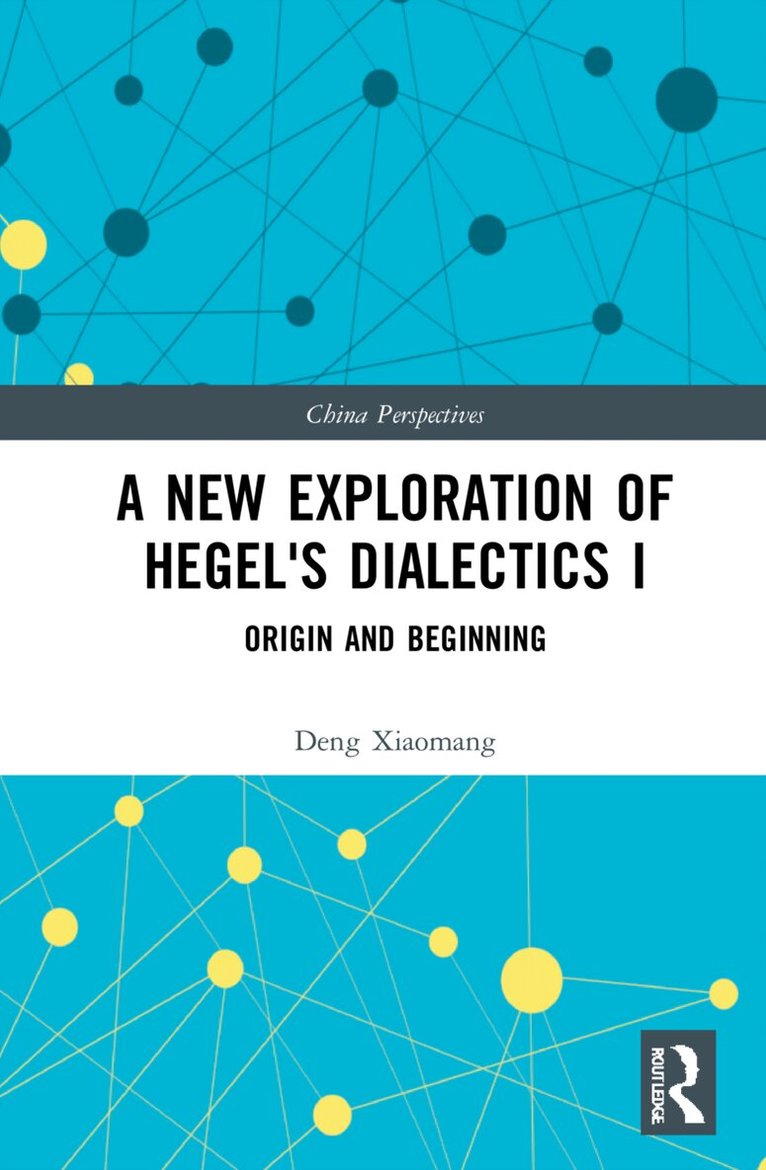
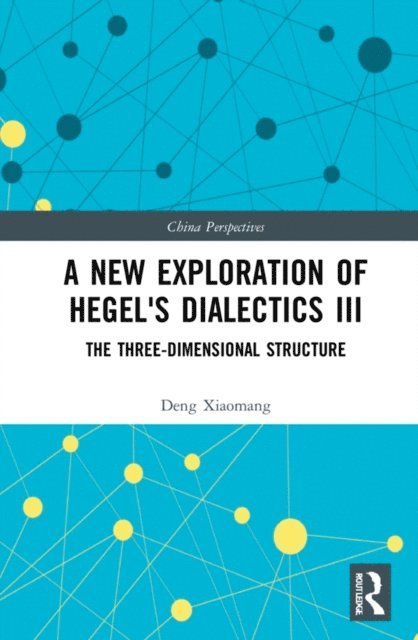
This volume reinterprets Hegelian dialectics via an exploration of the two origins of dialectics and illuminates how they constitute the inner tension at the heart of the philosophical system, developing into the forms of thought that fashion the history of western philosophy.As the first volume of a three-volume set that gives insights into Hegel's dialectics and thereby his overall philosophical thought, the book considers the linguistics spirit of logos and the existentialist spirit of nous in Greek philosophy as the two origins of Hegelian dialectics. The author argues that the two spirits form a dialectical unity of opposites and constitute the inner tension at the heart of the belief system. Based on this tension, this volume explains Hegel's problem of beginning that has the sense composed of both the starting point of logic and that of consciousness. Beginning in this twofold sense shapes dimensions of his methodology: immediacy and mediacy, the path of doubt and the path of truth, the linguistics lever and the existential lever.The title will appeal to scholars and students interested in Hegel and Marx's philosophy, German classical philosophy and Western philosophy.
2 113 kr
Skickas inom 10-15 vardagar
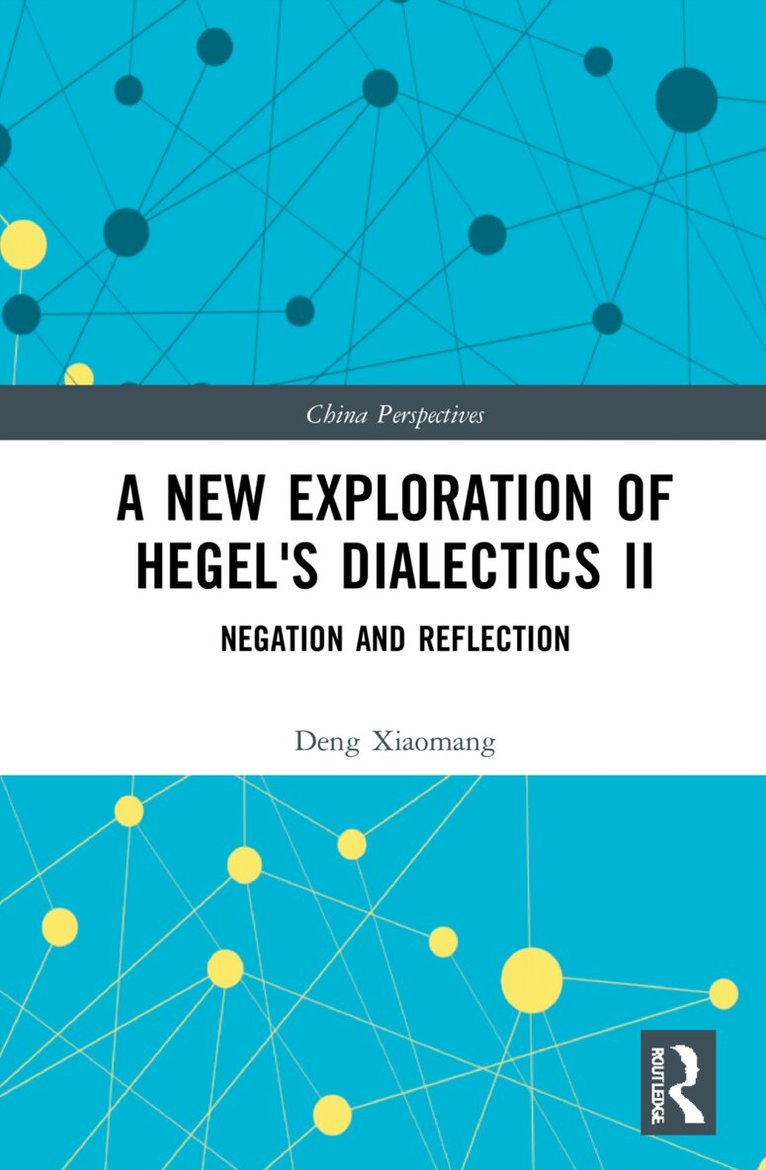
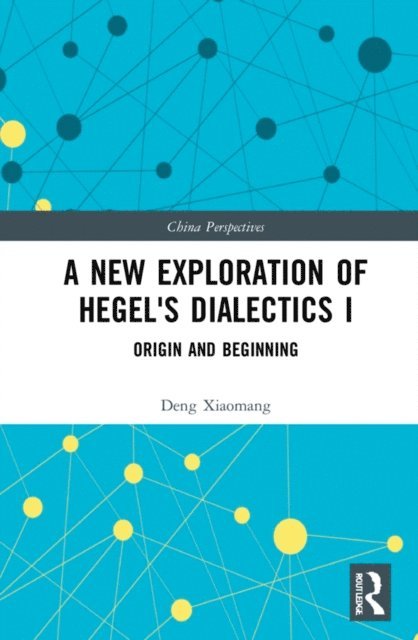
Focusing on the self-negation and reflective forms of Hegel's dialectics, and representing the spirit of nous and logos respectively, this volume explores core functions in the subjectivity, free spirit and practicality of Hegelian dialectics.As the second volume of a three-volume set that gives insights into Hegel's dialectics and thereby his overall philosophical thought, the book proposes and discusses the soul and form of Hegelian dialectics. As the soul of Hegel's dialectics, which represents the spirit of nous, self-negation plays a fundamental role in Hegel's philosophy, and all other dialectical laws derive from this core principle, with which the subjectivity and free spirit of Hegel's dialectics take shape along with their essential practicality. The form of expression belonging to this negative dialectic as such is the reflective mode of thinking that represents the spirit of logos, and it is this reflective mode of thinking that follows the logical procedure of "reflecting on reflection," rendering the progression of Hegel's dialectical subject lawful, rational and logical. The title will appeal to scholars and students interested in Hegel's and Marx's philosophy, German classical philosophy and Western philosophy.
2 113 kr
Skickas inom 10-15 vardagar
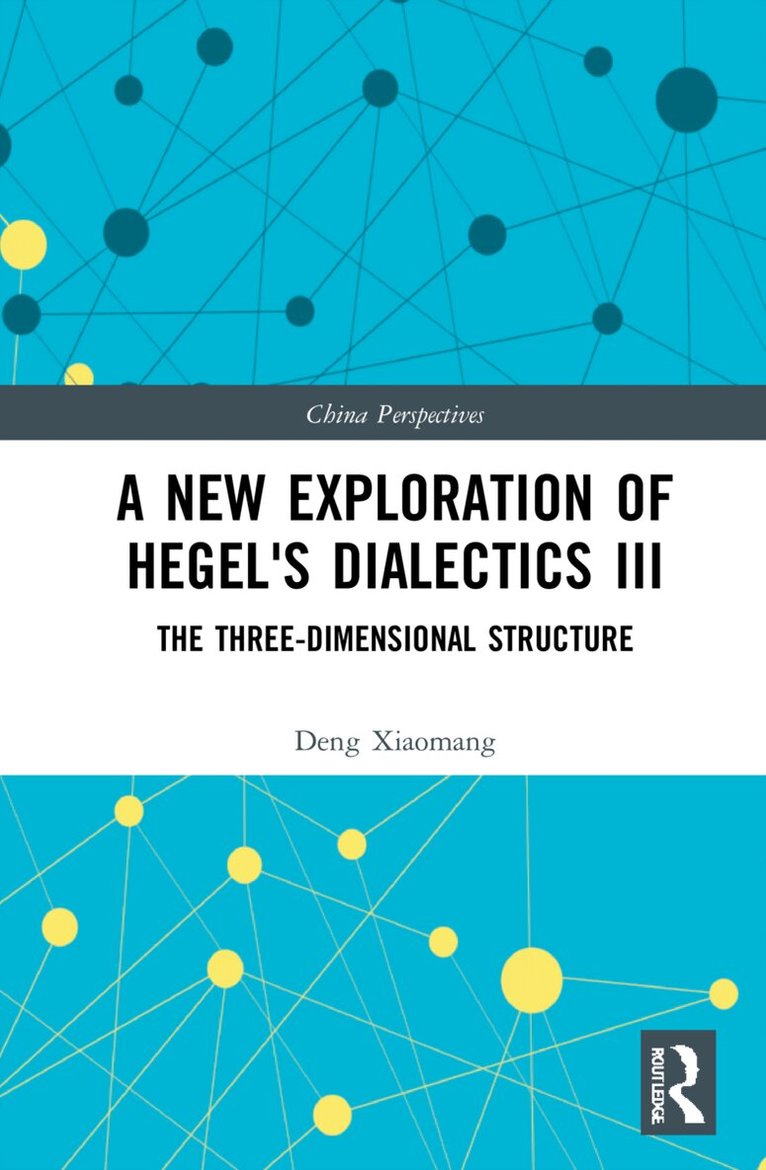
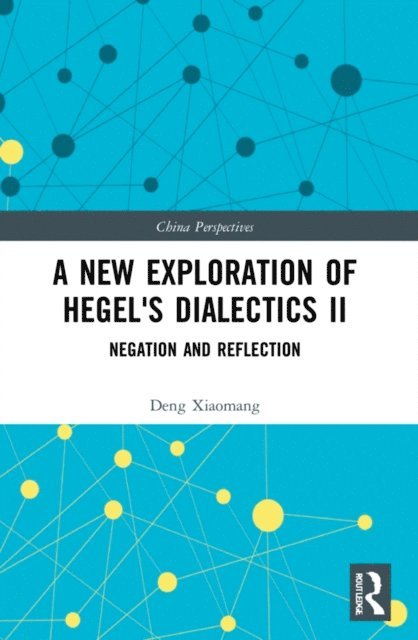
This volume explores the unity of logic, epistemology and ontology in Hegel's dialectic and the interrelation among the three, thereby revealing the internal features of Hegel's dialectic as well as the connection and divergence between Hegel's and Marx's philosophical thought.As the final volume of a three-volume set that gives insights into Hegel's dialectic and his overall philosophical thought, the book analyzes Hegel's dialectic as "a unity of three." As logic, it transcends language and is therefore epistemology; as epistemology, it transcends theory and is therefore ontology; as ontology, it transcends existing things and is therefore logic. Hegel's dialectic thus demonstrates itself as the revolutionary development of each of these three fields in the history of Western philosophy. The principle of the agreement of logic with history thereby expressed immediately becomes one of the most important philosophical sources of inspiration for Marx's historical materialism. A more profound understanding of Hegel's philosophy will therefore deepen our understanding of the philosophy of Marxism.The title will appeal to scholars and students interested in Hegel's and Marx's philosophy, German classical philosophy and Western philosophy.
578 kr
Skickas inom 10-15 vardagar
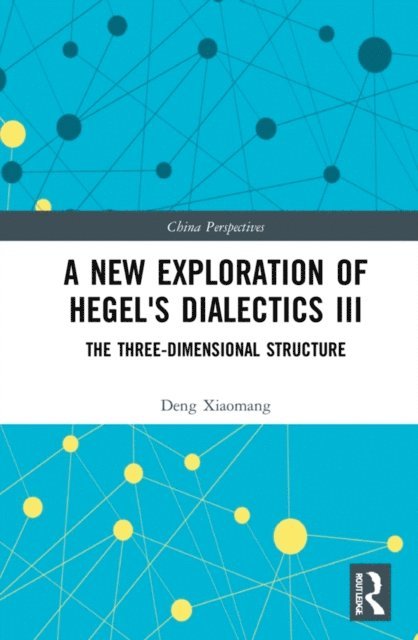
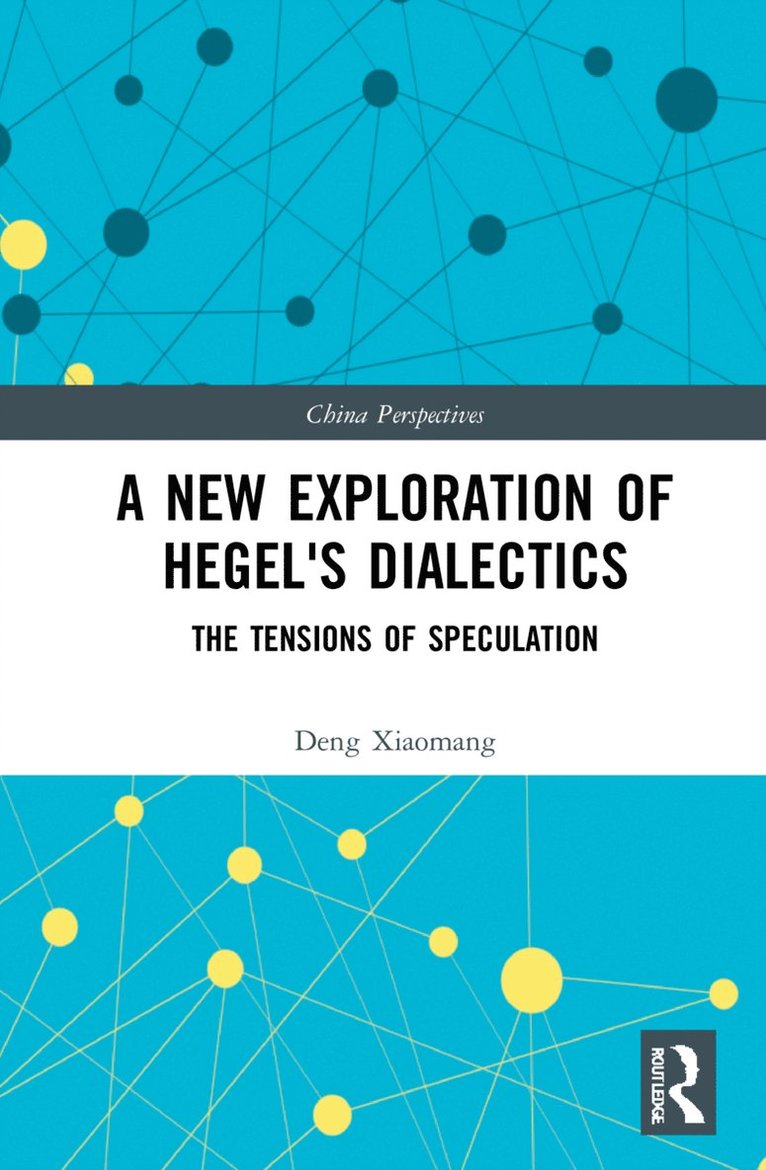
This volume reinterprets Hegelian dialectics via an exploration of the two origins of dialectics and illuminates how they constitute the inner tension at the heart of the philosophical system, developing into the forms of thought that fashion the history of western philosophy.As the first volume of a three-volume set that gives insights into Hegel's dialectics and thereby his overall philosophical thought, the book considers the linguistics spirit of logos and the existentialist spirit of nous in Greek philosophy as the two origins of Hegelian dialectics. The author argues that the two spirits form a dialectical unity of opposites and constitute the inner tension at the heart of the belief system. Based on this tension, this volume explains Hegel's problem of beginning that has the sense composed of both the starting point of logic and that of consciousness. Beginning in this twofold sense shapes dimensions of his methodology: immediacy and mediacy, the path of doubt and the path of truth, the linguistics lever and the existential lever.The title will appeal to scholars and students interested in Hegel and Marx's philosophy, German classical philosophy and Western philosophy.
578 kr
Skickas inom 10-15 vardagar
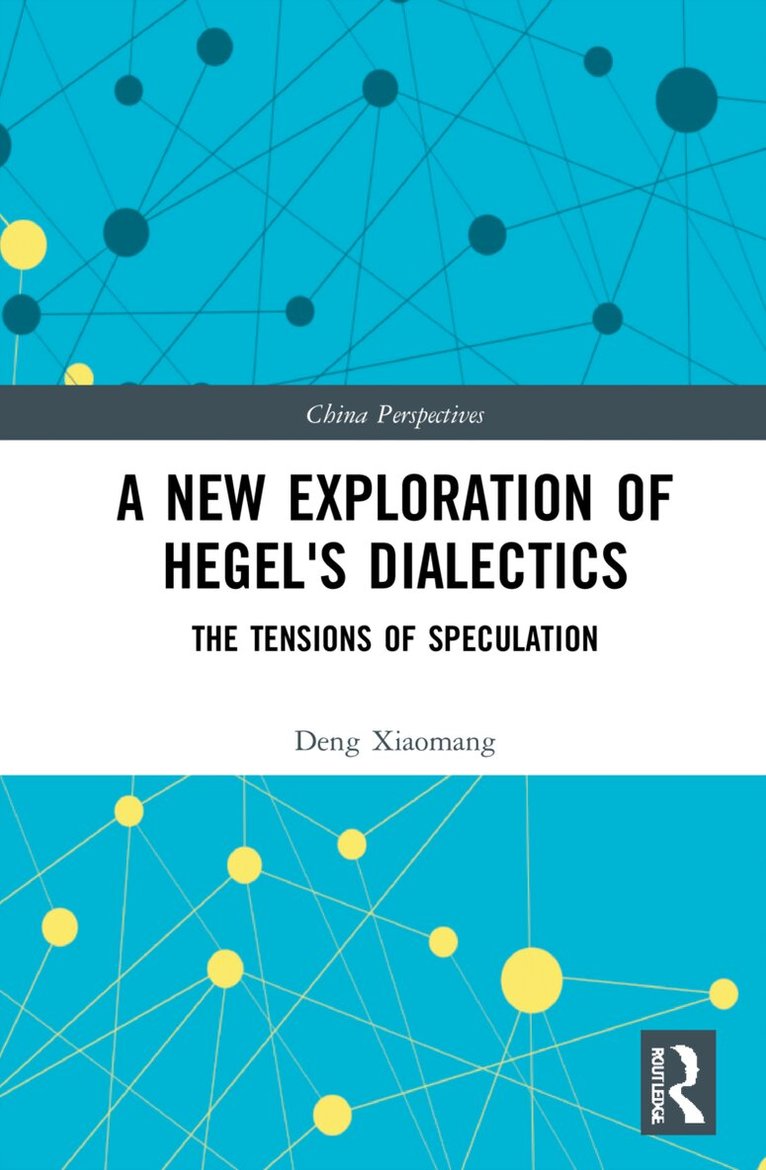
Focusing on the self-negation and reflective forms of Hegel's dialectics, and representing the spirit of nous and logos respectively, this volume explores core functions in the subjectivity, free spirit and practicality of Hegelian dialectics.As the second volume of a three-volume set that gives insights into Hegel's dialectics and thereby his overall philosophical thought, the book proposes and discusses the soul and form of Hegelian dialectics. As the soul of Hegel's dialectics, which represents the spirit of nous, self-negation plays a fundamental role in Hegel's philosophy, and all other dialectical laws derive from this core principle, with which the subjectivity and free spirit of Hegel's dialectics take shape along with their essential practicality. The form of expression belonging to this negative dialectic as such is the reflective mode of thinking that represents the spirit of logos, and it is this reflective mode of thinking that follows the logical procedure of "reflecting on reflection," rendering the progression of Hegel's dialectical subject lawful, rational and logical. The title will appeal to scholars and students interested in Hegel's and Marx's philosophy, German classical philosophy and Western philosophy.
578 kr
Skickas inom 10-15 vardagar
This volume explores the unity of logic, epistemology and ontology in Hegel's dialectic and the interrelation among the three, thereby revealing the internal features of Hegel's dialectic as well as the connection and divergence between Hegel's and Marx's philosophical thought.As the final volume of a three-volume set that gives insights into Hegel's dialectic and his overall philosophical thought, the book analyzes Hegel's dialectic as "a unity of three." As logic, it transcends language and is therefore epistemology; as epistemology, it transcends theory and is therefore ontology; as ontology, it transcends existing things and is therefore logic. Hegel's dialectic thus demonstrates itself as the revolutionary development of each of these three fields in the history of Western philosophy. The principle of the agreement of logic with history thereby expressed immediately becomes one of the most important philosophical sources of inspiration for Marx's historical materialism. A more profound understanding of Hegel's philosophy will therefore deepen our understanding of the philosophy of Marxism.The title will appeal to scholars and students interested in Hegel's and Marx's philosophy, German classical philosophy and Western philosophy.