Deng Yusong – författare
Visar alla böcker från författaren Deng Yusong. Handla med fri frakt och snabb leverans.
4 produkter
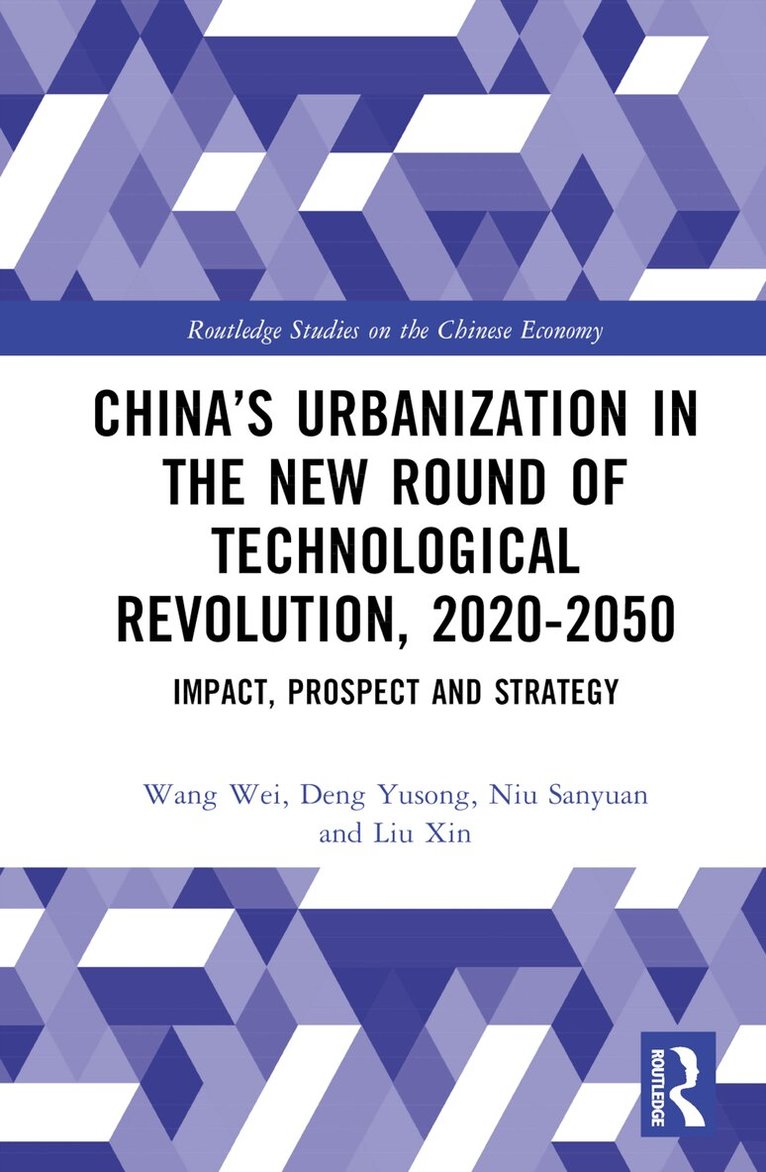
China’s Urbanization in the New Round of Technological Revolution, 2020-2050
Impact, Prospect and Strategy
Av Wang Wei, Deng Yusong m. fl.
Inbunden, 2024
2516 kr
Lägg i varukorg
Based on a major research project undertaken by a team at the Institute of Market Economy, Development Research Center of the State Council of China, a project which included extensive survey research, and involved also many international scholars including researchers at the World Economic Forum …
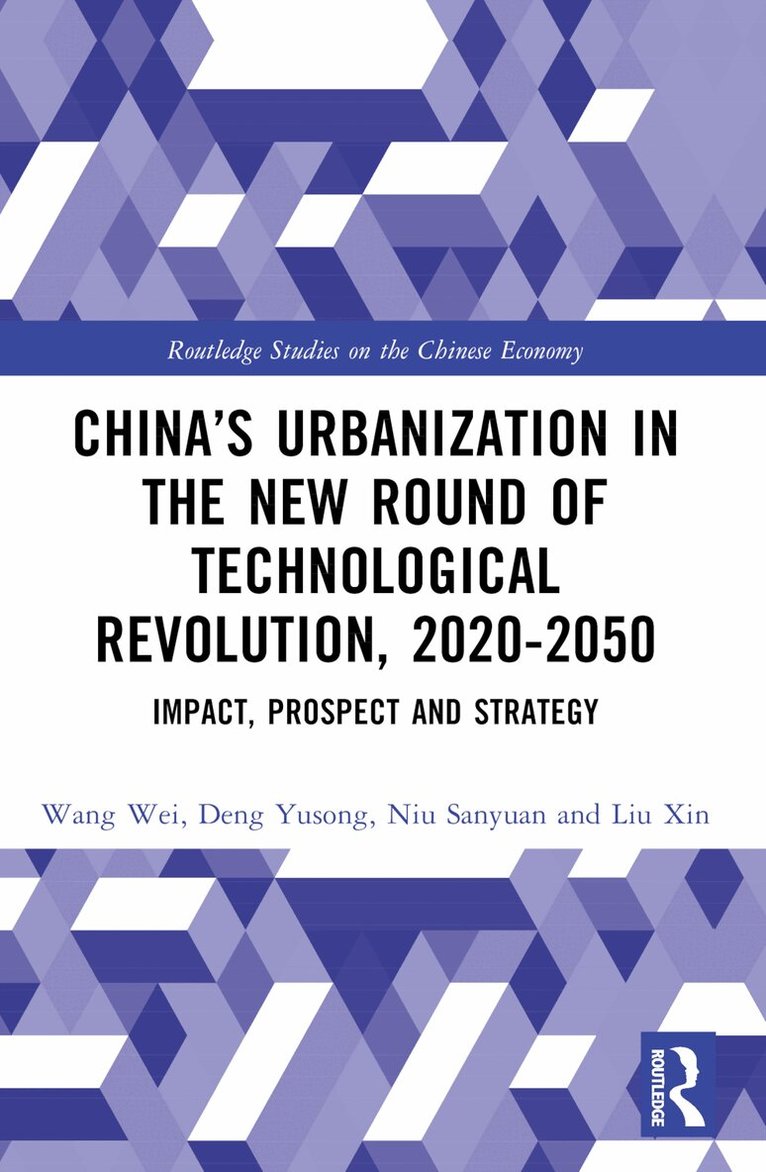
China’s Urbanization in the New Round of Technological Revolution, 2020-2050
Impact, Prospect and Strategy
Av Wang Wei, Deng Yusong m. fl.
Häftad, 2025
707 kr
Lägg i varukorg
Based on a major research project undertaken by a team at the Institute of Market Economy, Development Research Center of the State Council of China, a project which included extensive survey research, and involved also many international scholars including researchers at the World Economic Forum …
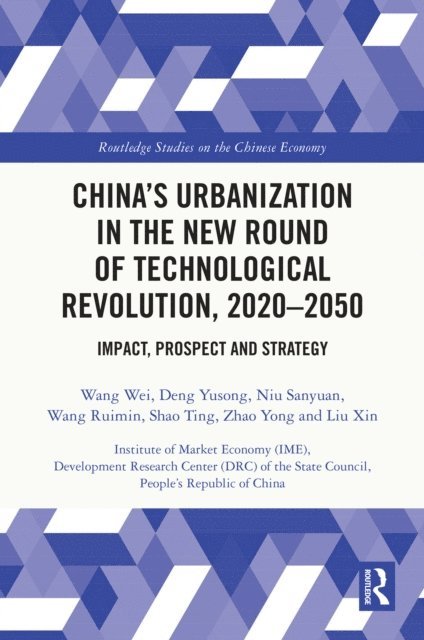
China's Urbanization in the New Round of Technological Revolution, 2020-2050
Impact, Prospect and Strategy
E-bok, 2024
831 kr
Lägg i varukorg
Based on a major research project undertaken by a team at the Institute of Market Economy, Development Research Center of the State Council of China, a project which included extensive survey research, and involved also many international scholars including researchers at the World Economic Forum …
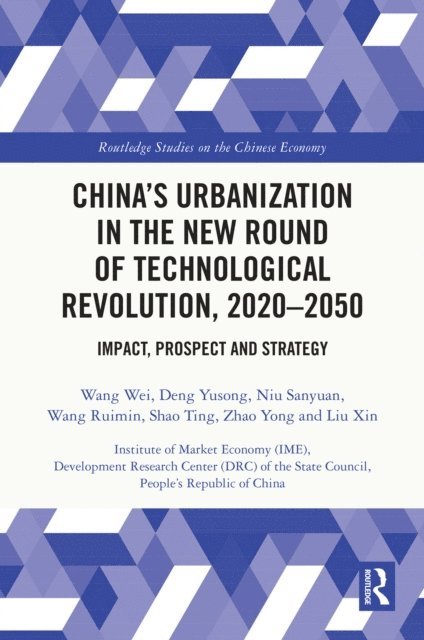
China's Urbanization in the New Round of Technological Revolution, 2020-2050
Impact, Prospect and Strategy
E-bok, 2024
813 kr
Lägg i varukorg
Based on a major research project undertaken by a team at the Institute of Market Economy, Development Research Center of the State Council of China, a project which included extensive survey research, and involved also many international scholars including researchers at the World Economic Forum …