Denis Vovchenko – författare
Visar alla böcker från författaren Denis Vovchenko. Handla med fri frakt och snabb leverans.
3 produkter
3 produkter
Inbunden, Engelska, 2016
1 251 kr
Skickas inom 5-8 vardagar
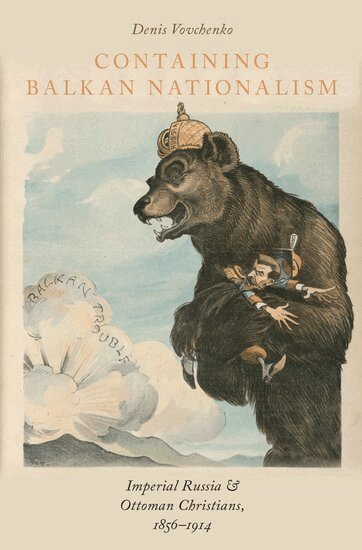
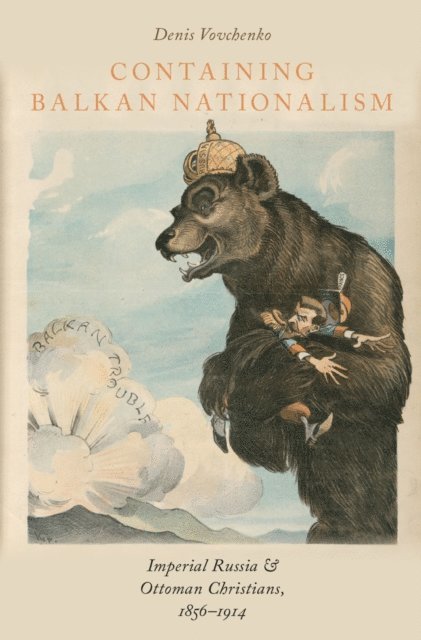
In 1870, the Orthodox Bulgarian Exarchate was established by the Sultan's decree without the consent of the Patriarchate of Constantinople. The inability to reach a compromise led to a schism within Orthodoxy and divided Ottoman Christian communities into traditionalists versus nationalists, Greeks versus Slavs and Arabs. Those conflicts were exacerbated by the Russo-Turkish war of 1877-1878, refugee movements, and the increasingly deadly rivalry of irredentist Balkan states.Containing Balkan Nationalism focuses on the implications of the Bulgarian national movement that developed in the context of Ottoman modernization and of European imperialism in the Near East. The movement aimed to achieve the status of an independent church, separating ethnic Bulgarians from the jurisdiction of the Patriarchate of Constantinople. Independent church status meant cultural and legal autonomy in the Islamic structure of the Ottoman Empire.Denis Vovchenko highlights the efforts put forth by ecclesiastics, publicists, and diplomats in Russia, the Ottoman Empire, Greece, and Bulgaria in developing and implementing various plans to reconcile ethnic differences within existing religious and dynastic frameworks. The arrangements were often inspired by modern visions of a political and cultural union of Orthodox Slavs and Greeks. Whether put into effect or simply discussed, they demonstrate the strength and flexibility of supranational identities and institutions on the eve of the First World War. The book should encourage contemporary analysts and policymakers to explore the potential of such traditional loyalties to defuse ethnic tensions today and to serve as organic alternatives to generic mechanical models of power-sharing and federation.
E-bok
PDF, Engelska, 20161 079 kr
Läs direkt efter köp
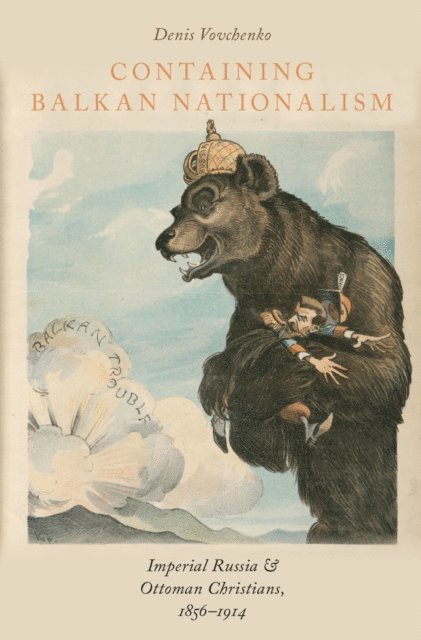
Containing Balkan Nationalism focuses on the implications of the Bulgarian national movement that developed in the context of Ottoman modernization and of European imperialism in the Near East. The movement aimed to achieve the status of an independent Bulgarian Orthodox church, removing ethnic Bulgarians from the jurisdiction of the Patriarchate of Constantinople. This independent church status meant legal and cultural autonomy within the Islamic structure of the Ottoman Empire, which recognized religious minorities rather than ethnic ones.Denis Vovchenko shows how Russian policymakers, intellectuals, and prelates worked together with the Ottoman government, Balkan and other diplomats, and rival churches, to contain and defuse ethnic conflict among Ottoman Christians through the promotion of supraethnic religious institutions and identities. The envisioned arrangements were often inspired by modern visions of a political and cultural union of Orthodox Slavs and Greeks. Whether realized or not, they demonstrated the strength and flexibility of supranational identities and institutions on the eve of the First World War. The book encourages contemporary analysts and policymakers to explore the potential of such traditional loyalties to defuse current ethnic tensions and serve as organic alternatives to generic models of power-sharing and federation.
1 079 kr
Läs direkt efter köp
Containing Balkan Nationalism focuses on the implications of the Bulgarian national movement that developed in the context of Ottoman modernization and of European imperialism in the Near East. The movement aimed to achieve the status of an independent Bulgarian Orthodox church, removing ethnic Bulgarians from the jurisdiction of the Patriarchate of Constantinople. This independent church status meant legal and cultural autonomy within the Islamic structure of the Ottoman Empire, which recognized religious minorities rather than ethnic ones.Denis Vovchenko shows how Russian policymakers, intellectuals, and prelates worked together with the Ottoman government, Balkan and other diplomats, and rival churches, to contain and defuse ethnic conflict among Ottoman Christians through the promotion of supraethnic religious institutions and identities. The envisioned arrangements were often inspired by modern visions of a political and cultural union of Orthodox Slavs and Greeks. Whether realized or not, they demonstrated the strength and flexibility of supranational identities and institutions on the eve of the First World War. The book encourages contemporary analysts and policymakers to explore the potential of such traditional loyalties to defuse current ethnic tensions and serve as organic alternatives to generic models of power-sharing and federation.