Denise Lach – författare
Visar alla böcker från författaren Denise Lach. Handla med fri frakt och snabb leverans.
7 produkter
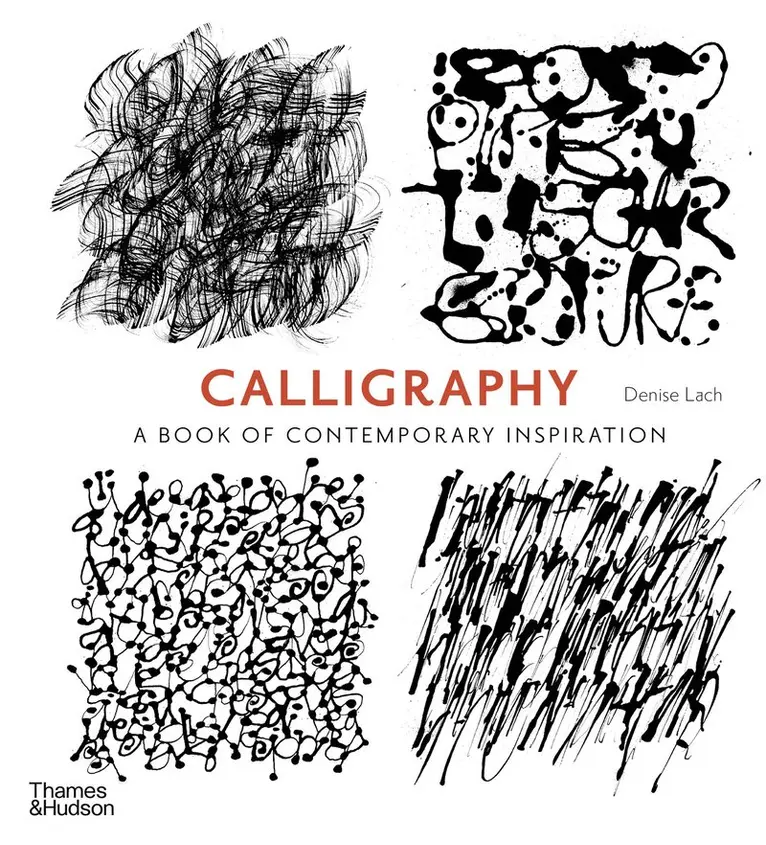
Calligraphy
A Book of Contemporary Inspiration
Av Denise Lach
Häftad, 2013
5,0 utav 5 stjärnor. Totalt antal röster: (1)
213 kr
Lägg i varukorg
Calligraphy can be a very personal pathway to expore a multiplicity of design concepts. In this striking and original book, now available in paperback, images of the natural world are turned into a rich source of inspiration for a variety of calligraphy projects. Renowned calligrapher Denise Lach …
New Strategies for Wicked Problems
Science and Solutions in the 21st Century
Av Edward P. Weber, Denise Lach m. fl.
Häftad, 2017
293 kr
Lägg i varukorg
A “wicked problem” isn’t one with an evil nature, but a problem that is impossible or difficult to solve because of incomplete, contradictory, and changing requirements that are often hard to recognize. Classic examples of wicked problems include economic, environmental, and political issues. We …
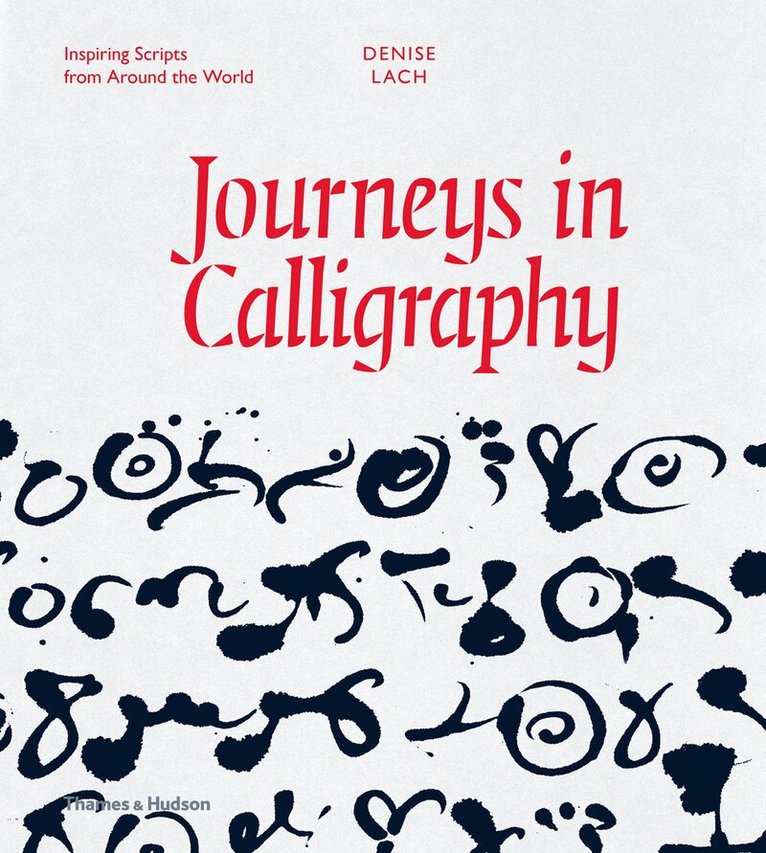
Journeys in Calligraphy
Inspiring Scripts from Around the World
Av Denise Lach
Inbunden, 2015
5,0 utav 5 stjärnor. Totalt antal röster: (1)
213 kr
Tillfälligt slut
Not only do scripts and alphabets form bridges between cultures, but their history and the stories they tell are the perfect springboard for calligraphic experimentation. From India to Ethiopia, Tibet and beyond, Denise Lach has travelled widely in the world of script. Here, she documents complex …