Denise Y. Ho – författare
Visar alla böcker från författaren Denise Y. Ho. Handla med fri frakt och snabb leverans.
6 produkter
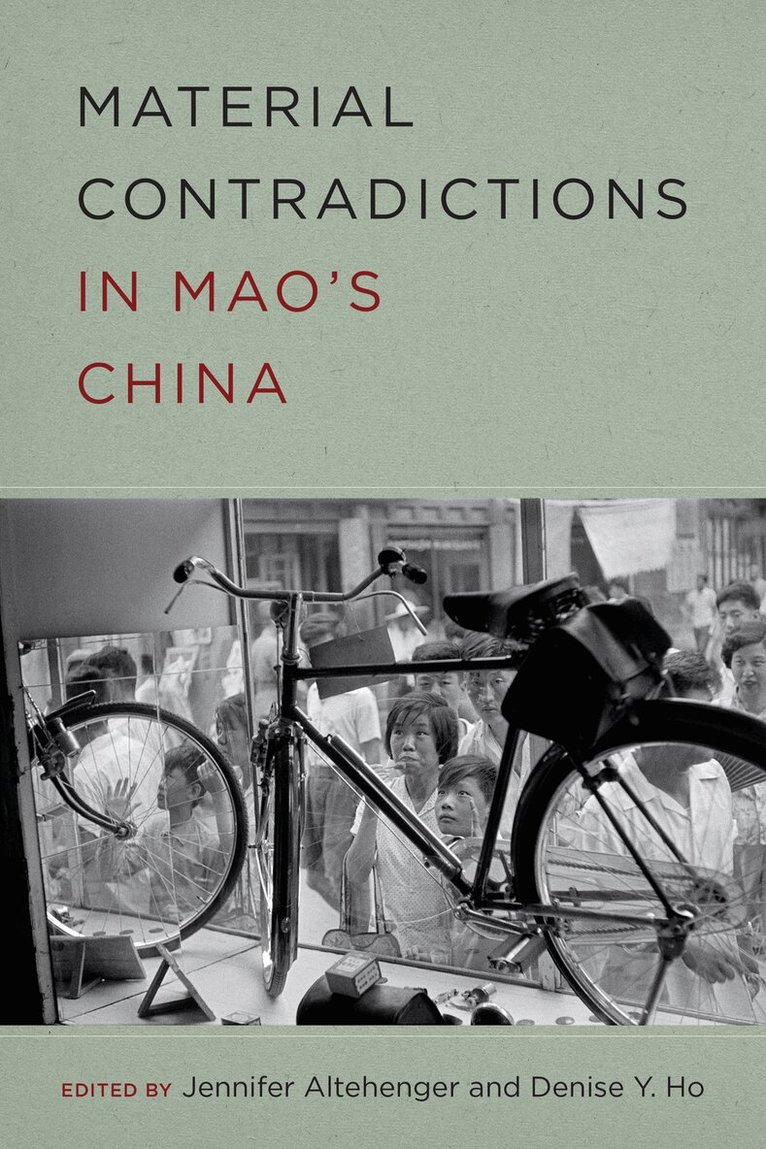
Material Contradictions in Mao's China
Av Jennifer Altehenger, Denise Y. Ho
Inbunden, 2022
1819 kr
Lägg i varukorg
An excavation of the sociocultural, economic, and political history of everyday commoditiesThe growth of markets and consumerism in China’s post-Mao era of political and economic reform is a story familiar to many. By contrast, the Mao period (1949–1976)—rightly framed as a time of …
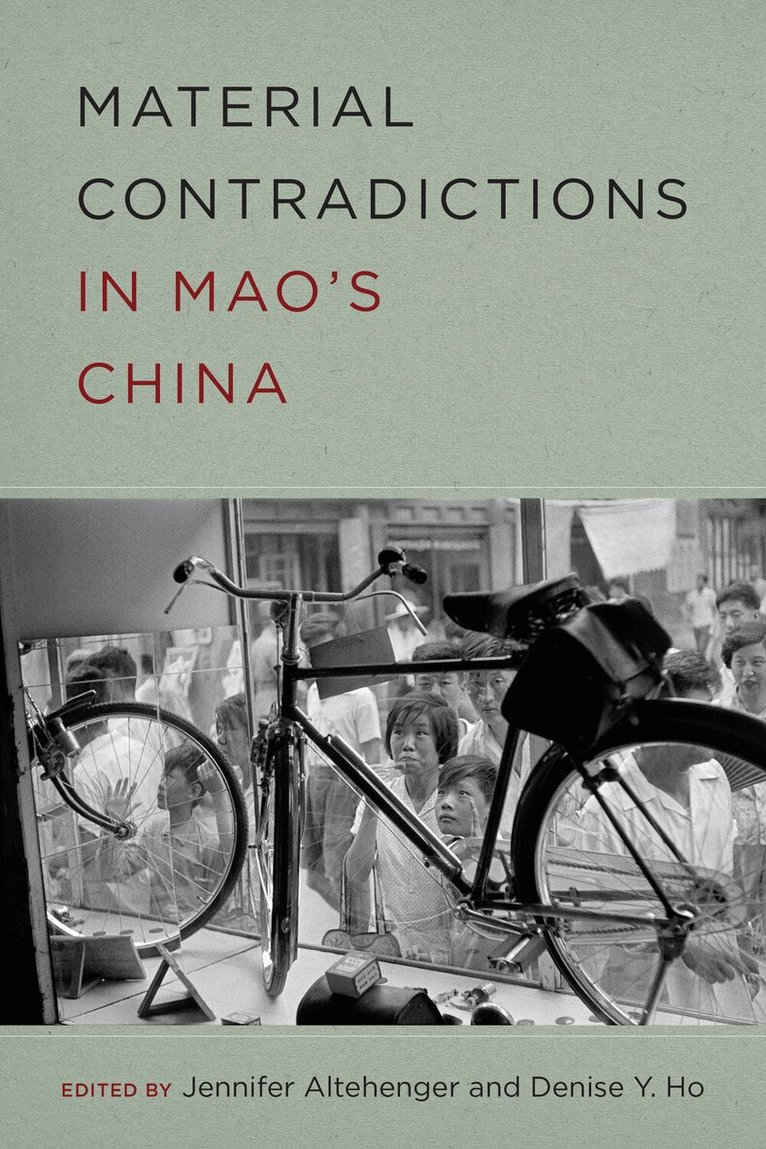
Material Contradictions in Mao's China
Av Jennifer Altehenger, Denise Y. Ho
Häftad, 2022
549 kr
Lägg i varukorg
An excavation of the sociocultural, economic, and political history of everyday commoditiesThe growth of markets and consumerism in China’s post-Mao era of political and economic reform is a story familiar to many. By contrast, the Mao period (1949–1976)—rightly framed as a time of …
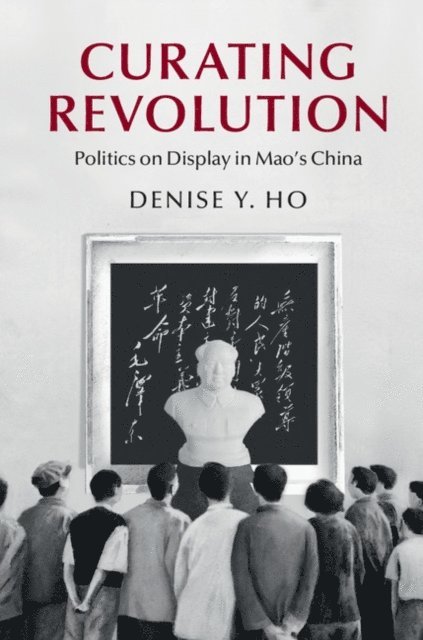
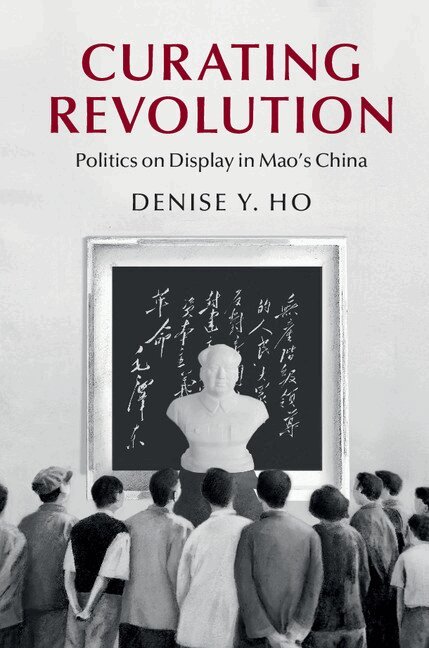
Curating Revolution
Politics on Display in Mao''s China
Av Denise Y. Ho
E-bok, 2017
477 kr
Lägg i varukorg
How did China''s Communist revolution transform the nation''s political culture? In this rich and vivid history of the Mao period (1949–1976), Denise Y. Ho examines the relationship between its exhibitions and its political movements. Case studies from Shanghai show how revolution was curated: …
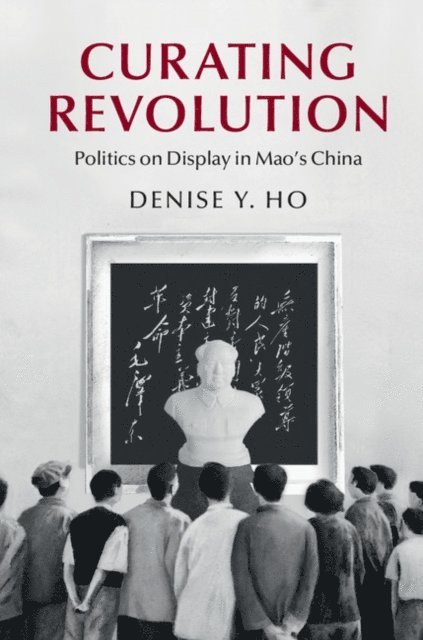
Curating Revolution
Politics on Display in Mao''s China
Av Denise Y. Ho
E-bok, 2017
477 kr
Lägg i varukorg
How did China''s Communist revolution transform the nation''s political culture? In this rich and vivid history of the Mao period (1949–1976), Denise Y. Ho examines the relationship between its exhibitions and its political movements. Case studies from Shanghai show how revolution was curated: …
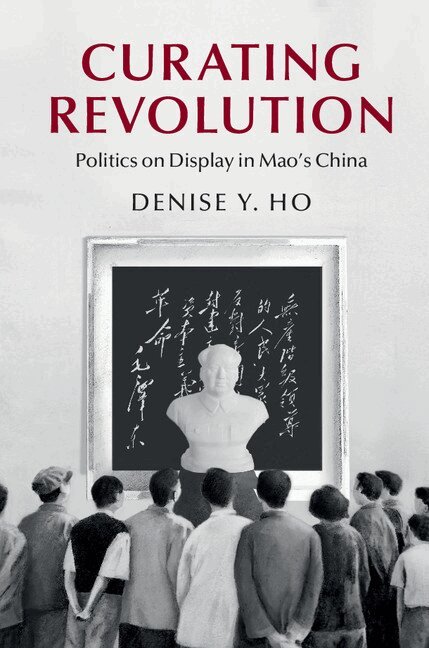
Curating Revolution
Politics on Display in Mao's China
Av Denise Y. Ho
Häftad, 2017
491 kr
Lägg i varukorg
How did China's Communist revolution transform the nation's political culture? In this rich and vivid history of the Mao period (1949-1976), Denise Y. Ho examines the relationship between its exhibitions and its political movements. Case studies from Shanghai show how revolution was curated: museum …
Curating Revolution
Politics on Display in Mao's China
Av Denise Y. Ho
Inbunden, 2017
1761 kr
Lägg i varukorg
How did China's Communist revolution transform the nation's political culture? In this rich and vivid history of the Mao period (1949-1976), Denise Y. Ho examines the relationship between its exhibitions and its political movements. Case studies from Shanghai show how revolution was curated: museum …