Deniz Coşan Eke – författare
Visar alla böcker från författaren Deniz Coşan Eke. Handla med fri frakt och snabb leverans.
3 produkter
Religion, Religious Groups and Migration
Av Eric M Trinka, Deniz Coşan Eke
Häftad, 2023
354 kr
Lägg i varukorg
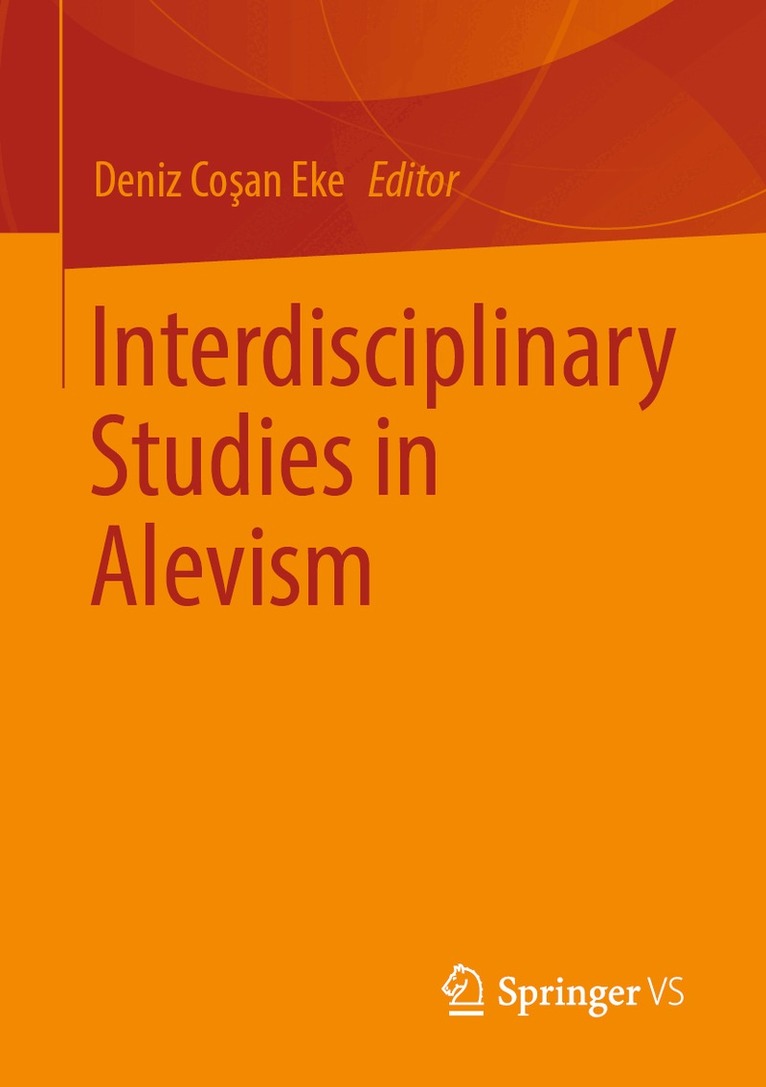
Interdisciplinary Studies in Alevism
Häftad, 2027
1209 kr
Kommande
The edited volume Interdisciplinary Studies on Alevism aims to deepen our understanding of Alevism by incorporating methodologies and theoretical frameworks from multiple academic disciplines, including history, anthropology, sociology, religious studies, Islamic studies, gender studies, and …
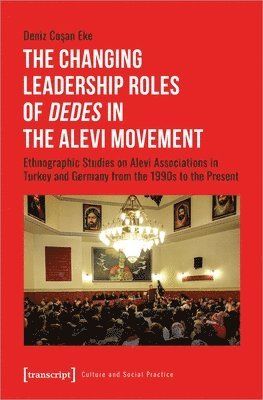
Changing Leadership Roles of Dedes in the Alevi Movement
Ethnographic Studies on Alevi Associations in Turkey and Germany from the 1990s to the Present
Häftad, 2021
518 kr
Lägg i varukorg
What is the function of clerical leadership in Alevism based on sociocultural and political understandings? To answer that complex question, Deniz Cosan Eke examines the political, cultural, and religious debates surrounding Alevis and the Alevi movement in relation to the ideas and claims of the …