Dennis B. Downey - Böcker
Visar alla böcker från författaren Dennis B. Downey. Handla med fri frakt och snabb leverans.
4 produkter
4 produkter
1 039 kr
Skickas inom 10-15 vardagar
This study offers an engaging reassessment of the 1893 Chicago World's Fair (the Columbian Exposition), generally regarded as the preeminent civic pageant in Victorian America. Based on exhaustive research, Downey uses the Exposition as a representative cultural symbol to challenge established interpretations of the event and to suggest a new approach to writing American cultural history. Adopting the approach of culture as conversation, he stresses the manner in which the Chicago fair reflected the main currents and conflicting tendencies in American life at the end of the 19th century.Viewing the Exposition as a cultural moment, Downey emphasizes the theme of renewal as central to the cultural aspirations of the enterprise and its engagement of public life. Throughout the narrative, the divergent voices that comprised a great cultural conversation on the salient issues of the day emerge through their presence at, and participation in, the Exposition. This lively account offers new insights into the cultural climate of the period, while introducing readers to the sheer majesty and splendor of an event that captivated the city and the nation more than a century ago.
863 kr
Skickas inom 10-15 vardagar
From William Penn's treaty with the Indians, to the suffering of troops at Valley Forge, the gallantry at Gettysburg, and the early development of the petroleum industry, Pennsylvania has often been at center stage in the evolution of the nation. Yet despite this record, the historical literature on the state is not as well known as that of many other states. This volume will remedy that deficiency by assessing the vast wealth of materials on the political, social, economic, and cultural development of the Keystone State. In a series of historiographical chapters, each devoted to a specific chronological period, the contributors present a thorough and informed analysis of the most important and significant literature, thereby providing a useful companion to printed bibliographies.
Coatesville and the Lynching of Zachariah Walker: Death in a Pennsylvania Steel Town
Inbunden, Engelska, 2011
373 kr
Skickas inom 3-6 vardagar
238 kr
Kommande
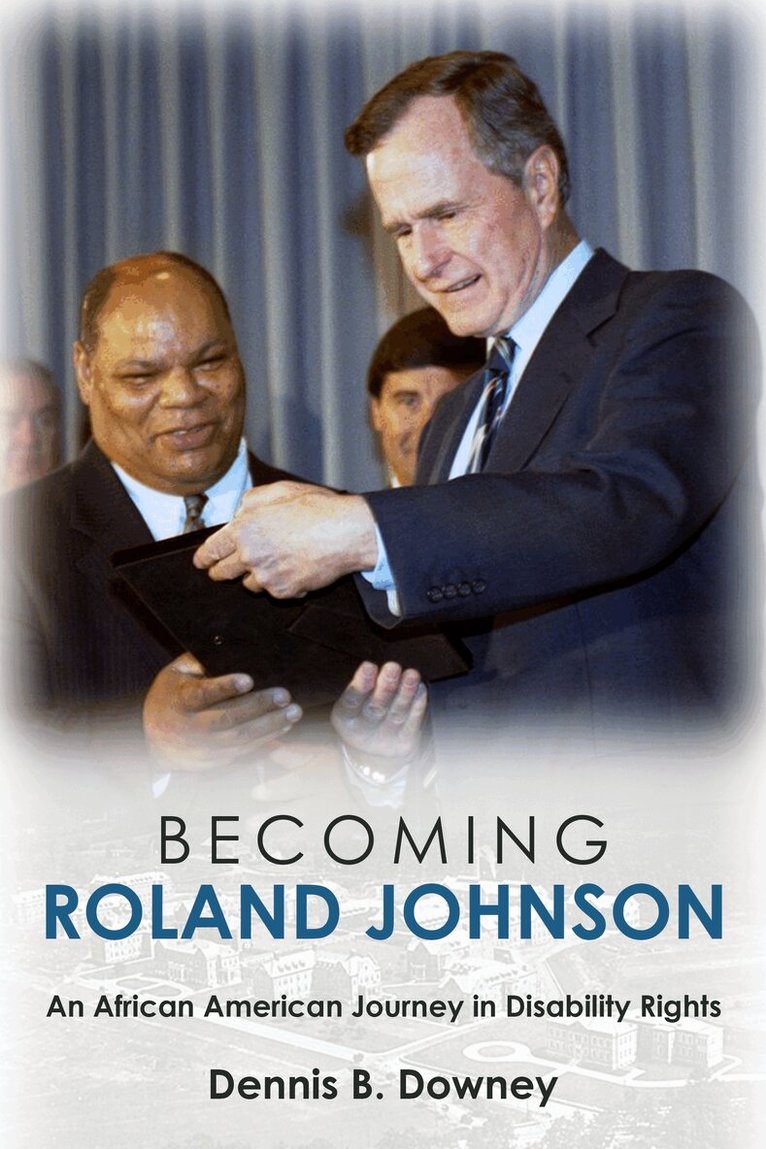
Roland Johnson (1945–1994) grew up in a large African American working-class family in Philadelphia, Pennsylvania. As he grew up, he developed a range of worrisome personal behaviors, included self-injury, aggression toward others, overeating, and a willful defiance of authority. Local school officials determined that Roland’s unwillingness or inability to master the basics of education made him ineligible to attend public school, something Pennsylvania law permitted. Uncertain of what to do, Roland’s parents took him to several physicians and clinicians, who concluded he was, in Roland’s own words, a “mental retard.” Today we would say Roland had an intellectual and developmental disability. These same specialists recommended he be placed at the Pennhurst State School, one of nearly 300 institutions dedicated to the coerced confinement of children and adults with a mental disability, where residents were wards of the state with no constitutional protections. Inspired by the American eugenics movement, which had a strong presence in Philadelphia, institutions for so-called “mental defectives” were sites for forced sterilization, medical experimentation, and government supported research. Roland entered Pennhurst in 1958, and except for several brief and unsuccessful home visits, he remained there until his official release in 1973. Pennhurst was a massive institution rife with overcrowding, an inadequate and poorly trained staff, and plagued by physical, sexual and psychological violence directed at the weak and most vulnerable “inmates.” Ironically, it was during Roland’s Pennhurst years that a grass roots disability rights movement took shape in Philadelphia and across the country. Roland would become the beneficiary, and eventually a leader, in the campaign to close institutions and extend the rights of equal citizenship to people with a physical or cognitive disability. So great was his stature that he befriended President George H. W. Bush and received an invitation to attend the July 1990 signing of the Americans with Disability Act in the White House Rose Garden. A leading public speaker and self-advocate for people with an intellectual or developmental disability, Roland’s influence became so great that colleagues referred to him as the Martin Luther King, Jr. of disability rights. Late in life, Roland shared with audiences that he had been diagnosed with HIV/AIDS, and he expanded his public advocacy to include this group of marginalized citizens. Following his death in 1994, friends created a memorial patch that is now included in the National AIDS Memorial Quilt.This is the story of Roland Johnson’s life, and his improbable rise as a leader for disability rights in modern America. His presence as a self-advocate in Philadelphia and throughout the Commonwealth was unrivaled. Roland Johnson overcame oppression and prejudice, demonstrating a remarkable resilience in the face of inhumane treatment. Once an outcast, Roland grew into a much sought after speaker who helped shape public policy at the state and federal level.