Dennis Oliver – författare
Visar alla böcker från författaren . Handla med fri frakt och snabb leverans.
67 produkter
67 produkter
Häftad, Engelska, 2026
250 kr
Skickas
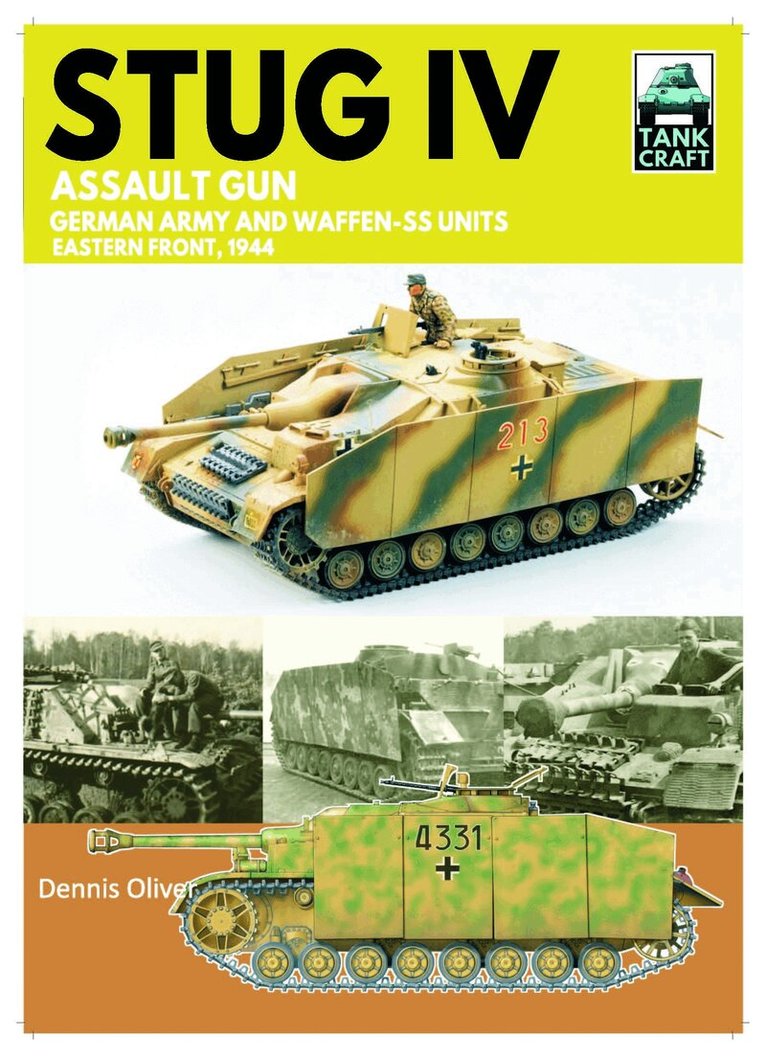
From their introduction in 1940, the Wehrmacht's Sturmgeschütz assault guns played an essential role in the campaigns of the Blitzkrieg era, the titanic struggles in Russia and the final defensive battles of the war. Evolving from a mobile bunker-buster, armed with a short-barrelled howitzer, the Sturmgeschütz was up-armoured and up-gunned and by 1943 it was increasingly employed as a tank killer. In 1944, largely as an emergency quick-fix, the Sturmgeschütz IV entered service and over 1,000 examples had been built by the end of the war. As the Wehrmacht’s resources continued to decline the assault guns were thrown into every operation and increasingly substituted for gun tanks in official unit establishments. In the third volume in the TankCraft series to examine the Sturmgeschütz, Dennis Oliver employs official documentation and unit histories to investigate the formations that operated the Sturmgeschütz IV and uses archive photos and extensively researched colour illustrations to examine the markings, camouflage and technical aspects of the vehicles that served on the Eastern Front during the last months of the campaign. A key section of his book displays available model kits and aftermarket products, complemented by a gallery of beautifully constructed and painted models in various scales. Technical details as well as modifications introduced during production and in the field are also examined, providing everything the modeller needs to recreate an accurate representation of these historic vehicles.
Häftad, Engelska, 2023
239 kr
Skickas
The lightning advances of the German armoured units during the Polish and French campaigns were spearheaded by fast-moving, armed reconnaissance vehicles. But these early designs suffered heavily due to their light weaponry and thin armour and a programme was soon underway, led by the firm of B ssing-NAG, which culminated in the development of the Sdkfz 234 series of heavy eight-wheeled armoured cars, the first of which entered service in late 1943\. These vehicles proved to be rugged and reliable and were gradually up-armed to serve in the infantry support role and eventually as tank killers. This volume of the LandCraft series concludes the story of the Sdkfz 234 series, examining the versions that took part in the last battles of the war. Using archive photos and extensively researched colour illustrations Dennis Oliver examines the Sdkfz 234/1 and Sdkfz 234/2and the units that operated these often neglected, yet important, armoured vehicles. A key section of his book displays available model kits and aftermarket products, complemented by a gallery of beautifully constructed and painted models in various scales. Technical details as well as modifications introduced during production and in the field are also examined, providing everything the modeller needs to recreate an accurate representation of these historic tanks.
Häftad, Engelska, 2025
201 kr
Skickas
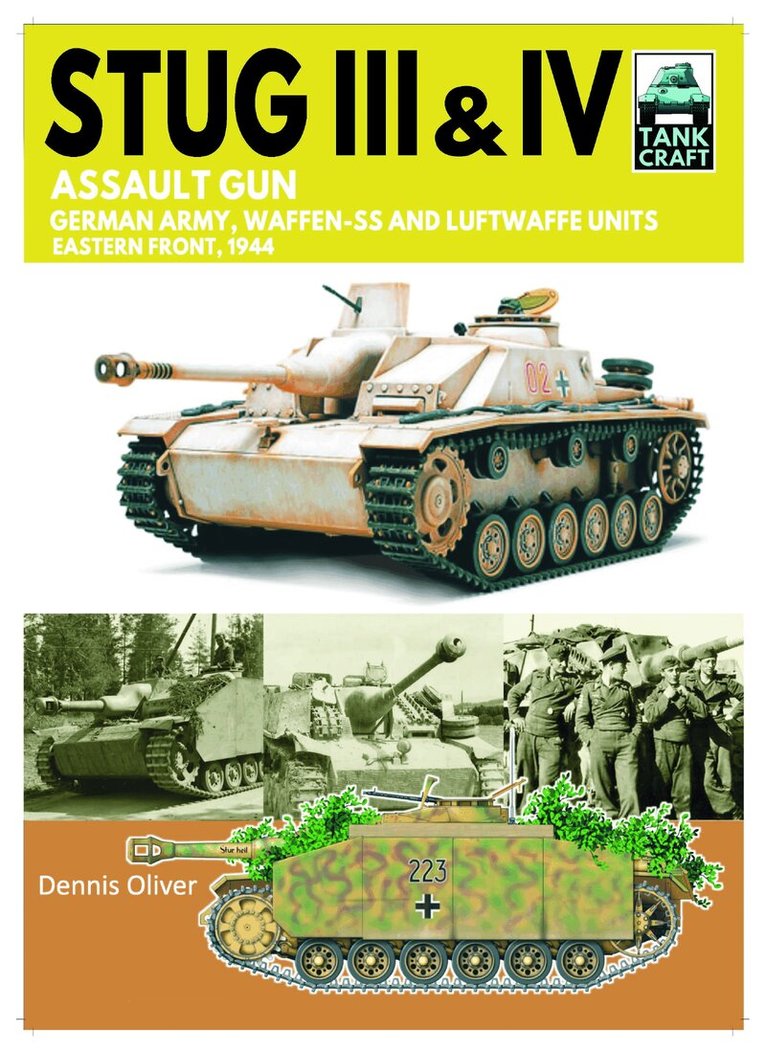
From their introduction in 1940, the German army's Sturmgeschütz assault guns played a vital role in the campaigns of the Blitzkrieg era, the gargantuan struggles in Russia and the final defensive battles. Evolving from a mobile bunker-buster, armed with a short-barrelled howitzer, the Sturmgeschütz III was up-armoured and up-gunned and by 1943 its tank killing abilities were widely recognised. In 1944, largely as an emergency quick-fix, the Sturmgeschütz IV entered service and over 10,000 examples of both versions had been built by the end of the war. Although not as well known as the Tiger or Panther tanks, they were among the most frequently encountered German armoured vehicles and as the Wehrmacht’s resources continued to decline, the assault guns were thrown into every operation and increasingly substituted for gun tanks in official unit establishments. In the second volume in the TankCraft series to examine the Sturmgeschütz, Dennis Oliver employs official documentation and unit histories to investigate the formations that operated these vehicles and uses archive photos and extensively researched colour illustrations to examine the markings, camouflage and technical aspects of the Sturmgeschütz III and Sturmgeschütz IV that served on the Eastern Fronts during what was almost certainly the pivotal year of the campaign. A key section of his book displays available model kits and aftermarket products, complemented by a gallery of beautifully constructed and painted models in various scales. Technical details as well as modifications introduced during production and in the field are also examined, providing everything the modeller needs to recreate an accurate representation of these historic vehicles.
Häftad, Engelska, 2019
166 kr
Skickas
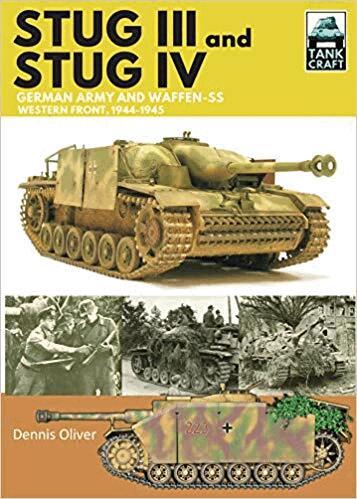
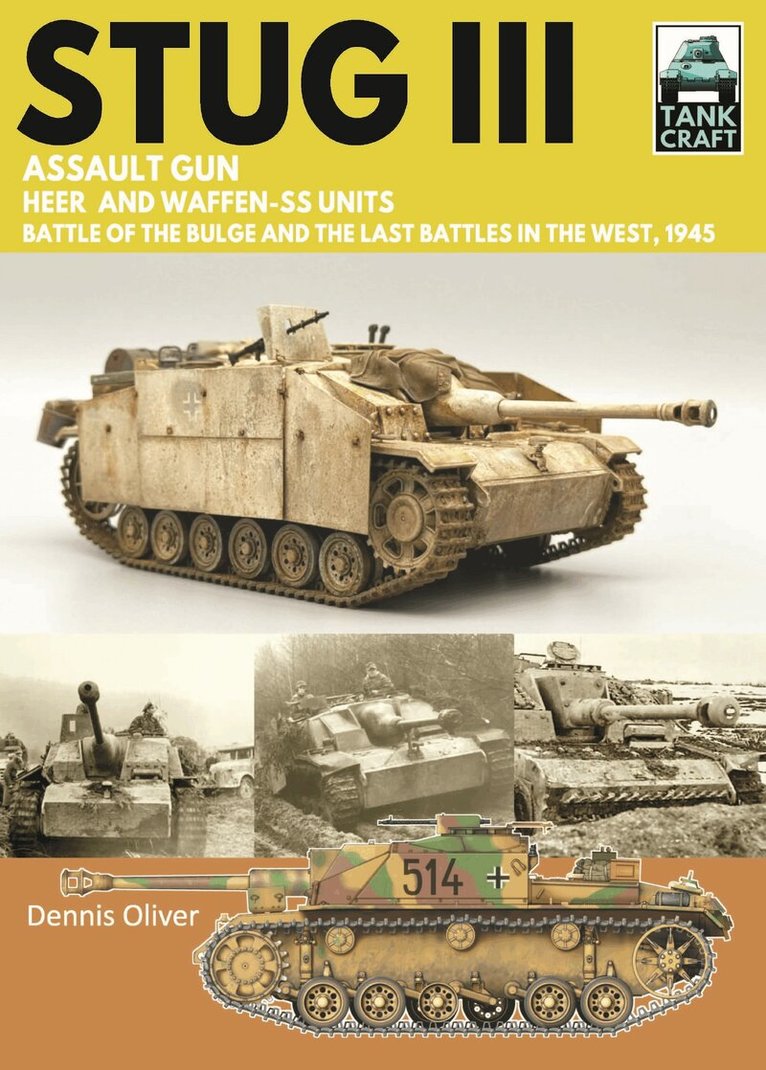
In the last years of the Second World War the Sturmgesch tz III (StuG III) and Sturmgesch tz IV (StuG IV) played a vital role as assault guns during the German army's struggle to block the Allied advance on the Western Front. As the Wehrmacht's tank forces declined, these armoured vehicles were thrown into every defensive operation. They are not as well known as the Tigers and Panthers, but German resistance would have been much weaker without them. They were also among the most frequently encountered German armoured vehicles on the battlefields, which is why they are such a fascinating subject for Dennis Oliver in this volume in the TankCraft seriesHe uses archive photos and extensively researched colour illustrations to examine the StuG III and StuG IV deployed by the German army and the Waffen-SS during these doomed campaigns. A key section of his book displays available model kits and aftermarket products, complemented by a gallery of beautifully constructed and painted models in various scales. Technical details as well as modifications introduced during production and in the field are also examined providing everything the modeller needs to recreate an accurate representation of these historic armoured vehicles.
Häftad, Engelska, 2019
166 kr
Skickas
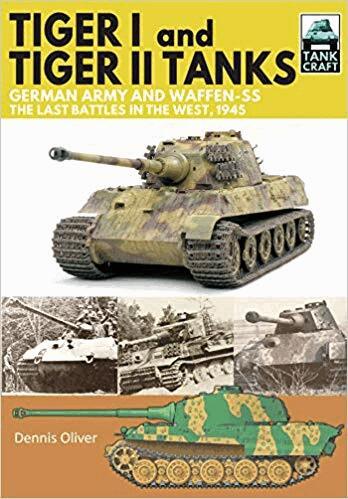
Tiger tanks were among the most-feared fighting vehicles of the Second World War and they gained almost legendary status, yet they never fulfilled their potential because they were not produced in sufficient numbers and the tide the war had turned against the German army by the time they were introduced. Often they were deployed in difficult circumstances and in defensive battles, struggling against the odds. Nowhere was this more true than in western Europe during the Allied advance across France and into Germany, and it is the Tigers of this phase of the war that Dennis Oliver portrays in his third volume on the Tiger in the TankCraft series.He uses archive photos and extensively researched colour illustrations to examine the Tiger tanks and units of the German Army and Waffen-SS heavy panzer battalions that struggled to resist the onslaught of Allied armour and air attacks during the last days of the conflict.A key section of his book displays available model kits and aftermarket products, complemented by a gallery of beautifully constructed and painted models in various scales. Technical details as well as modifications introduced during production and in the field are also examined providing everything the modeller needs to recreate an accurate representation of these historic tanks.
Häftad, Engelska, 2020
187 kr
Skickas
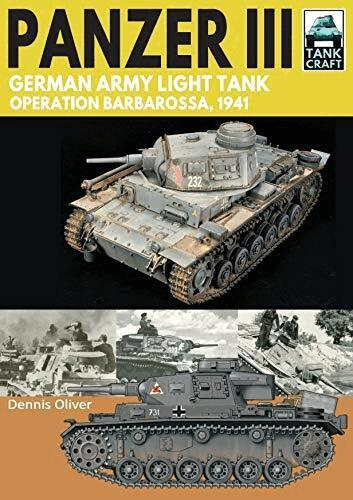
Panzer III: German Army Light Tank, Operation Barbarossa, 1941\. TankCraft 27\. The Pzkpfw III tank was the mainstay of the Panzer divisions during the Blitzkrieg era, which could fairly be said to have ended with the Germans' failure to take Moscow in the winter of 1941\. Although less heavily armoured than many of its opponents and somewhat outgunned by the latest Soviet types, the Pzkpfw III was at the forefront of the advances made over almost impossible distances during the summer and autumn and provided the core of the armoured reserve that fought the defensive battles of the winter months. In Dennis Oliver's latest volume in the TankCraft series he uses archive photos and extensively researched colour illustrations to examine the Pzkpfw III and the units that operated this deservedly famous armoured vehicle along a 1,000-mile front during the battles of Operation Barbarossa, the German invasion of the Soviet Union. A key section of his book displays available model kits and aftermarket products, complemented by a gallery of beautifully constructed and painted models in various scales. Technical details as well as modifications introduced during production and in the field are also examined, providing everything the modeller needs to recreate an accurate representation of these historic tanks.
Häftad, Engelska, 2025
250 kr
Skickas
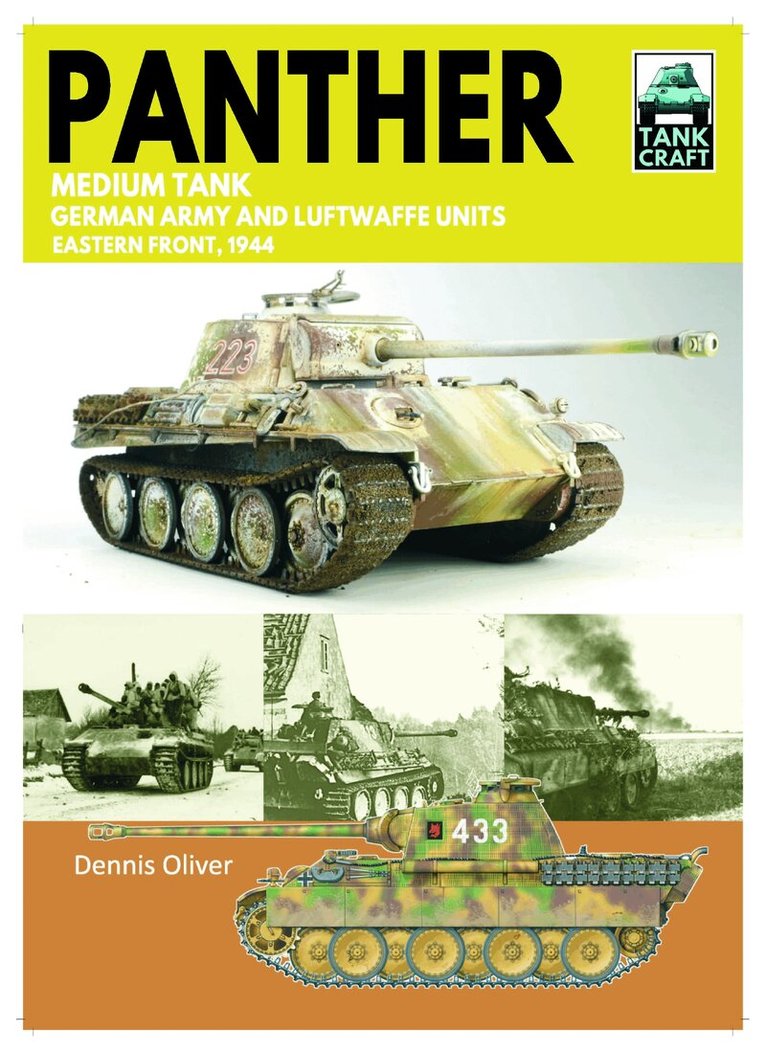
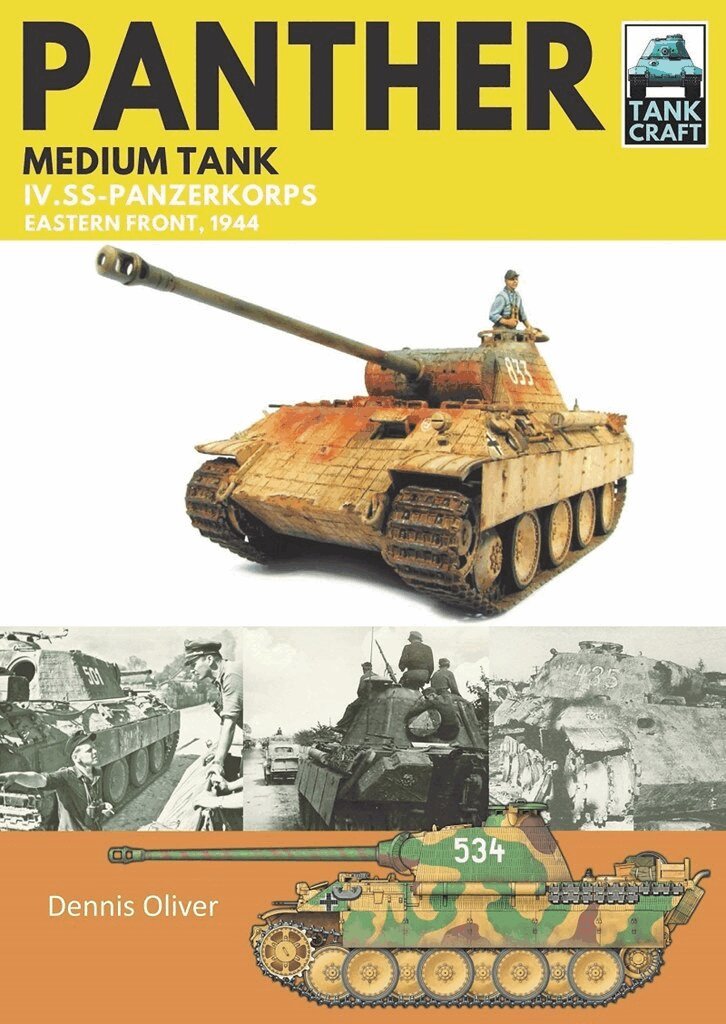
During the spring and summer of 1944 a series of Soviet offensives, culminating in Operation Bagration which was launched on 22 June, threatened to destroy the entire German army on the Eastern Front. As infantry units scrambled to hold makeshift defensive positions the mobile Panzer battalions were the only formations that were able to plug the increasing number of gaps in the frontline. One of the most important weapons in the Wehrmacht's arsenal at that time was the Pzkpfw V Panther tank which had gone into combat for the first time in July 1943. Armed with a powerful 7.5cm main gun, these tanks were capable of penetrating the armour of the strongest Soviet designs and it was planned that every Panzer regiment would eventually contain a battalion of these impressive vehicles. In his latest volume in the TankCraft series Dennis Oliver continues the story of these remarkable vehicles using archive photos and extensively researched colour illustrations to examine the Panther battalions that fought to hold back the Red Army's push to the borders of Germany during 1944. A key section of his book displays available model kits and aftermarket products, complemented by a gallery of beautifully constructed and painted models in various scales. Technical details as well as modifications introduced during production and in the field are also examined providing everything the modeller needs to recreate an accurate representation of these historic tanks.
Häftad, Engelska, 2026
202 kr
Kommande
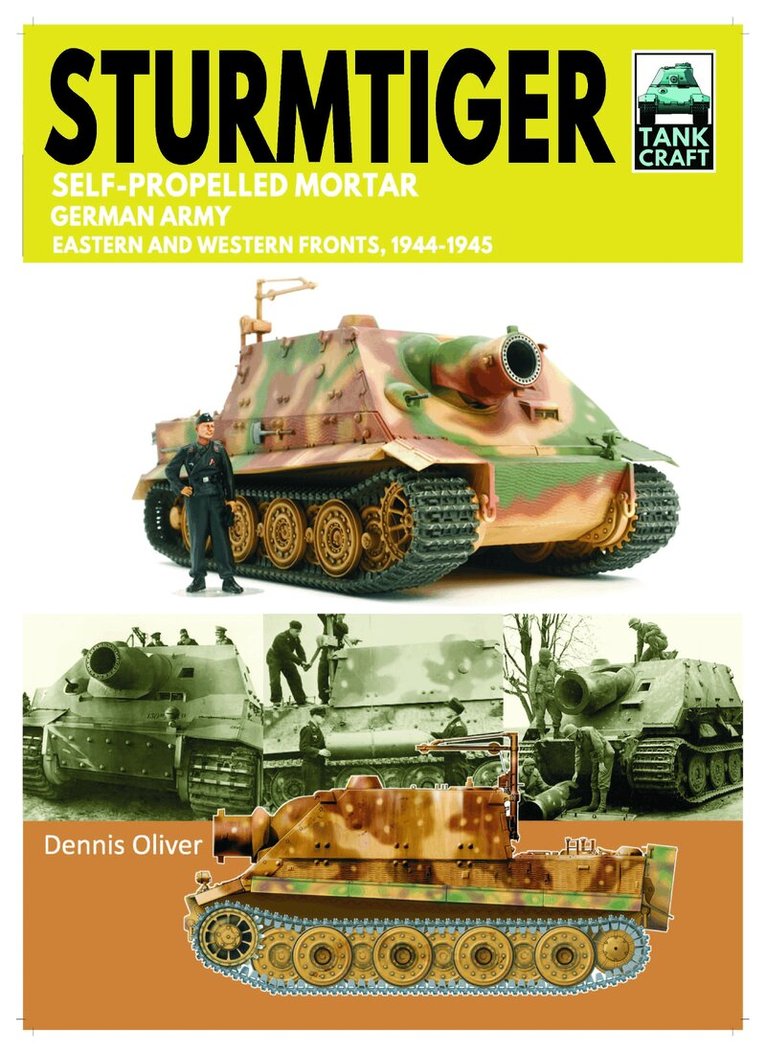
The house-to-house fighting encountered in Stalingrad convinced the Wehrmacht that a heavily armoured vehicle mounting a weapon capable of destroying enemy strongpoints should be developed as a matter of urgency. The 15cm-armed Brummbär, built on the chassis of the ever-reliable Pzkpfw IV, was rendered obsolete by developments in man-portable anti-tank weapons and so the decision was made to mount an even more powerful gun on the suspension and hull of the Tiger I tank. The original intention was to equip the new design with a 21cm howitzer but as sufficient stocks were unavailable a specially adapted version of the Kriegsmarine's 38cm depth charge rocket launcher was employed. Hitler expected great things from these imposing looking vehicles and ordered that vast stocks of ammunition be produced but in the event less than twenty Sturmmörserwagen 606/4 mit 38cm RW 61, better known as the Sturmtiger, were built. Drawing on official documentation and unit histories Dennis Oliver investigates the formations that operated these deservedly famous vehicles and uses archive photos and extensively researched colour illustrations to examine the markings, camouflage and technical aspects of the Sturmtigers that fought in the last battles of the war. A key section of his book displays available model kits and aftermarket products, complemented by a gallery of beautifully constructed and painted models in various scales. Technical details as well as modifications introduced during production and in the field are also examined, providing everything the modeller needs to recreate an accurate representation of these historic vehicles.
Häftad, Engelska, 2026
202 kr
Kommande
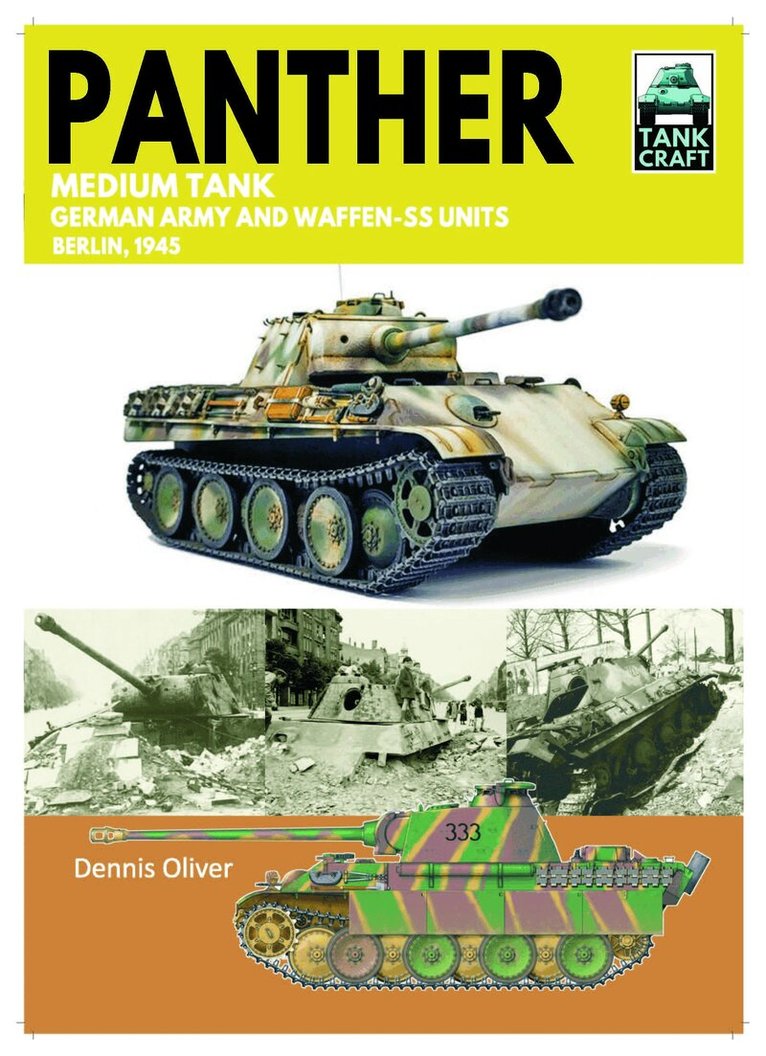
By the end of 1944 the Wehrmacht had been pushed back to the borders of Germany and the Army's defensive efforts increasingly relied on ad-hoc units scraped together from depleted tank and infantry formations. Despite the dire strategic situation and the ever-crumbling front, industrial output had in fact been expanded and manpower losses were somehow made good. Battered regiments were rebuilt and new units were created and the real striking power of the Panzer battalions was now the Pzkpfw V Panther, perhaps the most effective armoured vehicle produced by Germany during the Second World War. In Dennis Oliver's latest volume in the TankCraft series he uses archive photos and extensively researched colour illustrations to examine the later models of the Pzkpfw V Panther tank and the units that operated this deservedly famous armoured vehicle during the savage defensive battles against the Soviet army during the last weeks of the war. A key section of his book displays available model kits and aftermarket products, complemented by a gallery of beautifully constructed and painted models in various scales. Technical details as well as modifications introduced during production and in the field are also examined, providing everything the modeller needs to recreate an accurate representation of these historic tanks.
Häftad, Engelska, 2027
212 kr
Kommande
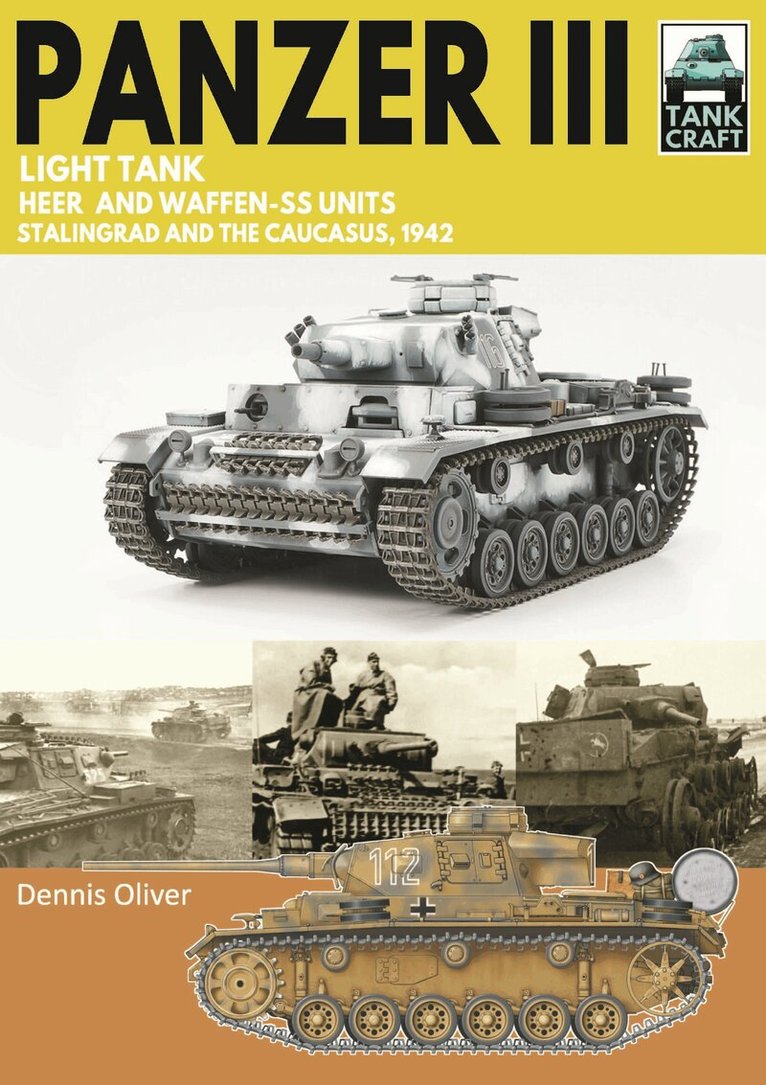
By the spring of 1942 the Panzerkampfwagen III, or Pz.Kpfw. III, which was commonly known as the Panzer III, which had first seen service in the Polish Campaign, was still the most numerically important armoured fighting vehicle in the Wehrmacht’s arsenal.Spearheading the Panzer divisions during the Blitzkrieg era, the Pz.Kpfw. III was less heavily armoured than many of its opponents, but it was sturdy and reliable, while its main armament was the equal of any enemy weapon it was called upon to face. The basic version was continuously up-gunned and up-armoured, while maintaining its speed and manoeuvrability, and the later variants could still be considered a potent, modern weapons system.Operating on the open plains of modern-day Belarus and Ukraine, the Pzkpfw III was at the forefront of the dramatic advances of 1941 and would be called upon to bear the burden of the effort in the offensives planned for the following year which, if all went to plan, would knock the Soviet Union out of the war.This volume of the TankCraft series continues the story of the tank’s wartime service, examining the models that took part in the fighting on the Eastern Front beginning with the spectacular advance to the doorstep of Asia and into the Caucasus region in June 1942 and ending with the savage battles in the streets of Stalingrad. Dennis Oliver uses archive photos and extensively researched colour illustrations to examine the Pzkpfw III and the Panzer units that took part in these crucial struggles.A key section of his book displays available model kits and aftermarket products, complemented by a gallery of beautifully constructed and painted models in various scales. Technical details as well as modifications introduced during production and in the field are also examined, providing everything the modeller needs to recreate an accurate representation of these historic tanks.
Häftad, Engelska, 2027
219 kr
Kommande
Throughout the Second World War, despite the appearance of such powerful armoured fighting vehicles as the Tiger and Panther tanks, the versatile Panzerkampfwagen IV, or Pzkpfw IV, which was commonly known as the Panzer IV, provided the backbone of the Panzer regiments until the last days of the conflict.Mechanically reliable and relatively cheap to produce, the Pzkpfw IV 's large wheel base and turret circumference meant that it could be up-gunned with minimal disruption to production and the rugged hull and suspension were adapted to a number of diverse roles including self-propelled anti-tank gun, anti-aircraft tank, bridgelayer and armoured recovery vehicle. Originally designed and developed to provide support for the infantry formations of Germany's armoured divisions, the Pzkpfw IV was increasingly pressed into service as a tank killer as stronger and more well-armoured enemy vehicles were encountered.Although assembly of the Pzkpfw IV was officially terminated in late 1944, as the tank had fallen out of favour with Hitler, production was soon resumed and as late as March 1945 the Panzer units operating in the East reported that over 600 were on hand.In the third volume in the TankCraft series to examine this deservedly famous armoured vehicle, Dennis Oliver employs official documentation and unit histories to investigate the formations that operated these vehicles and uses archive photos and extensively researched colour illustrations to examine the markings, camouflage and technical aspects of the Pzkpfw IV tanks that served on the Eastern Front during 1944.A key section of his book displays available model kits and aftermarket products, complemented by a gallery of beautifully constructed and painted models in various scales. Technical details as well as modifications introduced during production and in the field are also examined, providing everything the modeller needs to recreate an accurate representation of these historic vehicles.
Häftad, Engelska, 2022
182 kr
Skickas
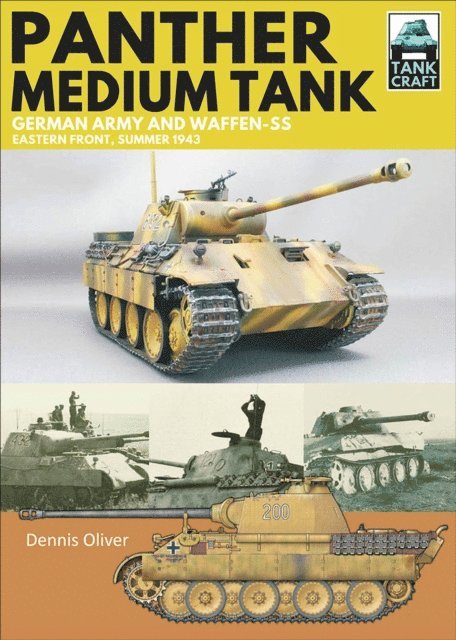
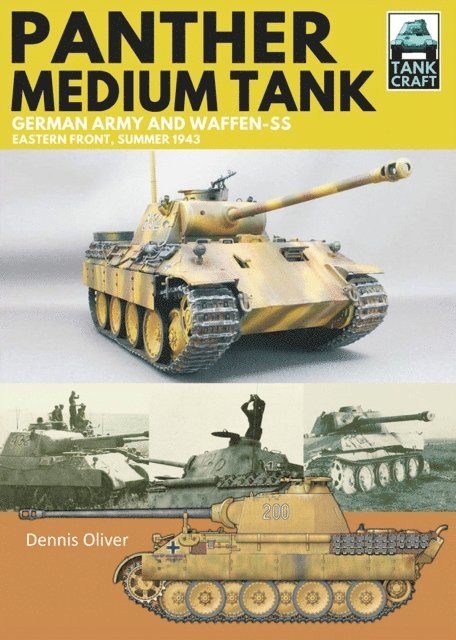
In July 1943 the German army launched what was to be its last major offensive on Soviet soil. Codenamed Operation Citadel, the attack had initially been scheduled to commence in May but was postponed by Hitler on a number of occasions to allow the divisions in the East to be reinforced and to ensure that the new Panther tanks could be deployed. In the fifth book on the Panther in this series Dennis Oliver examines the first vehicles that left the assembly plants to go into service against the Red Army as part of Operation Citadel and the units that arrived in the late summer and early autumn of 1943. In addition to archive photographs and painstakingly researched, exquisitely presented colour illustrations, a large part of this book showcases available model kits and aftermarket products, complemented by a gallery of beautifully constructed and painted models in various scales. Technical details as well as modifications introduced during production and in the field are also examined, providing everything the modeller needs to recreate an accurate representation of the Panther tanks that fought in the East in 1943.
E-bok
Engelska, 2022128 kr
Läs direkt efter köp
A guide blending the history behind a World War II German tank used on the Eastern Front with resources for military vehicle modeling enthusiasts.In July 1943 the German army launched what was to be its last major offensive on Soviet soil. Codenamed Operation Citadel, the attack had initially been scheduled to commence in May but was postponed by Hitler several times to allow the divisions in the East to be reinforced and to ensure that the new Panther tanks could be deployed. In the fifth book on the Panther in this series, Dennis Oliver examines the first vehicles that left the assembly plants to go into service against the Red Army as part of Operation Citadel and the units that arrived in the late summer and early autumn of 1943. In addition to archive photographs and painstakingly researched, exquisitely presented color illustrations, a large part of this book showcases available model kits and aftermarket products, complemented by a gallery of beautifully constructed and painted models in various scales. Technical details as well as modifications introduced during production and in the field are also examined, providing everything the modeler needs to recreate an accurate representation of the Panther tanks that fought in the East in 1943.
E-bok
PDF, Engelska, 2022129 kr
Läs direkt efter köp
A guide blending the history behind a World War II German tank used on the Eastern Front with resources for military vehicle modeling enthusiasts.In July 1943 the German army launched what was to be its last major offensive on Soviet soil. Codenamed Operation Citadel, the attack had initially been scheduled to commence in May but was postponed by Hitler several times to allow the divisions in the East to be reinforced and to ensure that the new Panther tanks could be deployed. In the fifth book on the Panther in this series, Dennis Oliver examines the first vehicles that left the assembly plants to go into service against the Red Army as part of Operation Citadel and the units that arrived in the late summer and early autumn of 1943. In addition to archive photographs and painstakingly researched, exquisitely presented color illustrations, a large part of this book showcases available model kits and aftermarket products, complemented by a gallery of beautifully constructed and painted models in various scales. Technical details as well as modifications introduced during production and in the field are also examined, providing everything the modeler needs to recreate an accurate representation of the Panther tanks that fought in the East in 1943.
Häftad, Engelska, 2022
239 kr
Skickas
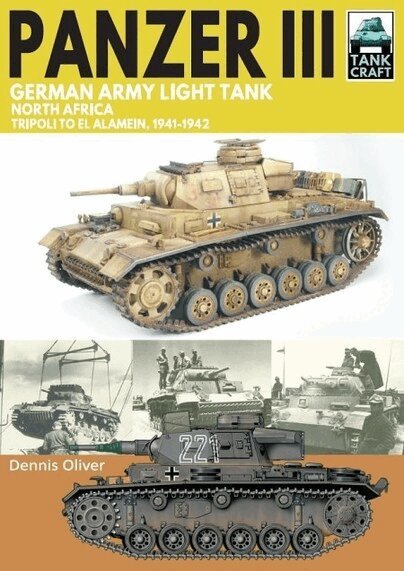
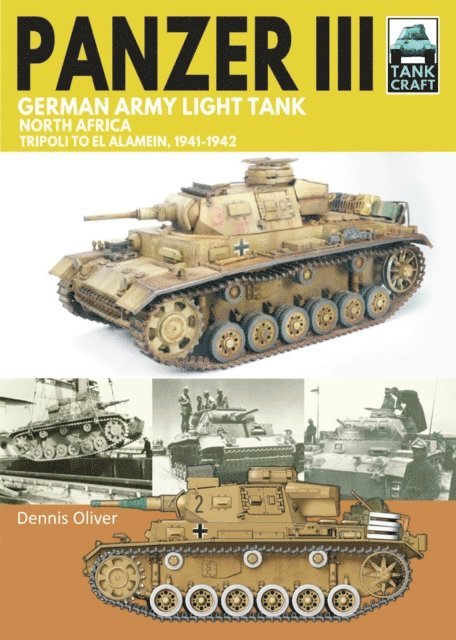
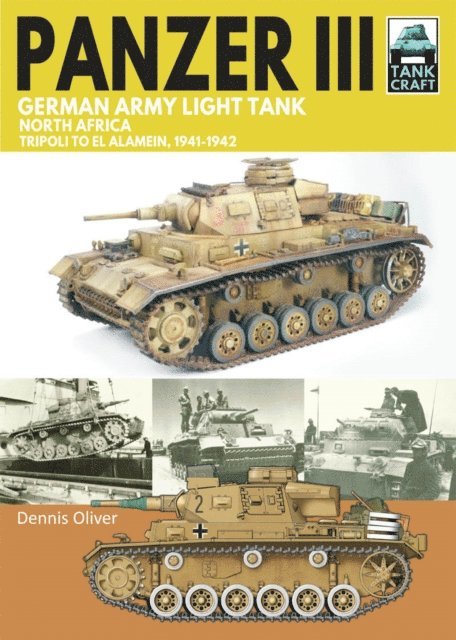
The Pzkpfw Ill was the most effective tank available to the German army in North Africa during the battles of 1941. It outnumbered all the other types in service with the Afrikakorps at that time and when compared to the Pzkpfw I and Pzkpfw II designs it was a potent, modern weapons system. Although less heavily armoured than its British opponents it was sturdy and reliable and its main armament was the equal of any enemy anti-tank gun it was called upon to face. This volume of the TankCraft series, the first of two parts, examines the story of the tank's North African service beginning with the arrival of Panzer-Regiment 5 in Tripoli and ending with the advance to El Alamein in late 1942. Dennis Oliver uses archive photos and extensively researched colour illustrations to examine the Pzkpfw Ill and the Panzer units that took part in the early battles in North Africa. A key section of his book displays available model kits and aftermarket products, complemented by a gallery of beautifully constructed and painted models in various scales. Technical details as well as modifications introduced during production and in the field are also examined, providing everything the modeller needs to recreate an accurate representation of these historic tanks.
129 kr
Läs direkt efter köp
The Pzkpfw Ill was the most effective tank available to the German army in North Africa during the battles of 1941. It outnumbered all the other types in service with the Afrikakorps at that time and when compared to the Pzkpfw I and Pzkpfw II designs it was a potent, modern weapons system. Although less heavily armored than its British opponents it was sturdy and reliable and its main armament was the equal of any enemy anti-tank gun it was called upon to face. This volume of the TankCraft series, the first of two parts, examines the story of the tank''s North African service beginning with the arrival of Panzer-Regiment 5 in Tripoli and ending with the advance to El Alamein in late 1942. Dennis Oliver uses archive photos and extensively researched color illustrations to examine the Pzkpfw Ill and the Panzer units that took part in the early battles in North Africa. A key section of his book displays available model kits and aftermarket products, complemented by a gallery of beautifully constructed and painted models in various scales. Technical details as well as modifications introduced during production and in the field are also examined, providing everything the modeler needs to recreate an accurate representation of these historic tanks.
E-bok
PDF, Engelska, 2022152 kr
Läs direkt efter köp
The Pzkpfw Ill was the most effective tank available to the German army in North Africa during the battles of 1941. It outnumbered all the other types in service with the Afrikakorps at that time and when compared to the Pzkpfw I and Pzkpfw II designs it was a potent, modern weapons system. Although less heavily armored than its British opponents it was sturdy and reliable and its main armament was the equal of any enemy anti-tank gun it was called upon to face. This volume of the TankCraft series, the first of two parts, examines the story of the tank''s North African service beginning with the arrival of Panzer-Regiment 5 in Tripoli and ending with the advance to El Alamein in late 1942. Dennis Oliver uses archive photos and extensively researched color illustrations to examine the Pzkpfw Ill and the Panzer units that took part in the early battles in North Africa. A key section of his book displays available model kits and aftermarket products, complemented by a gallery of beautifully constructed and painted models in various scales. Technical details as well as modifications introduced during production and in the field are also examined, providing everything the modeler needs to recreate an accurate representation of these historic tanks.
E-bok
Engelska, 202128 kr
Läs direkt efter köp
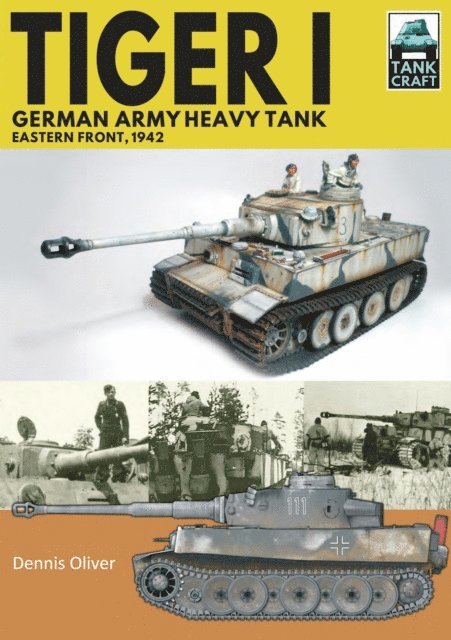
This illustrated guide examines the famous WWII German tank and its operations in the Eastern Front, with extensive resources for modeling enthusiasts.The Tiger I tank might have been a break-through—and even war-winning—weapon if Germany had produced it in sufficient numbers and introduced it earlier on the Eastern Front. Instead, the Tiger played a mainly defensive role as the Wehrmacht struggled to withstand the advances of the Red Army. In his third book on the Tiger in the TankCraft series, Dennis Oliver focuses on this fascinating period in the tank''s short history.Oliver uses archive photos and extensively researched color illustrations to examine the tanks and units of the German army''s heavy panzer battalions. A large part of the book showcases available model kits and aftermarket products, complemented by a gallery of beautifully constructed and painted models in various scales.Technical details as well as modifications introduced during production and in the field are also examined providing everything the modeler needs to recreate an accurate representation of the Tigers of 1943.
Häftad, Engelska, 2024
202 kr
Skickas
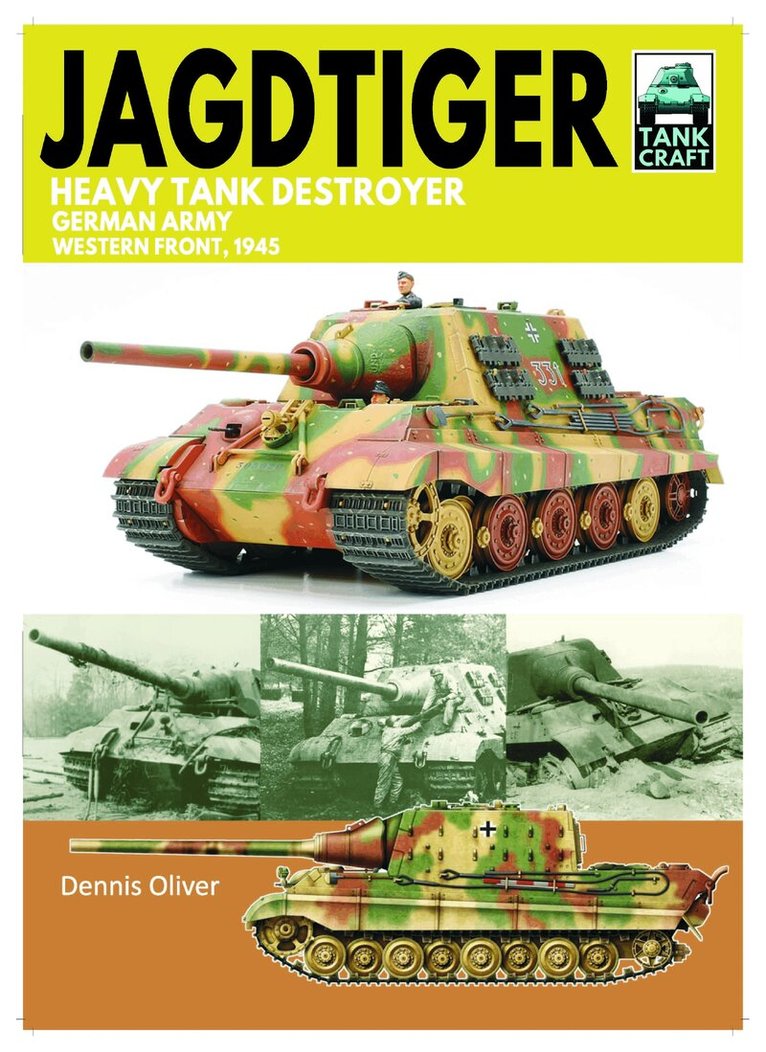
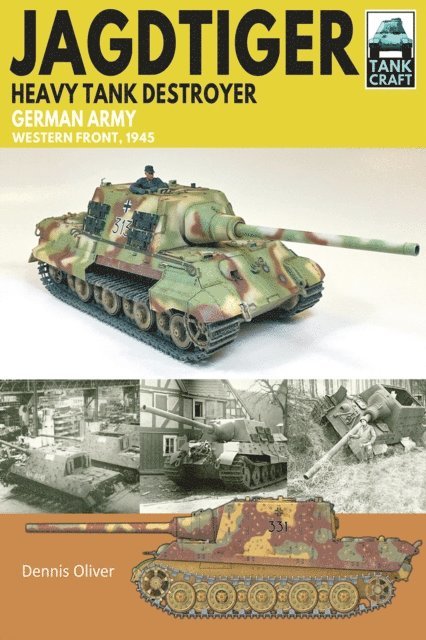
By 1943, confronted by heavier enemy tanks in increasing numbers, German field commanders were asking for a more potent tank destroyer, building on the success of the Sturmgeschütz programme. Coincidentally, at this time the Tiger II was well into the development stage and experiments were being undertaking with the huge 12.8cm L/55 gun, originally designed as an anti-aircraft weapon, and the two were eventually combined as the Panzerjäger Tiger ausf B, better known as the Jagdtiger. Going into combat for the first time in January 1945 these massive vehicles were almost impervious to any anti-tank gun in service at the time and the 12.8cm weapon could penetrate the thickest armour. It was the largest armoured fighting vehicle to see action during the Second World War and Hitler was so impressed with these gigantic tank killers that he was briefed on the progress of individual vehicles on a daily basis. Drawing on official documentation and unit histories Dennis Oliver investigates the formations that operated these deservedly famous vehicles and uses archive photos and extensively researched colour illustrations to examine the markings, camouflage and technical aspects of the Jagdtigers that fought in the last battles of the war. A key section of his book displays available model kits and aftermarket products, complemented by a gallery of beautifully constructed and painted models in various scales. Technical details as well as modifications introduced during production and in the field are also examined, providing everything the modeller needs to recreate an accurate representation of these historic vehicles.
E-bok
PDF, Engelska, 2024159 kr
Läs direkt efter köp
"....this series has become a favorite of many modelers and enthusiasts alike. It is well worth picking up if you are an enthusiast of armor or the modeling of it." — ModelingMadness.Com By 1943, confronted by heavier enemy tanks in increasing numbers, German field commanders were asking for a more potent tank destroyer, building on the success of the Sturmgeschütz program. Coincidentally, at this time the Tiger II was well into the development stage and experiments were being undertaking with the huge 12.8cm L/55 gun, originally designed as an anti-aircraft weapon, and the two were eventually combined as the Panzerjäger Tiger ausf B, better known as the Jagdtiger. Going into combat for the first time in January 1945 these massive vehicles were almost impervious to any anti-tank gun in service at the time and the 12.8cm weapon could penetrate the thickest armor. It was the largest armored fighting vehicle to see action during the Second World War and Hitler was so impressed with these gigantic tank killers that he was briefed on the progress of individual vehicles on a daily basis. Drawing on official documentation and unit histories Dennis Oliver investigates the formations that operated these deservedly famous vehicles and uses archive photos and extensively researched color illustrations to examine the markings, camouflage and technical aspects of the Jagdtigers that fought in the last battles of the war. A key section of his book displays available model kits and aftermarket products, complemented by a gallery of beautifully constructed and painted models in various scales. Technical details as well as modifications introduced during production and in the field are also examined, providing everything the modeller needs to recreate an accurate representation of these historic vehicles.
Häftad, Engelska, 2024
202 kr
Skickas
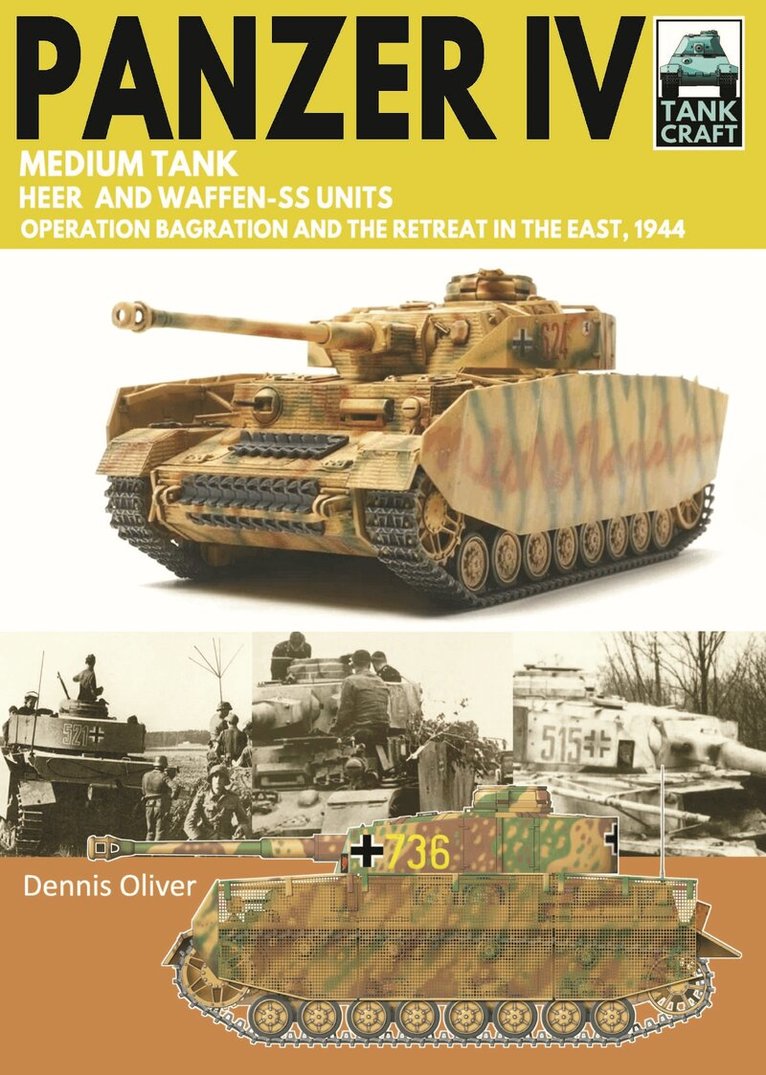
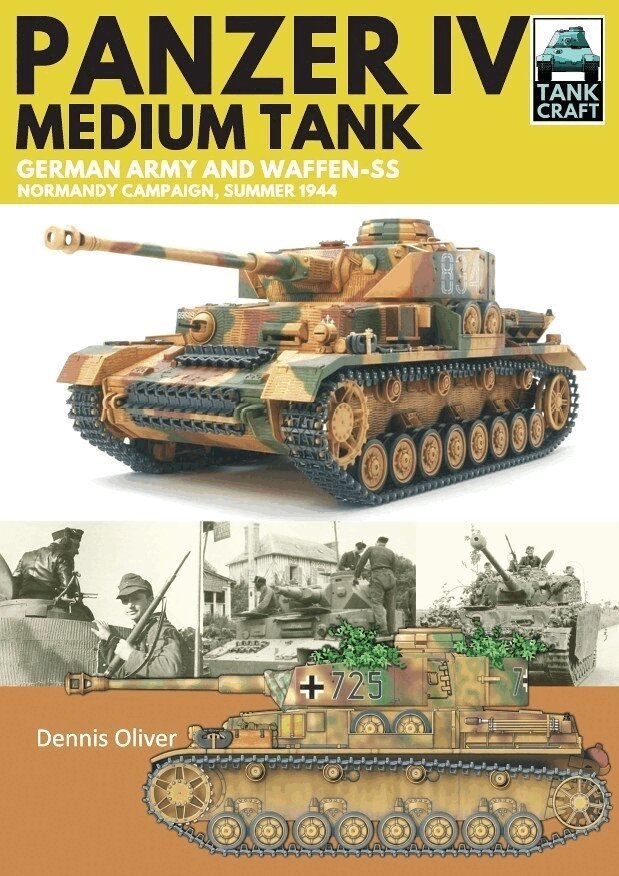
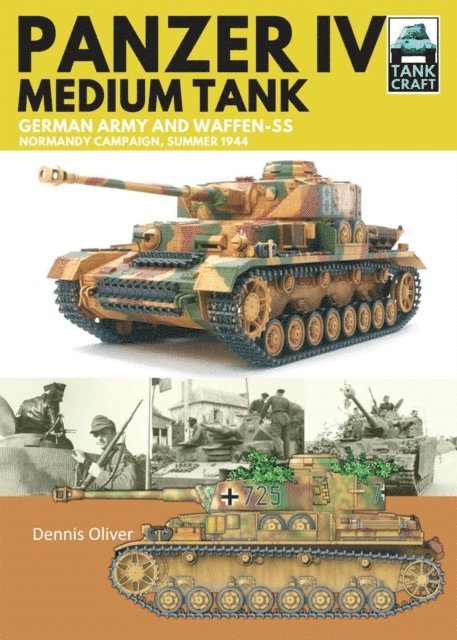
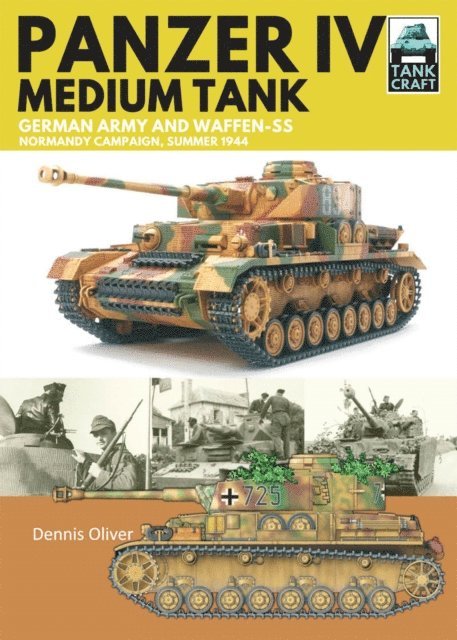
Originally developed to support the infantry formations of the Germany's armoured divisions, the Pzkpfw IV medium tank was increasingly pressed into service as a tank killer as stronger and more well-armoured enemy vehicles were encountered. By the end of 1943, despite the appearance of the Tiger and Panther, it could be said that the Pzkpfw IV was the most important tank, at least numerically, in the Wehrmacht's arsenal. Mechanically reliable and relatively cheap to produce the tank's large wheel base and turret circumference meant that it could be up-gunned with minimal disruption to production and adapted to a number of different roles including self-propelled anti-tank gun, anti-aircraft tank, bridgelayer and armoured recovery vehicle. Although assembly of the Pzkpfw IV was officially terminated in late 1944, as the tank had fallen out of favour with Hitler, production was soon resumed and continued until the final days of the conflict. In Dennis Oliver's latest volume in the TankCraft series he uses archive photos and extensively researched colour illustrations to examine the later models of the Pzkpfw IV tank and the units that operated this deservedly famous armoured vehicle during the savage defensive battles against the Soviet army on the Eastern Front in the last months of the war. A key section of his book displays available model kits and aftermarket products, complemented by a gallery of beautifully constructed and painted models in various scales. Technical details as well as modifications introduced during production and in the field are also examined, providing everything the modeller needs to recreate an accurate representation of these historic tanks.Dennis Oliver is the author of over twenty books on Second World War armoured vehicles including Panzer IV Medium Tank: German Army and Waffen-SS Normandy Campaign, Summer 1944 and Panther Tanks: Germany Army Panzer Brigades Western and Eastern Fronts, 1944–1945
129 kr
Läs direkt efter köp
A key section of his book displays available model kits and aftermarket products, complemented by a gallery of beautifully constructed and painted models in various scales. Originally developed to support the infantry formations of the Germany''s armored divisions, the Pzkpfw IV medium tank was increasingly pressed into service as a tank killer as stronger and more well-armored enemy vehicles were encountered. By the end of 1943, despite the appearance of the Tiger and Panther, it could be said that the Pzkpfw IV was the most important tank, at least numerically, in the Wehrmacht''s arsenal. Mechanically reliable and relatively cheap to produce the tank''s large wheel base and turret circumference meant that it could be up-gunned with minimal disruption to production and adapted to a number of different roles including self-propelled anti-tank gun, anti-aircraft tank, bridgelayer and armored recovery vehicle. Although assembly of the Pzkpfw IV was officially terminated in late 1944, as the tank had fallen out of favour with Hitler, production was soon resumed and continued until the final days of the conflict. In Dennis Oliver''s latest volume in the TankCraft series he uses archive photos and extensively researched color illustrations to examine the later models of the Pzkpfw IV tank and the units that operated this deservedly famous armored vehicle during the savage defensive battles against the Soviet army on the Eastern Front in the last months of the war. A key section of his book displays available model kits and aftermarket products, complemented by a gallery of beautifully constructed and painted models in various scales. Technical details as well as modifications introduced during production and in the field are also examined, providing everything the modeller needs to recreate an accurate representation of these historic tanks.Dennis Oliver is the author of over twenty books on Second World War armored vehicles including Panzer IV Medium Tank: German Army and Waffen-SS Normandy Campaign, Summer 1944 and Panther Tanks: Germany Army Panzer Brigades Western and Eastern Fronts, 1944–1945
E-bok
PDF, Engelska, 2024129 kr
Läs direkt efter köp
A key section of his book displays available model kits and aftermarket products, complemented by a gallery of beautifully constructed and painted models in various scales. Originally developed to support the infantry formations of the Germany''s armored divisions, the Pzkpfw IV medium tank was increasingly pressed into service as a tank killer as stronger and more well-armored enemy vehicles were encountered. By the end of 1943, despite the appearance of the Tiger and Panther, it could be said that the Pzkpfw IV was the most important tank, at least numerically, in the Wehrmacht''s arsenal. Mechanically reliable and relatively cheap to produce the tank''s large wheel base and turret circumference meant that it could be up-gunned with minimal disruption to production and adapted to a number of different roles including self-propelled anti-tank gun, anti-aircraft tank, bridgelayer and armored recovery vehicle. Although assembly of the Pzkpfw IV was officially terminated in late 1944, as the tank had fallen out of favour with Hitler, production was soon resumed and continued until the final days of the conflict. In Dennis Oliver''s latest volume in the TankCraft series he uses archive photos and extensively researched color illustrations to examine the later models of the Pzkpfw IV tank and the units that operated this deservedly famous armored vehicle during the savage defensive battles against the Soviet army on the Eastern Front in the last months of the war. A key section of his book displays available model kits and aftermarket products, complemented by a gallery of beautifully constructed and painted models in various scales. Technical details as well as modifications introduced during production and in the field are also examined, providing everything the modeller needs to recreate an accurate representation of these historic tanks.Dennis Oliver is the author of over twenty books on Second World War armored vehicles including Panzer IV Medium Tank: German Army and Waffen-SS Normandy Campaign, Summer 1944 and Panther Tanks: Germany Army Panzer Brigades Western and Eastern Fronts, 1944–1945
Häftad, Engelska, 2025
350 kr
Skickas inom 3-6 vardagar
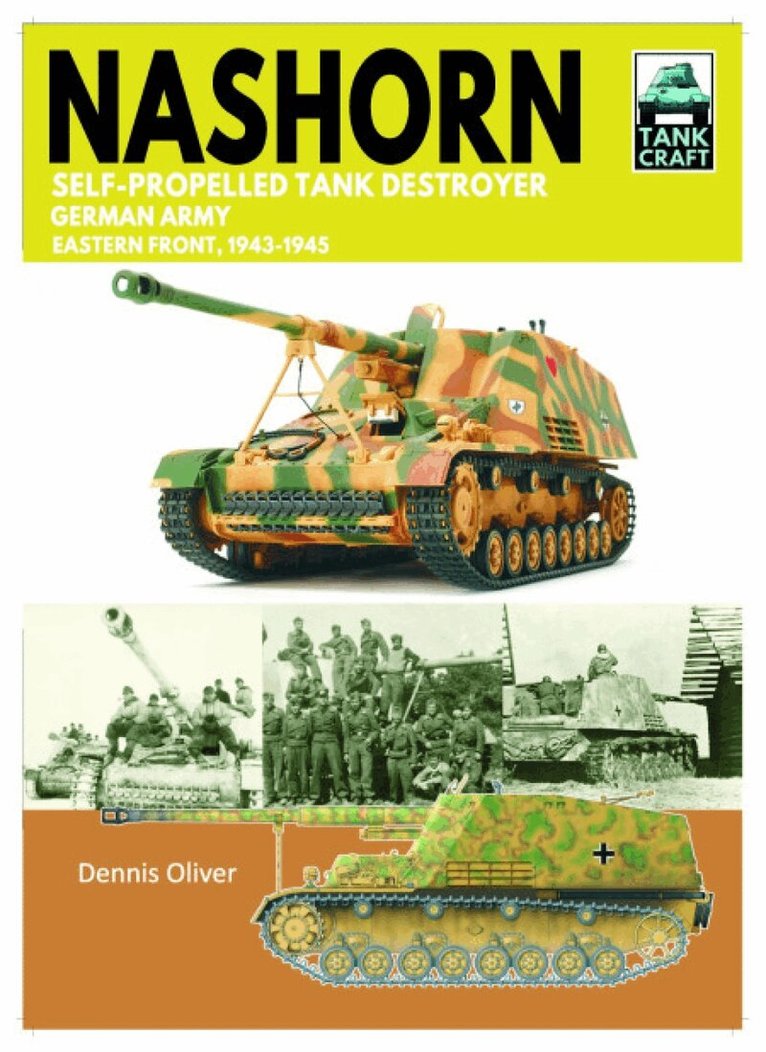
Combining the destructive firepower of the famous 8.8cm gun with the mobility of the Pzkpfw IV medium tank, the Panzerjäger Nashorn, or rhinoceros, was quite possibly one of the most effective tank destroyers of the Second World War, although less than 500 were built. Issued to specially created heavy anti-tank battalions the Nashorn went into action for the first time during Operation Citadel, the battles around Kursk on the Eastern Front, in mid-1943 where it was immediately hailed as a success. Initial doubts about the vehicle's lack of thick armour, or even a roof for the superstructure, were forgotten when it was found that the 8.8cm gun, backed by superior gun sights and range-findering optics, could destroy the heaviest Soviet tanks while the Nashorn remained out of range. Examples also found their way to Italy and the Western Front but it was really on the open fields of eastern Europe that the Nashorn excelled. In his latest book in the TankCraft series, Dennis Oliver uses contemporary photographs and meticulously researched, superbly presented colour and monochrome illustrations to tell the story of these self-propelled anti-tank weapons and the units which operated them in the German defence of the Eastern Front. As with all the books in the TankCraft series, a large part of this work showcases available model kits and aftermarket products, complemented by a gallery of expertly constructed and painted models. Technical details as well as modifications introduced during production and in the field are also explained giving the modeller all the information and knowledge required.
E-bok
Engelska, 202315 kr
Läs direkt efter köp
"....a well-researched title that covers a lesser known type and that manages to squeeze a heck of a lot into 64 pages." —WarWheelsThe lightning advances of the German armored units during the Polish and French campaigns were spearheaded by fast-moving, armed reconnaissance vehicles. But these early designs suffered heavily due to their light weaponry and thin armor and a program was soon underway, led by the firm of Büssing-NAG, which culminated in the development of the Sdkfz 234 series of heavy eight-wheeled armored cars, the first of which entered service in late 1943. These vehicles proved to be rugged and reliable and were gradually up-armed to serve in the infantry support role and eventually as tank killers. This volume of the LandCraft series concludes the story of the Sdkfz 234 series, examining the versions that took part in the last battles of the war. Using archive photos and extensively researched color illustrations Dennis Oliver examines the Sdkfz 234/1 and Sdkfz 234/2 and the units that operated these often neglected, yet important, armored vehicles. A key section of his book displays available model kits and aftermarket products, complemented by a gallery of beautifully constructed and painted models in various scales. Technical details as well as modifications introduced during production and in the field are also examined, providing everything the modeler needs to recreate an accurate representation of these historic tanks.
Häftad, Engelska, 2022
208 kr
Skickas
The Allied invasions of Sicily and the Italian mainland had been met with tenacious resistance by the Germans but the defence consisted for the most part of armoured units that were little different to those the British had faced in North Africa. But in early 1944, with the landings at Anzio and Nettuno and the attempt to bypass the German defensive line, the Wehrmacht's high command began shipping heavier and more powerful tanks to the Southern Front including an increasing number Tigers and Panthers. The initial models of the latter had gone into combat for the first time in July 1943 and it was planned that every Panzer regiment would eventually contain a battalion of these impressive vehicles. Drawing on official documentation and unit histories Dennis Oliver investigates the formations that operated these deservedly famous vehicles and uses archive photos and extensively researched colour illustrations to examine the markings, camouflage and technical aspects of the Pzkpfw V tanks that wee an integral part of the German defence of the Italian peninsula. A key section of his book displays available model kits and aftermarket products, complemented by a gallery of beautifully constructed and painted models in various scales. Technical details as well as modifications introduced during production and in the field are also examined, providing everything the modeller needs to recreate an accurate representation of these historic vehicles.
E-bok
Engelska, 2022129 kr
Läs direkt efter köp
The Allied invasions of Sicily and the Italian mainland had been met with tenacious resistance by the Germans but the defense consisted for the most part of armored units that were little different to those the British had faced in North Africa. But in early 1944, with the landings at Anzio and Nettuno and the attempt to bypass the German defensive line, the Wehrmacht’s high command began shipping heavier and more powerful tanks to the Southern Front including an increasing number Tigers and Panthers. The initial models of the latter had gone into combat for the first time in July 1943 and it was planned that every Panzer regiment would eventually contain a battalion of these impressive vehicles. Drawing on official documentation and unit histories Dennis Oliver investigates the formations that operated these deservedly famous vehicles and uses archive photos and extensively researched color illustrations to examine the markings, camouflage and technical aspects of the Pzkpfw V tanks that wee an integral part of the German defense of the Italian peninsula. A key section of his book displays available model kits and aftermarket products, complemented by a gallery of beautifully constructed and painted models in various scales. Technical details as well as modifications introduced during production and in the field are also examined, providing everything the modeler needs to recreate an accurate representation of these historic vehicles.
E-bok
PDF, Engelska, 2022129 kr
Läs direkt efter köp
The Allied invasions of Sicily and the Italian mainland had been met with tenacious resistance by the Germans but the defense consisted for the most part of armored units that were little different to those the British had faced in North Africa. But in early 1944, with the landings at Anzio and Nettuno and the attempt to bypass the German defensive line, the Wehrmacht’s high command began shipping heavier and more powerful tanks to the Southern Front including an increasing number Tigers and Panthers. The initial models of the latter had gone into combat for the first time in July 1943 and it was planned that every Panzer regiment would eventually contain a battalion of these impressive vehicles. Drawing on official documentation and unit histories Dennis Oliver investigates the formations that operated these deservedly famous vehicles and uses archive photos and extensively researched color illustrations to examine the markings, camouflage and technical aspects of the Pzkpfw V tanks that wee an integral part of the German defense of the Italian peninsula. A key section of his book displays available model kits and aftermarket products, complemented by a gallery of beautifully constructed and painted models in various scales. Technical details as well as modifications introduced during production and in the field are also examined, providing everything the modeler needs to recreate an accurate representation of these historic vehicles.
Häftad, Engelska, 2022
208 kr
Skickas
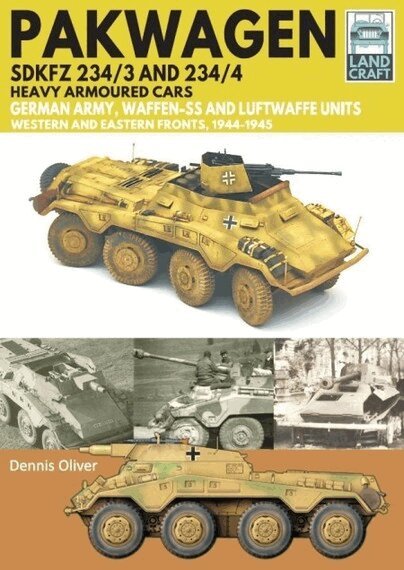
Experience in the Polish and French campaigns had convinced the German high command of the value of fast-moving, armed reconnaissance vehicles. But it was realised that many of the early designs were too lightly-armed and development of a heavy eight-wheeled prototype resulted in the Sdkfz 234 series of armoured cars, the first of which entered service in late 1943. Built by the firm of Bussing-NAG, these sturdy and reliable vehicles were gradually up-armed and served in the infantry support role and eventually as tank killers, largely as the result of Hitler's desperation to arm as many vehicles as possible with anti-tank weapons. Drawing on official documentation and unit histories Dennis investigates the formations that operated these vehicles and uses archive photos and extensively researched colour illustrations to examine the markings, camouflage and technical aspects of the Sdkfz 234/2, 234/3 and 234/4 armoured cars that served on the Western and Eastern Fronts in the last months of the war. A key section of his book displays available model kits and aftermarket products, complemented by a gallery of beautifully constructed and painted models in various scales. Technical details as well as modifications introduced during production and in the field are also examined, providing everything the modeller needs to recreate an accurate representation of these historic vehicles.
Häftad, Engelska, 2023
208 kr
Skickas
The Sherman tank served with most Allied armies during the Second World War and it is justly famous for the role it played in the Normandy landings and the subsequent drive into Germany. But the part played by the British commonwealth armoured units in the Italian campaign is less well known and in his latest volume in the TankCraft series Dennis Oliver uses wartime photos, extensively researched text and highly-detailed colour illustrations to cover the Sherman tanks of the Canadian, New Zealand and South African armies that battled their way up the Italian peninsula. Although it was often out-gunned by its opponents the Sherman's ability to handle the worst terrain and its mechanical reliability ensured that it was at the forefront of every battle and contributed greatly to the final Allied victory. Examined in this book are both the 75mm armed version and the potent tank killer referred to toady as the Firefly, as well as a number of little-known field modifications. A large part of this work showcases available model kits and aftermarket products, complemented by a gallery of beautifully constructed and painted models in various scales. Technical details as well as modifications introduced during production and in the field are also examined, providing everything the modeller needs to recreate an accurate representation of these historic vehicles.