Dereje Feyissa – författare
Visar alla böcker från författaren Dereje Feyissa. Handla med fri frakt och snabb leverans.
10 produkter
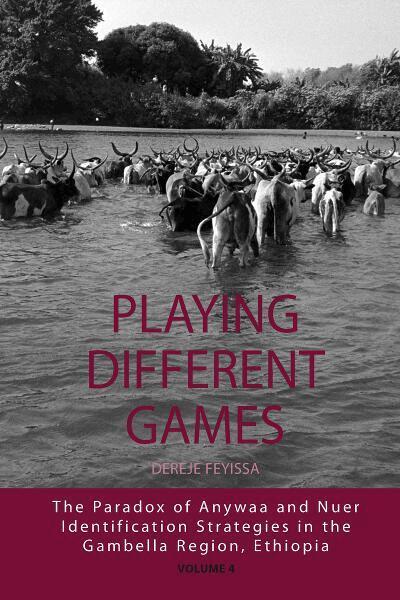
Playing Different Games
The Paradox of Anywaa and Nuer Identification Strategies in the Gambella Region, Ethiopia
E-bok, 2011
319 kr
Lägg i varukorg
Focusing on ethnicity and its relation to conflict, this book goes beyond sterile debates about whether ethnic identities are ‘natural’ or ‘socially constructed’. Rather, ethnic identity takes different forms. Some ethnic boundaries are perceived by the actors themselves as natural, while others …
Playing Different Games
The Paradox of Anywaa and Nuer Identification Strategies in the Gambella Region, Ethiopia
Inbunden, 2011
1921 kr
Lägg i varukorg
Focusing on ethnicity and its relation to conflict, this book goes beyond sterile debates about whether ethnic identities are ‘natural’ or ‘socially constructed’. Rather, ethnic identity takes different forms. Some ethnic boundaries are perceived by the actors themselves as natural, while others …
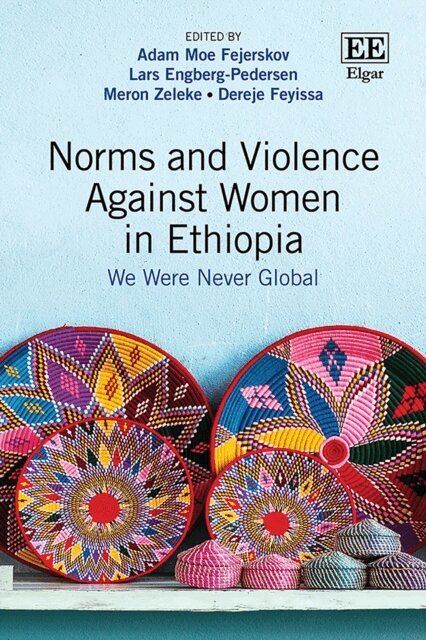
Norms and Violence Against Women in Ethiopia
We Were Never Global
Av Adam Moe Fejerskov, Lars Engberg-Pedersen m. fl.
Inbunden, 2026
1643 kr
Lägg i varukorg
This book examines the complex subject of violence against women (VAW), moving beyond ways of thinking that privilege Western positions and subordinate local perspectives. Chapters analyse the profound clashes between different perspectives on VAW, demonstrating how actors engage with such norms in …
Norms and Violence Against Women in Ethiopia
We Were Never Global
Av Dereje Feyissa, Meron Zeleke m. fl.
E-bok, 2026
26 kr
Lägg i varukorg
This book examines the complex subject of violence against women (VAW), moving beyond ways of thinking that privilege Western positions and subordinate local perspectives. Chapters analyse the profound clashes between different perspectives on VAW, demonstrating how actors engage with such norms in …
Norms and Violence Against Women in Ethiopia
We Were Never Global
Av Dereje Feyissa, Meron Zeleke m. fl.
E-bok, 2026
449 kr
Lägg i varukorg
This book examines the complex subject of violence against women (VAW), moving beyond ways of thinking that privilege Western positions and subordinate local perspectives. Chapters analyse the profound clashes between different perspectives on VAW, demonstrating how actors engage with such norms in …
Migration as a Collective Project
A Temporal Perspective on Hadiya Migration to South Africa
Av Fana Gebresenbet, Dereje Feyissa
E-bok, 2026
779 kr
Lägg i varukorg
This book seeks to broaden the conversation in migration studies by incorporating a collective perspective, as illustrated by the case study of Hadiya migration from Southern Ethiopia to South Africa. Rather than presenting individualism and communalism as opposing forces, the authors conceptualize …
Migration as a Collective Project
A Temporal Perspective on Hadiya Migration to South Africa
Av Fana Gebresenbet, Dereje Feyissa
E-bok, 2026
779 kr
Lägg i varukorg
This book seeks to broaden the conversation in migration studies by incorporating a collective perspective, as illustrated by the case study of Hadiya migration from Southern Ethiopia to South Africa. Rather than presenting individualism and communalism as opposing forces, the authors conceptualize …
Migration as a Collective Project
A Temporal Perspective on Hadiya Migration to South Africa
Av Dereje Feyissa, Fana Gebresenbet
Inbunden, 2026
2512 kr
Lägg i varukorg
This book seeks to broaden the conversation in migration studies by incorporating a collective perspective, as illustrated by the case study of Hadiya migration from Southern Ethiopia to South Africa.Rather than presenting individualism and communalism as opposing forces, the authors conceptualize …
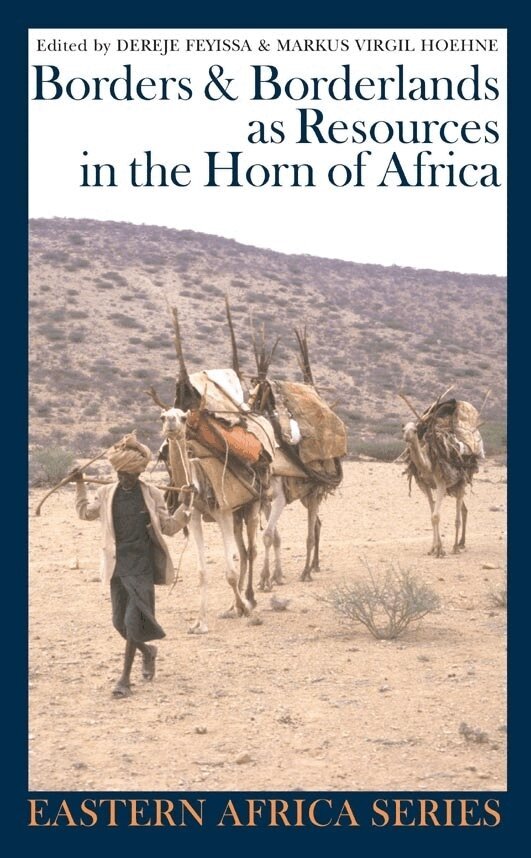
Borders and Borderlands as Resources in the Horn of Africa
Av Markus Virgil Hoehne, Dereje Feyissa m. fl.
Inbunden, 2010
1109 kr
Lägg i varukorg
Borders offer opportunities as well as restrictions, and in the Horn of Africa they are used as economic, political, identity and status resources by borderland peoples.State borders are more than barriers. They structure social, economic and political spaces and as such provide opportunities as …
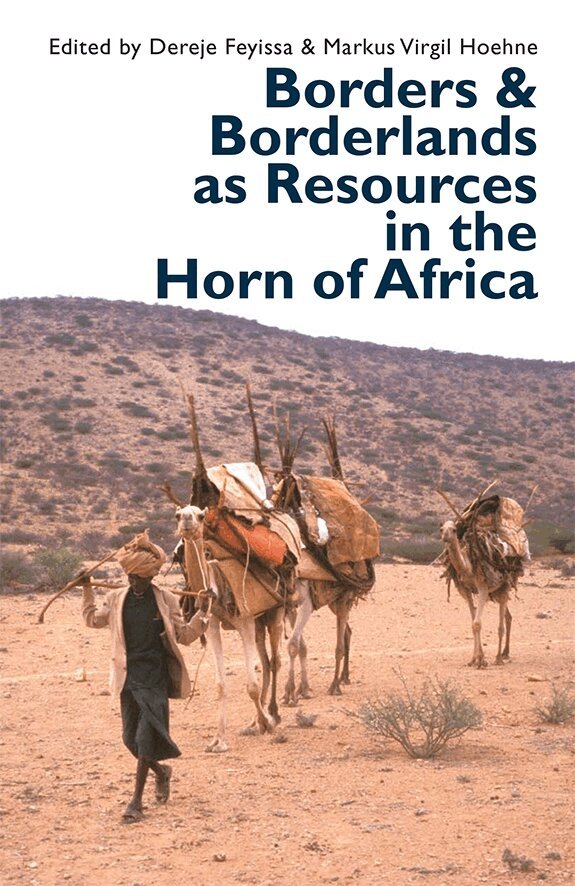
Borders and Borderlands as Resources in the Horn of Africa
Av Dereje Feyissa, Markus Virgil Hoehne
Häftad, 2015
302 kr
Lägg i varukorg
Borders offer opportunities as well as restrictions, and in the Horn of Africa they are used as economic, political, identity and status resources by borderland peoples.State borders are more than barriers. They structure social, economic and political spaces and as such provide opportunities as …