Derek Beales – författare
Visar alla böcker från författaren Derek Beales. Handla med fri frakt och snabb leverans.
12 produkter
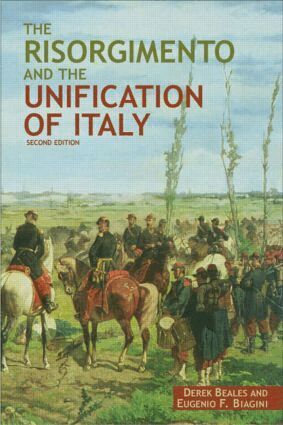
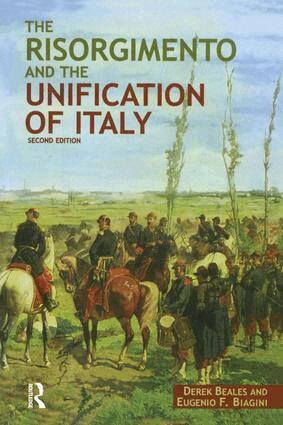
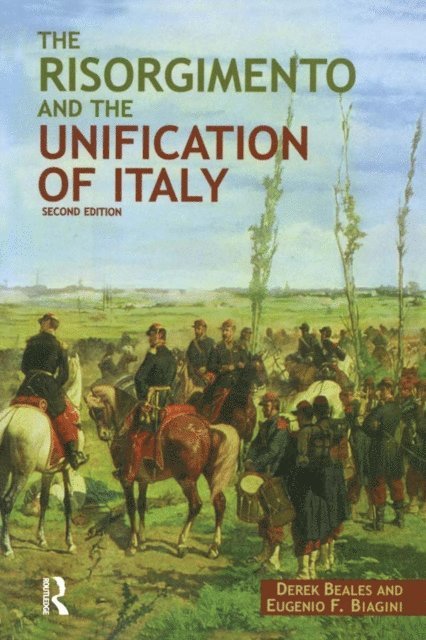
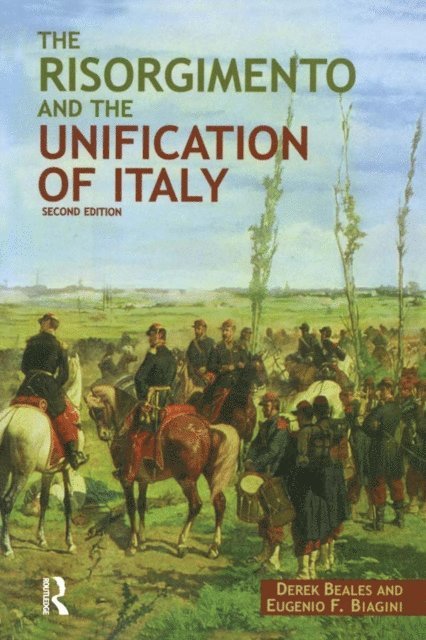
Risorgimento and the Unification of Italy
Av Derek Beales, Eugenio F. Biagini
Häftad, 2002
849 kr
Lägg i varukorg
This book introduces the reader to the relationship between the Italian national movement, achieved by the Risorgimento, and the Italian unification in 1860. These themes are discussed in detail and related to the broader European theatre. Covering the literary, cultural, religious and political …
From Castlereagh to Gladstone: 1815-1885
Av Derek Beales
Häftad, 1969
324 kr
Lägg i varukorg
With the defeat of Napoleon at Waterloo in 1815, Britain was again pre-eminent among the great powers, and was to remain so for the next seventy years. Her colonial empire was far more extensive than that of any other country; London was the financial capital of the world; she had the largest navy …
History Society Church
Av Derek Beales, Geoffrey Best m. fl.
Häftad, 2005
574 kr
Lägg i varukorg
This book contains essays within a common theme by a group of distinguished historians (some of them acknowledged world leaders in their fields) in honour of the just-retired Regius Professor of Modern History at the University of Cambridge, whose contribution to religion, education and history has …
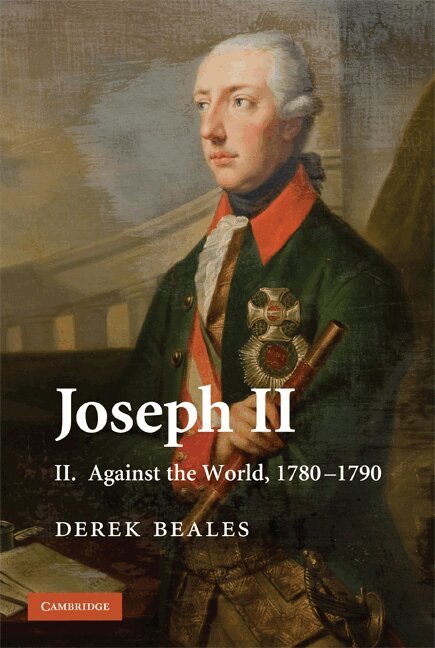
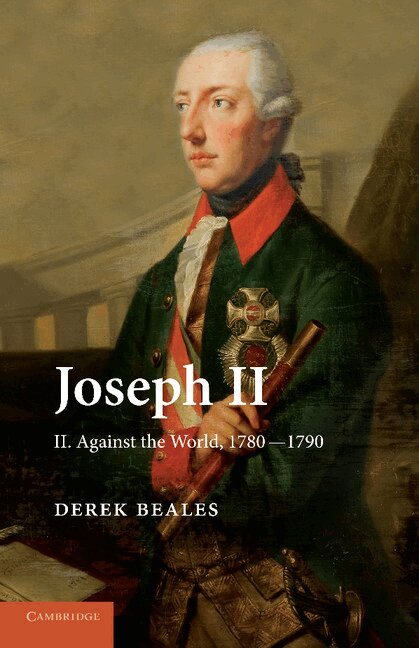
Joseph II: Volume 2, Against the World, 1780-1790
Av Derek Beales
Inbunden, 2009
2482 kr
Lägg i varukorg
This second and final volume of Derek Beales's magisterial biography of the emperor Joseph II describes the period when he was sole ruler of the Austrian monarchy. Influenced partly by Enlightenment ideals, Joseph relaxed censorship, introduced wide-ranging religious toleration and fostered a 'new …
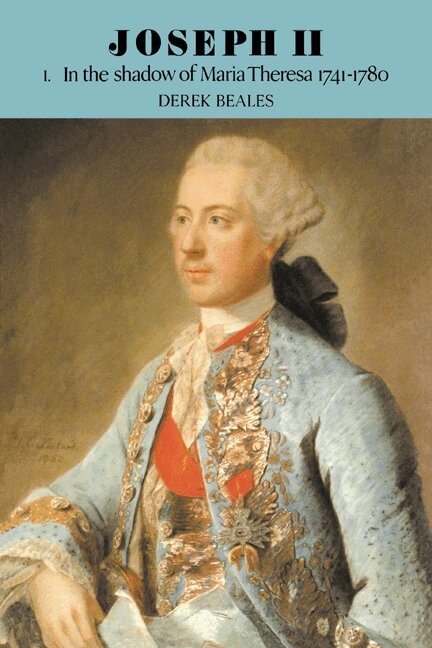
Joseph II: Volume 1, In the Shadow of Maria Theresa, 1741-1780
Av Derek Beales
Häftad, 2008
905 kr
Lägg i varukorg
The emperor Joseph II (1741-90) tried to carry through something like a 'revolution from above' in the vast, varied, and mainly backward provinces of the Austrian Monarchy. This volume carries the story down to 1780. It describes the claustrophobic atmosphere, in which Joseph was trained to rule, …
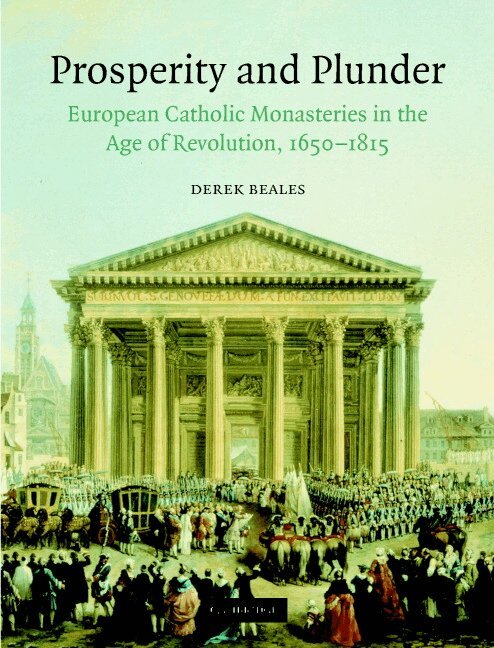
Prosperity and Plunder
European Catholic Monasteries in the Age of Revolution, 1650-1815
Av Derek Beales
Inbunden, 2003
1928 kr
Lägg i varukorg
In the Catholic countries of seventeenth- and early eighteenth-century Europe, communities of monks and nuns were growing in number and wealth. By 1750 there were at least 25,000 communities containing at least 350,000 inmates. They constructed vast buildings, dominated education, and played a …
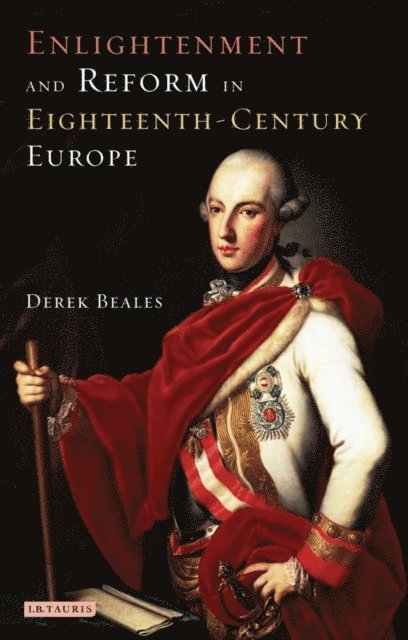
Enlightenment and Reform in Eighteenth-century Europe
Av Derek Beales
E-bok, 2005
434 kr
Lägg i varukorg
The 18th century was a unique period of global and fundamental change. Britain conquered India and much of America, the American Revolution produced the USA, and Russia expanded vastly. In the field of ideas the Scientific Revolution was consolidated and followed by the Enlightenment. Nationalism …
Joseph II: Volume 2, Against the World, 1780-1790
Av Derek Beales
Häftad, 2013
853 kr
Lägg i varukorg
This second and final volume of Derek Beales's magisterial biography of the emperor Joseph II describes the period when he was sole ruler of the Austrian monarchy. Influenced partly by Enlightenment ideals, Joseph relaxed censorship, introduced wide-ranging religious toleration and fostered a 'new …
Risorgimento and the Unification of Italy
Av Derek Beales, Eugenio F. Biagini
Inbunden, 2015
2594 kr
Lägg i varukorg
This book introduces the reader to the relationship between the Italian national movement, achieved by the Risorgimento, and the Italian unification in 1860. These themes are discussed in detail and related to the broader European theatre. Covering the literary, cultural, religious and political …
Risorgimento and the Unification of Italy
Av Eugenio F. Biagini, Derek Beales
E-bok, 2014
999 kr
Lägg i varukorg
This book introduces the reader to the relationship between the Italian national movement, achieved by the Risorgimento, and the Italian unification in 1860. These themes are discussed in detail and related to the broader European theatre. Covering the literary, cultural, religious and political …
Risorgimento and the Unification of Italy
Av Eugenio F. Biagini, Derek Beales
E-bok, 2014
977 kr
Lägg i varukorg
This book introduces the reader to the relationship between the Italian national movement, achieved by the Risorgimento, and the Italian unification in 1860. These themes are discussed in detail and related to the broader European theatre. Covering the literary, cultural, religious and political …
Enlightenment and Reform in 18th-Century Europe
Av Derek Beales
Häftad, 2011
401 kr
Lägg i varukorg
The 18th century was a unique period of global and fundamental change. Britain conquered India and much of America, the American Revolution produced the USA, and Russia expanded vastly. In the field of ideas the Scientific Revolution was consolidated and followed by the Enlightenment. Nationalism …