Derek Bosworth – författare
Visar alla böcker från författaren Derek Bosworth. Handla med fri frakt och snabb leverans.
5 produkter
Management of Intellectual Property
Av Derek Bosworth, Elizabeth Webster
Inbunden, 2006
2139 kr
Lägg i varukorg
This book brings together innovative contributions on the management of intellectual property (IP) and intellectual property rights by an esteemed and multi-disciplinary group of economists, management scientists, accountants and lawyers. Offering a broad and enlightening picture of the measurement …
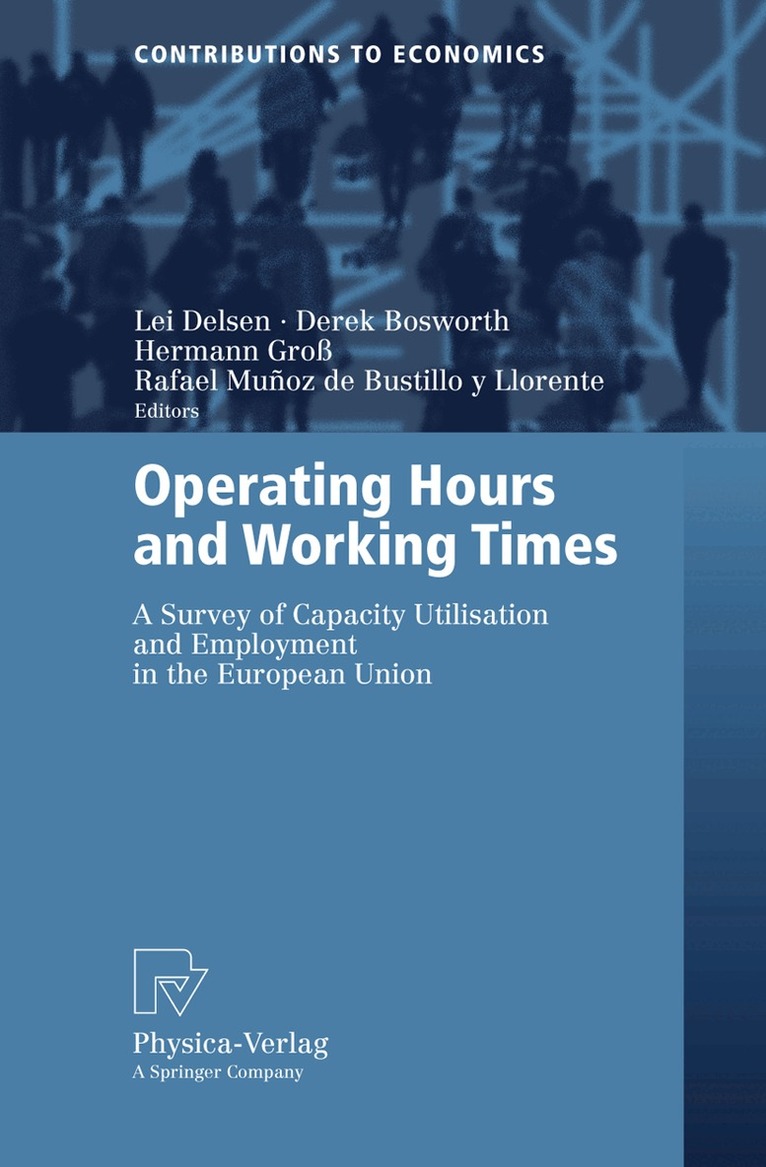
Operating Hours and Working Times
A Survey of Capacity Utilisation and Employment in the European Union
Av Lei Delsen, Derek Bosworth m. fl.
Häftad, 2006
1130 kr
Lägg i varukorg
The book presents the descriptive findings and analytical results from the recent representative European Union Company survey of Operating hours, Working times and Employment (EUCOWE) in France, Germany, the Netherlands, Portugal, Spain and the United Kingdom. The EUCOWE-project is the first …
Operating Hours and Working Times
A Survey of Capacity Utilisation and Employment in the European Union
Av Rafael Munoz de Bustillo y Llorente, Hermann Gro m. fl.
E-bok, 2006
1502 kr
Lägg i varukorg
The book presents the descriptive findings and analytical results from the recent representative European Union Company survey of Operating hours, Working times and Employment (EUCOWE) in France, Germany, the Netherlands, Portugal, Spain and the United Kingdom. The EUCOWE-project is the first …
Work Patterns and Capital Utilisation
An International Comparative Study
Av Dominique Taddei, Thomas Sterner m. fl.
E-bok, 2013
755 kr
Lägg i varukorg
Edmond Malinvaud This book provides a most welcome survey of what statisticians and economists know about an aspect of production that is difficult to precisely characterize but matters a lot for both its importance on economic performance and its social implications. That such a survey is timely …
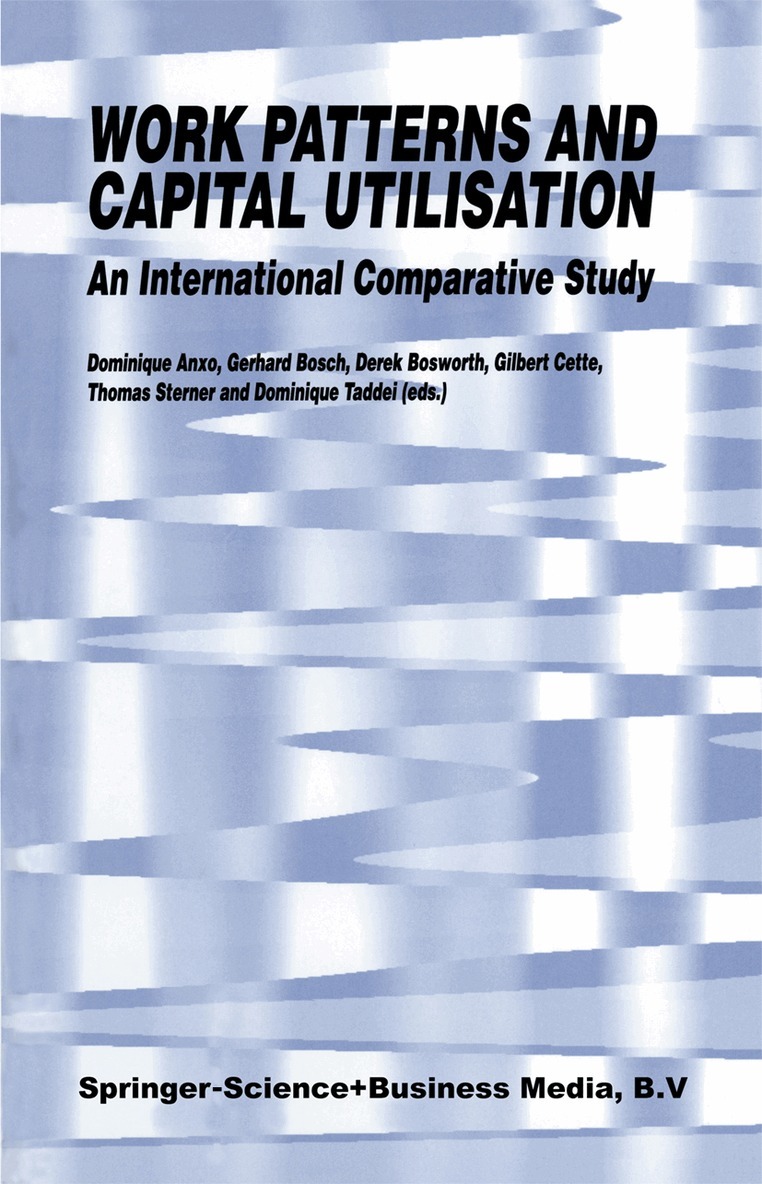
Work Patterns and Capital Utilisation
An International Comparative Study
Av D. Anxo, Gerhard Bosch m. fl.
Häftad, 2013
569 kr
Lägg i varukorg
Edmond Malinvaud This book provides a most welcome survey of what statisticians and economists know about an aspect of production that is difficult to precisely characterize but matters a lot for both its importance on economic performance and its social implications. That such a survey is timely …