Derek Congram – Författare
Visar alla böcker från författaren Derek Congram. Handla med fri frakt och snabb leverans.
2 produkter
2 produkter
885 kr
Skickas inom 3-6 vardagar
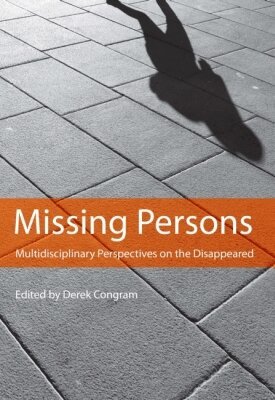
Uniting the voices of twenty-two experts from academic, government, and civil sectors who study and help search for missing persons in Canada and internationally, Derek Congram’s new collection responds to growing public awareness of persons who have disappeared due to armed conflict, repressive regimes, criminal behaviour, and racist and colonial policies towards Indigenous persons and minority populations.Missing Persons centres its attention on the people who seek others, and explores how scientists, law-enforcement agents, and researchers serve and relate to those who miss. This multidisciplinary volume both attends to the varied circumstances of disappearance and illustrates how disparate contexts connect, making for a valuable comparative resource in criminology and forensic anthropology, science, and psychology classrooms.
1 265 kr
Skickas inom 3-6 vardagar
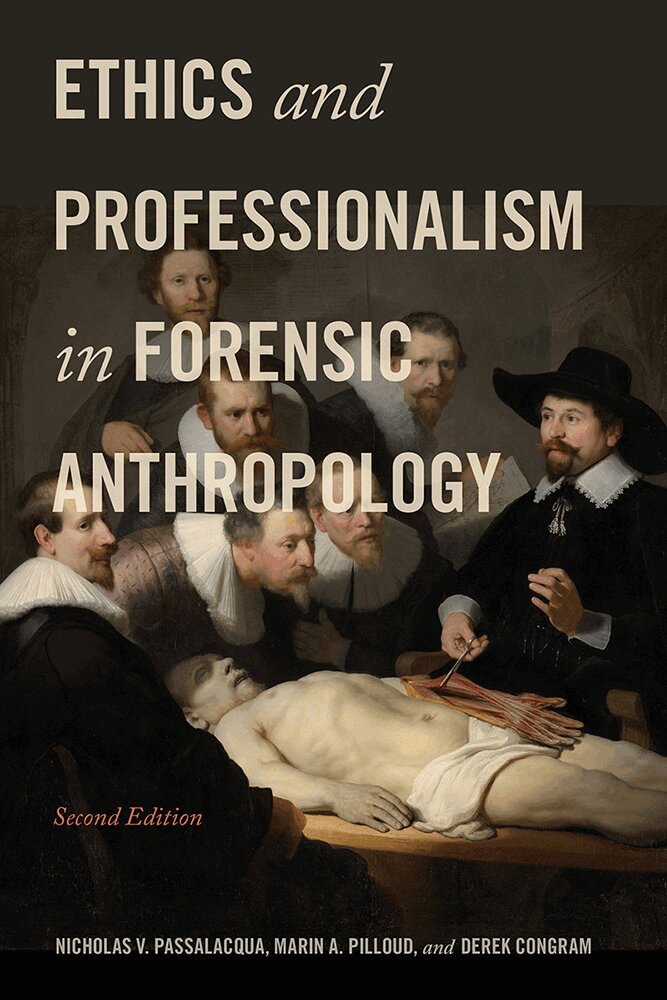
Discussion and case studies of ethical best practices for forensic anthropologyForensic anthropology involves the sensitive work of recovering and analyzing human remains. Its practitioners are often confronted with ethical challenges, but training in this area is limited, and best practices are not fully developed across the discipline. The first edition of this book opened a dialogue for ethically conscious practice in forensic anthropology, and the second edition continues the conversation with updated and additional content.This book defines professionalism in the discipline and discusses situations in which forensic anthropologists may find themselves, including understanding and enforcing ethical codes, identifying misconduct and navigating its adjudication, and acting as expert witnesses in courtrooms. This new edition includes more robust discussions of the ethics of working with human remains within the medicolegal system, education and training in forensic anthropology, and the use of digital representations of human remains.Students and practitioners alike will appreciate chapters focusing on expertise; education, training, and careers; and reporting and testifying. Providing multiple case studies to provoke reflection and discussion, this book prompts readers to think critically about what it means to be a professional forensic anthropologist, how to recognize ethical challenges, and how to conduct themselves when confronted with them.