Derritt Mason - Böcker
Visar alla böcker från författaren Derritt Mason. Handla med fri frakt och snabb leverans.
6 produkter
6 produkter
386 kr
Skickas inom 7-10 vardagar
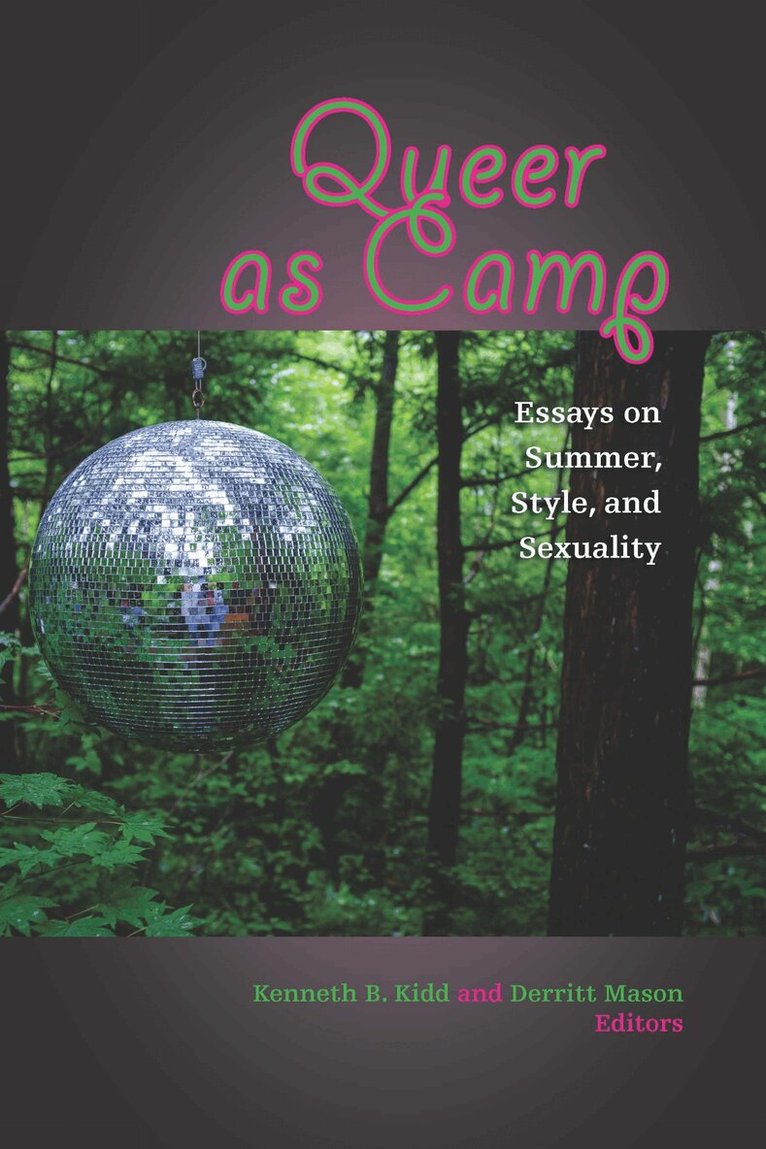
Named the #1 Bestselling Non-Fiction Title by the Calgary HeraldTo camp means to occupy a place and/or time provisionally or under special circumstances. To camp can also mean to queer. And for many children and young adults, summer camp is a formative experience mixed with homosocial structure and homoerotic longing. In Queer as Camp, editors Kenneth B. Kidd and Derritt Mason curate a collection of essays and critical memoirs exploring the intersections of "queer" and "camp," focusing especially on camp as an alternative and potentially nonnormative place and/or time.Exploring questions of identity, desire, and social formation, Queer as Camp delves into the diverse and queer-enabling dimensions of particular camp/sites, from traditional iterations of camp to camp-like ventures, literary and filmic texts about camp across a range of genres (fantasy, horror, realistic fiction, graphic novels), as well as the notorious appropriation of Indigenous life and the consequences of "playing Indian."These accessible, engaging essays examine, variously, camp as a queer place and/or the experiences of queers at camp, including Vermont's Indian Brook, a single-sex girls' camp that has struggled with the inclusion of nonbinary and transgender campers and staff; the role of Jewish summer camp as a complicated site of sexuality, social bonding, and citizen-making as well as a potentially if not routinely queer-affirming place. They also attend to cinematic and literary representations of camp, such as the Eisner award-winning comic series Lumberjanes, which revitalizes and revises the century-old Girl Scout story; Disney's Paul Bunyan, a short film that plays up male homosociality and cross-species bonding while inviting queer identification in the process; Sleepaway Camp, a horror film that exposes and deconstructs anxieties about the gendered body; and Wes Anderson's critically acclaimed Moonrise Kingdom, which evokes dreams of escape, transformation, and other ways of being in the world.Highly interdisciplinary in scope, Queer as Camp reflects on camp and Camp with candor, insight, and often humor. Contributors: Kyle Eveleth, D. Gilson, Charlie Hailey, Ana M. Jimenez-Moreno, Kathryn R. Kent, Mark Lipton, Kerry Mallan, Chris McGee, Roderick McGillis, Tammy Mielke, Alexis Mitchell, Flavia Musinsky, Daniel Mallory Ortberg, Annebella Pollen, Andrew J. Trevarrow, Paul Venzo, Joshua Whitehead
1 695 kr
Skickas inom 10-15 vardagar
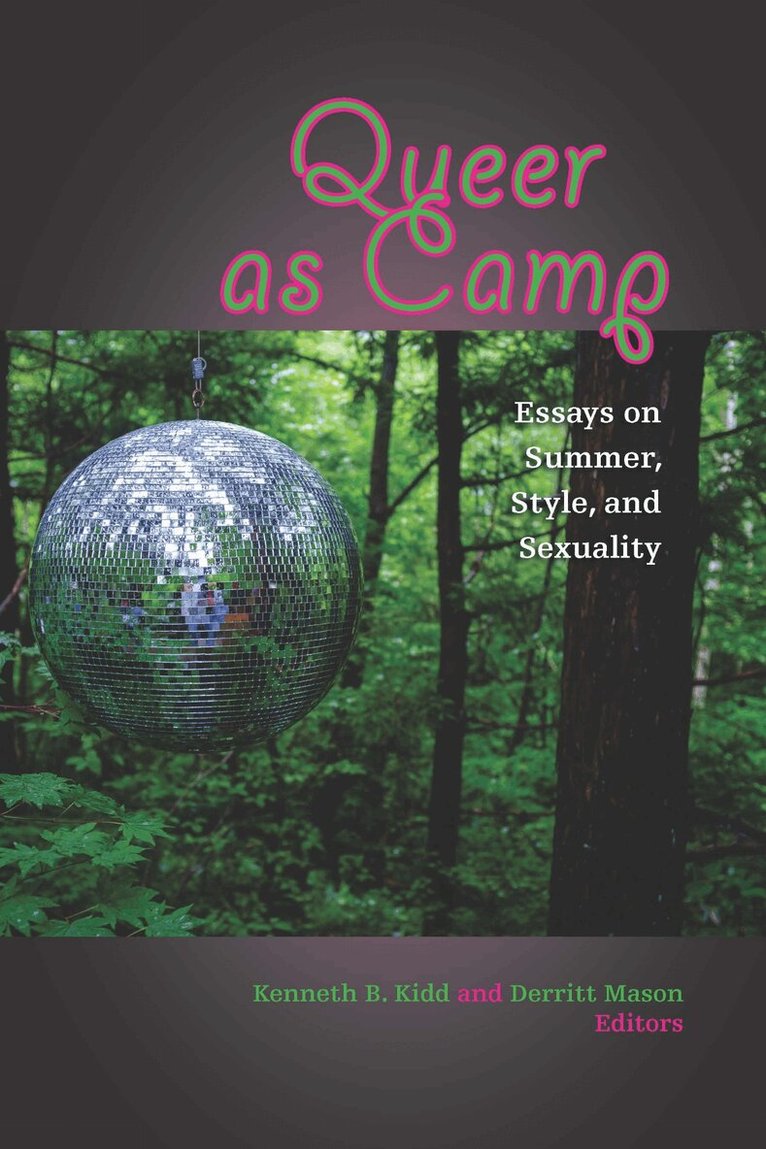
Named the #1 Bestselling Non-Fiction Title by the Calgary HeraldTo camp means to occupy a place and/or time provisionally or under special circumstances. To camp can also mean to queer. And for many children and young adults, summer camp is a formative experience mixed with homosocial structure and homoerotic longing. In Queer as Camp, editors Kenneth B. Kidd and Derritt Mason curate a collection of essays and critical memoirs exploring the intersections of "queer" and "camp," focusing especially on camp as an alternative and potentially nonnormative place and/or time.Exploring questions of identity, desire, and social formation, Queer as Camp delves into the diverse and queer-enabling dimensions of particular camp/sites, from traditional iterations of camp to camp-like ventures, literary and filmic texts about camp across a range of genres (fantasy, horror, realistic fiction, graphic novels), as well as the notorious appropriation of Indigenous life and the consequences of "playing Indian."These accessible, engaging essays examine, variously, camp as a queer place and/or the experiences of queers at camp, including Vermont's Indian Brook, a single-sex girls' camp that has struggled with the inclusion of nonbinary and transgender campers and staff; the role of Jewish summer camp as a complicated site of sexuality, social bonding, and citizen-making as well as a potentially if not routinely queer-affirming place. They also attend to cinematic and literary representations of camp, such as the Eisner award-winning comic series Lumberjanes, which revitalizes and revises the century-old Girl Scout story; Disney's Paul Bunyan, a short film that plays up male homosociality and cross-species bonding while inviting queer identification in the process; Sleepaway Camp, a horror film that exposes and deconstructs anxieties about the gendered body; and Wes Anderson's critically acclaimed Moonrise Kingdom, which evokes dreams of escape, transformation, and other ways of being in the world.Highly interdisciplinary in scope, Queer as Camp reflects on camp and Camp with candor, insight, and often humor. Contributors: Kyle Eveleth, D. Gilson, Charlie Hailey, Ana M. Jimenez-Moreno, Kathryn R. Kent, Mark Lipton, Kerry Mallan, Chris McGee, Roderick McGillis, Tammy Mielke, Alexis Mitchell, Flavia Musinsky, Daniel Mallory Ortberg, Annebella Pollen, Andrew J. Trevarrow, Paul Venzo, Joshua Whitehead
1 339 kr
Skickas inom 7-10 vardagar
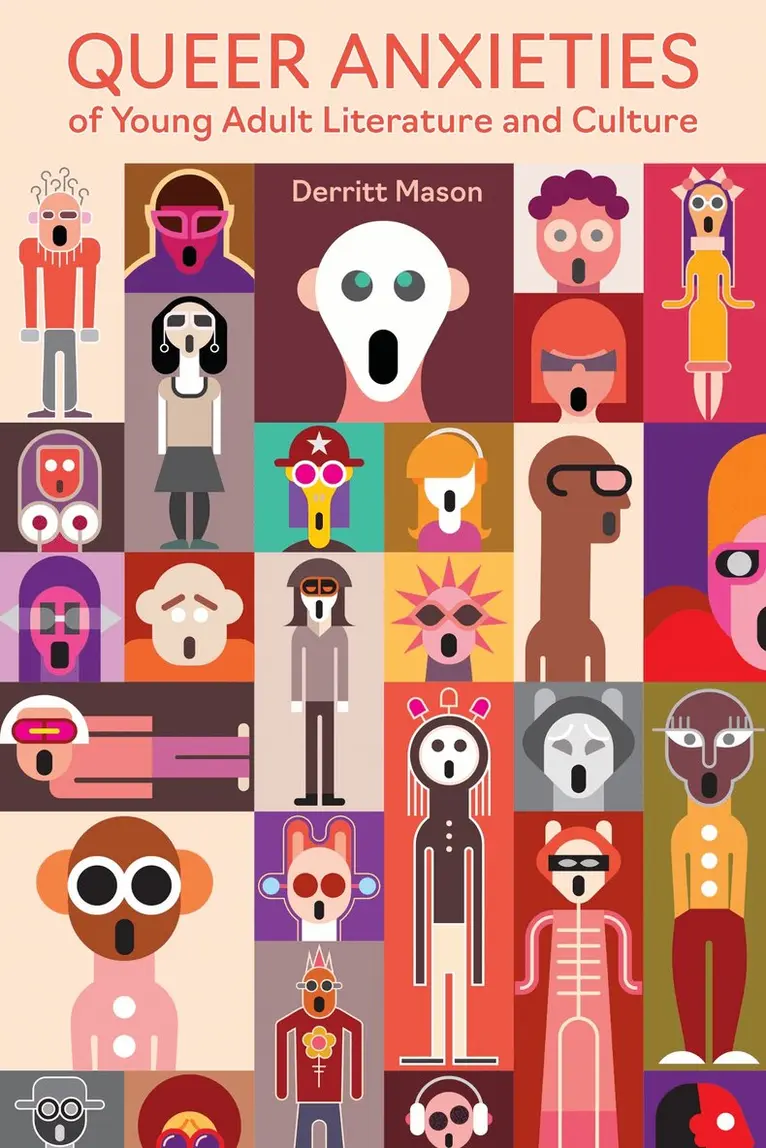
Young adult literature featuring LGBTQ characters is booming. In the 1980s and 1990s, only a handful of such titles were published every year. Recently, these numbers have soared to over one hundred annual releases. Queer characters are also appearing more frequently in film, on television, and in video games. This explosion of queer representation, however, has prompted new forms of longstanding cultural anxieties about adolescent sexuality. What makes for a good "coming out" story? Will increased queer representation in young people's media teach adolescents the right lessons and help queer teens live better, happier lives? What if these stories harm young people instead of helping them?In Queer Anxieties of Young Adult Literature and Culture, Derritt Mason considers these questions through a range of popular media, including an assortment of young adult books; Caper in the Castro, the first-ever queer video game; online fan communities; and popular television series Glee and Big Mouth. Mason argues themes that generate the most anxiety about adolescent culture - queer visibility, risk taking, HIV/AIDS, dystopia and horror, and the promise that "It Gets Better" and the threat that it might not - challenge us to rethink how we read and engage with young people's media. Instead of imagining queer young adult literature as a subgenre defined by its visibly queer characters, Mason proposes that we see "queer YA" as a body of transmedia texts with blurry boundaries, one that coheres around affect - specifically, anxiety - instead of content.
416 kr
Skickas inom 7-10 vardagar
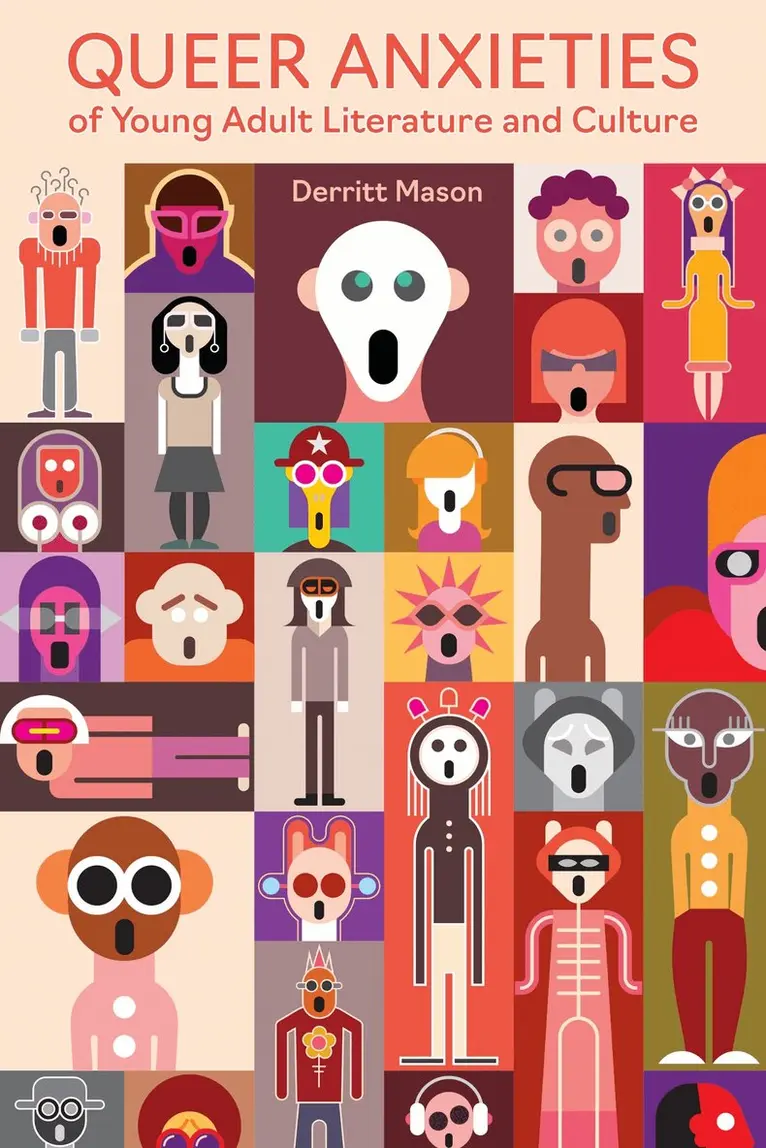
Young adult literature featuring LGBTQ characters is booming. In the 1980s and 1990s, only a handful of such titles were published every year. Recently, these numbers have soared to over one hundred annual releases. Queer characters are also appearing more frequently in film, on television, and in video games. This explosion of queer representation, however, has prompted new forms of longstanding cultural anxieties about adolescent sexuality. What makes for a good "coming out" story? Will increased queer representation in young people's media teach adolescents the right lessons and help queer teens live better, happier lives? What if these stories harm young people instead of helping them?In Queer Anxieties of Young Adult Literature and Culture, Derritt Mason considers these questions through a range of popular media, including an assortment of young adult books; Caper in the Castro, the first-ever queer video game; online fan communities; and popular television series Glee and Big Mouth. Mason argues themes that generate the most anxiety about adolescent culture - queer visibility, risk taking, HIV/AIDS, dystopia and horror, and the promise that "It Gets Better" and the threat that it might not - challenge us to rethink how we read and engage with young people's media. Instead of imagining queer young adult literature as a subgenre defined by its visibly queer characters, Mason proposes that we see "queer YA" as a body of transmedia texts with blurry boundaries, one that coheres around affect - specifically, anxiety - instead of content.
1 339 kr
Skickas inom 7-10 vardagar
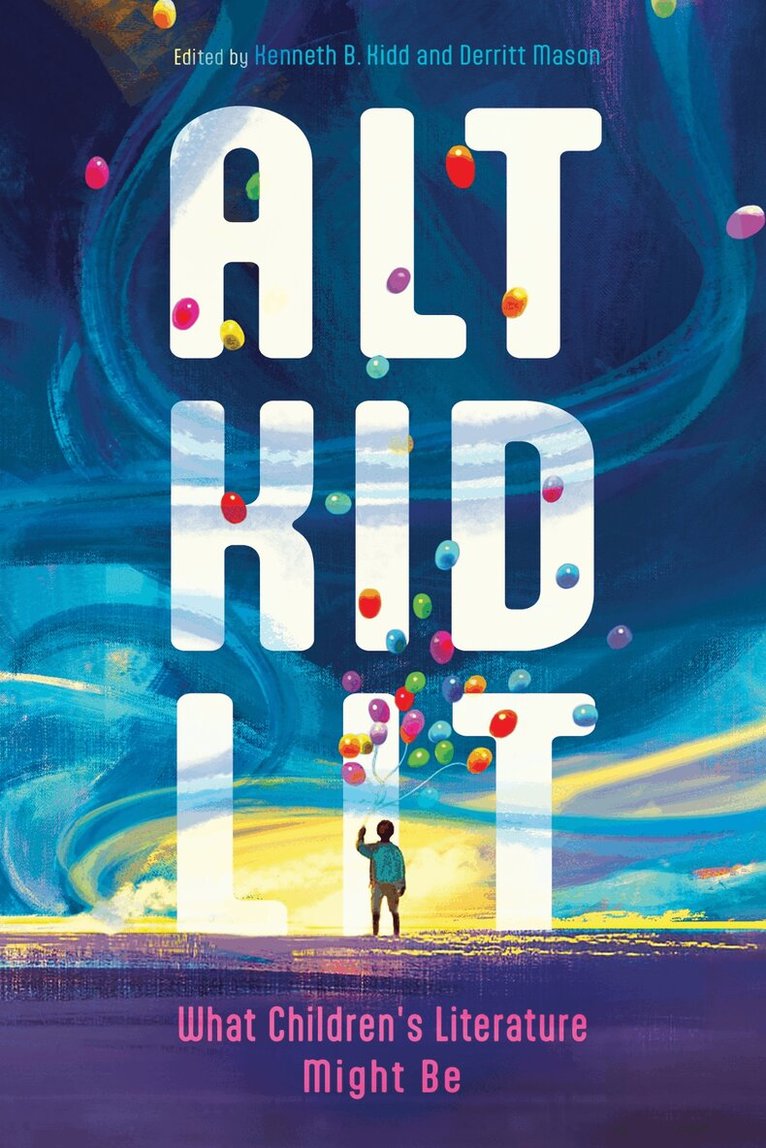
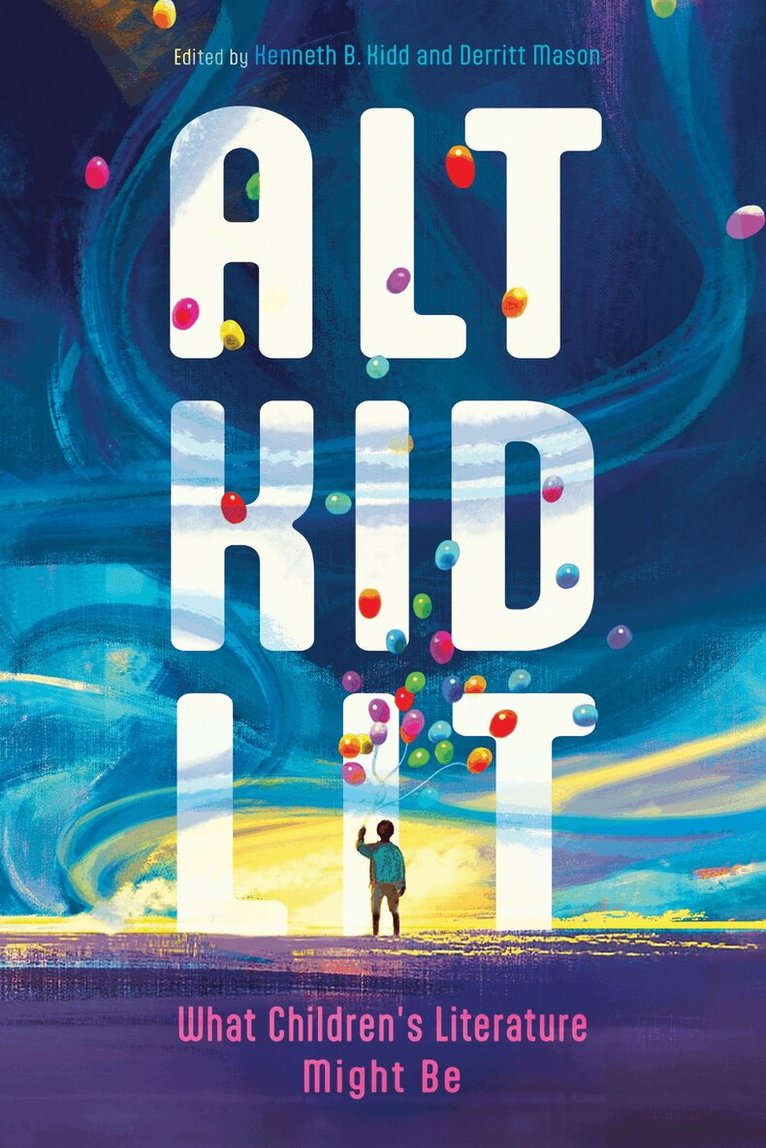
Contributions by Kris Alexander, Amanda K. Allen, Brianna Anderson, Catherine Burwell, Katharine Capshaw, Negin Dahya, Gabriel Duckels, Paige Gray, Gabrielle Atwood Halko, Natasha Hurley, Kenneth B. Kidd, Erica Law-Montes, Derritt Mason, Brandon Murakami, Tehmina Pirzada, Cristina Rhodes, Cristina Rivera, Jakob Rosendal, TreaAndrea M. Russworm, Vivek Shraya, Victoria Ford Smith, Joshua Whitehead, and Shuyin YuHow do we think about children’s and young adult literature? Children’s literature is often defined through audience, so what happens when children are drawn to and claim genres not built expressly "for" them? To what extent do canonical formations tend to overwrite or obscure less visible efforts to create and promote material for the young? These are the driving questions of Alt Kid Lit: What Children's Literature Might Be. Contributors to the volume offer theoretical meditations on the category of children’s and young adult literature as well as case studies of materials that complicate our understanding of such. Chapters attend to a diverse array of subjects including the "non-places" of children’s literature; child mediums; Black theater for children; children’s interpretive drawings; fanfiction; Latinx, Indigenous, and silkpunk speculative fiction; environmental zines; shōnen anime; Jim Henson's The Dark Crystal; South Asian television; and "emergency children’s literature." The book also features interviews with two experimental writers about genre and alt-publishing and a roundtable conversation on video games and children’s digital engagements. Building on diverse approaches including queer theory and postcolonial studies, Alt Kid Lit shines light on materials, methodologies, and epistemologies that are sometimes underacknowledged in the field of children’s and young adult literature studies.
356 kr
Skickas inom 7-10 vardagar
Contributions by Kris Alexander, Amanda K. Allen, Brianna Anderson, Catherine Burwell, Katharine Capshaw, Negin Dahya, Gabriel Duckels, Paige Gray, Gabrielle Atwood Halko, Natasha Hurley, Kenneth B. Kidd, Erica Law-Montes, Derritt Mason, Brandon Murakami, Tehmina Pirzada, Cristina Rhodes, Cristina Rivera, Jakob Rosendal, TreaAndrea M. Russworm, Vivek Shraya, Victoria Ford Smith, Joshua Whitehead, and Shuyin YuHow do we think about children’s and young adult literature? Children’s literature is often defined through audience, so what happens when children are drawn to and claim genres not built expressly "for" them? To what extent do canonical formations tend to overwrite or obscure less visible efforts to create and promote material for the young? These are the driving questions of Alt Kid Lit: What Children's Literature Might Be. Contributors to the volume offer theoretical meditations on the category of children’s and young adult literature as well as case studies of materials that complicate our understanding of such. Chapters attend to a diverse array of subjects including the "non-places" of children’s literature; child mediums; Black theater for children; children’s interpretive drawings; fanfiction; Latinx, Indigenous, and silkpunk speculative fiction; environmental zines; shōnen anime; Jim Henson's The Dark Crystal; South Asian television; and "emergency children’s literature." The book also features interviews with two experimental writers about genre and alt-publishing and a roundtable conversation on video games and children’s digital engagements. Building on diverse approaches including queer theory and postcolonial studies, Alt Kid Lit shines light on materials, methodologies, and epistemologies that are sometimes underacknowledged in the field of children’s and young adult literature studies.