Despoina Anagnostopoulou – författare
Visar alla böcker från författaren Despoina Anagnostopoulou. Handla med fri frakt och snabb leverans.
6 produkter
6 produkter
Inbunden, Engelska, 2022
1 585 kr
Skickas inom 10-15 vardagar
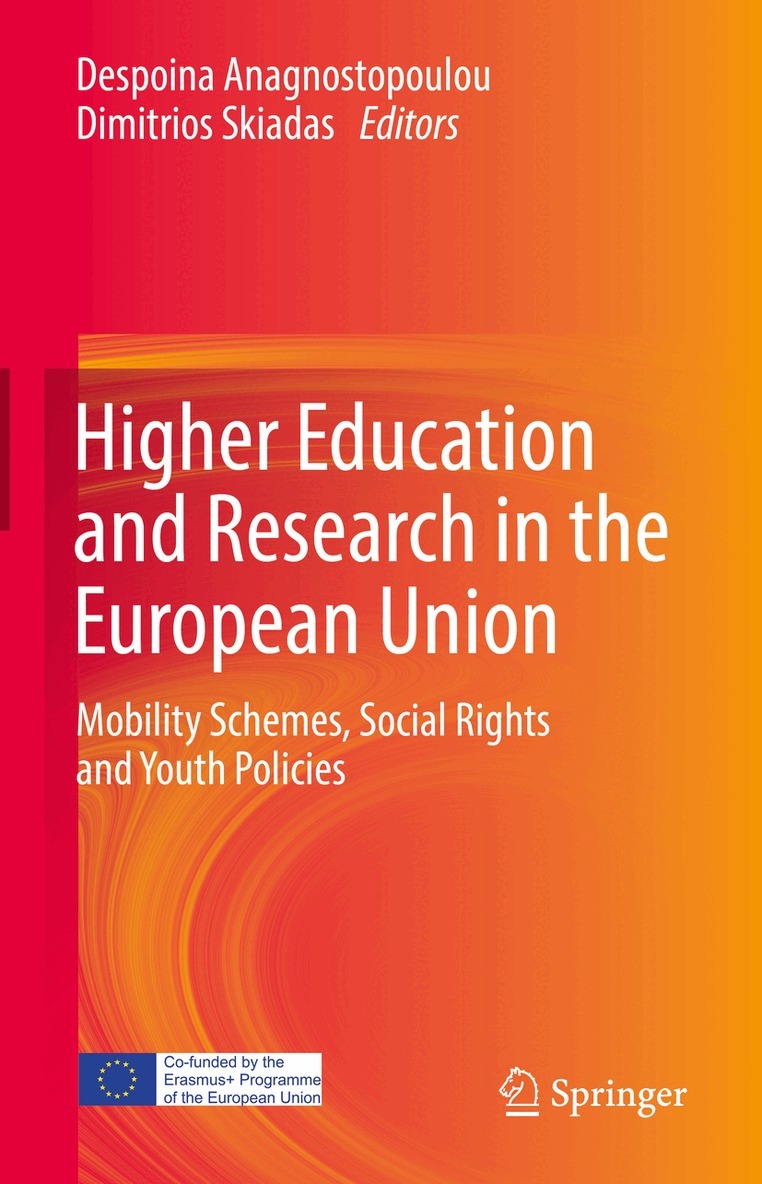
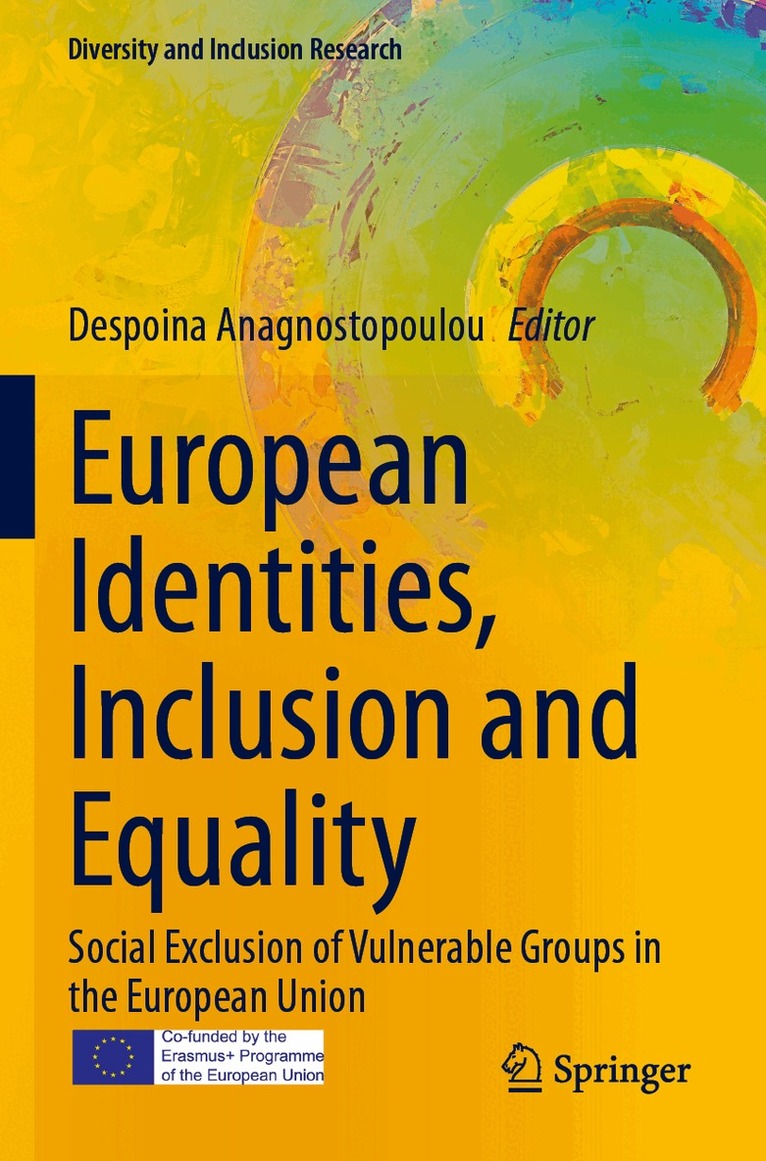
This interdisciplinary book consists of three parts which examine the European Union policies on research and innovation, education and life-long learning, as well as the European Union Pillar on social rights and youth policies. In the first part, high-level experts analyze the European Research Area and its current enhancement, with emphasis on mobility and employability of researchers, especially in times of crises.In the second part, the governance architecture of the European Education Area(s) is explored and the new objectives of the Bologna Process, as well as the EU institutional framework of the recognition of skills and qualifications, are analyzed. Life-long learning is also important for the individual development of human capital especially for socially vulnerable people who could also benefit from literacy policies and skills development. The second part concludes with the evaluation of the EU education and training policy based on social indicators in theframework of the EU 2020 Strategy.In the third part, the book turns to Social Europe and the balancing between ordo-liberalism and ordo-socialism. It examines the EU Pillar of Social Rights and its impact on youth policies. It analyzes the EU youth policies e.g. on youth credit and their interaction with young people’s employment and education possibilities, with emphasis on the young people "not in education, employment or training" (NEETs).
E-bok
Engelska, 20221 922 kr
Läs direkt efter köp
This interdisciplinary book consists of three parts which examine the European Union policies on research and innovation, education and life-long learning, as well as the European Union Pillar on social rights and youth policies. In the first part, high-level experts analyze the European Research Area and its current enhancement, with emphasis on mobility and employability of researchers, especially in times of crises.In the second part, the governance architecture of the European Education Area(s) is explored and the new objectives of the Bologna Process, as well as the EU institutional framework of the recognition of skills and qualifications, are analyzed. Life-long learning is also important for the individual development of human capital especially for socially vulnerable people who could also benefit from literacy policies and skills development. The second part concludes with the evaluation of the EU education and training policy based on social indicators in theframework of the EU 2020 Strategy.In the third part, the book turns to Social Europe and the balancing between ordo-liberalism and ordo-socialism. It examines the EU Pillar of Social Rights and its impact on youth policies. It analyzes the EU youth policies e.g. on youth credit and their interaction with young people’s employment and education possibilities, with emphasis on the young people "not in education, employment or training" (NEETs).
Häftad, Engelska, 2023
1 585 kr
Skickas inom 10-15 vardagar
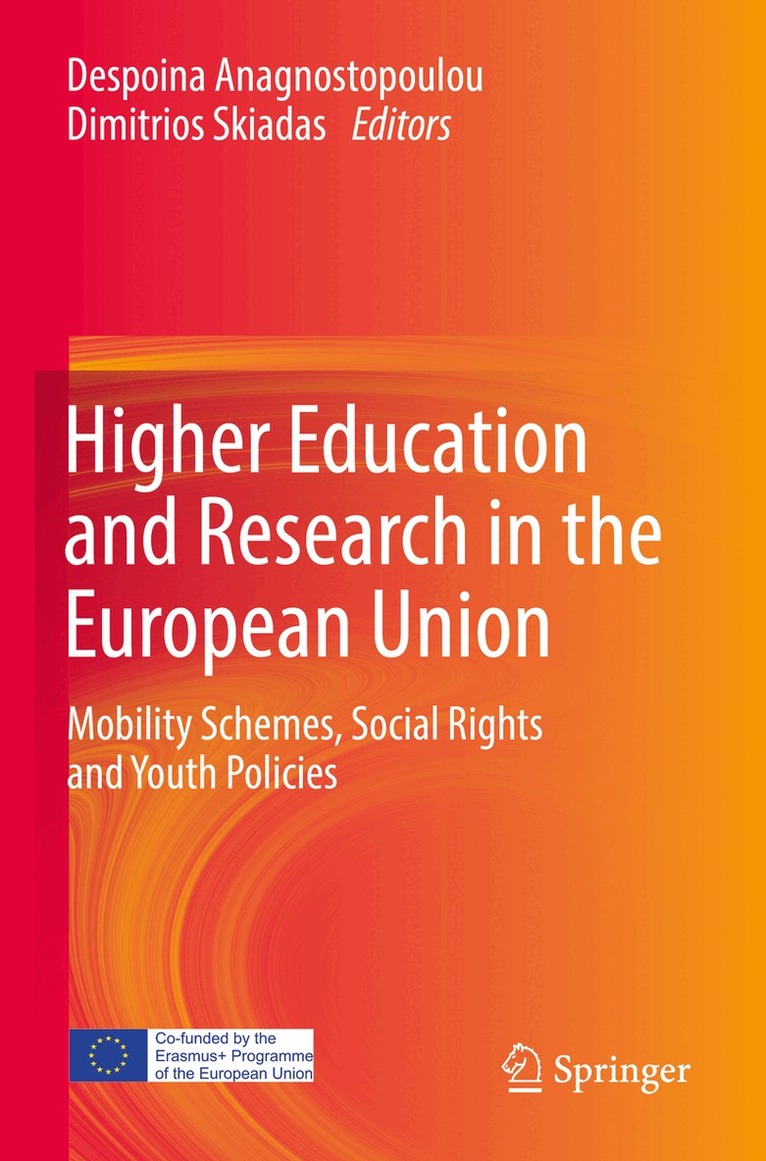
This interdisciplinary book consists of three parts which examine the European Union policies on research and innovation, education and life-long learning, as well as the European Union Pillar on social rights and youth policies. In the first part, high-level experts analyze the European Research Area and its current enhancement, with emphasis on mobility and employability of researchers, especially in times of crises.In the second part, the governance architecture of the European Education Area(s) is explored and the new objectives of the Bologna Process, as well as the EU institutional framework of the recognition of skills and qualifications, are analyzed. Life-long learning is also important for the individual development of human capital especially for socially vulnerable people who could also benefit from literacy policies and skills development. The second part concludes with the evaluation of the EU education and training policy based on social indicators in theframework of the EU 2020 Strategy.In the third part, the book turns to Social Europe and the balancing between ordo-liberalism and ordo-socialism. It examines the EU Pillar of Social Rights and its impact on youth policies. It analyzes the EU youth policies e.g. on youth credit and their interaction with young people’s employment and education possibilities, with emphasis on the young people "not in education, employment or training" (NEETs).
Inbunden, Engelska, 2026
1 721 kr
Kommande
This volume presents interdisciplinary and intersectional contributions that outline the state of the art in the field of intercultural dialogue and diversity management. It discusses traditional and modern practices, as well as notions related to interculturalism and diversity, such as intercultural mediation, religious and non-confessional dialogue, cultural capitalism, and cultural pluralism. The book aims at stimulating the dialogue in academia and to foster interculturalism and tolerance of social diversity by sharing good practices and tools, especially through education, in overcoming any barriers that different cultures might pose to everyday affairs.The book will appeal to students, researchers, and scholars of political science, law, sociology, education, and business and management, as well as policy-makers and practitioners interested in a better understanding of intercultural dialogue and diversity management.
Inbunden, Engelska, 2025
1 302 kr
Skickas inom 10-15 vardagar
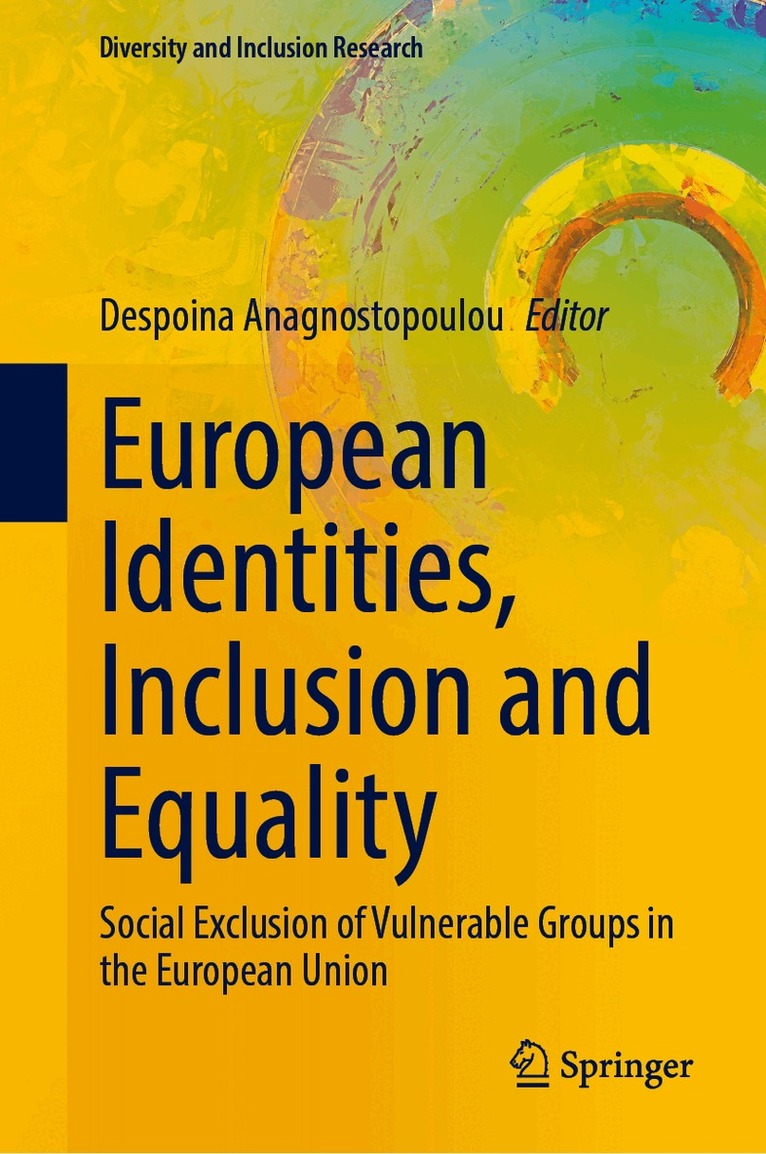
The volume takes an interdisciplinary and intersectional approach to recent trends in European identities, social exclusion and poverty on the one hand, and social rights and equality legislation and policies in the European Union on the other. It examines whether legal instruments and policies can effectively address structural discrimination and social exclusion, explores their interplay with identity politics and stereotypes, and examines how legal principles and policies translate into societal progress and inclusion at both the EU and national levels.The book highlights the social rights safeguarded in the European Pillar of Social Rights, the EU Charter of Fundamental Rights and the Council of Europe's European Social Charter, as well as the role of EU and national courts in interpreting social rights and non-discrimination legislation. Using case studies from Greece, Italy and Spain, the book examines state and civil society initiatives to combat poverty and marginalization.The book will appeal to students, researchers and academics in political science, law, sociology and education, as well as policy-makers and practitioners interested in equality and social policies aimed at combating social exclusion, marginalization and poverty.
E-bok
Engelska, 20251 625 kr
Läs direkt efter köp
The volume takes an interdisciplinary and intersectional approach to recent trends in European identities, social exclusion and poverty on the one hand, and social rights and equality legislation and policies in the European Union on the other. It examines whether legal instruments and policies can effectively address structural discrimination and social exclusion, explores their interplay with identity politics and stereotypes, and examines how legal principles and policies translate into societal progress and inclusion at both the EU and national levels.The book highlights the social rights safeguarded in the European Pillar of Social Rights, the EU Charter of Fundamental Rights and the Council of Europe's European Social Charter, as well as the role of EU and national courts in interpreting social rights and non-discrimination legislation. Using case studies from Greece, Italy and Spain, the book examines state and civil society initiatives to combat poverty and marginalization.The book will appeal to students, researchers and academics in political science, law, sociology and education, as well as policy-makers and practitioners interested in equality and social policies aimed at combating social exclusion, marginalization and poverty.