Diana Coole - Böcker
Visar alla böcker från författaren Diana Coole. Handla med fri frakt och snabb leverans.
8 produkter
8 produkter
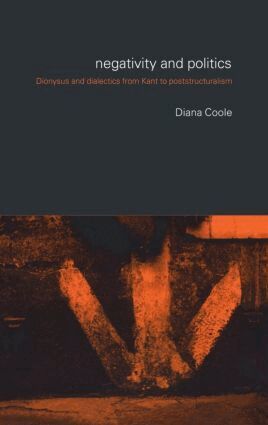
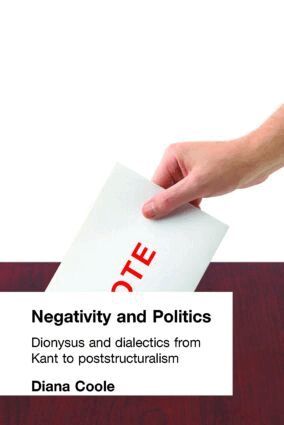
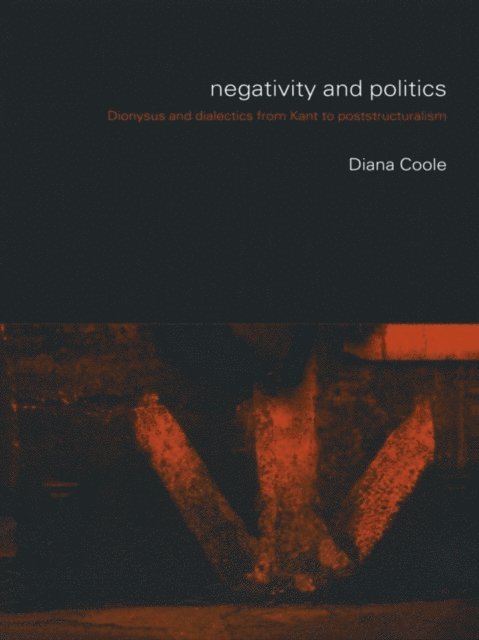
Negativity and Politics
Dionysus and Dialectics from Kant to Poststructuralism
Inbunden, Engelska, 2000
2 100 kr
Skickas inom 10-15 vardagar
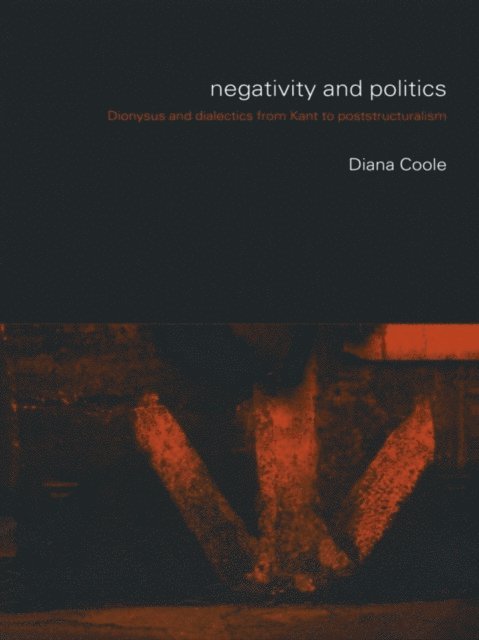
First published in 2000. Although frequently invoked by philosophers and political theorists, the theory of negativity has received remarkably little sustained attention. Negativity and Politics: Dionysus and dialectics from Kant to poststructuralism is the first full length study of this crucial problematic within philosophy and political theory. Diana Coole clearly and skilfully shows how the problem of negativity lies at the heart of philosophical and political debate. First, she explores the meaning of negativity as it appears in modern and postmodern thinking. Second, she sets out the significance of negativity for politics and our understanding of what constitutes the political. A key theme of Negativity and Politics is the recurring hostility between the dialectical use of negativity found in Hegel and running through Marxism and critical theory, and the Dionysian use of negativity as developed by Nietzsche and found in important strands of French thought. Diana Coole shows how the appropriation of negativity in both cases threatens but also informs our understanding of politics and the political. A fascinating and bold intervention in political theory and philosophy, Negativity and Politics will be of interest to all those in politics, philosophy and contemporary social theory.
574 kr
Skickas inom 10-15 vardagar
First published in 2000. Although frequently invoked by philosophers and political theorists, the theory of negativity has received remarkably little sustained attention. Negativity and Politics: Dionysus and dialectics from Kant to poststructuralism is the first full length study of this crucial problematic within philosophy and political theory. Diana Coole clearly and skilfully shows how the problem of negativity lies at the heart of philosophical and political debate. First, she explores the meaning of negativity as it appears in modern and postmodern thinking. Second, she sets out the significance of negativity for politics and our understanding of what constitutes the political. A key theme of Negativity and Politics is the recurring hostility between the dialectical use of negativity found in Hegel and running through Marxism and critical theory, and the Dionysian use of negativity as developed by Nietzsche and found in important strands of French thought. Diana Coole shows how the appropriation of negativity in both cases threatens but also informs our understanding of politics and the political. A fascinating and bold intervention in political theory and philosophy, Negativity and Politics will be of interest to all those in politics, philosophy and contemporary social theory.
1 572 kr
Skickas inom 10-15 vardagar
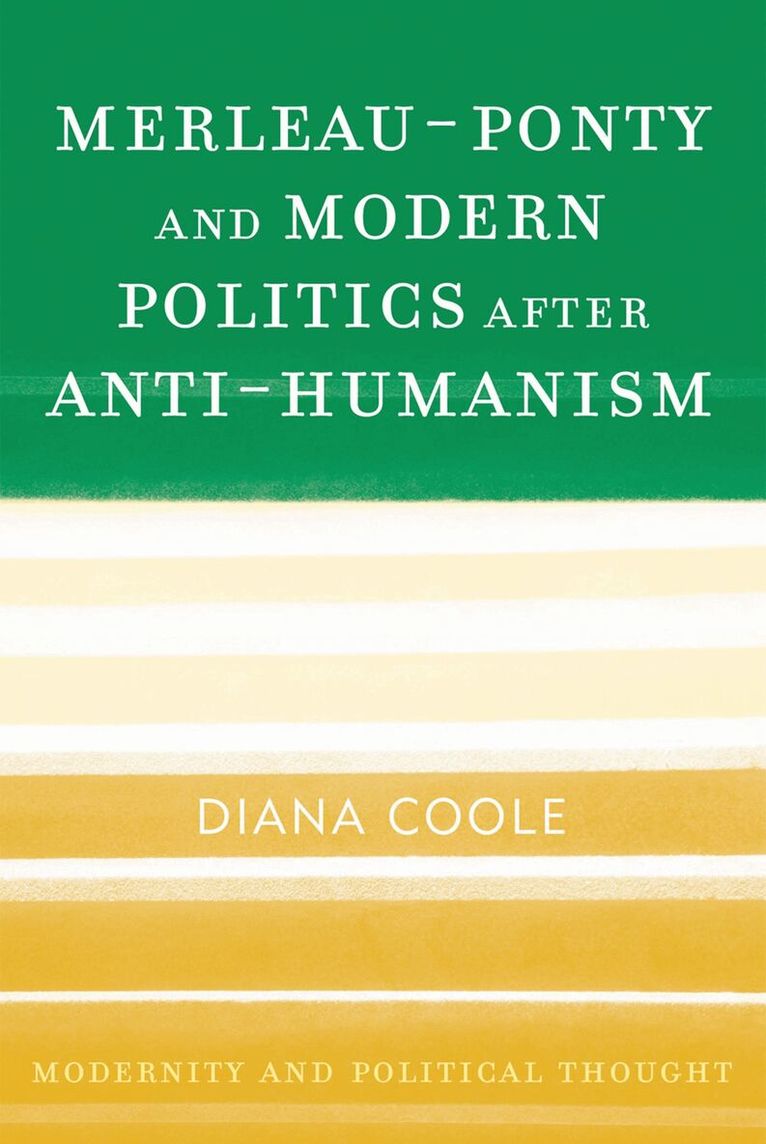
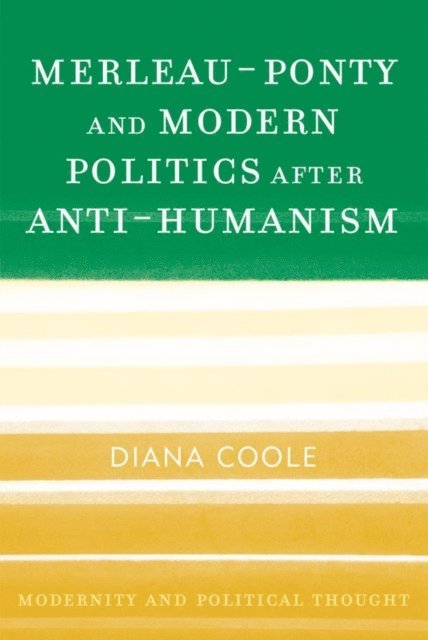
In this important new book, Diana Coole shows how existential phenomenology illuminates and enlivens our understanding of politics. Merleau-PontyOs focus on embodied experience allows us to approach political life in a manner that is both critical and engaged. With breadth of vision and penetrating insight, Coole demonstrates that political questions were always central to Merleau-PontyOs philosophical project. Her examination of his complete body of work presents us with a rigorous philosophy that maintains our capacities for agency despite moving beyond a philosophy of the subject. Merleau-Ponty and Modern Politics after Anti-humanism is the first major work on Merleau-PontyOs political philosophy in over two decades. Coole presents his later philosophy of flesh as the outline for a new understanding of the political, which forms the basis for reconsidering humanism after, but also through, anti-humanism. She also shows how Merleau-PontyOs concern with contingency anticipated arguments by thinkers such as Derrida, Foucault and Deleuze, while sustaining a robust sense of politics as the domain of collective life. The result is a philosophical analysis that speaks to our contemporary concerns in which we seek a coherent account of our actions, our environment and ourselves, such that we might become exemplary political actors within a complex and uncertain world.
712 kr
Skickas inom 5-8 vardagar
In this important new book, Diana Coole shows how existential phenomenology illuminates and enlivens our understanding of politics. Merleau-PontyOs focus on embodied experience allows us to approach political life in a manner that is both critical and engaged. With breadth of vision and penetrating insight, Coole demonstrates that political questions were always central to Merleau-PontyOs philosophical project. Her examination of his complete body of work presents us with a rigorous philosophy that maintains our capacities for agency despite moving beyond a philosophy of the subject. Merleau-Ponty and Modern Politics after Anti-humanism is the first major work on Merleau-PontyOs political philosophy in over two decades. Coole presents his later philosophy of flesh as the outline for a new understanding of the political, which forms the basis for reconsidering humanism after, but also through, anti-humanism. She also shows how Merleau-PontyOs concern with contingency anticipated arguments by thinkers such as Derrida, Foucault and Deleuze, while sustaining a robust sense of politics as the domain of collective life. The result is a philosophical analysis that speaks to our contemporary concerns in which we seek a coherent account of our actions, our environment and ourselves, such that we might become exemplary political actors within a complex and uncertain world.
1 473 kr
Skickas inom 11-20 vardagar
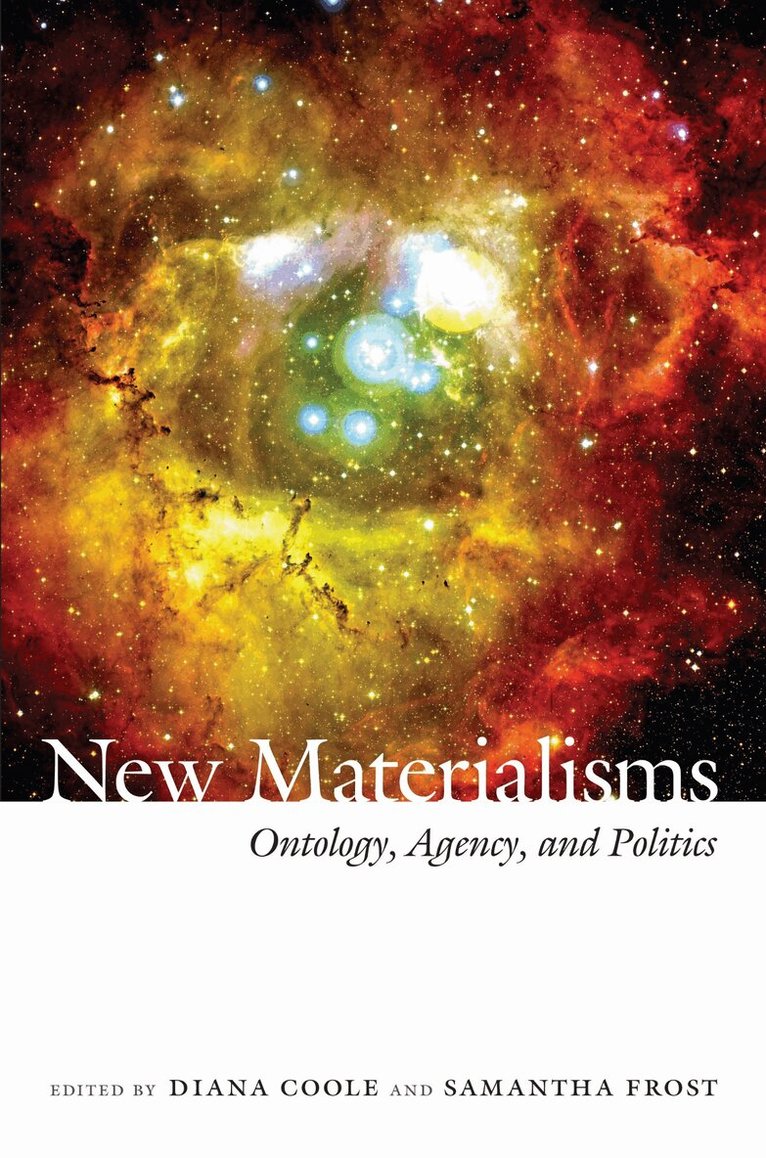
New Materialisms brings into focus and explains the significance of the innovative materialist critiques that are emerging across the social sciences and humanities. By gathering essays that exemplify the new thinking about matter and processes of materialization, this important collection shows how scholars are reworking older materialist traditions, contemporary theoretical debates, and advances in scientific knowledge to address pressing ethical and political challenges. In the introduction, Diana Coole and Samantha Frost highlight common themes among the distinctive critical projects that comprise the new materialisms. The continuities they discern include a posthumanist conception of matter as lively or exhibiting agency, and a reengagement with both the material realities of everyday life and broader geopolitical and socioeconomic structures. Coole and Frost argue that contemporary economic, environmental, geopolitical, and technological developments demand new accounts of nature, agency, and social and political relationships; modes of inquiry that privilege consciousness and subjectivity are not adequate to the task. New materialist philosophies are needed to do justice to the complexities of twenty-first-century biopolitics and political economy, because they raise fundamental questions about the place of embodied humans in a material world and the ways that we produce, reproduce, and consume our material environment. ContributorsSara AhmedJane BennettRosi BraidottiPheng CheahRey ChowWilliam E. ConnollyDiana CooleJason EdwardsSamantha FrostElizabeth GroszSonia KruksMelissa A. Orlie
349 kr
Skickas inom 7-10 vardagar
New Materialisms brings into focus and explains the significance of the innovative materialist critiques that are emerging across the social sciences and humanities. By gathering essays that exemplify the new thinking about matter and processes of materialization, this important collection shows how scholars are reworking older materialist traditions, contemporary theoretical debates, and advances in scientific knowledge to address pressing ethical and political challenges. In the introduction, Diana Coole and Samantha Frost highlight common themes among the distinctive critical projects that comprise the new materialisms. The continuities they discern include a posthumanist conception of matter as lively or exhibiting agency, and a reengagement with both the material realities of everyday life and broader geopolitical and socioeconomic structures. Coole and Frost argue that contemporary economic, environmental, geopolitical, and technological developments demand new accounts of nature, agency, and social and political relationships; modes of inquiry that privilege consciousness and subjectivity are not adequate to the task. New materialist philosophies are needed to do justice to the complexities of twenty-first-century biopolitics and political economy, because they raise fundamental questions about the place of embodied humans in a material world and the ways that we produce, reproduce, and consume our material environment. ContributorsSara AhmedJane BennettRosi BraidottiPheng CheahRey ChowWilliam E. ConnollyDiana CooleJason EdwardsSamantha FrostElizabeth GroszSonia KruksMelissa A. Orlie
445 kr
Skickas inom 7-10 vardagar
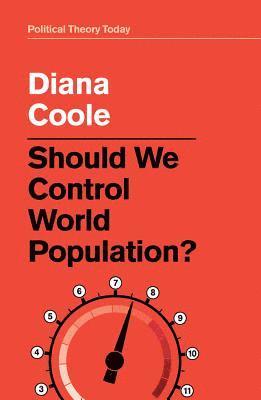
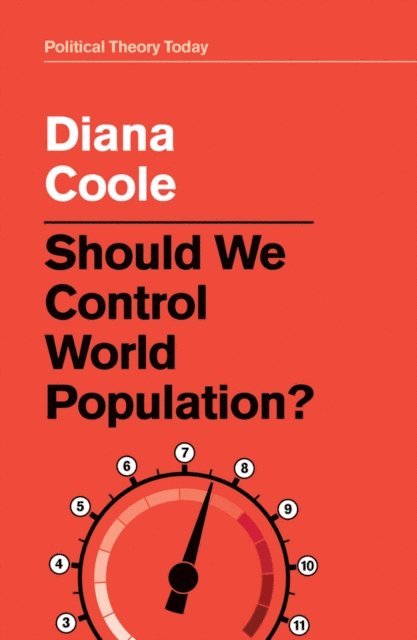
By 2100, the human population may exceed 11 billion. Having recently surpassed 7.5 billion, it has trebled since 1950. Are such numbers sustainable, given a deepening environmental crisis? Can so many live well? Or should world population be controlled? The population question, one of the twentieth century’s most bitterly contested issues, is being debated once again. In this compelling book, Diana Coole examines some of the profound political and ethical questions involved. Are ethical objections to government interference with individuals’ reproductive freedom definitive? Is it possible to limit population in a non-coercive way that is consistent with liberal-democratic values? Interweaving erudite original analysis with an accessible overview of the crucial debates, Coole argues that a case can be made for reducing our numbers in ways that are compatible with human rights.This book will be essential reading for anyone interested in one of the most important questions facing our planet, from concerned citizens to students of politics, sociology, political economy, gender studies and environmental studies.
203 kr
Skickas inom 7-10 vardagar
By 2100, the human population may exceed 11 billion. Having recently surpassed 7.5 billion, it has trebled since 1950. Are such numbers sustainable, given a deepening environmental crisis? Can so many live well? Or should world population be controlled? The population question, one of the twentieth century’s most bitterly contested issues, is being debated once again. In this compelling book, Diana Coole examines some of the profound political and ethical questions involved. Are ethical objections to government interference with individuals’ reproductive freedom definitive? Is it possible to limit population in a non-coercive way that is consistent with liberal-democratic values? Interweaving erudite original analysis with an accessible overview of the crucial debates, Coole argues that a case can be made for reducing our numbers in ways that are compatible with human rights.This book will be essential reading for anyone interested in one of the most important questions facing our planet, from concerned citizens to students of politics, sociology, political economy, gender studies and environmental studies.