Diana Fosha – författare
Visar alla böcker från författaren Diana Fosha. Handla med fri frakt och snabb leverans.
5 produkter
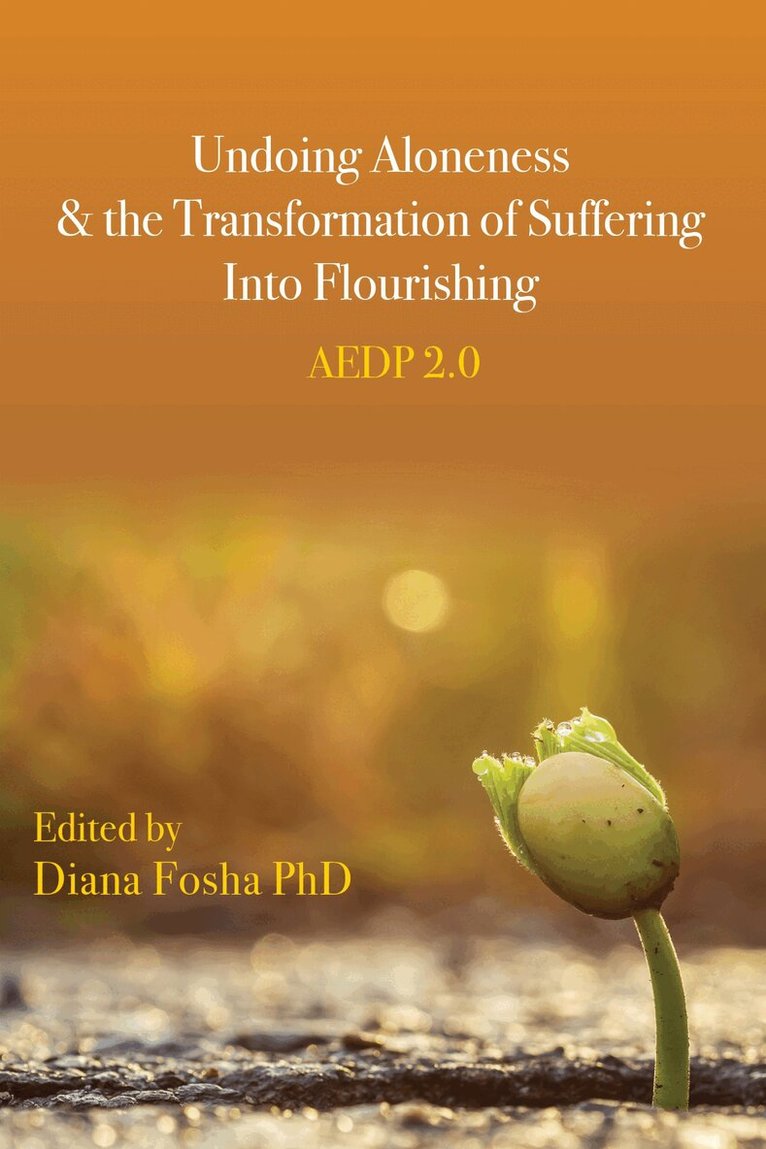
Undoing Aloneness and the Transformation of Suffering Into Flourishing
AEDP 2.0
Häftad, 2021
814 kr
Lägg i varukorg
This book updates clinical guidance and theory for Accelerated Experiential Dynamic Psychotherapy (AEDP), an approach that gives patients corrective emotional and relational experiences that mobilize changes in the brain.Practitioners of AEDP understand psychopathology as a byproduct of internal …
Transforming Power Of Affect
A Model For Accelerated Change
Av Diana Fosha
Inbunden, 2000
718 kr
Lägg i varukorg
The first model of accelerated psychodynamic therapy to make the theoretical why as important as the formula for how, Fosha's original technique for catalyzing change mandates explicit empathy and radical engagement by the therapist to elicit and harness the patient's own healing affects. Its …
Supervision Essentials for Accelerated Experiential Dynamic Psychotherapy
Av Natasha C. N. Prenn, Diana Fosha
Häftad, 2016
5,0 utav 5 stjärnor. Totalt antal röster: (1)
526 kr
Tillfälligt slut
In this comprehensive guide, Natasha Prenn and Diana Fosha, leading voices in the development of Accelerated Experiential Dynamic Psychotherapy, offer a model of clinical supervision based on this approach.Utilizing insights from attachment theory and research in neuroplasticity, clinicians who …
Healing Power of Emotion
Affective Neuroscience, Development & Clinical Practice
Av Diana Fosha, Daniel J. Siegel m. fl.
Inbunden, 2009
440 kr
Lägg i varukorg
We are hardwired to connect with one another, and we connect through our emotions. Our brains, bodies, and minds are inseparable from the emotions that animate them.Normal human development relies on the cultivation of relationships with others to form and nurture the self-regulatory circuits that …
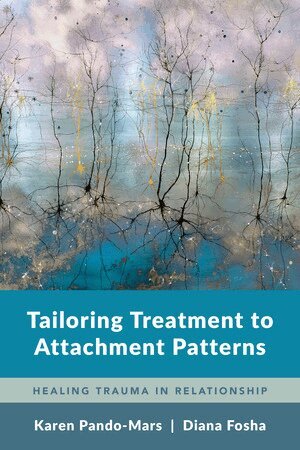
Tailoring Treatment to Attachment Patterns
Healing Trauma in Relationship
Av Karen Pando-Mars, Diana Fosha
Häftad, 2025
583 kr
Lägg i varukorg
Research shows that attachment patterns—our patterns of relating to others, which develop in early childhood—affect far more aspects of our lives than was previously thought. Given how crucial these patterns are to how every patient relates to the world and to their own selves, how can therapists …