Diana Garrisi – författare
Visar alla böcker från författaren Diana Garrisi. Handla med fri frakt och snabb leverans.
11 produkter
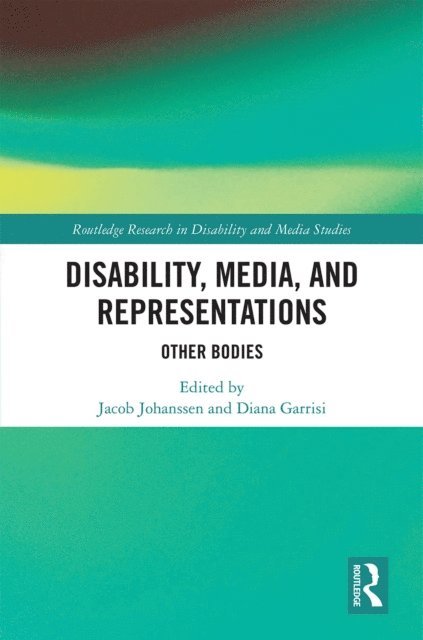
Disability, Media, and Representations
Other Bodies
Av Diana Garrisi, Jacob Johanssen
E-bok, 2020
814 kr
Lägg i varukorg
Bringing together scholars from around the world to research the intersection between media and disability, this edited collection aims to offer an interdisciplinary exploration and critique of print, broadcast and online representations of physical and mental impairments. Drawing on a wide range …
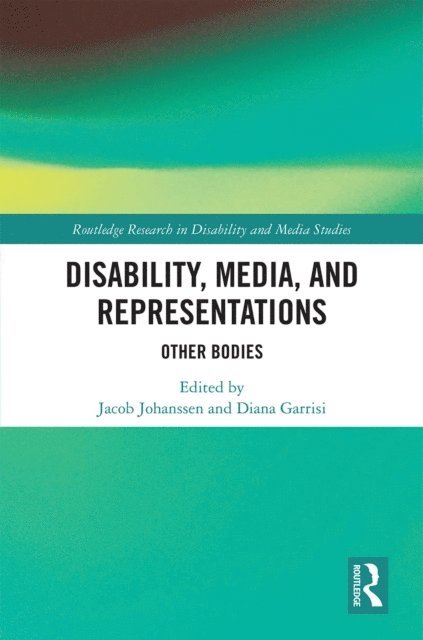
Disability, Media, and Representations
Other Bodies
Av Diana Garrisi, Jacob Johanssen
E-bok, 2020
796 kr
Lägg i varukorg
Bringing together scholars from around the world to research the intersection between media and disability, this edited collection aims to offer an interdisciplinary exploration and critique of print, broadcast and online representations of physical and mental impairments. Drawing on a wide range …
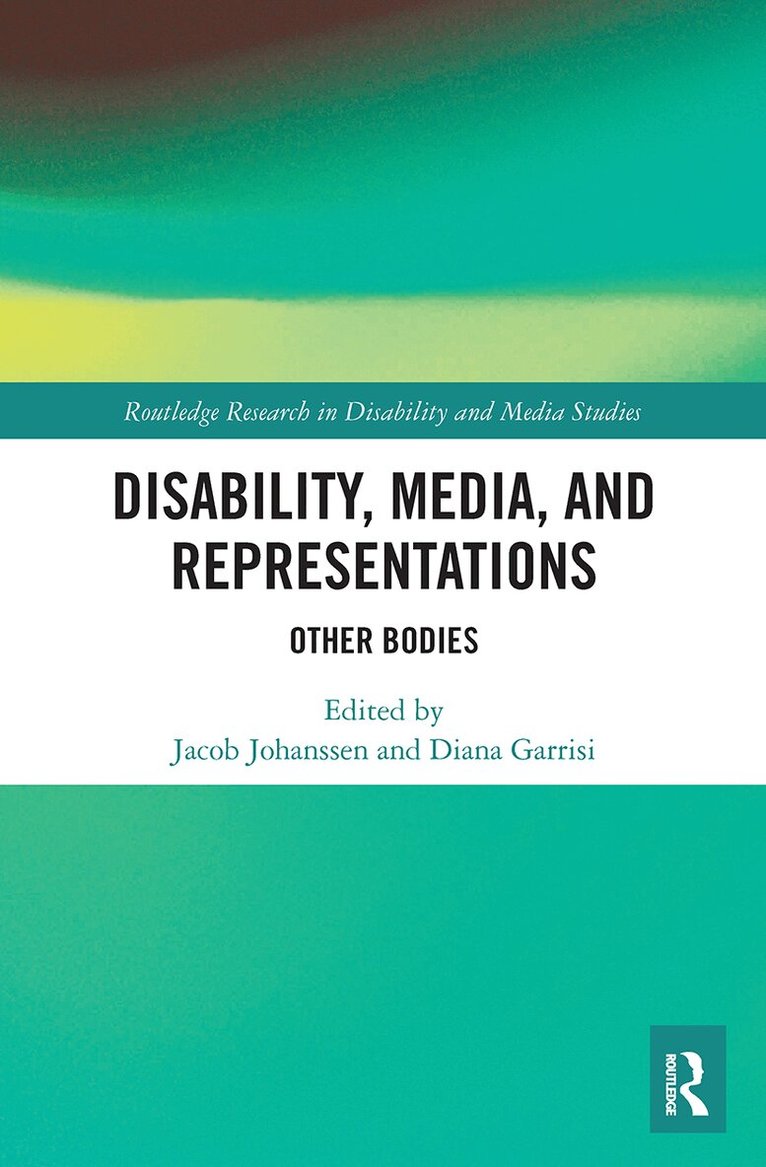
Disability, Media, and Representations
Other Bodies
Av Jacob Johanssen, Diana Garrisi
Häftad, 2022
689 kr
Lägg i varukorg
Bringing together scholars from around the world to research the intersection between media and disability, this edited collection aims to offer an interdisciplinary exploration and critique of print, broadcast and online representations of physical and mental impairments.Drawing on a wide range of …
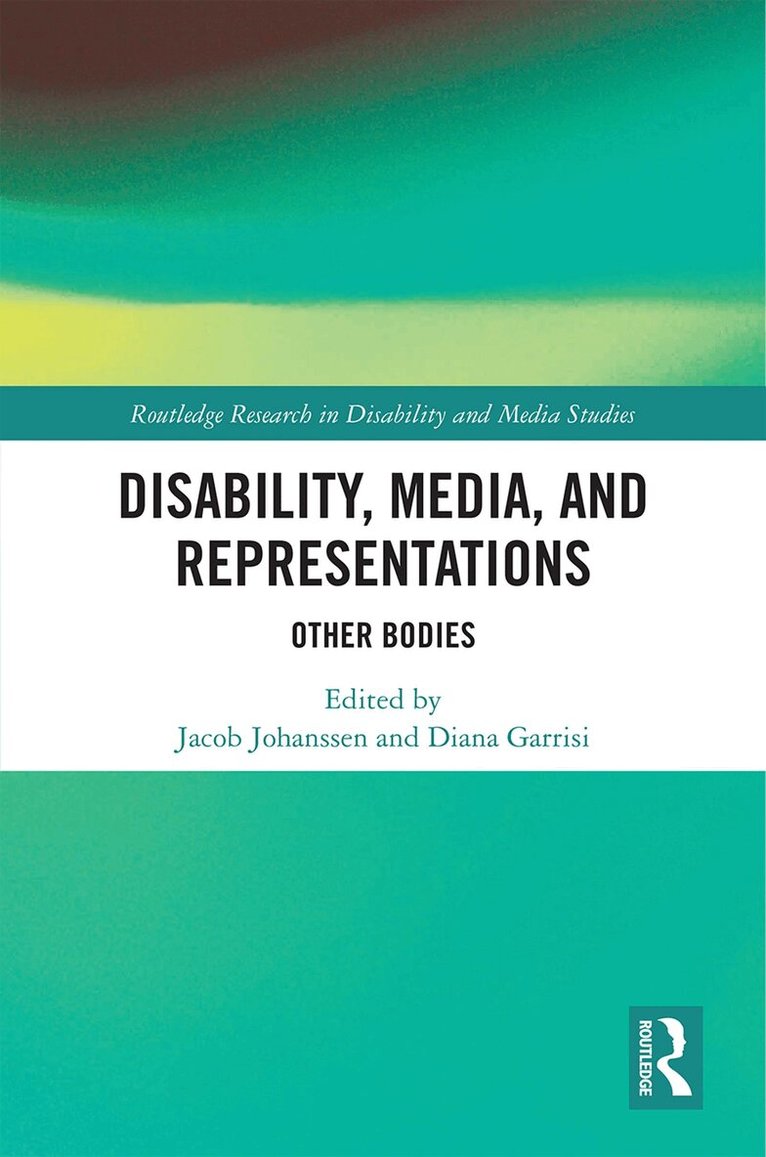
Disability, Media, and Representations
Other Bodies
Av Jacob Johanssen, Diana Garrisi
Inbunden, 2020
2504 kr
Lägg i varukorg
Bringing together scholars from around the world to research the intersection between media and disability, this edited collection aims to offer an interdisciplinary exploration and critique of print, broadcast and online representations of physical and mental impairments.Drawing on a wide range of …
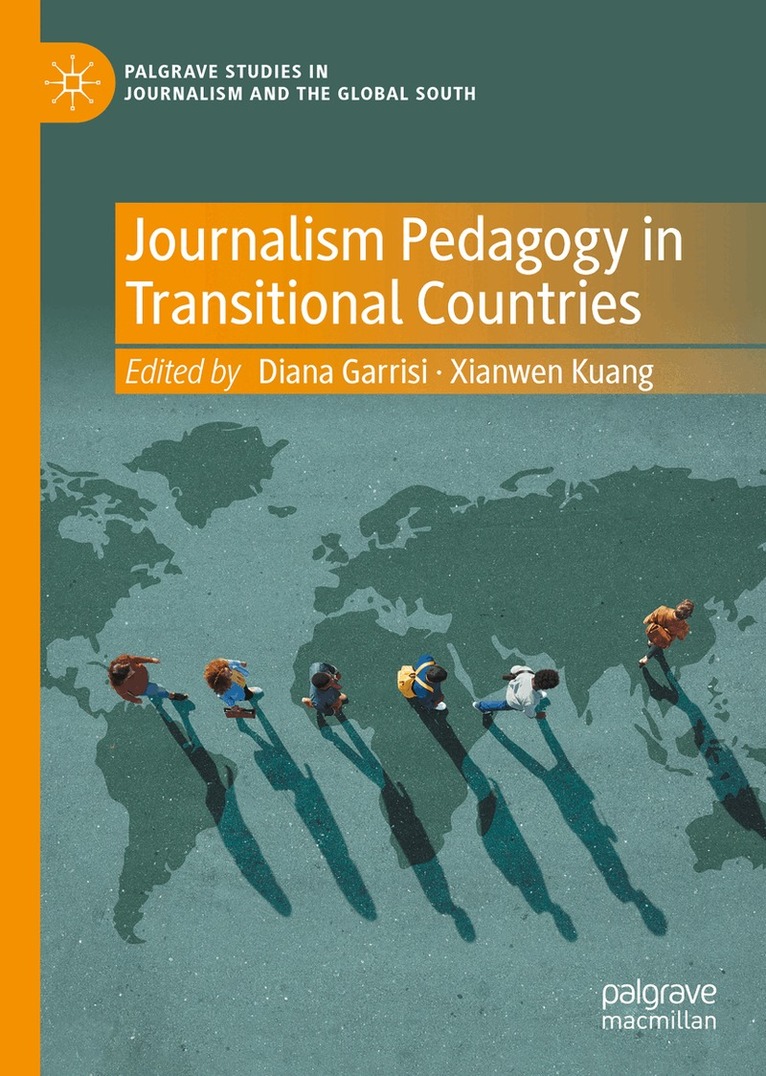
Journalism Pedagogy in Transitional Countries
Av Diana Garrisi, Xianwen Kuang
Inbunden, 2022
1597 kr
Lägg i varukorg
This book explains what it means to teach journalism in countries with limited media freedom in the post-pandemic era. It digs into the social and historical factors underpinning the development of journalism university degrees and courses in a selection of illustrative case studies taken from …
Journalism Pedagogy in Transitional Countries
Av Xianwen Kuang, Diana Garrisi
E-bok, 2022
2051 kr
Lägg i varukorg
This book explains what it means to teach journalism in countries with limited media freedom in the post-pandemic era. It digs into the social and historical factors underpinning the development of journalism university degrees and courses in a selection of illustrative case studies taken from …
Journalism Pedagogy in Transitional Countries
Av Diana Garrisi, Xianwen Kuang
2022
648 kr
Lägg i varukorg
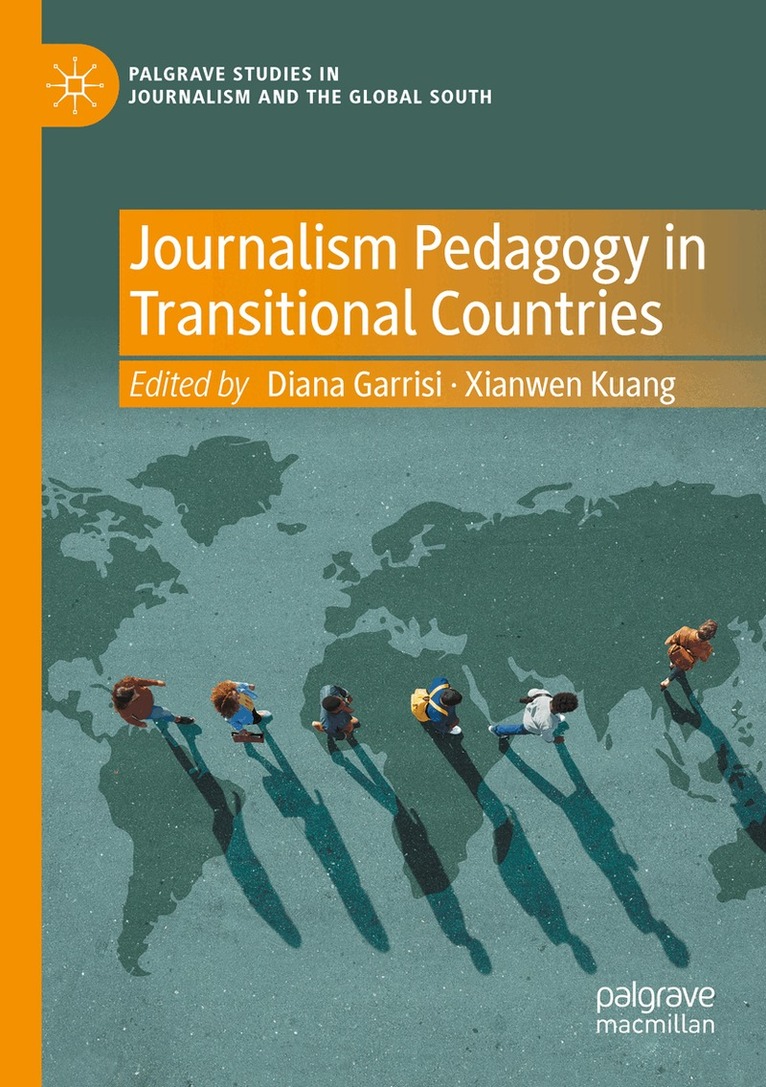
Journalism Pedagogy in Transitional Countries
Av Diana Garrisi, Xianwen Kuang
Häftad, 2023
1597 kr
Lägg i varukorg
This book explains what it means to teach journalism in countries with limited media freedom in the post-pandemic era. It digs into the social and historical factors underpinning the development of journalism university degrees and courses in a selection of illustrative case studies taken from …
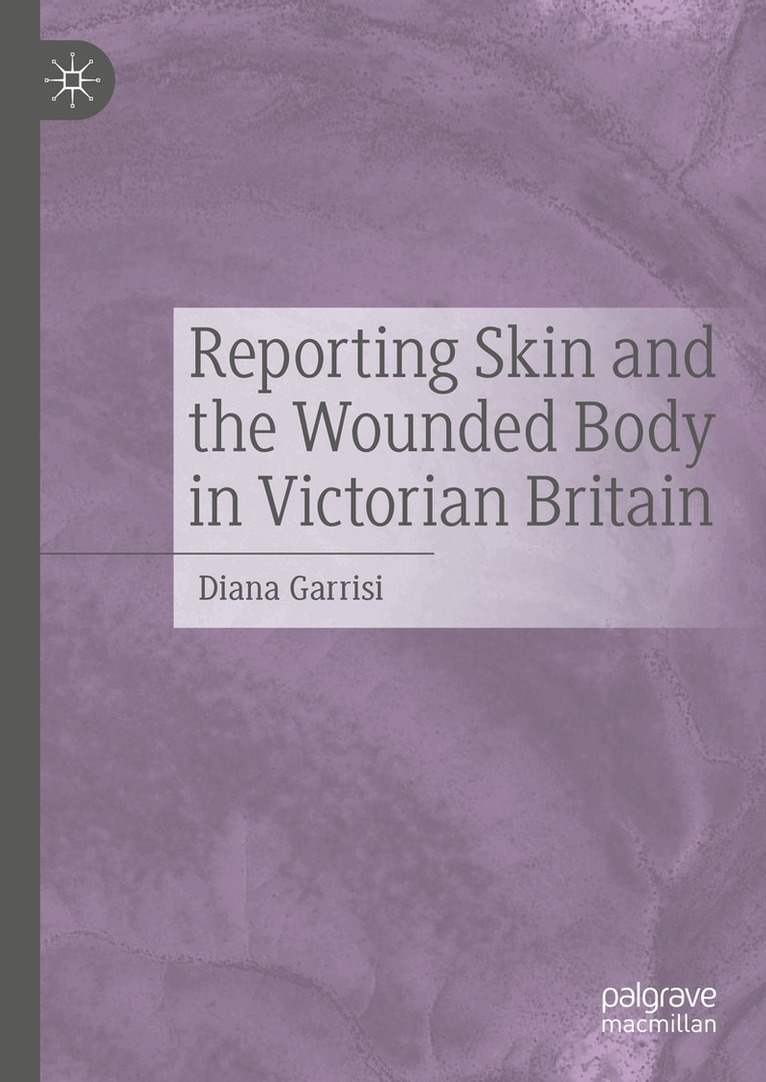
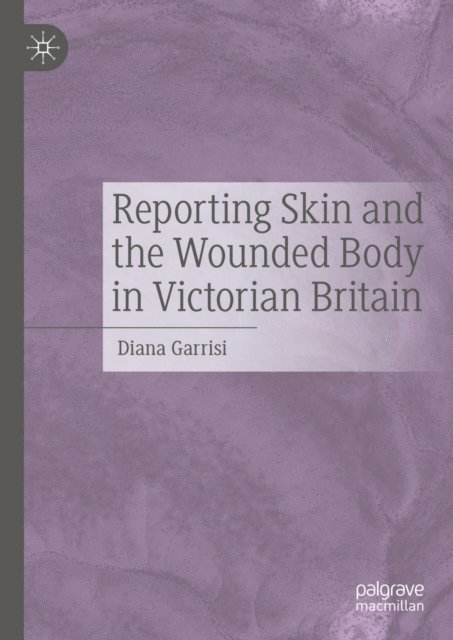
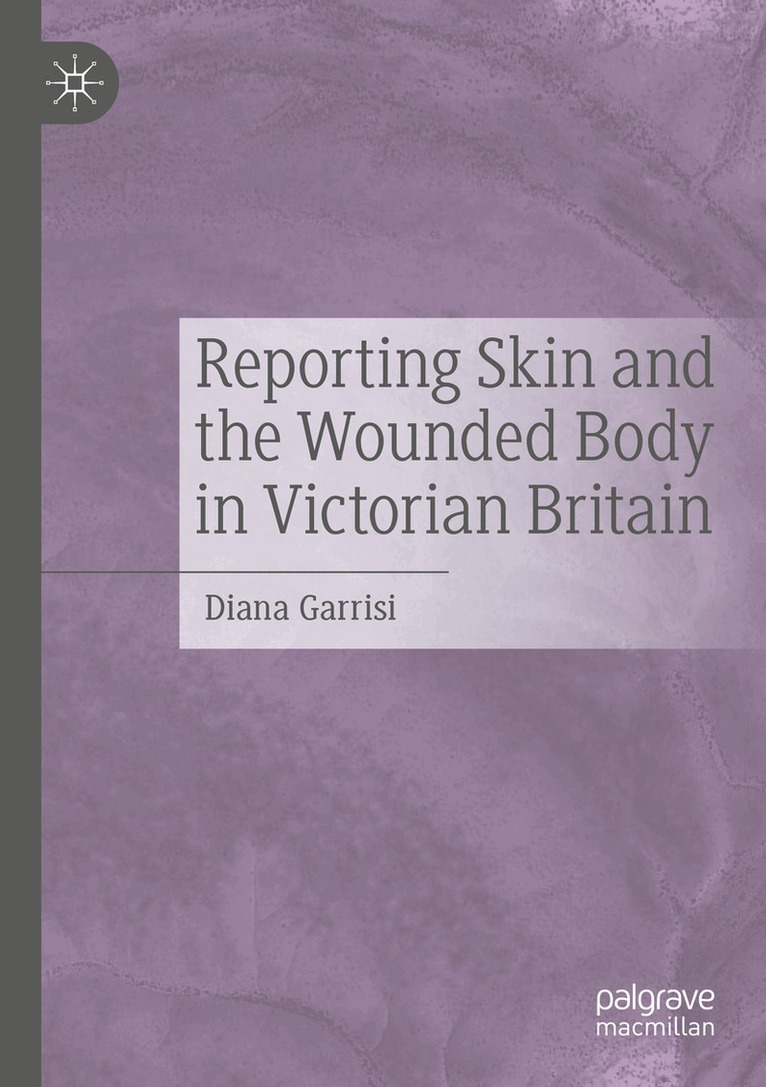
Reporting Skin and the Wounded Body in Victorian Britain
Inbunden, 2024
1243 kr
Lägg i varukorg
Drawing on a wide range of primary sources, this book explains what made skin newsworthy in Victorian Britain. It represents a unique contribution to the media history of the human body by delving into the cultural and historical underpinnings of wound representation in Western culture. Employing a …
Reporting Skin and the Wounded Body in Victorian Britain
E-bok, 2024
1625 kr
Lägg i varukorg
Drawing on a wide range of primary sources, this book explains what made skin newsworthy in Victorian Britain. It represents a unique contribution to the media history of the human body by delving into the cultural and historical underpinnings of wound representation in Western culture. Employing a …
Reporting Skin and the Wounded Body in Victorian Britain
Häftad, 2025
1243 kr
Lägg i varukorg
Drawing on a wide range of primary sources, this book explains what made skin newsworthy in Victorian Britain. It represents a unique contribution to the media history of the human body by delving into the cultural and historical underpinnings of wound representation in Western culture. Employing a …