Diana Knight – författare
Visar alla böcker från författaren Diana Knight. Handla med fri frakt och snabb leverans.
7 produkter
Interdisciplinary Barthes
Av Knight, Diana Knight
Inbunden, 2020
1394 kr
Lägg i varukorg
Roland Barthes (1915-1980) is still considered one of the most significant figures of postwar French thought and remains central to anglophone cultural theory. He is read by academic researchers and students in modern languages, comparative literature, cultural studies, gender studies, media …
Barthes and Utopia
Space, Travel, Writing
Av Diana Knight
Inbunden, 1997
4693 kr
Lägg i varukorg
Barthes and Utopia explores the central role of utopias throughout the work of Roland Barthes, from demystification to structuralism, from textuality and sexual hedonism to his final preoccupation with love and mourning. Utopia mediates the supposed phases of Barthes career, just as it mediates the …
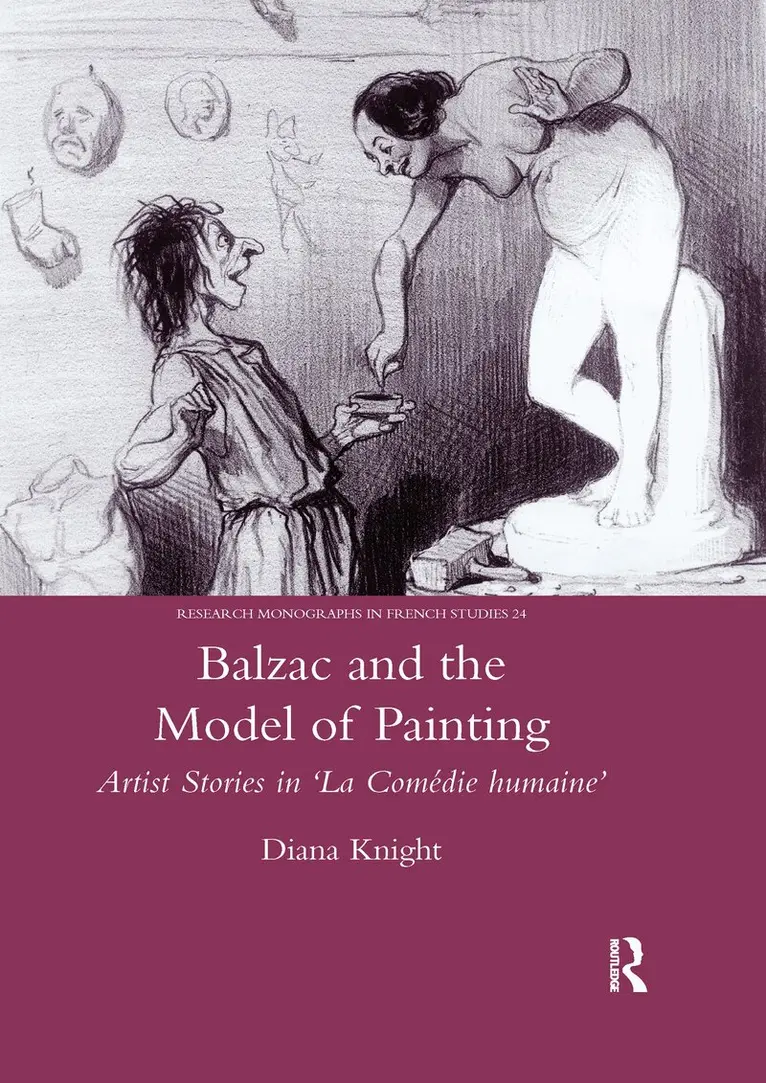
Balzac and the Model of Painting
Artist Stories in La Comedie Humaine
Av Diana Knight
Häftad, 2020
811 kr
Lägg i varukorg
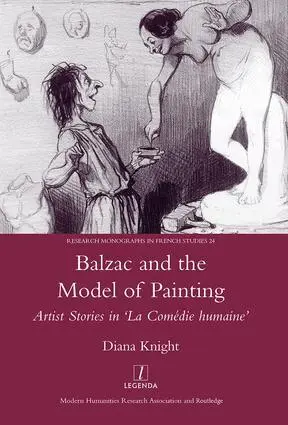
This book explores Barthes's 'model of painting' in the context of Balzac's fictional representations of the relation between artists, their models and their works of art. Diana Knight criticises the sexual politics of prostitution and marriage in nineteenth-century France.
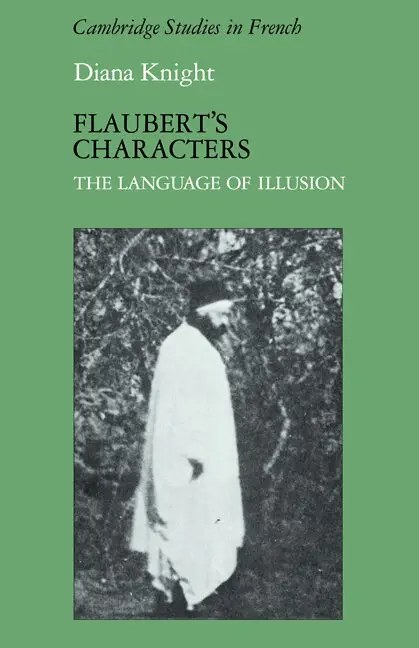
Flaubert's Characters
The Language of Illusion
Av Diana Knight
Häftad, 2009
654 kr
Lägg i varukorg
This major new study takes issue both with the traditional critical view that Flaubert's central characters are weak and with the approach adopted by a number of contemporary critics who claim that character is deliberately undermined in the interests of non-representational writing. Rather, Dr …
Balzac and the Model of Painting
Artist Stories in La Comedie Humaine
Av Diana Knight
E-bok, 2017
956 kr
Lägg i varukorg
"Texts about paintings, painters and sculptors are obvious test cases for issues of representation. A significant corpus of artist stories is scattered through Honore de Balzac''s Comedie humaine which, from Marx to Lukacs to Roland Barthes''s enormously influential S/Z (1970), has been a key …
Balzac and the Model of Painting
Artist Stories in La Comedie Humaine
Av Diana Knight
E-bok, 2017
956 kr
Lägg i varukorg
"Texts about paintings, painters and sculptors are obvious test cases for issues of representation. A significant corpus of artist stories is scattered through Honore de Balzac''s Comedie humaine which, from Marx to Lukacs to Roland Barthes''s enormously influential S/Z (1970), has been a key …
Balzac and the Model of Painting
Artist Stories in La Comedie Humaine
Av Diana Knight
Inbunden, 2007
1724 kr
Lägg i varukorg
This book explores Barthes's 'model of painting' in the context of Balzac's fictional representations of the relation between artists, their models and their works of art. Diana Knight criticises the sexual politics of prostitution and marriage in nineteenth-century France.