Diane Crocker – författare
Visar alla böcker från författaren Diane Crocker. Handla med fri frakt och snabb leverans.
2 produkter
2 produkter
Häftad, Engelska, 2020
470 kr
Skickas inom 10-15 vardagar
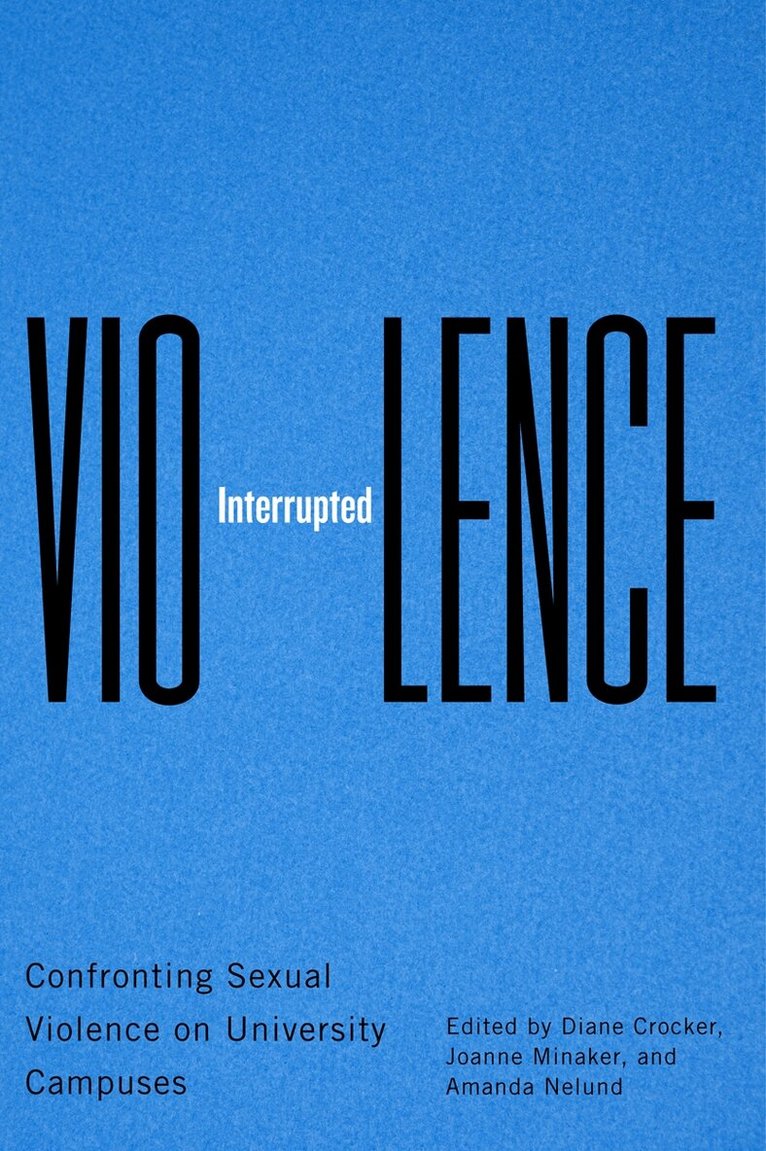
We live in a moment of renewed and highly visible action on the issue of sexual violence. Rape culture is a real and salient force that dominates campus climates and student experiences. Canada has drafted a national framework, provincial legislation, and institutional policy to address incidences of sexual violence, and students have demanded that their universities respond. Yet rape culture persists on campuses throughout North America. Violence Interrupted presents different ways of thinking about sexual violence. It draws together multiple disciplinary perspectives to synthesize new conceptual directions on the nature of the problem and the changes that are required to address it. Analyzing survey data, educational programs, participatory photography projects, interviews, autoethnography, legal case studies, and existing policy, contributors open up the conversation to illustrate sexual violence on campus as a structural, cultural, and complex social phenomenon. The diversity of methodologies sets this study apart: a problem as complex and far-reaching as rape culture must be approached from a multitude of angles. Decades have passed since student advocates first called for "no means no" campaigns, but universities are still struggling to evolve. Violence Interrupted answers the call by bridging the gap between advocacy, research, and institutional change.
Häftad, Engelska, 2010
304 kr
Skickas inom 11-20 vardagar
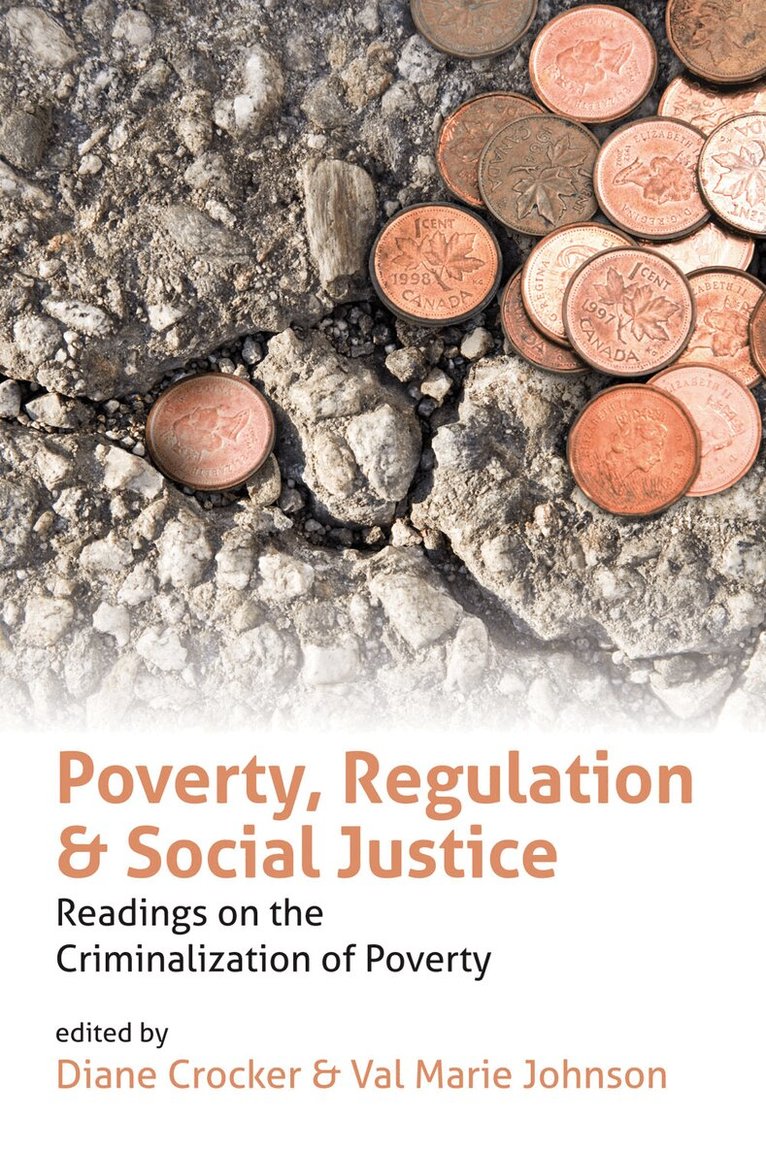
Emerging from a public colloquium on the criminalization of poverty, this volume critically interrogates how state and private practices have increasingly come to over-regulate people with severely limited economic resources, and understands this regulation as part of the dynamics of liberal capitalism. Exploring issues such as homelessness, social assistance and single mothers, and written from a diversity of perspectives from academics to frontline workers, policy-makers and those affected first hand by these practices, this book aims to help readers imagine a more compassionate future.