This exhibition catalog explores the remarkable theatrical designs of Italy's influential Bibiena family in the seventeenth and eighteenth centuries. For nearly a century, members of three generations of the Bibiena family were the most highly sought theater designers in Europe. Their elaborate stage designs were used for operas, festivals, and courtly performances across Europe, from their native Italy to cities as far afield as Vienna, Prague, Stockholm, St. Petersburg, and Lisbon. Beyond these performances, the distinctive Bibiena style survives through their remarkable drawings.Architecture, Theater, and Fantasy commemorates a group of Bibiena drawings from the collection of Jules Fisher, the Tony Award–winning lighting designer, gifted to the Morgan Library and Museum in New York. Accompanying the first US exhibition of these works in more than thirty years, these drawings demonstrate the range of the Bibienas' output, from energetic sketches to detailed watercolors. Representations of imagined palace interiors and lavish illusionistic architecture illuminate the visual splendor of the Baroque period.
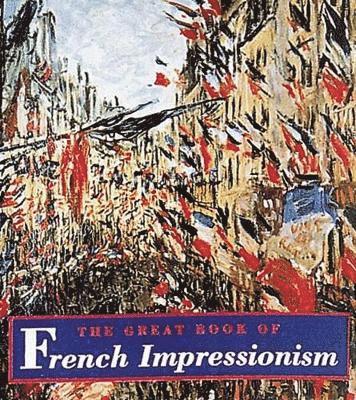
The Great Book of French Impressionism celebrates the richness and exuberance of the Impressionists's world — a world of light and color, of sunlit fields and shimmering waterscapes, of bustling city views and intimate domestic scenes. The 400 illustrations in this handsomely designed volume faithfully capture the subtle nuances of light and keen perception that make French Impressionist paintings unique. This edition features recent scholarship, more complete backmatter, and an expanded index.In her thoughtful and cogent text, art historian Diane Kelder traces the development of Impressionism from its roots in landscape and realist painting through its focus on modern urban life to its ultimate goal: to fix on canvas the fleeting moods and effects of nature in an ever-changing world. The author weaves into her narrative fascinating anecdotes and excerpts form contemporary essays and letters, examines in detail the lives and works of all the major Impressionists and Post-Impressionists, including Manet, Monet, Renoir, Degas, Toulouse-Lautrec, Seurat, and Cezanne, and shows how their work influenced others, ultimately giving rise to the new art of the twentieth century.
This exhibition catalog explores the remarkable theatrical designs of Italy's influential Bibiena family in the seventeenth and eighteenth centuries. For nearly a century, members of three generations of the Bibiena family were the most highly sought theater designers in Europe. Their elaborate stage designs were used for operas, festivals, and courtly performances across Europe, from their native Italy to cities as far afield as Vienna, Prague, Stockholm, St. Petersburg, and Lisbon. Beyond these performances, the distinctive Bibiena style survives through their remarkable drawings.Architecture, Theater, and Fantasy commemorates a group of Bibiena drawings from the collection of Jules Fisher, the Tony Award–winning lighting designer, gifted to the Morgan Library and Museum in New York. Accompanying the first US exhibition of these works in more than thirty years, these drawings demonstrate the range of the Bibienas' output, from energetic sketches to detailed watercolors. Representations of imagined palace interiors and lavish illusionistic architecture illuminate the visual splendor of the Baroque period.
The Great Book of French Impressionism celebrates the richness and exuberance of the Impressionists's world — a world of light and color, of sunlit fields and shimmering waterscapes, of bustling city views and intimate domestic scenes. The 400 illustrations in this handsomely designed volume faithfully capture the subtle nuances of light and keen perception that make French Impressionist paintings unique. This edition features recent scholarship, more complete backmatter, and an expanded index.In her thoughtful and cogent text, art historian Diane Kelder traces the development of Impressionism from its roots in landscape and realist painting through its focus on modern urban life to its ultimate goal: to fix on canvas the fleeting moods and effects of nature in an ever-changing world. The author weaves into her narrative fascinating anecdotes and excerpts form contemporary essays and letters, examines in detail the lives and works of all the major Impressionists and Post-Impressionists, including Manet, Monet, Renoir, Degas, Toulouse-Lautrec, Seurat, and Cezanne, and shows how their work influenced others, ultimately giving rise to the new art of the twentieth century.