Diane Webber – författare
Visar alla böcker från författaren Diane Webber. Handla med fri frakt och snabb leverans.
10 produkter
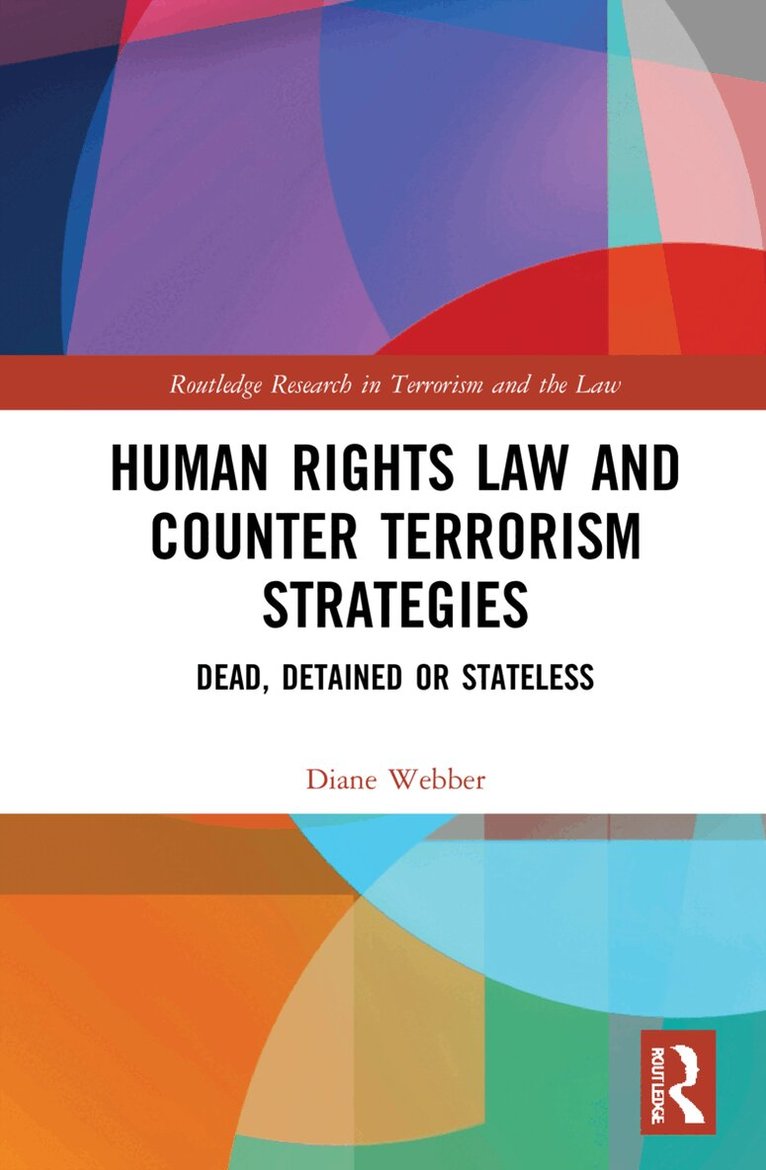
Human Rights Law and Counter Terrorism Strategies
Dead, Detained or Stateless
Av Diane Webber
Inbunden, 2022
2309 kr
Lägg i varukorg
In 2006, the United Nations urged Member States to ensure that counter terrorism policies guaranteed respect for human rights and the rule of law. This book demonstrates that, in many cases, counter terrorism policies relating to preventive detention, targeted killing and measures relating to …
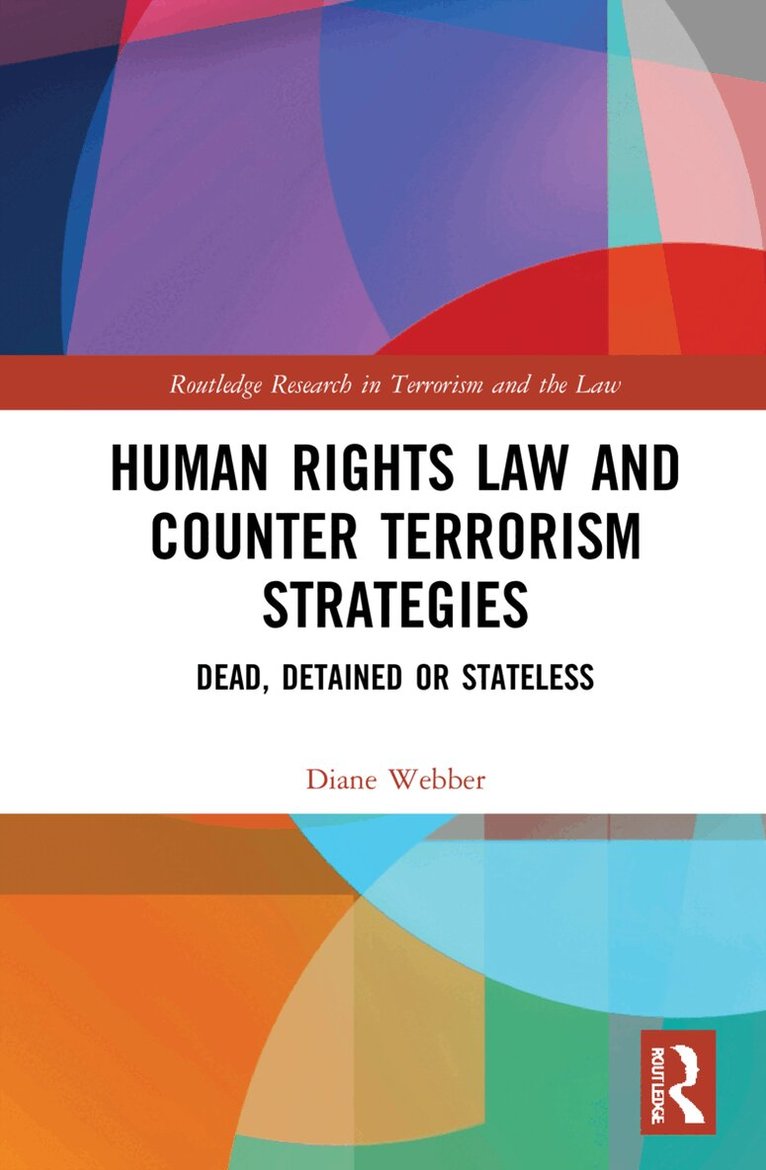
Human Rights Law and Counter Terrorism Strategies
Dead, Detained or Stateless
Av Diane Webber
Häftad, 2024
636 kr
Lägg i varukorg
In 2006, the United Nations urged Member States to ensure that counter terrorism policies guaranteed respect for human rights and the rule of law. This book demonstrates that, in many cases, counter terrorism policies relating to preventive detention, targeted killing and measures relating to …
Abducted: Can Cops Catch the Kidnapper? (XBooks)
Av Diane Webber
Häftad, 2020
24 kr
Lägg i varukorg
Can the kidnapper be caught? Charles Lindbergh was a very famous public figure whose son was kidnapped from his crib. Much of the investigation was based on a series of ransom notes which ultimately led to the conviction of a suspect.High-interest topics, real stories, engaging design, and …
Human Rights Law and Counter Terrorism Strategies
Dead, Detained or Stateless
Av Diane Webber
E-bok, 2022
796 kr
Lägg i varukorg
In 2006, the United Nations urged Member States to ensure that counter terrorism policies guaranteed respect for human rights and the rule of law. This book demonstrates that, in many cases, counter terrorism policies relating to preventive detention, targeted killing and measures relating to …
Human Rights Law and Counter Terrorism Strategies
Dead, Detained or Stateless
Av Diane Webber
E-bok, 2022
796 kr
Lägg i varukorg
In 2006, the United Nations urged Member States to ensure that counter terrorism policies guaranteed respect for human rights and the rule of law. This book demonstrates that, in many cases, counter terrorism policies relating to preventive detention, targeted killing and measures relating to …
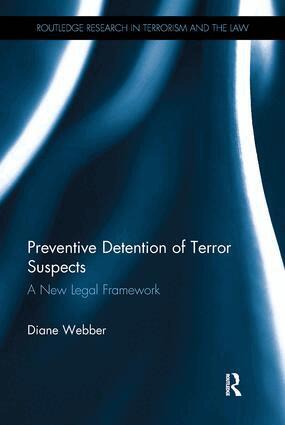
Preventive Detention of Terror Suspects
A New Legal Framework
Av Diane Webber
Häftad, 2018
689 kr
Lägg i varukorg
Preventive detention as a counter-terrorism tool is fraught with conceptual and procedural problems and risks of misuse, excess and abuse. Many have debated the inadequacies of the current legal frameworks for detention, and the need for finding the most appropriate legal model to govern detention …
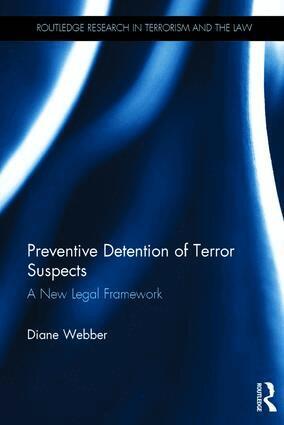
Preventive Detention of Terror Suspects
A New Legal Framework
Av Diane Webber
Inbunden, 2016
2524 kr
Lägg i varukorg
Preventive detention as a counter-terrorism tool is fraught with conceptual and procedural problems and risks of misuse, excess and abuse. Many have debated the inadequacies of the current legal frameworks for detention, and the need for finding the most appropriate legal model to govern detention …
Preventive Detention of Terror Suspects
A New Legal Framework
Av Diane Webber
E-bok, 2016
795 kr
Lägg i varukorg
Preventive detention as a counter-terrorism tool is fraught with conceptual and procedural problems and risks of misuse, excess and abuse. Many have debated the inadequacies of the current legal frameworks for detention, and the need for finding the most appropriate legal model to govern detention …
Preventive Detention of Terror Suspects
A New Legal Framework
Av Diane Webber
E-bok, 2016
813 kr
Lägg i varukorg
Preventive detention as a counter-terrorism tool is fraught with conceptual and procedural problems and risks of misuse, excess and abuse. Many have debated the inadequacies of the current legal frameworks for detention, and the need for finding the most appropriate legal model to govern detention …
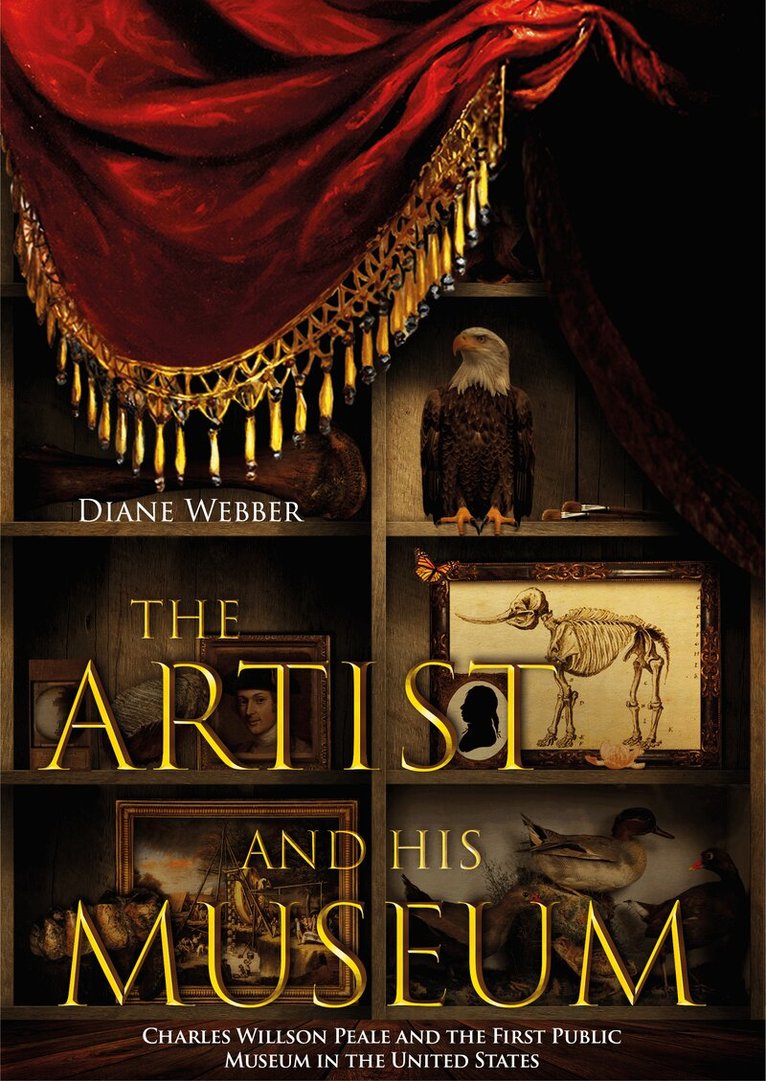
Artist and His Museum
Charles Willson Peale and the First Public Museum in the United States
Av Diane Webber
Häftad, 2026
274 kr
Lägg i varukorg
Artist Charles Willson Peale was making detailed drawings of fossilized bones when a relative’s off-hand comment sparked an idea in his mind—why not turn his art gallery into a museum of the natural world? People would come. People might even pay! His reputation as a portrait painter was growing, …