Dickson Despommier - Böcker
Visar alla böcker från författaren Dickson Despommier. Handla med fri frakt och snabb leverans.
4 produkter
4 produkter
321 kr
Skickas inom 7-10 vardagar
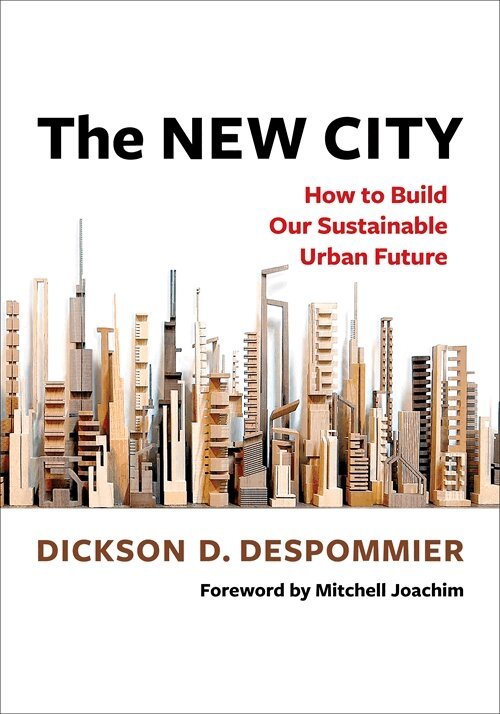
Cities are at once among humanity’s crowning achievements and core drivers of the climate crisis. Their dependence on the outside world for vital resources is causing global temperatures to rise and wildlife habitats to shrink. But we have the opportunity to make cities more sustainable by transforming the built environment.Dickson D. Despommier proposes a visionary yet achievable plan for creating a new, self-sustaining urban landscape. He argues that we can find solutions through the concept of biomimicry: emulating successful strategies found in nature. A better city is possible if we heed the lessons that forests and trees teach about how to store carbon, grow food, collect rainwater, and convert sunlight into energy. Touring established and leading-edge technologies, The New City provides a blueprint for tomorrow’s urban environment. Cities built from wood will be more resilient and less destructive than concrete and steel construction; they will also encourage reforestation, boosting carbon sequestration. Vertical farms inside city limits will supply residents with a reliable, healthy food supply. Buildings will harvest moisture from the rain and air to secure a clean water supply. Renewable energy, including not only wind, solar, and geothermal but also clear photovoltaic window glass and nonpolluting hydrogen fuel cells, will power a cleaner city.The New City delivers both a passionate call to action for halting climate change and a bold vision of the sustainable future within our grasp.
164 kr
Skickas inom 7-10 vardagar
Cities are at once among humanity’s crowning achievements and core drivers of the climate crisis. Their dependence on the outside world for vital resources is causing global temperatures to rise and wildlife habitats to shrink. But we have the opportunity to make cities more sustainable by transforming the built environment.Dickson D. Despommier proposes a visionary yet achievable plan for creating a new, self-sustaining urban landscape. He argues that we can find solutions through the concept of biomimicry: emulating successful strategies found in nature. A better city is possible if we heed the lessons that forests and trees teach about how to store carbon, grow food, collect rainwater, and convert sunlight into energy. Touring established and leading-edge technologies, The New City provides a blueprint for tomorrow’s urban environment. Cities built from wood will be more resilient and less destructive than concrete and steel construction; they will also encourage reforestation, boosting carbon sequestration. Vertical farms inside city limits will supply residents with a reliable, healthy food supply. Buildings will harvest moisture from the rain and air to secure a clean water supply. Renewable energy, including not only wind, solar, and geothermal but also clear photovoltaic window glass and nonpolluting hydrogen fuel cells, will power a cleaner city.The New City delivers both a passionate call to action for halting climate change and a bold vision of the sustainable future within our grasp.
291 kr
Skickas inom 5-8 vardagar
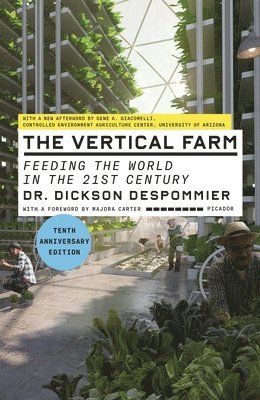
When Columbia professor Dickson Despommier set out to solve America's food, water, and energy crises, he didn't just think big - he thought up. In this groundbreaking book, he explains how the vertical farm will have an incredible impact on changing the face of this planet for generations.
Del 3 - Burleigh Dodds Science: Instant Insights
Instant Insights: Vertical Farming in Horticulture
Häftad, Engelska, 2020
677 kr
Skickas inom 5-8 vardagar
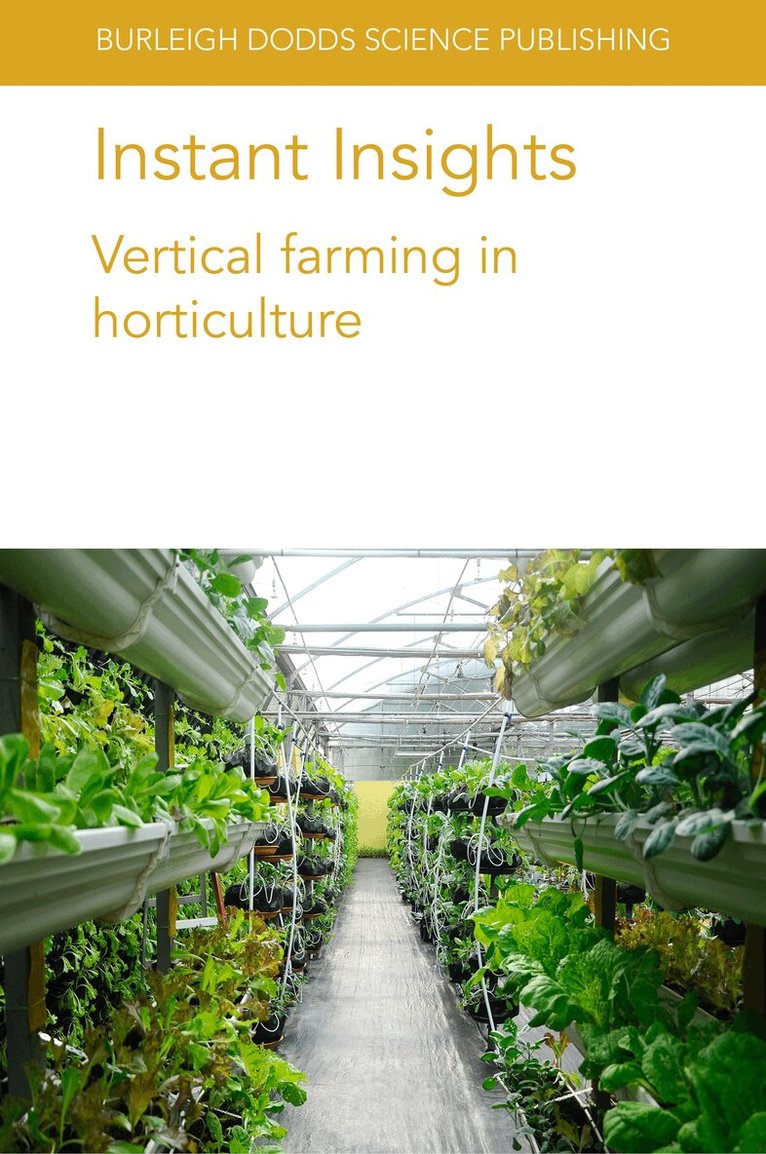
This specially curated collection features five reviews of current and key research on vertical farming in horticulture.The first chapter describes and evaluates technologies and methods for growing edible plants indoors and presents a survey of selected commercial vertical farms currently operating that employ them.The second chapter explores the benefits of plant factories with artificial lighting (PFALs). The chapter assesses resource consumption, costs and performance of current PFALs, as well as methods for reducing resource consumption and production costs.The third chapter explores recent advances in the ornamentals industry, such as vertical propagation systems and LED technology, and how these can be implemented to meet the challenges of a changing marketplace and societal demands.The fourth chapter describes the advantages and disadvantages of hydroponics, along with the equipment and substrates used, and also examines soilless/hydroponic growing systems for vegetables.The final chapter describes the most recent innovation in hydroponic technologies for plant cultivation within cities and their adaptability to the urban fabric.