Dilin Liu – författare
2 222 kr
Skickas inom 10-15 vardagar
765 kr
Skickas inom 10-15 vardagar
737 kr
Skickas inom 10-15 vardagar
2 417 kr
Skickas inom 5-8 vardagar
833 kr
Skickas inom 10-15 vardagar
237 kr
Skickas inom 7-10 vardagar
283 kr
Läs direkt efter köp
283 kr
Läs direkt efter köp
836 kr
Läs direkt efter köp
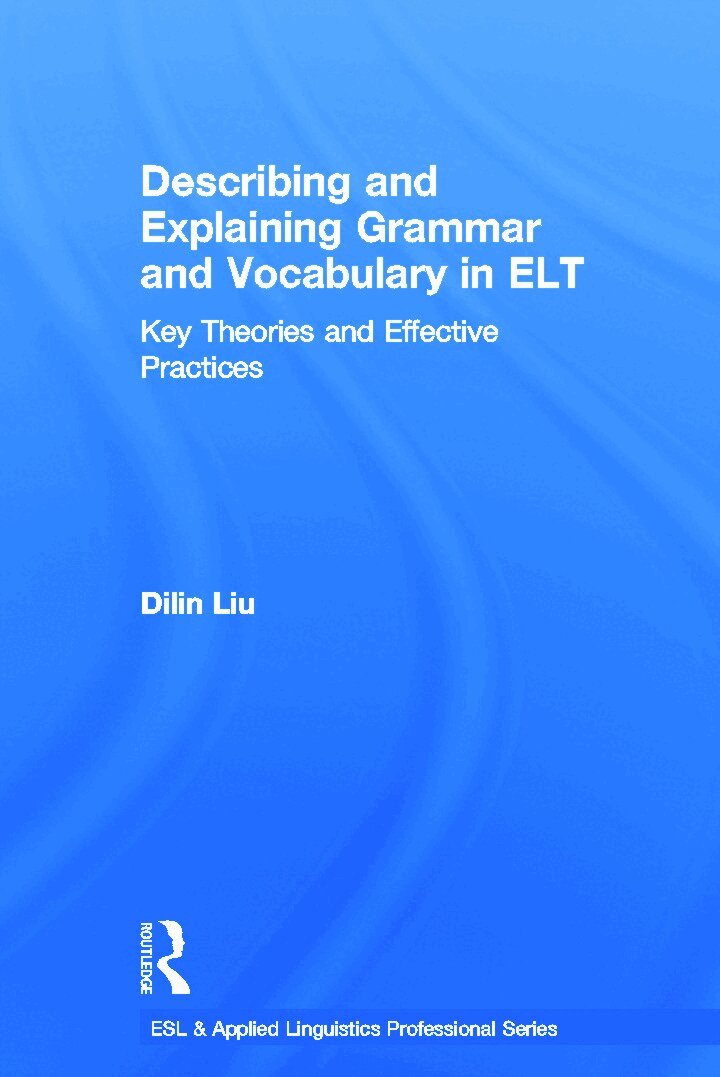
Language description plays an important role in language learning/teaching because it often determines what specific language forms, features, and usages are taught and how. A good understanding of language description is vital for language teachers and material writers and should constitute an important part of their knowledge. This book provides a balanced treatment of both theory and practice. It focuses on some of the most important and challenging grammar and vocabulary usage questions. Using these questions as examples, it shows how theory can inform practice and how grammar and vocabulary description and explanation can be made more effective and engaging.
Part I describes and evaluates the key linguistic theories on language description and teaching. Part II discusses and gives specific examples of how challenging grammar and vocabulary issues can be more effectively described and explained; each chapter focuses on one or more specific grammar and vocabulary. An annotated list of useful free online resources (online corpora and websites) for grammar and vocabulary learning and teaching, and a glossary provide helpful information.
836 kr
Läs direkt efter köp
Language description plays an important role in language learning/teaching because it often determines what specific language forms, features, and usages are taught and how. A good understanding of language description is vital for language teachers and material writers and should constitute an important part of their knowledge. This book provides a balanced treatment of both theory and practice. It focuses on some of the most important and challenging grammar and vocabulary usage questions. Using these questions as examples, it shows how theory can inform practice and how grammar and vocabulary description and explanation can be made more effective and engaging.
Part I describes and evaluates the key linguistic theories on language description and teaching. Part II discusses and gives specific examples of how challenging grammar and vocabulary issues can be more effectively described and explained; each chapter focuses on one or more specific grammar and vocabulary. An annotated list of useful free online resources (online corpora and websites) for grammar and vocabulary learning and teaching, and a glossary provide helpful information.
915 kr
Läs direkt efter köp
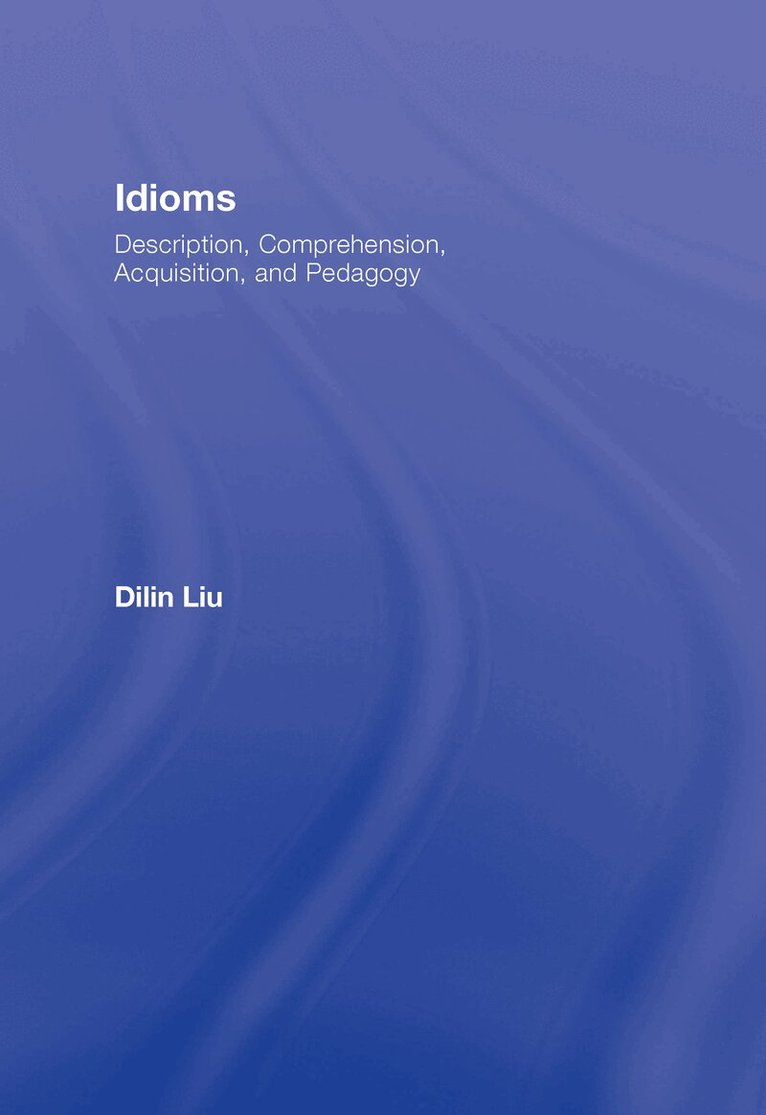
This comprehensive, up-to-date, and accessible text on idiom use, learning, and teaching approaches the topic with a balance of sound theory and extensive research in cognitive linguistics, psycholinguistics, corpus linguistics, and sociolinguistics combined with informed teaching practices. Idioms is organized into three parts:
Part I includes discussion of idiom definition, classification, usage patterns, and functions. Part II investigates the process involved in the comprehension of idioms and the factors that influence individuals’ understanding and use of idioms in both L1 and L2. Part III explores idiom acquisition and the teaching and learning of idioms, focusing especially on the strategies and techniques used to help students learn idioms.To assist the reader in grasping the key issues, study questions are provided at the end of each chapter. The text also includes a glossary of special terms and an annotated list of selective idiom reference books and student textbooks.
Idioms is designed to serve either as a textbook for ESL/applied linguistics teacher education courses or as a reference book. No matter how the book is used, it will equip ESL/applied linguistics students and professionals with a solid understanding of various issues related to idioms and the learning of them.
915 kr
Läs direkt efter köp
This comprehensive, up-to-date, and accessible text on idiom use, learning, and teaching approaches the topic with a balance of sound theory and extensive research in cognitive linguistics, psycholinguistics, corpus linguistics, and sociolinguistics combined with informed teaching practices. Idioms is organized into three parts:
Part I includes discussion of idiom definition, classification, usage patterns, and functions. Part II investigates the process involved in the comprehension of idioms and the factors that influence individuals’ understanding and use of idioms in both L1 and L2. Part III explores idiom acquisition and the teaching and learning of idioms, focusing especially on the strategies and techniques used to help students learn idioms.To assist the reader in grasping the key issues, study questions are provided at the end of each chapter. The text also includes a glossary of special terms and an annotated list of selective idiom reference books and student textbooks.
Idioms is designed to serve either as a textbook for ESL/applied linguistics teacher education courses or as a reference book. No matter how the book is used, it will equip ESL/applied linguistics students and professionals with a solid understanding of various issues related to idioms and the learning of them.
321 kr
Skickas inom 5-8 vardagar