Dimitri Van Limbergen – författare
Visar alla böcker från författaren Dimitri Van Limbergen. Handla med fri frakt och snabb leverans.
9 produkter
9 produkter
Inbunden, Engelska, 2024
1 356 kr
Skickas inom 10-15 vardagar
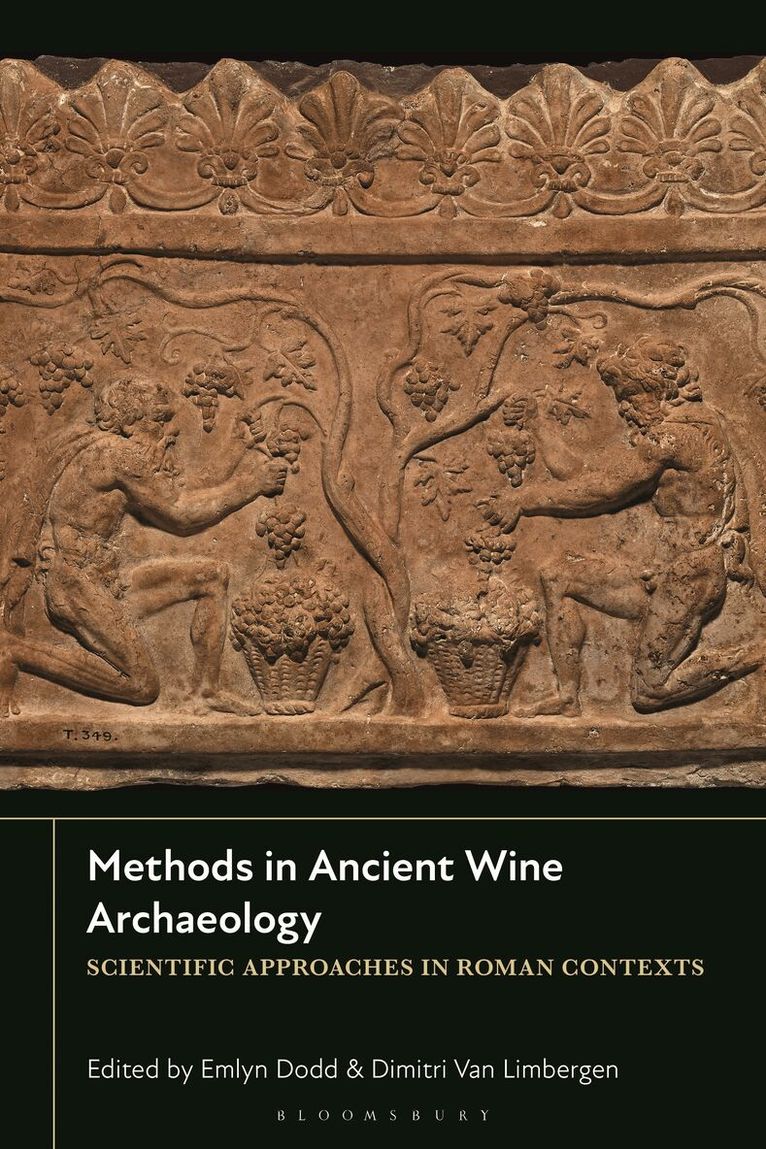
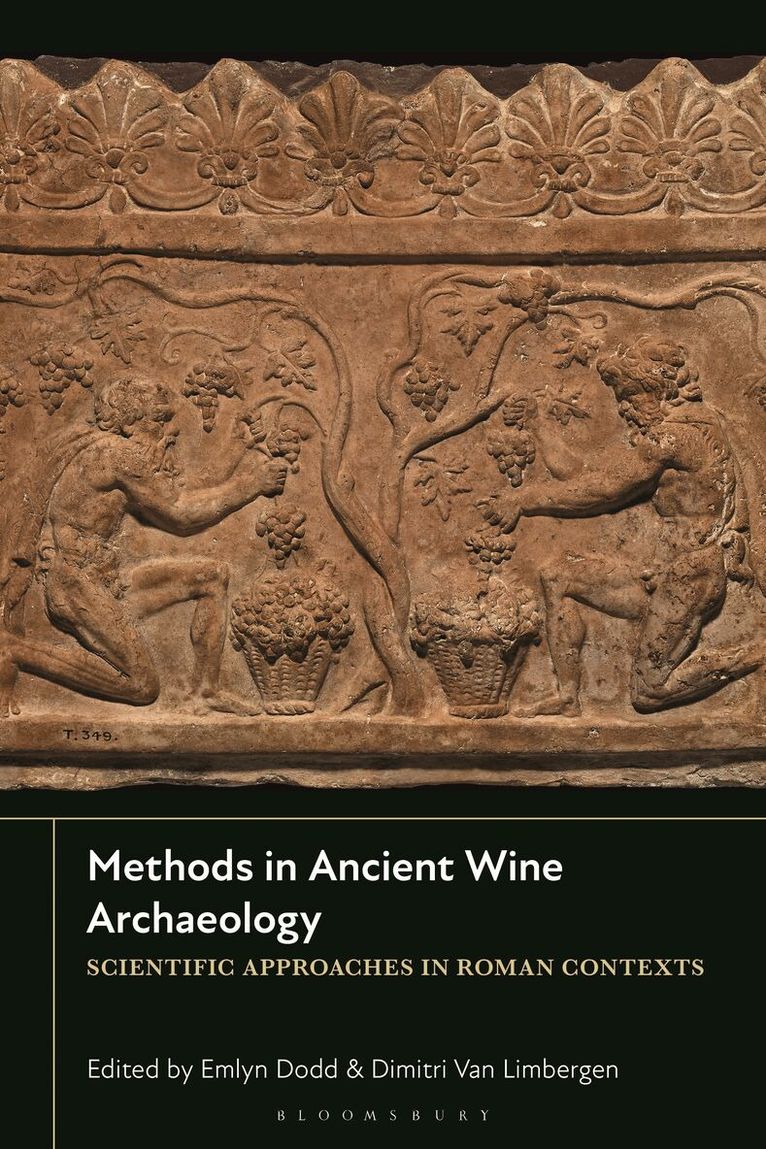
Bringing together a wide array of modern scientific techniques and interdisciplinary approaches, this book provides an accessible guide to the methods that form the current bedrock of research into Roman, and more broadly ancient, wine. Chapters are arranged into thematic sections, covering biomolecular archaeology and chemical analysis, archaeobotany and palynology, vineyard and landscape archaeology and computational and experimental archaeology. These include discussions of some of the most recent techniques, such as ancient DNA and organic residue analyses, geophysical prospection, multispectral imaging and spatial and climatic modelling. While most of the content is of direct relevance to the Roman Mediterranean, the assortment of detailed case studies, methodological outlines and broader ‘state of the field’ reflections is of equal use to researchers working across disparate disciplines, geographies, and chronologies.The study of ancient Roman wine has been dominated until recently by traditional archaeological analyses focused upon production facilities and ceramic evidence related to transport. While such architecture and artefact-focussed approaches provide a fundamental foundation for our understanding of this topic, they fail to provide the requisite nuance to answer other questions regarding grape cultivation and wine production, consumption, use and trade. As the first compendium of its kind, this book supports the embedding of modern scientific and experimental techniques into archaeological fieldwork, research and laboratory analysis, pushing the boundaries of what questions can be explored, and serving as a launching point for future avenues of interdisciplinary research.
Häftad, Engelska, 2025
357 kr
Skickas inom 5-8 vardagar
Bringing together a wide array of modern scientific techniques and interdisciplinary approaches, this book provides an accessible guide to the methods that form the current bedrock of research into Roman, and more broadly ancient, wine. Chapters are arranged into thematic sections, covering biomolecular archaeology and chemical analysis, archaeobotany and palynology, vineyard and landscape archaeology and computational and experimental archaeology. These include discussions of some of the most recent techniques, such as ancient DNA and organic residue analyses, geophysical prospection, multispectral imaging and spatial and climatic modelling. While most of the content is of direct relevance to the Roman Mediterranean, the assortment of detailed case studies, methodological outlines and broader ‘state of the field’ reflections is of equal use to researchers working across disparate disciplines, geographies, and chronologies.The study of ancient Roman wine has been dominated until recently by traditional archaeological analyses focused upon production facilities and ceramic evidence related to transport. While such architecture and artefact-focussed approaches provide a fundamental foundation for our understanding of this topic, they fail to provide the requisite nuance to answer other questions regarding grape cultivation and wine production, consumption, use and trade. As the first compendium of its kind, this book supports the embedding of modern scientific and experimental techniques into archaeological fieldwork, research and laboratory analysis, pushing the boundaries of what questions can be explored, and serving as a launching point for future avenues of interdisciplinary research.
E-bok
PDF, Engelska, 2024376 kr
Läs direkt efter köp
Bringing together a wide array of modern scientific techniques and interdisciplinary approaches, this book provides an accessible guide to the methods that form the current bedrock of research into Roman, and more broadly ancient, wine. Chapters are arranged into thematic sections, covering biomolecular archaeology and chemical analysis, archaeobotany and palynology, vineyard and landscape archaeology and computational and experimental archaeology. These include discussions of some of the most recent techniques, such as ancient DNA and organic residue analyses, geophysical prospection, multispectral imaging and spatial and climatic modelling. While most of the content is of direct relevance to the Roman Mediterranean, the assortment of detailed case studies, methodological outlines and broader ''state of the field'' reflections is of equal use to researchers working across disparate disciplines, geographies, and chronologies. The study of ancient Roman wine has been dominated until recently by traditional archaeological analyses focused upon production facilities and ceramic evidence related to transport. While such architecture and artefact-focussed approaches provide a fundamental foundation for our understanding of this topic, they fail to provide the requisite nuance to answer other questions regarding grape cultivation and wine production, consumption, use and trade. As the first compendium of its kind, this book supports the embedding of modern scientific and experimental techniques into archaeological fieldwork, research and laboratory analysis, pushing the boundaries of what questions can be explored, and serving as a launching point for future avenues of interdisciplinary research.
E-bok
Engelska, 2024376 kr
Läs direkt efter köp
Bringing together a wide array of modern scientific techniques and interdisciplinary approaches, this book provides an accessible guide to the methods that form the current bedrock of research into Roman, and more broadly ancient, wine. Chapters are arranged into thematic sections, covering biomolecular archaeology and chemical analysis, archaeobotany and palynology, vineyard and landscape archaeology and computational and experimental archaeology. These include discussions of some of the most recent techniques, such as ancient DNA and organic residue analyses, geophysical prospection, multispectral imaging and spatial and climatic modelling. While most of the content is of direct relevance to the Roman Mediterranean, the assortment of detailed case studies, methodological outlines and broader ''state of the field'' reflections is of equal use to researchers working across disparate disciplines, geographies, and chronologies. The study of ancient Roman wine has been dominated until recently by traditional archaeological analyses focused upon production facilities and ceramic evidence related to transport. While such architecture and artefact-focussed approaches provide a fundamental foundation for our understanding of this topic, they fail to provide the requisite nuance to answer other questions regarding grape cultivation and wine production, consumption, use and trade. As the first compendium of its kind, this book supports the embedding of modern scientific and experimental techniques into archaeological fieldwork, research and laboratory analysis, pushing the boundaries of what questions can be explored, and serving as a launching point for future avenues of interdisciplinary research.
Häftad, Engelska, 2020
376 kr
Skickas inom 3-6 vardagar
Inbunden, Engelska, 2022
1 793 kr
Skickas inom 10-15 vardagar
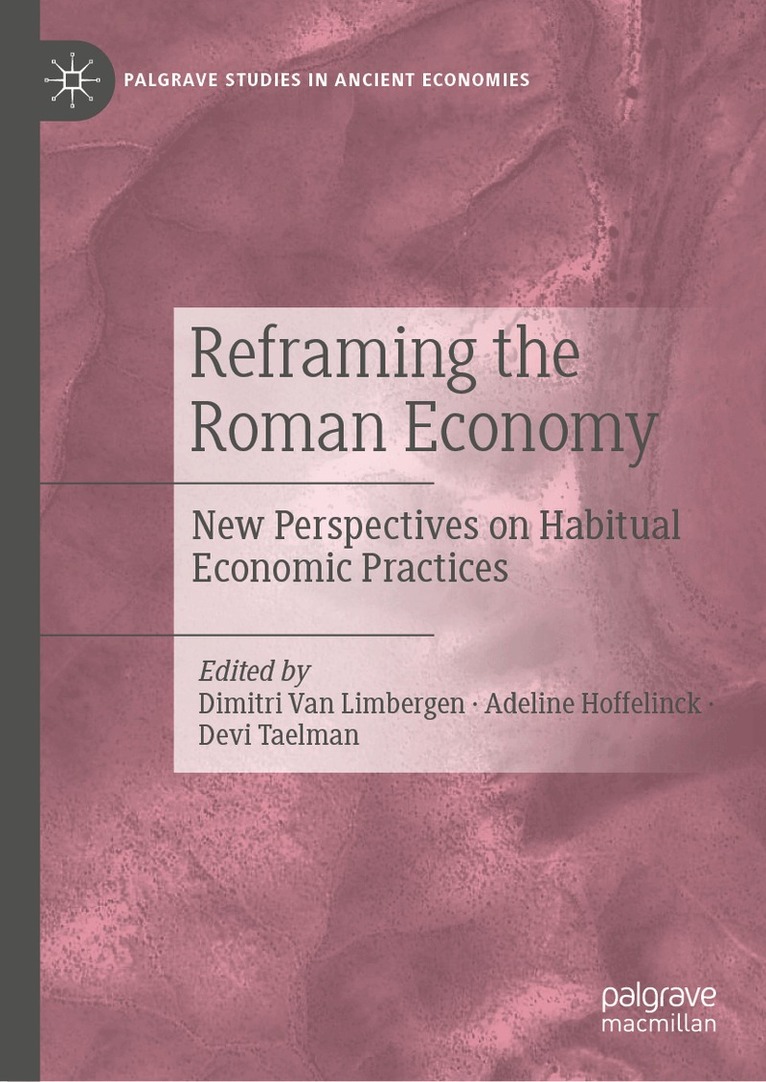
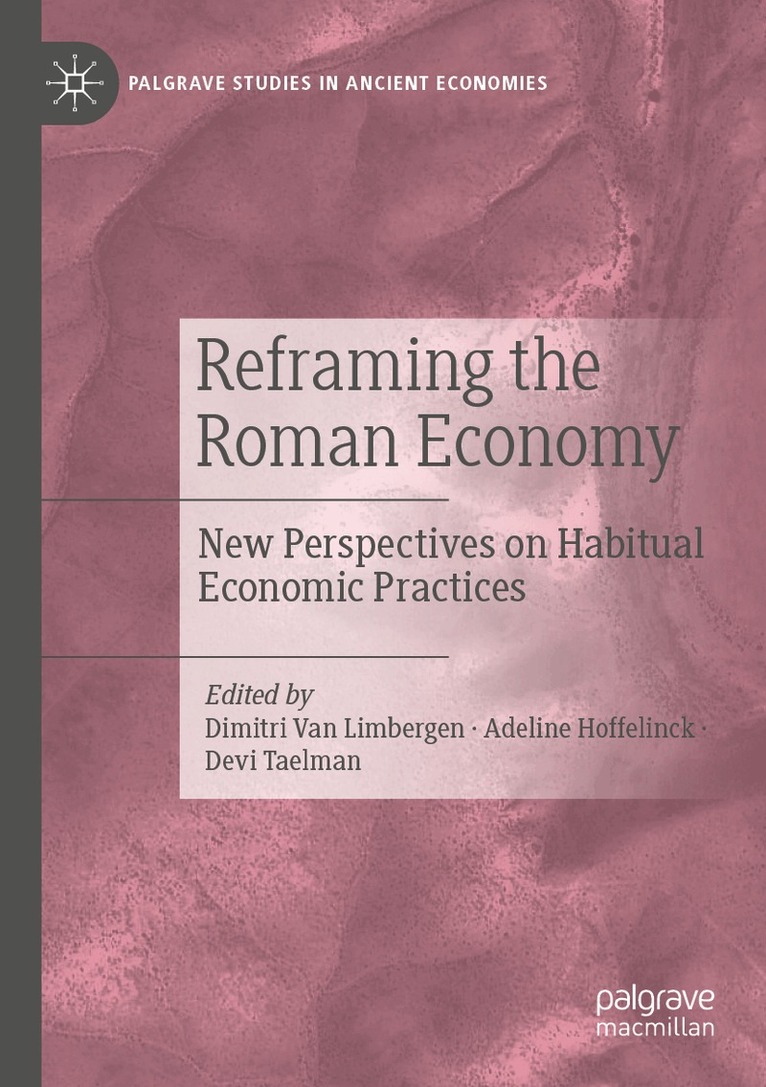
This book focuses on those features of the Roman economy that are less traceable in text and archaeology, and as a consequence remain largely underexplored in contemporary scholarship. By reincorporating, for the first time, these long-obscured practices in mainstream scholarly discourses, this book offers a more complete and balanced view of an economic system that for too long has mostly been studied through its macro-economic and large-scale – and thus archaeologically and textually omnipresent – aspects. The topic is approached in five thematic sections, covering unusual actors and perspectives, unusual places of production, exigent landscapes of exploitation, less-visible products and artefacts, and divergent views on emblematic economic spheres. To this purpose, the book brings together a select group of leading scholars and promising early career researchers in archaeology and ancient economic history, well positioned to steer this ill-developed but fundamental field of the Roman economy in promising new directions.
E-bok
Engelska, 20222 213 kr
Läs direkt efter köp
This book focuses on those features of the Roman economy that are less traceable in text and archaeology, and as a consequence remain largely underexplored in contemporary scholarship. By reincorporating, for the first time, these long-obscured practices in mainstream scholarly discourses, this book offers a more complete and balanced view of an economic system that for too long has mostly been studied through its macro-economic and large-scale – and thus archaeologically and textually omnipresent – aspects. The topic is approached in five thematic sections, covering unusual actors and perspectives, unusual places of production, exigent landscapes of exploitation, less-visible products and artefacts, and divergent views on emblematic economic spheres. To this purpose, the book brings together a select group of leading scholars and promising early career researchers in archaeology and ancient economic history, well positioned to steer this ill-developed but fundamental field of the Roman economy in promising new directions.
Häftad, Engelska, 2023
1 793 kr
Skickas inom 10-15 vardagar
This book focuses on those features of the Roman economy that are less traceable in text and archaeology, and as a consequence remain largely underexplored in contemporary scholarship. By reincorporating, for the first time, these long-obscured practices in mainstream scholarly discourses, this book offers a more complete and balanced view of an economic system that for too long has mostly been studied through its macro-economic and large-scale – and thus archaeologically and textually omnipresent – aspects. The topic is approached in five thematic sections, covering unusual actors and perspectives, unusual places of production, exigent landscapes of exploitation, less-visible products and artefacts, and divergent views on emblematic economic spheres. To this purpose, the book brings together a select group of leading scholars and promising early career researchers in archaeology and ancient economic history, well positioned to steer this ill-developed but fundamental field of the Roman economy in promising new directions.
Häftad, Engelska, 2021
291 kr
Skickas inom 3-6 vardagar