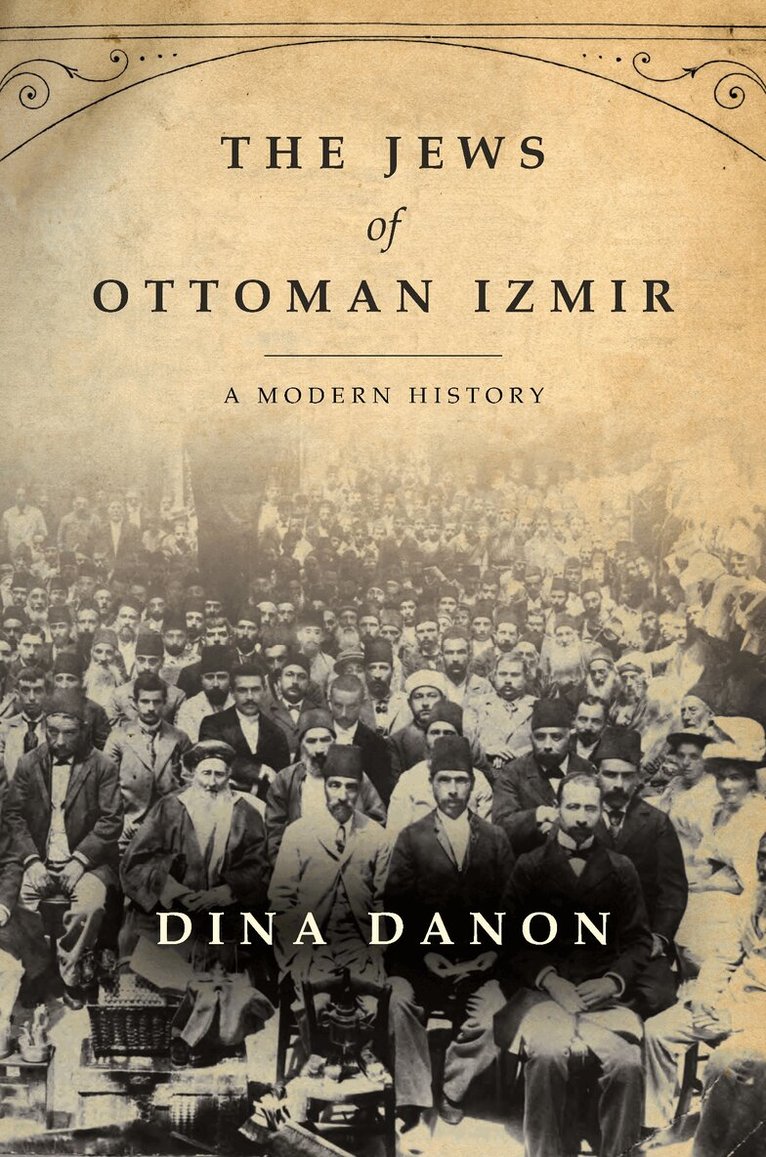
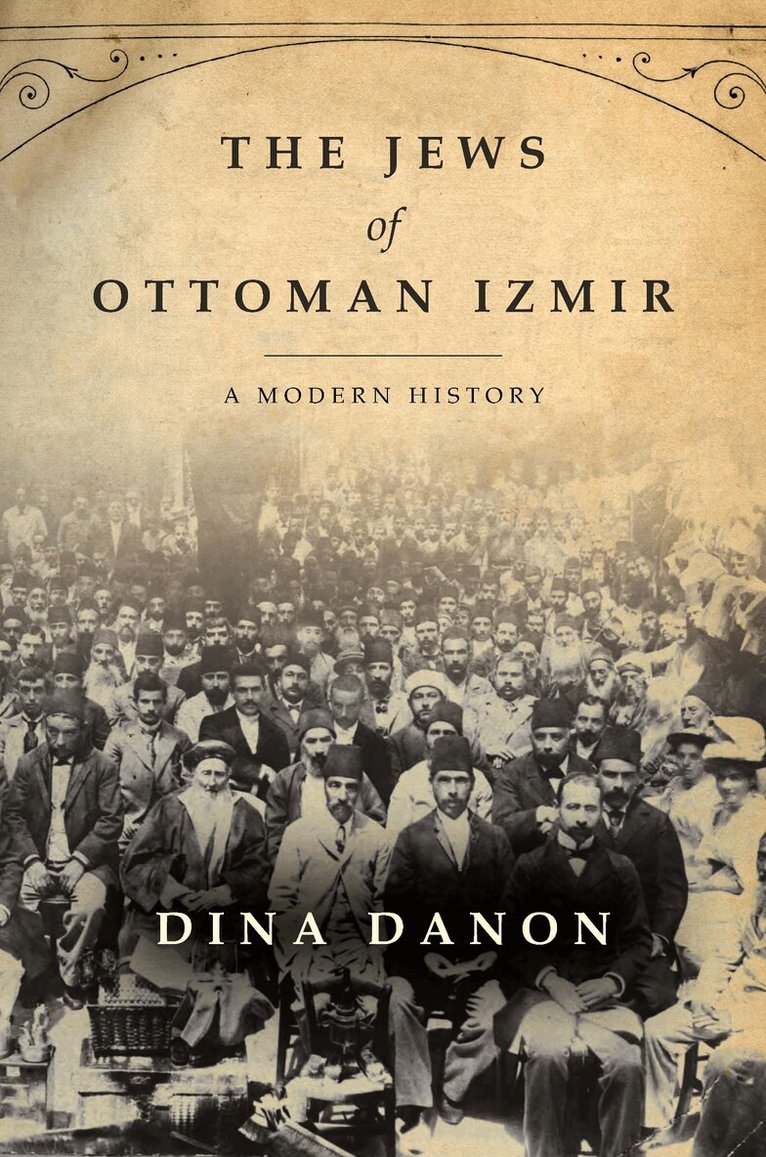
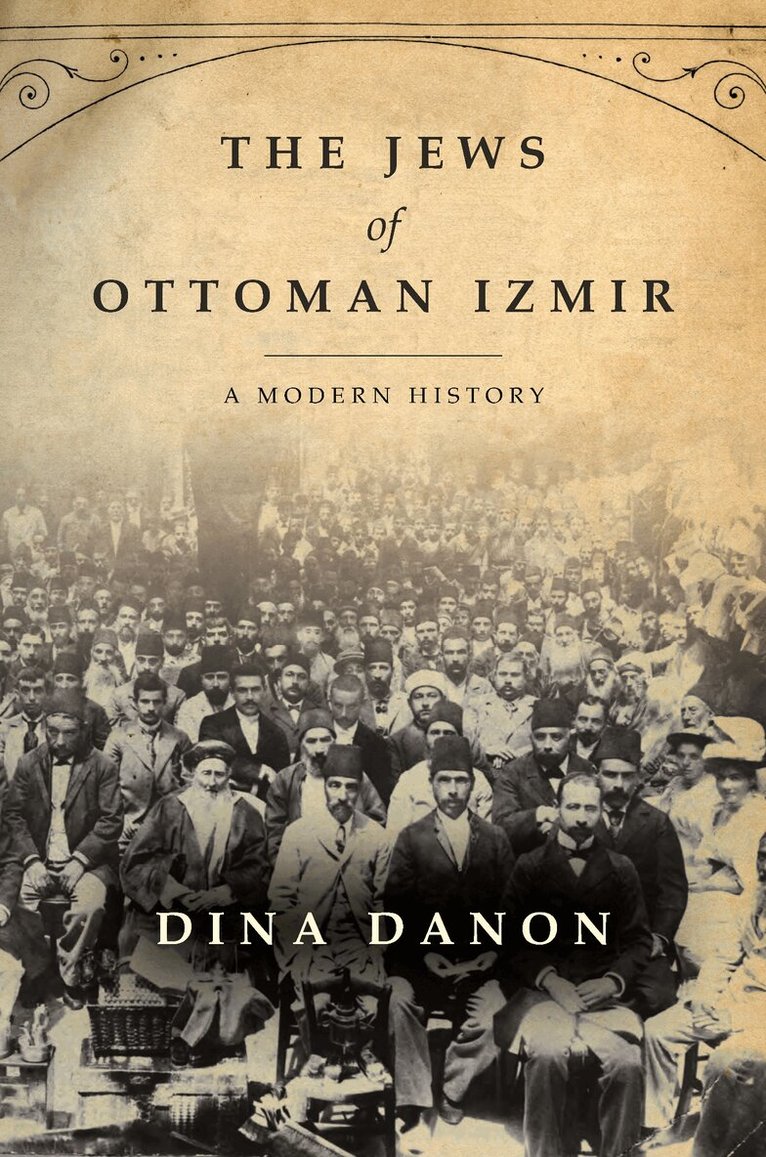
By the turn of the twentieth century, the eastern Mediterranean port city of Izmir had been home to a vibrant and substantial Sephardi Jewish community for over four hundred years, and had emerged as a major center of Jewish life. The Jews of Ottoman Izmir tells the story of this long overlooked Jewish community, drawing on previously untapped Ladino archival material. Across Europe, Jews were often confronted with the notion that their religious and cultural distinctiveness was somehow incompatible with the modern age. Yet the view from Ottoman Izmir invites a different approach: what happens when Jewish difference is totally unremarkable? Dina Danon argues that while Jewish religious and cultural distinctiveness might have remained unquestioned in this late Ottoman port city, other elements of Jewish identity emerged as profound sites of tension, most notably those of poverty and social class. Through the voices of both beggars on the street and mercantile elites, shoe-shiners and newspaper editors, rabbis and housewives, this book argues that it was new attitudes to poverty and class, not Judaism, that most significantly framed this Sephardi community's encounter with the modern age.
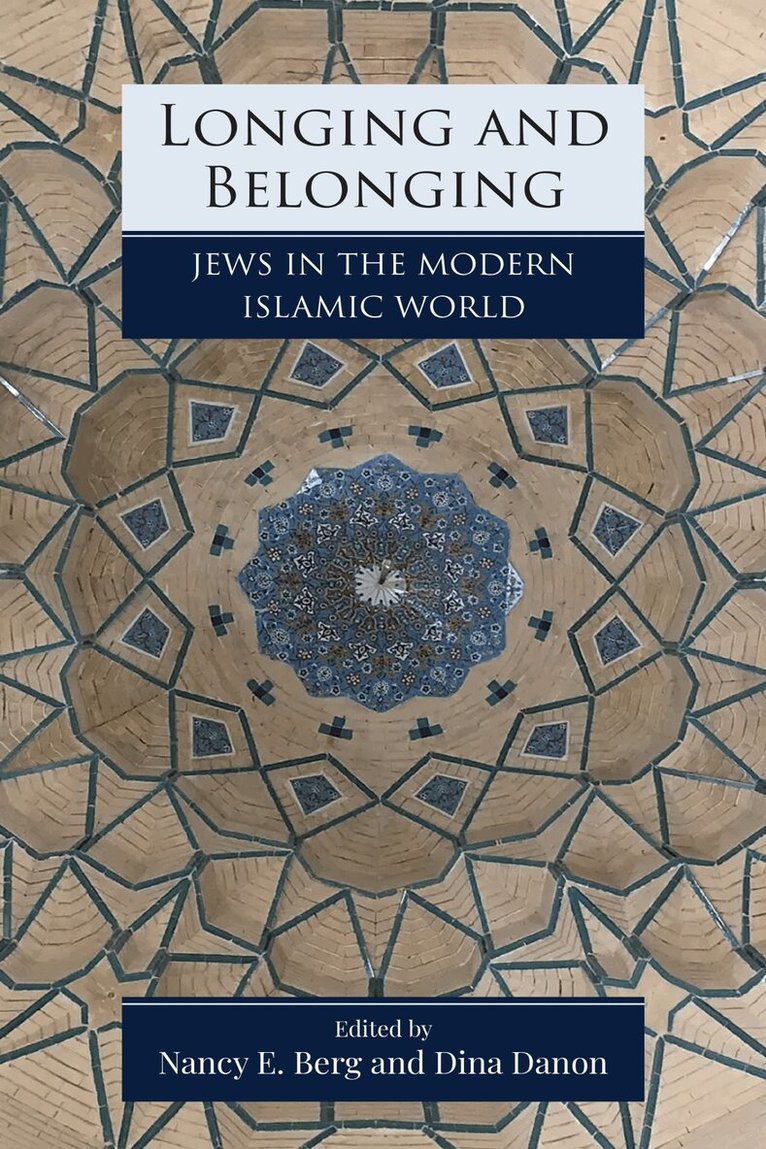
This volume explores the history of Jewish life and experience in the modern Islamic worldLonging and Belonging investigates the lives of Jews among Muslims in the modern age, both inside and outside the Ottoman Empire and after its demise. Here, modern Jewish protagonists are revealed as active participants in an expansive Islamic civilization, reflecting a mutuality and cross-fertilization in the region that raises new lines of inquiry and which offers enduring lessons for the world today. This collection both foregrounds the experiences of Jewish communities that have long been relegated to the margins of historical and literary studies and, critically, uses these experiences to complicate prevailing narratives from both Jewish and Middle Eastern Studies. By following communities from the coffeeshops of Cairo to the villages of Yemen, from the local marriage market in Izmir to the global commerce of the Sassoons, readers gain intimate insight into a world that resists a simple understanding of the modern Islamic world and of the place of Jews within it. Just as much as the Sephardi and Mizrahi experience complicates prevailing paradigms in the study of Jewish modernity, so too does it enrich understandings of modernity across Muslim societies. The volume tells a story of longing, belonging, and longing to belong, of multiple affinities in a world that no longer exists.Contributors: Esra Almas, Nancy E. Berg, Dina Danon, Keren Dotan, Annie Greene, Alma Rachel Heckman, Hadar Feldman Samet, Joseph Sassoon, Edwin Seroussi, Alon Tam, Alan Verskin, Mark Wagner.