Dina Jane Kiwan – författare
Visar alla böcker från författaren . Handla med fri frakt och snabb leverans.
2 produkter
2 produkter
Häftad, Engelska, 2014
951 kr
Skickas inom 10-15 vardagar
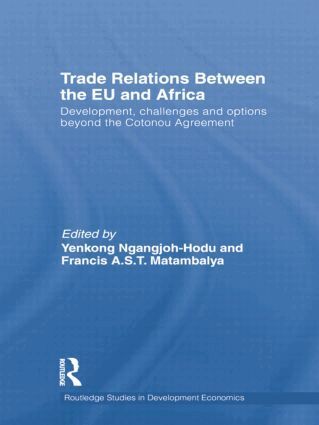
Trade liberalisation and openness, as linchpins for development have been flagships of conventional economic policy advices to most African countries over the last few decades. Much of the orientation of the focus however has been on the impact of international trade on development rather than the requirements that development should inform the shaping of the international trading system so that African countries may be able to benefit from such trade. This view has permeated both academic debate and the Economic Partnership Agreement (EPA) Negotiation between the European Commission and groups of African Caribbean and Pacific (ACP) States.This timely volume advances an alternative set of inter-related, interdisciplinary perspectives and debates which contribute to overlapping genres and discourses, notably how rules of origins may stifle the development dimension of EPAs, how special agricultural safeguards may be used in balancing the effects of trade liberalisation on small farm holders in Africa. It also discusses the centrality of aid for trade in trade negotiations, and mainstreaming development in the EPAs debate to enhance domestic supply side in Africa and the various regional integration processes in the region.This book focuses on areas of trade that may inform the development dimension of international trade. With this edited volume, a team of specialists provide a comprehensive survey of ACP –EU trade and Africa trade relation in the global context, placing it in its legal, economic and political contexts. The book innovative approach coupled with a stimulating and accessible writing style, allows the reader to engage fully with the content. It will be of most value to students, scholars and related policymakers of international, development and trade economics.
Inbunden, Engelska, 2007
1 778 kr
Tillfälligt slut
This book examines the conceptions of citizenship and the extent to which these conceptions accommodate ethnic and religious diversity in today’s schools. The author contributes to theoretical thinking on inclusive citizenship through a focus on the policy and curriculum development process of citizenship education in the English secondary school context, and she bases her work on original first-hand account from interviews with key players involved, such as former home secretary David Blunkett, Sir Bernard Crick and other high profile policy-makers. Four main models of citizenship underpinned by political philosopy are proposed and the theoretical and practical implications for diversity of these four models are explicated.