Dina Ligaga – författare
Visar alla böcker från författaren Dina Ligaga. Handla med fri frakt och snabb leverans.
2 produkter
2 produkter
Inbunden, Engelska, 2012
1 246 kr
Skickas inom 5-8 vardagar
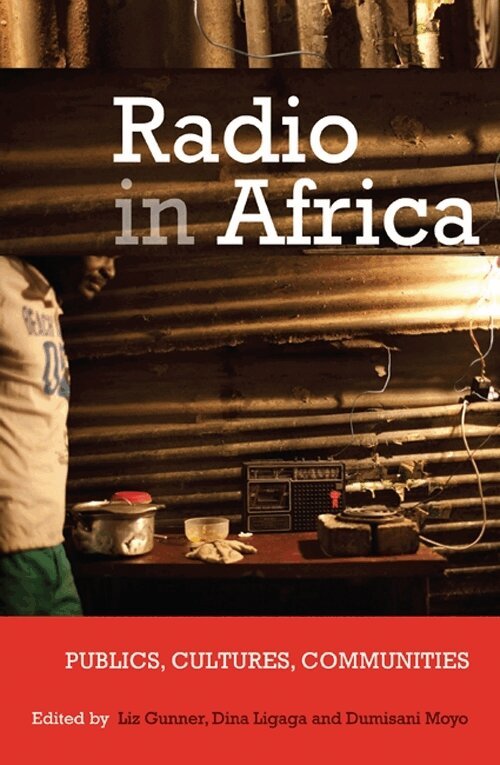
Radio is 'Africa's medium', with an ability to transcend barriers to access, facilitate political debate and shape identities.Contributors investigate the multiple roles of radio in the lives of African listeners across the continent. Some essays turn to the history of radio and its part in culture and politics. Others show how radio throws up new tensions, yet endorses social innovation and the making of new publics. A number of contributors look at radio's current role in creating listening communities that radically shift the nature of the public sphere. Yet others cover radio's central role in the emergence of informed publics in fragile national spaces, or in failed states. The book also highlights radio's links to the new media, its role in resistance to oppressive regimes, and points in several cases to the importance of African languages in building modern communities that embrace both local and global knowledge.Liz Gunner is visiting Professor at the Wits Institute for Social and Economic Research; Dina Ligagais a lecturer in the Department of Media Studies, University of the Witwatersrand; Dumisani Moyo is Research and Publications Manager at the Open Society Initiative for Southern Africa.Southern Africa (South Africa, Namibia, Botswana, Lesotho, Zimbabwe & Swaziland): Wits University Press
E-bok
PDF, Engelska, 2020594 kr
Läs direkt efter köp
Women, visibility and morality in Kenyan popular media explores familiar constructions of femininity to assess ways in which it circulates in discourse, both stereotypically and otherwise. It assesses the meanings of such discourses and their articulations in various public platforms in Kenya. The book draws together theoretical questions on ,pre-convened, scripts that contain or condition how women can circulate in public. The book asks questions about particular interpretations of women,s bodies that are considered transgressive or unruly and why these bodies become significant symbolic sites for the generation of knowledge on morality and sexuality. The book also poses questions about genre and representations of femininity. The assertion made is that for knowledges of femininity to circulate effectively, they must be melodramatic, spectacular and scandalous. Ultimately, the book asks how such a theorisation of popular modes of representation enable a better understanding of the connections between gender, sexuality and violence in Kenya.