Dinsha Mistree - Böcker
Visar alla böcker från författaren Dinsha Mistree. Handla med fri frakt och snabb leverans.
7 produkter
7 produkter
534 kr
Skickas inom 7-10 vardagar
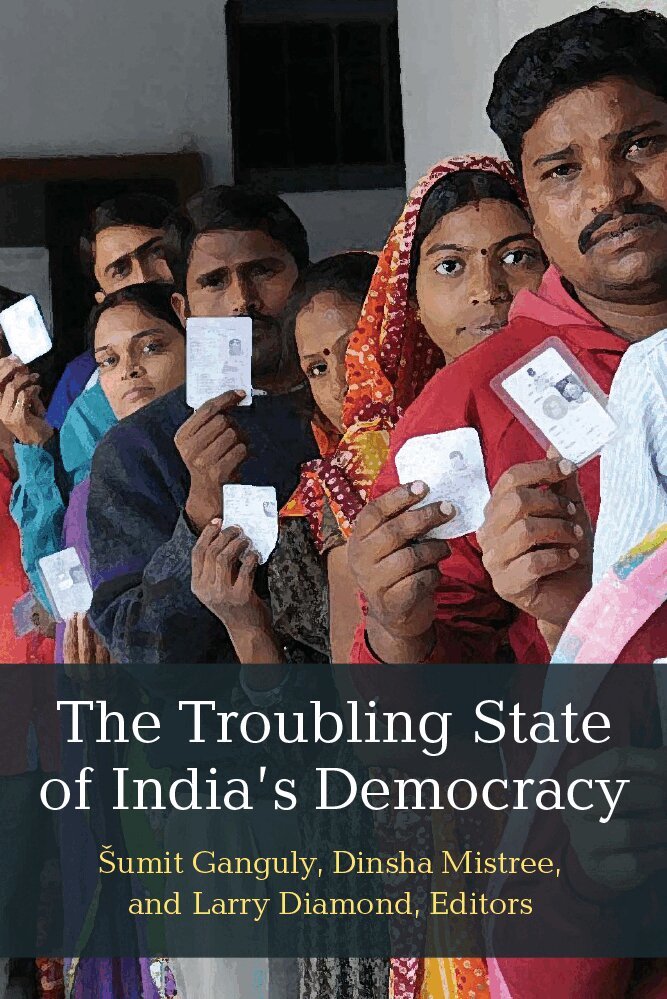
As India’s power and prominence rise on the international stage, its longstanding tradition of democracy is under threat. Since establishing a secular and democratic constitution in 1950, India has held elections at the local, state, and national levels with frequent transitions of power between opposing parties. This commitment to democracy has provided political order to a country that is twice the size of Europe and with a stunning array of social and economic divides. Despite this rich tradition, India’s democracy faces an unprecedented threat with the rise of Narendra Modi and his Hindu nationalist party, the Bharatiya Janata Party. After decisively winning general elections in 2014, Modi and the BJP have pursued a range of anti-democratic policies in which the state and society are used to undermine the opposition, to stifle free speech, and to harass religious minorities. The Troubling State of India’s Democracy brings together leading scholars from around the world to assess the conditions of India’s democracy across three important dimensions: politics, specifically the state of political parties and the party system; the state, including the condition of federalism and the health of various institutions; and society, including NGOs, ethnic and religious tensions, and control of the media. Even though elements of India’s democracy seem to function—like its commitment to elections—the contributors document a disturbing trajectory, one that not only threatens to undermine India’s own stability, but could also affect the global order.
1 131 kr
Skickas inom 7-10 vardagar
As India’s power and prominence rise on the international stage, its longstanding tradition of democracy is under threat. Since establishing a secular and democratic constitution in 1950, India has held elections at the local, state, and national levels with frequent transitions of power between opposing parties. This commitment to democracy has provided political order to a country that is twice the size of Europe and with a stunning array of social and economic divides. Despite this rich tradition, India’s democracy faces an unprecedented threat with the rise of Narendra Modi and his Hindu nationalist party, the Bharatiya Janata Party. After decisively winning general elections in 2014, Modi and the BJP have pursued a range of anti-democratic policies in which the state and society are used to undermine the opposition, to stifle free speech, and to harass religious minorities. The Troubling State of India’s Democracy brings together leading scholars from around the world to assess the conditions of India’s democracy across three important dimensions: politics, specifically the state of political parties and the party system; the state, including the condition of federalism and the health of various institutions; and society, including NGOs, ethnic and religious tensions, and control of the media. Even though elements of India’s democracy seem to function—like its commitment to elections—the contributors document a disturbing trajectory, one that not only threatens to undermine India’s own stability, but could also affect the global order.
2 166 kr
Skickas inom 10-15 vardagar
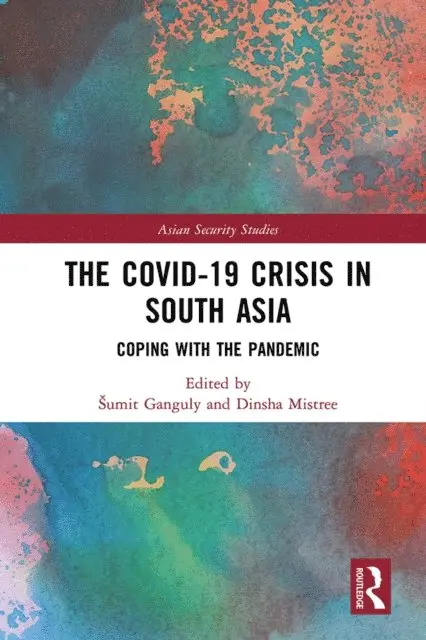
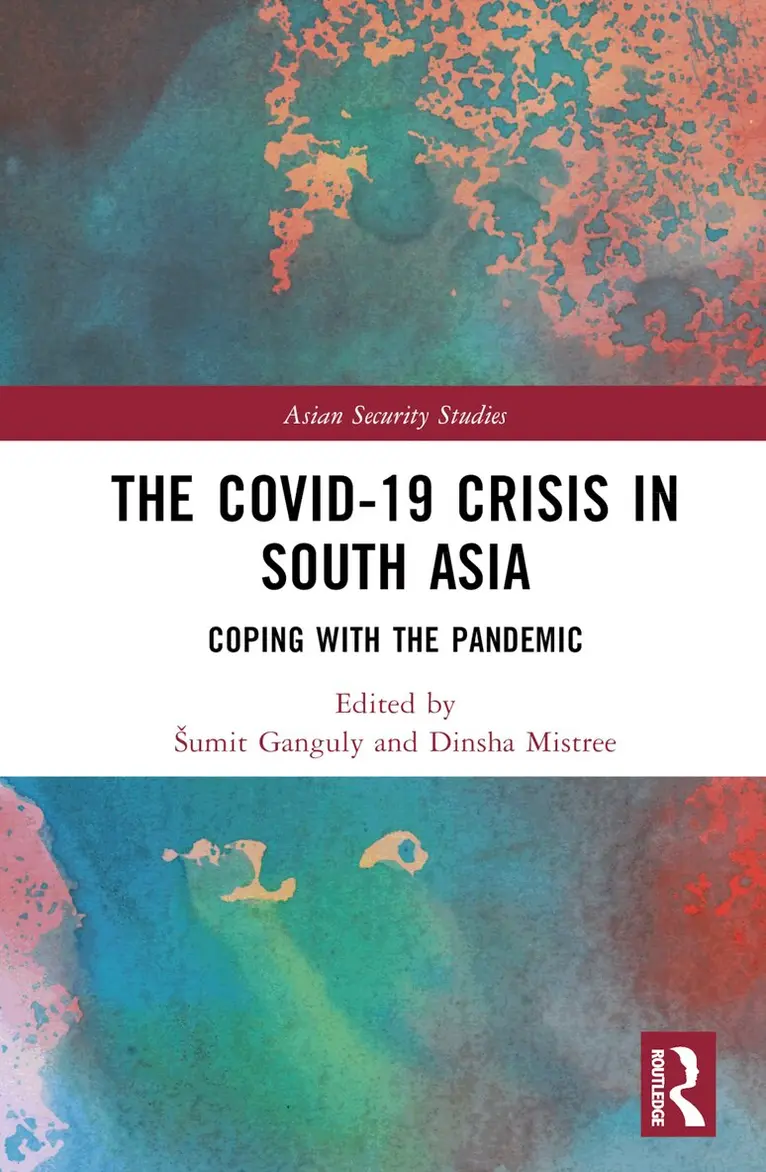
This edited book provides a range of perspectives on the handling of particular aspects of the Covid-19 pandemic across the principal states of South Asia. As the first academic volume to deal with the COVID-19 pandemic in South Asia, it examines such issues as how India has dealt with the fallout of the pandemic on its substantial diaspora in the Middle East; the competitive Sino-Indian vaccine diplomacy strategies in Bangladesh; Nepal’s attempts to cope with the pandemic in light of its limited health infrastructure; Sri Lanka’s differential treatment of its population based upon ethnic preferences; and how Pakistan’s civil-military relations shaped its handling of the pandemic. The Introduction and the first section summarize the responses to the pandemic made by each principal state in the region. These chapters assess the process of decision-making within each state, with special attention placed on identifying and analzying the actors involved. The Covid-19 pandemic is also reshaping international relations of the subcontinent and the pandemic has laid bare several new cross-border challenges and opportunities that states will have to contend with in the future. The book also considers five of the most pressing issue areas. First, it considers how diaspora communities in the Gulf were affected by the pandemic, and what lessons South Asian sending states can take from protecting their citizens in the future. Second, the Covid-19 pandemic will affect how countries engage in status politics, shaping which countries will be able to lead in regional relations. Third, the Covid-19 pandemic is likely to affect prospects for regional cooperation, both for dealing with the current pandemic as well as future crises. Fourth, it will shape how South Asian states engage in global governance. Fifth, South Asian states may revisit their relations with China in light of the pandemic. This book will be of much interest to students of South Asian politics, human security and international relations.
580 kr
Skickas inom 10-15 vardagar
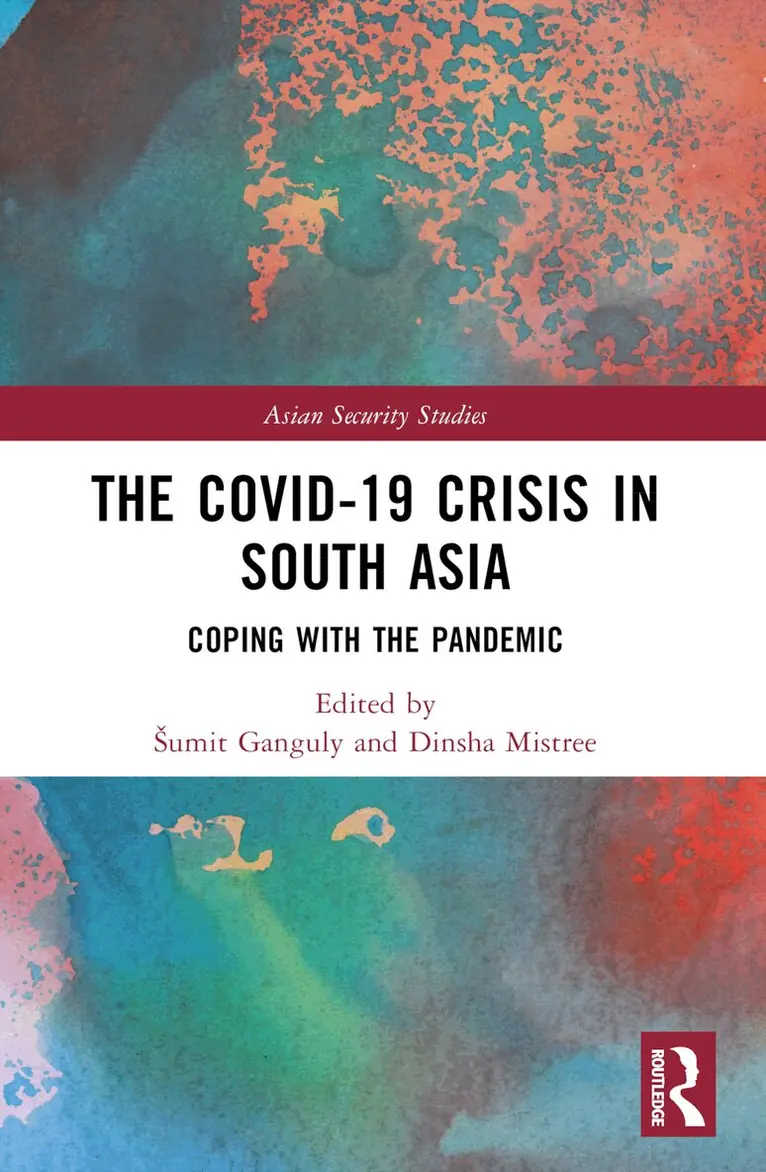
This edited book provides a range of perspectives on the handling of particular aspects of the Covid-19 pandemic across the principal states of South Asia. As the first academic volume to deal with the COVID-19 pandemic in South Asia, it examines such issues as how India has dealt with the fallout of the pandemic on its substantial diaspora in the Middle East; the competitive Sino-Indian vaccine diplomacy strategies in Bangladesh; Nepal’s attempts to cope with the pandemic in light of its limited health infrastructure; Sri Lanka’s differential treatment of its population based upon ethnic preferences; and how Pakistan’s civil-military relations shaped its handling of the pandemic. The Introduction and the first section summarize the responses to the pandemic made by each principal state in the region. These chapters assess the process of decision-making within each state, with special attention placed on identifying and analzying the actors involved. The Covid-19 pandemic is also reshaping international relations of the subcontinent and the pandemic has laid bare several new cross-border challenges and opportunities that states will have to contend with in the future. The book also considers five of the most pressing issue areas. First, it considers how diaspora communities in the Gulf were affected by the pandemic, and what lessons South Asian sending states can take from protecting their citizens in the future. Second, the Covid-19 pandemic will affect how countries engage in status politics, shaping which countries will be able to lead in regional relations. Third, the Covid-19 pandemic is likely to affect prospects for regional cooperation, both for dealing with the current pandemic as well as future crises. Fourth, it will shape how South Asian states engage in global governance. Fifth, South Asian states may revisit their relations with China in light of the pandemic. This book will be of much interest to students of South Asian politics, human security and international relations.
1 073 kr
Skickas inom 10-15 vardagar
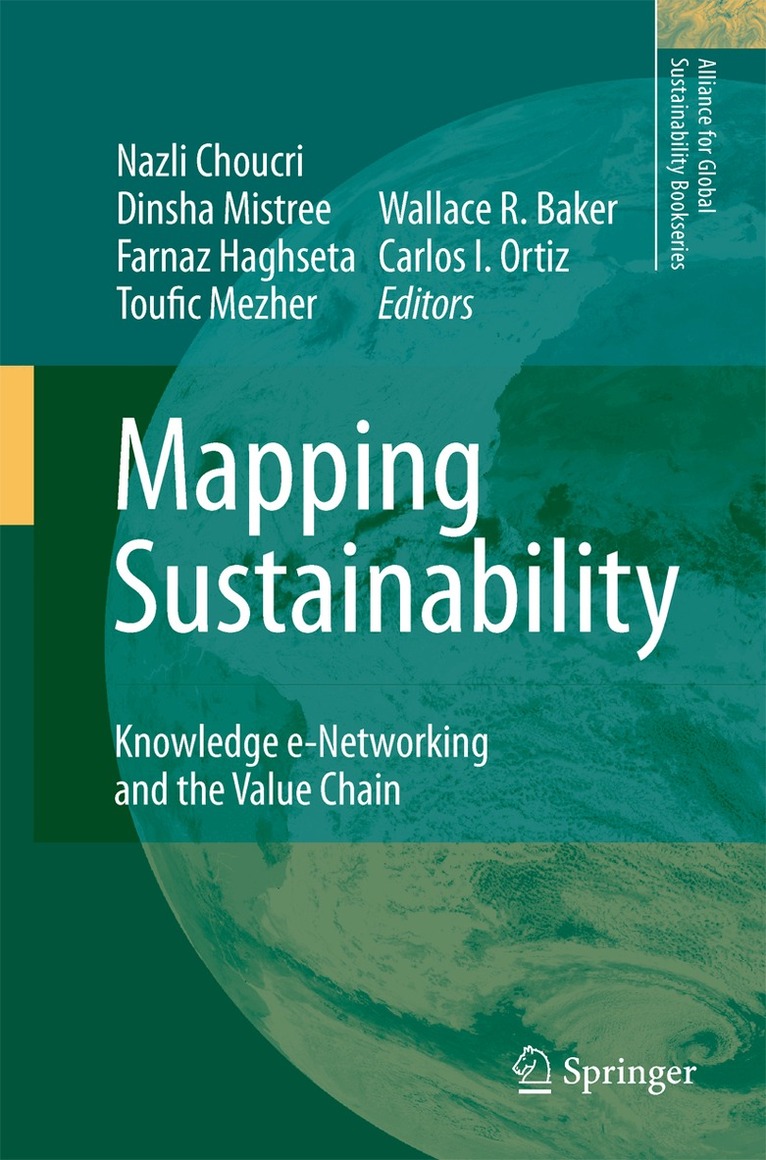
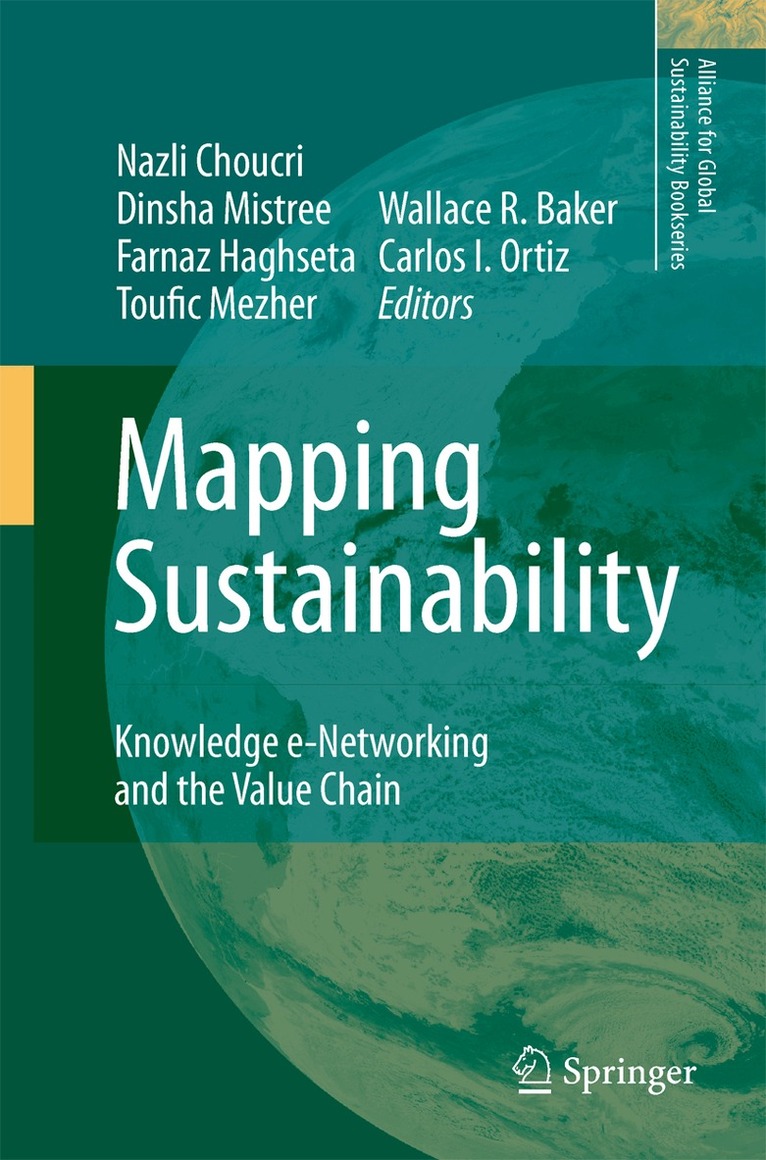
Challenges and Focus This book focuses on three interdependent research initiatives designed to facilitate the management of transitions toward sustainable development. These initiatives consist of: (a) mapping sustainability as a domain of kn- ledge; (b) contributing to the development of global knowledge e-networking and extending the knowledge value chain; and (c) exploring new methods to expand our knowledge and to improve e-networking practices. While the activities differ in nature, scale and scope, they are highly interconnected. It is our hope that, jointly, they will contribute to our common quest for a su- ainable future. Our underlying objectives are to contribute to the provision, mana- ment, and sharing of knowledge, and to enhance the value of knowledge and its uses by different constituencies in diverse contexts and at different stages of development. The central theme of this book, connecting its different parts, is about ways of transcending critical barriers to the effective uses of knowledge and e-networking. Of special relevance is the development of new approaches to the provision and transmission – from local sources to global networks and from global sources to local networks. In many ways, this is a book of theory and methods, as well as policy and performance.
855 kr
Skickas inom 7-10 vardagar
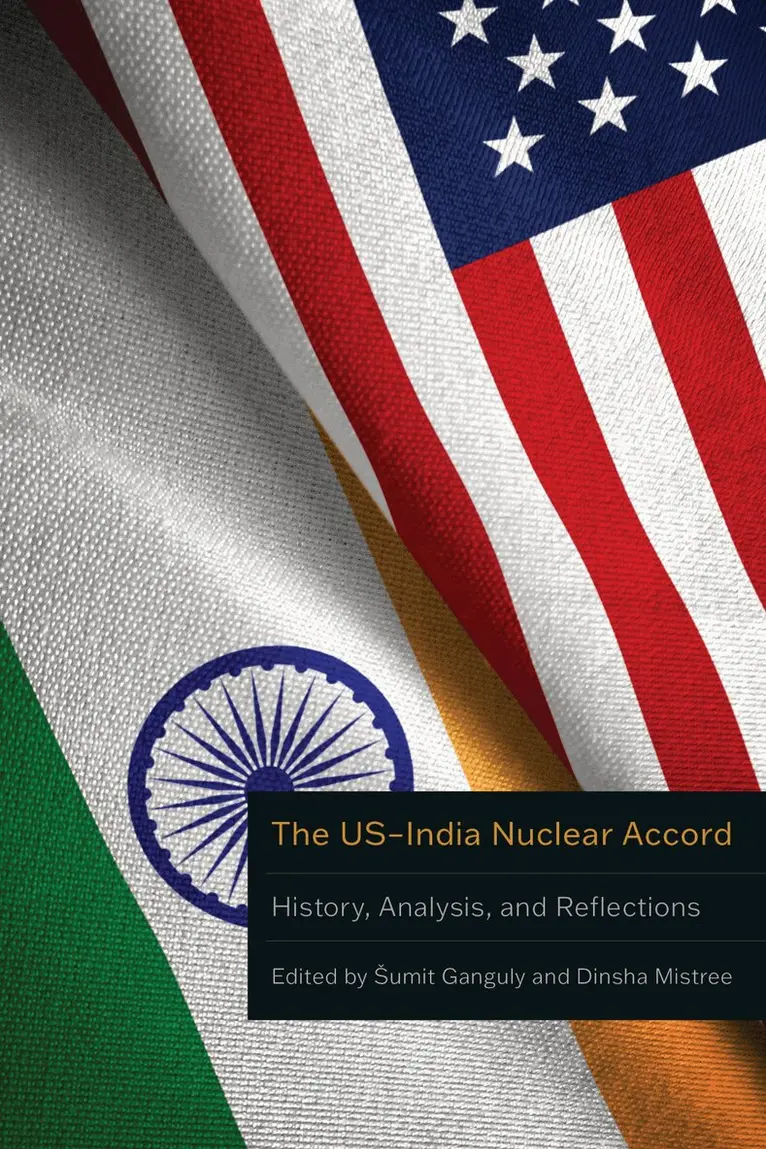
The United States–India Civil Nuclear Agreement of 2008 marked a pivotal turning point in the relations between the two global powers, a partnership that has come to be recognized as one of the most consequential bilateral relationships of the 21st century. The groundbreaking agreement formally recognized India's right to retain its nuclear weapons option while placing its civilian nuclear infrastructure under the full-scope safeguards of the International Atomic Energy Agency (IAEA). The accord helped reset the US–India relationship and provided a base of trust from which future leaders could work together. However, as important as the agreement was, it was not a fait accompli. There were dozens of moments when it could have fallen apart. Bringing together reflections from key decision-makers, this is the first comprehensive account of the motivations and processes that led up to the path-breaking accord. This volume includes original essays from prominent scholars and analysts on various aspects of the agreement—outlining how it has (or has not) lived up to its initial promises—as well as the future of US–India cooperation. Readers are given a simultaneously intimate and wide-ranging view of what is considered a genuine masterclass in diplomatic relations.
1 073 kr
Skickas inom 10-15 vardagar
Challenges and Focus This book focuses on three interdependent research initiatives designed to facilitate the management of transitions toward sustainable development. These initiatives consist of: (a) mapping sustainability as a domain of kn- ledge; (b) contributing to the development of global knowledge e-networking and extending the knowledge value chain; and (c) exploring new methods to expand our knowledge and to improve e-networking practices. While the activities differ in nature, scale and scope, they are highly interconnected. It is our hope that, jointly, they will contribute to our common quest for a su- ainable future. Our underlying objectives are to contribute to the provision, mana- ment, and sharing of knowledge, and to enhance the value of knowledge and its uses by different constituencies in diverse contexts and at different stages of development. The central theme of this book, connecting its different parts, is about ways of transcending critical barriers to the effective uses of knowledge and e-networking. Of special relevance is the development of new approaches to the provision and transmission – from local sources to global networks and from global sources to local networks. In many ways, this is a book of theory and methods, as well as policy and performance.