Dionysios Stathakopoulos - Böcker
Visar alla böcker från författaren Dionysios Stathakopoulos. Handla med fri frakt och snabb leverans.
9 produkter
9 produkter
1 520 kr
Skickas inom 10-15 vardagar
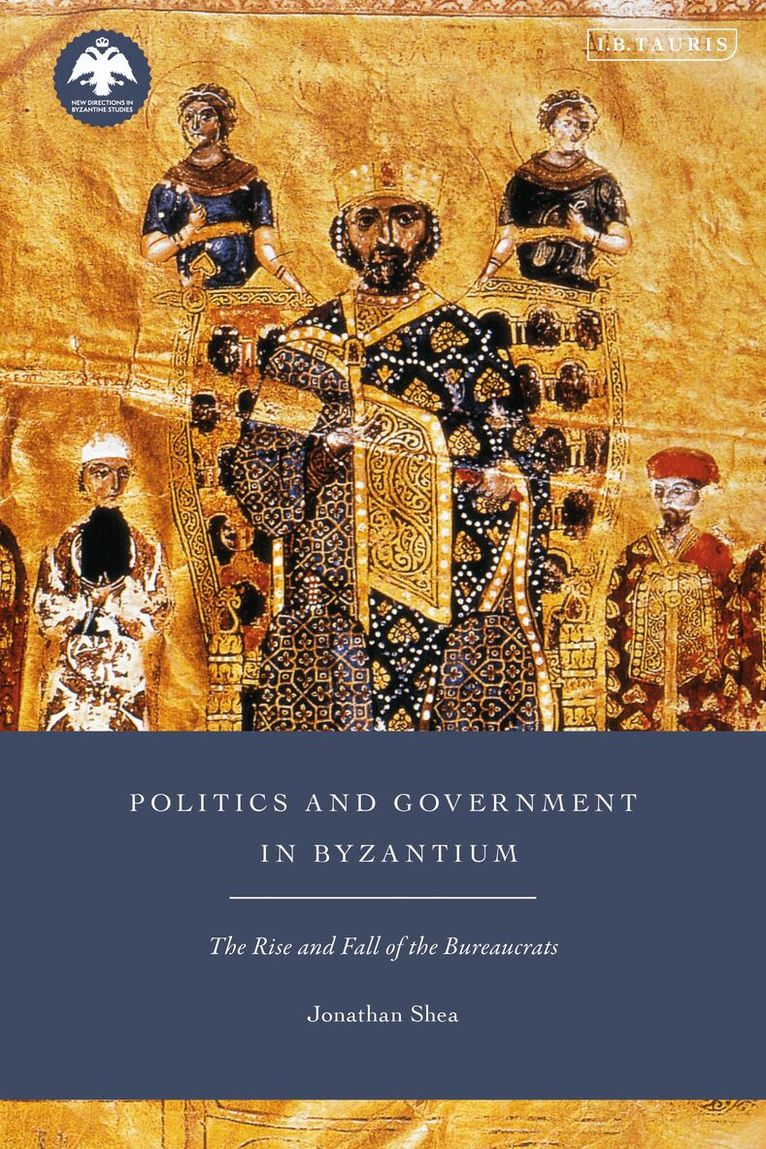
The eleventh century marked a turning point in the history of the Byzantine Empire. At its start Byzantium was the paramount power in the Mediterranean world, by turns feared, respected and admired. By the century’s close the empire had lost half of its territory and had managed only a partial recovery under the leadership of the Komnenos family. How did a powerful and famously wealthy empire collapse so quickly? The contemporary accounts of this turbulent ‘long’ century (taken here as c. 950–1100) attribute the empire’s decline to the emperors’ reckless and self-serving favouring of civilian bureaucrats and, while these sources are today widely acknowledged as biased and unreliable, modern assessments of the century have hitherto failed to suggest any tangible alternatives. To circumvent this dearth of archival material, Jonathan Shea has meticulously analysed 2,200 unpublished seals from the period (more than a third of the known total extant today) to uncover exactly whom the emperors were favouring and promoting, as well as developing a nuanced and revealing picture of the makeup of the much-chastised civilian bureaucracy. The sigillographic evidence is throughout measured against the written material to give a fresh account of this key transitional century and a rare insight into Byzantine politics.
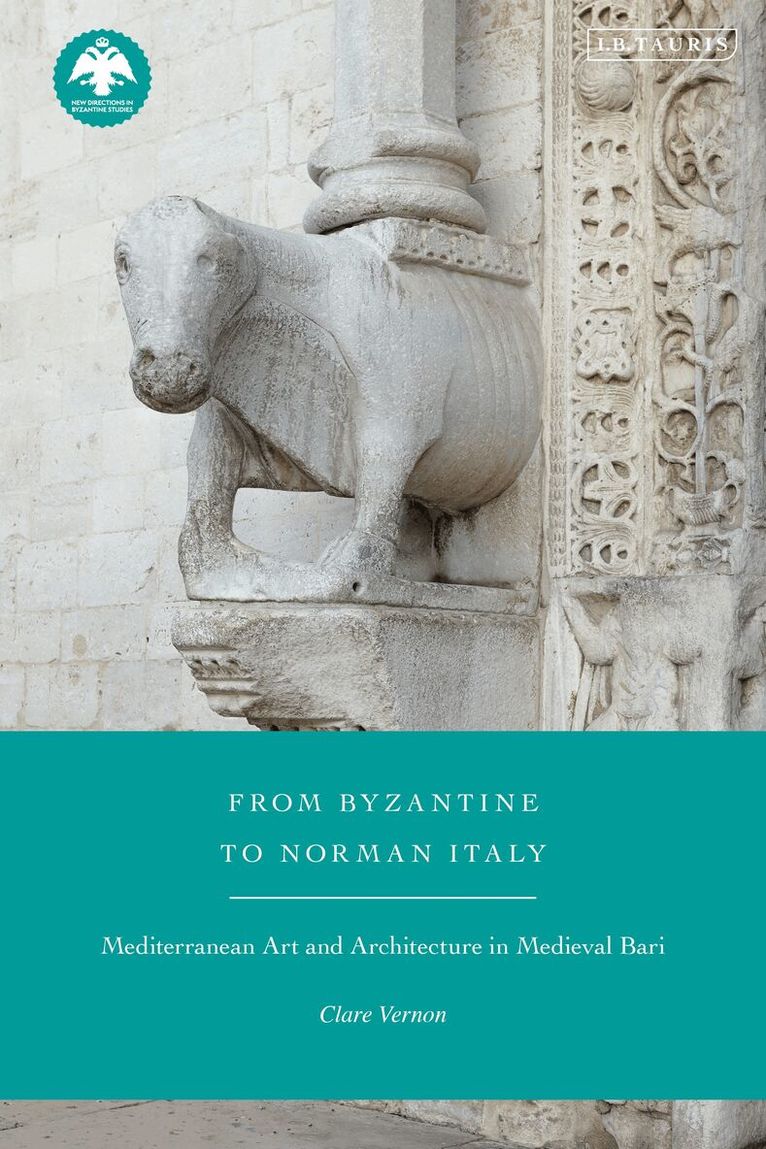
From Byzantine to Norman Italy
Mediterranean Art and Architecture in Medieval Bari
Häftad, Engelska, 2024
420 kr
Skickas inom 10-15 vardagar
This is the first major study to comprehensively analyze the art and architecture of the archdiocese of Bari and Canosa during the Byzantine period and the upheaval of the Norman conquest. The book places Bari and Canosa in a Mediterranean context, arguing that international connections with the eastern Mediterranean were a continuous thread that shaped art and architecture throughout the Byzantine and Norman eras. Clare Vernon has examined a wide variety of media, including architecture, sculpture, metalwork, manuscripts, epigraphy and luxury portable objects, as well as patronage, to illustrate how cross-cultural encounters, the first crusade, slavery and continuities and disruptions in the relationship with Constantinople, shaped the visual culture of the archdiocese. From Byzantine to Norman Italy will appeal to students and scholars of Byzantine art, the medieval Mediterranean and the Italo-Norman world.
324 kr
Skickas inom 10-15 vardagar
The eleventh century marked a turning point in the history of the Byzantine Empire. At its start Byzantium was the paramount power in the Mediterranean world, by turns feared, respected and admired. By the century’s close the empire had lost half of its territory and had managed only a partial recovery under the leadership of the Komnenos family. How did a powerful and famously wealthy empire collapse so quickly? The contemporary accounts of this turbulent ‘long’ century (taken here as c. 950–1100) attribute the empire’s decline to the emperors’ reckless and self-serving favouring of civilian bureaucrats and, while these sources are today widely acknowledged as biased and unreliable, modern assessments of the century have hitherto failed to suggest any tangible alternatives. To circumvent this dearth of archival material, Jonathan Shea has meticulously analysed 2,200 unpublished seals from the period (more than a third of the known total extant today) to uncover exactly whom the emperors were favouring and promoting, as well as developing a nuanced and revealing picture of the makeup of the much-chastised civilian bureaucracy. The sigillographic evidence is throughout measured against the written material to give a fresh account of this key transitional century and a rare insight into Byzantine politics.
Theodore Metochites
Patterns of Self-Representation in Fourteenth-Century Byzantium
Häftad, Engelska, 2025
453 kr
Skickas inom 10-15 vardagar
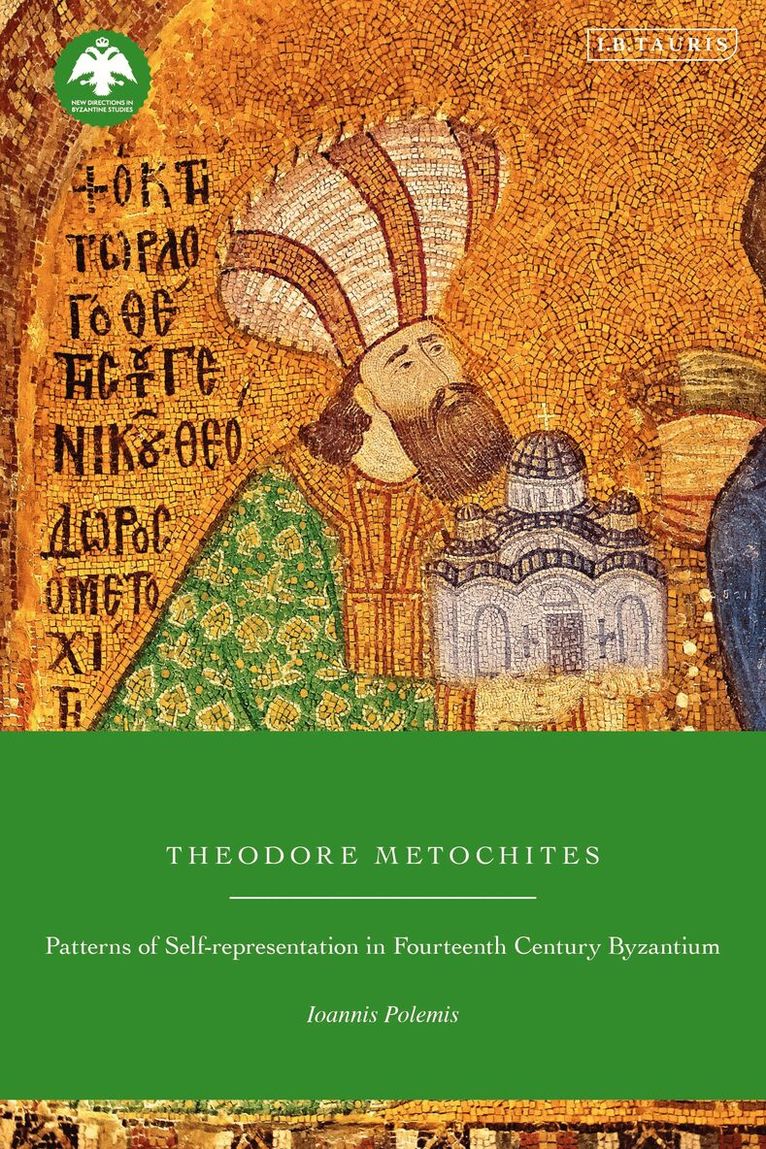
The statesman and scholar Theodore Metochites was one of the most important personalities of the fourteenth-century Byzantine Empire. A close advisor to the emperor Andronikos II and restorer of the famous monastery of Chora in Constantinople, Metochites left various writings including orations, poems, essays and commentaries on classical and religious texts, in which he discusses the numerous problems that troubled him and his contemporaries, such as the decline of the state and the tension between public life and that of the philosopher.In this book, Ioannis Polemis provides the first in-depth study of Metochites’ oeuvre, revealing the complex way he represented the authorial self to critique the politics and mores of his day, whilst at the same time shielding himself from potential criticism. Polemis details the way Metochites deftly manipulated figures and tropes from classical antiquity and early Christianity to justify his role in public life, which was traditionally shunned by scholars in the pursuit of ‘logos’. The book provides unique insights into one of the late Empire’s most important figures, as well as more widely deepening our understanding of classical reception in Byzantium and the social, political and intellectual climate of Constantinople in the fourteenth century.
Theodore Metochites
Patterns of Self-Representation in Fourteenth-Century Byzantium
Inbunden, Engelska, 2023
1 391 kr
Skickas inom 10-15 vardagar
The statesman and scholar Theodore Metochites was one of the most important personalities of the fourteenth-century Byzantine Empire. A close advisor to the emperor Andronikos II and restorer of the famous monastery of Chora in Constantinople, Metochites left various writings including orations, poems, essays and commentaries on classical and religious texts, in which he discusses the numerous problems that troubled him and his contemporaries, such as the decline of the state and the tension between public life and that of the philosopher.In this book, Ioannis Polemis provides the first in-depth study of Metochites’ oeuvre, revealing the complex way he represented the authorial self to critique the politics and mores of his day, whilst at the same time shielding himself from potential criticism. Polemis details the way Metochites deftly manipulated figures and tropes from classical antiquity and early Christianity to justify his role in public life, which was traditionally shunned by scholars in the pursuit of ‘logos’. The book provides unique insights into one of the late Empire’s most important figures, as well as more widely deepening our understanding of classical reception in Byzantium and the social, political and intellectual climate of Constantinople in the fourteenth century.
Drugs in the Medieval Mediterranean
Transmission and Circulation of Pharmacological Knowledge
Inbunden, Engelska, 2023
1 363 kr
Skickas inom 7-10 vardagar
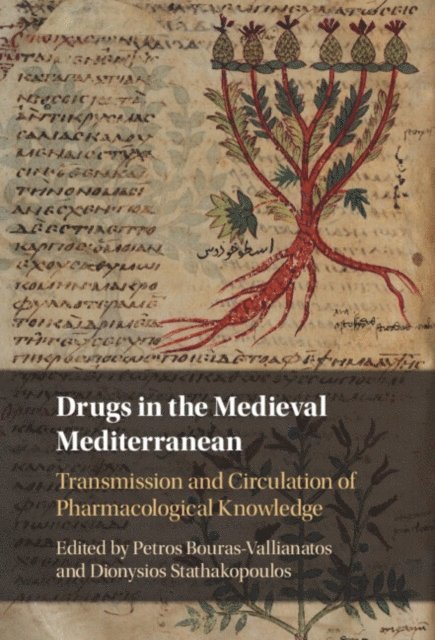
In this volume a distinguished international team of scholars examines the history of drugs within all the major medical traditions of the medieval Mediterranean, namely Byzantine, Islamicate, Jewish, and Latin, and in so doing analyses a considerable number of previously unedited or barely explored texts. A Mediterranean-wide perspective permits a deeper understanding of broader phenomena such as the transfer of scientific knowledge and cultural exchange, by looking beyond single linguistic traditions or political boundaries. It also highlights the diversity and vitality of the medieval Mediterranean pharmacological tradition, which, through its close links with cookery, alchemy, magic, religion and philosophy, had to be able to adapt to multiple contexts, not least to changing social and political realities, as in the case of drugs as diplomatic gifts.
640 kr
Skickas inom 10-15 vardagar
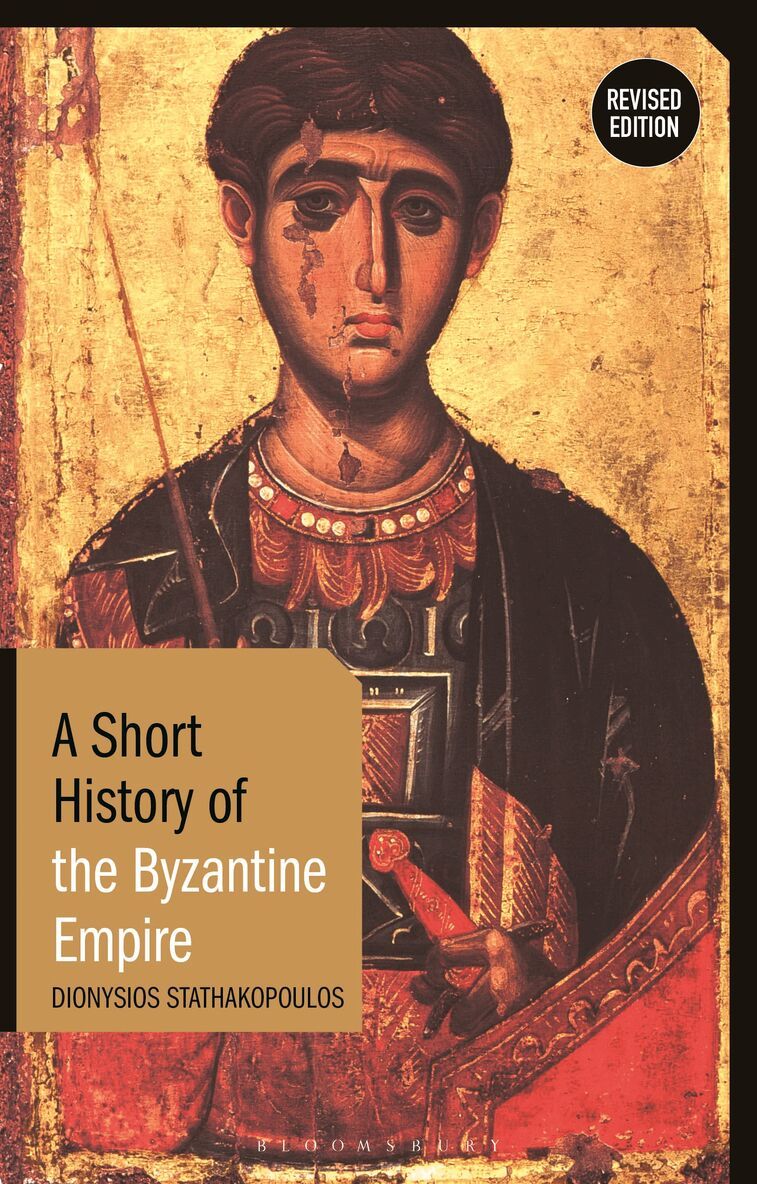
Incorporating the latest scholarly developments to offer an in-depth account of the history of the Byzantine Empire, this revised edition sheds new light on the Empire’s culture, theology, and economic and socio-political spheres.Charting from the Empire’s origins, to its expansion and influence over the Mediterranean, later revival, and eventual fall – this book covers more than 1,000 years of history. With analysis of the Empire’s changing social infrastructure, key events, and the broader cultural environment, Stathakopoulos expertly analyses how and why it became a powerhouse of literature, art, theology and learning, whilst also examining its aftermath and afterlife – and enduring significance today.Drawing on a variety of English and non-English sources, in addition to a plethora of visual and textual materials, this book is an invaluable resource for scholars, students, and general readers alike.
224 kr
Skickas inom 3-6 vardagar
Incorporating the latest scholarly developments to offer an in-depth account of the history of the Byzantine Empire, this revised edition sheds new light on the Empire’s culture, theology, and economic and socio-political spheres.Charting from the Empire’s origins, to its expansion and influence over the Mediterranean, later revival, and eventual fall – this book covers more than 1,000 years of history. With analysis of the Empire’s changing social infrastructure, key events, and the broader cultural environment, Stathakopoulos expertly analyses how and why it became a powerhouse of literature, art, theology and learning, whilst also examining its aftermath and afterlife – and enduring significance today.Drawing on a variety of English and non-English sources, in addition to a plethora of visual and textual materials, this book is an invaluable resource for scholars, students, and general readers alike.
From Byzantine to Norman Italy
Mediterranean Art and Architecture in Medieval Bari
Inbunden, Engelska, 2023
1 245 kr
Skickas inom 10-15 vardagar
This is the first major study to comprehensively analyze the art and architecture of the archdiocese of Bari and Canosa during the Byzantine period and the upheaval of the Norman conquest. The book places Bari and Canosa in a Mediterranean context, arguing that international connections with the eastern Mediterranean were a continuous thread that shaped art and architecture throughout the Byzantine and Norman eras. Clare Vernon has examined a wide variety of media, including architecture, sculpture, metalwork, manuscripts, epigraphy and luxury portable objects, as well as patronage, to illustrate how cross-cultural encounters, the first crusade, slavery and continuities and disruptions in the relationship with Constantinople, shaped the visual culture of the archdiocese. From Byzantine to Norman Italy will appeal to students and scholars of Byzantine art, the medieval Mediterranean and the Italo-Norman world.