Dipak Dasgupta – författare
Visar alla böcker från författaren Dipak Dasgupta. Handla med fri frakt och snabb leverans.
9 produkter
Capital Flows Without Crisis?
Reconciling Capital Mobility and Economic Stability
Inbunden, 2001
788 kr
Lägg i varukorg
The last decade has seen a massive increase in international capital flows to emerging markets. This development has offered opportunities to those countries that have opened themselves up to overseas capital, but it has also created risks.In this volume, a team of policymakers and academics from …
Capital Flows Without Crisis?
Reconciling Capital Mobility and Economic Stability
E-bok, 2013
489 kr
Lägg i varukorg
The last decade has seen a massive increase in international capital flows to emerging markets. This development has offered opportunities to those countries that have opened themselves up to overseas capital, but it has also created risks. In this volume, a team of policymakers and academics from …
Capital Flows Without Crisis?
Reconciling Capital Mobility and Economic Stability
E-bok, 2013
489 kr
Lägg i varukorg
The last decade has seen a massive increase in international capital flows to emerging markets. This development has offered opportunities to those countries that have opened themselves up to overseas capital, but it has also created risks. In this volume, a team of policymakers and academics from …
Capital Flows Without Crisis?
Reconciling Capital Mobility and Economic Stability
Häftad, 2014
428 kr
Lägg i varukorg
The last decade has seen a massive increase in international capital flows to emerging markets. This development has offered opportunities to those countries that have opened themselves up to overseas capital, but it has also created risks.In this volume, a team of policymakers and academics from …
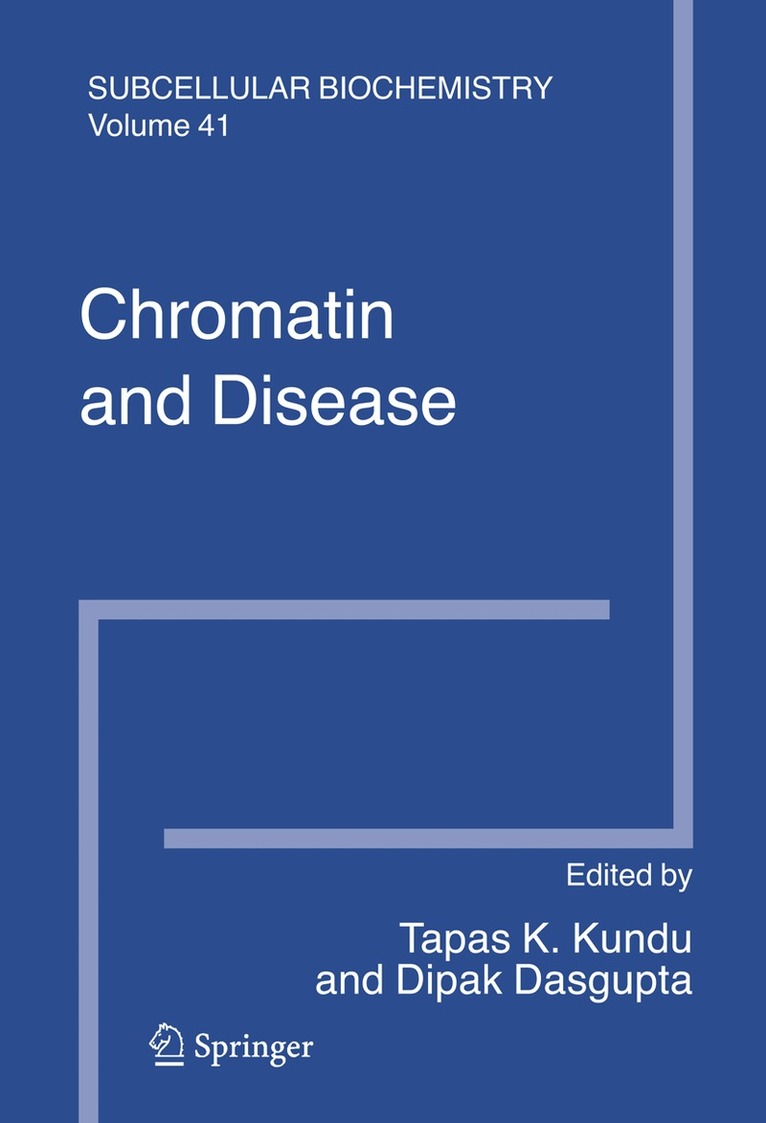
Chromatin and Disease
Av Tapas K. Kundu, Dipak Dasgupta
Inbunden, 2007
2180 kr
Lägg i varukorg
It is more evident now than ever before that dynamic organization of human genome into nucleoprotein structure, chromatin confers the unique regulatory mechanisms for most of the cellular phenomena, which include replication, transcription, DNA repair, recombination and also apoptosis. The dynamic …
Chromatin and Disease
Av Dipak Dasgupta, Tapas K. Kundu
E-bok, 2007
2917 kr
Lägg i varukorg
It is more evident now than ever before that dynamic organization of human genome into nucleoprotein structure, chromatin confers the unique regulatory mechanisms for most of the cellular phenomena, which include replication, transcription, DNA repair, recombination and also apoptosis. The dynamic …
Private Capital Flows in the Age of Globalization
The Aftermath of the Asian Crisis
Av Uri Dadush, Dipak Dasgupta m. fl.
Inbunden, 2000
2104 kr
Lägg i varukorg
In the second half of 1997 Thailand, Malaysia, Korea and Indonesia experienced a massive outflow of foreign capital - more than $100 billion. The effects of this rival the worst years of the Latin American debt crisis and the early years of the Great Depression.The Asian crisis demonstrates how …
Chromatin and Disease
Av Tapas K. Kundu, Dipak Dasgupta
Häftad, 2010
2245 kr
Lägg i varukorg
It is more evident now than ever before that dynamic organization of human genome into nucleoprotein structure, chromatin confers the unique regulatory mechanisms for most of the cellular phenomena, which include replication, transcription, DNA repair, recombination and also apoptosis. The dynamic …
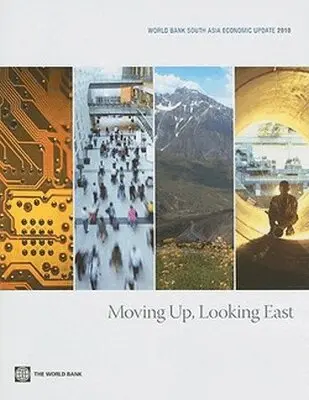
World Bank South Asia Economic Update 2010
Moving Up, Looking East
Häftad, 2010
411 kr
Tillfälligt slut
The World Bank South Asia Economic Update 2010: Moving Up, Looking East is the World Bank's comprehensive annual report on the region's economies. In this first edition, the Bank finds that South Asia's strong rebound since March 2009 is comparable to that in East Asia. Government policy, external …