D.L. Gilbert – Författare
Visar alla böcker från författaren D.L. Gilbert. Handla med fri frakt och snabb leverans.
3 produkter
3 produkter
2 117 kr
Skickas inom 10-15 vardagar
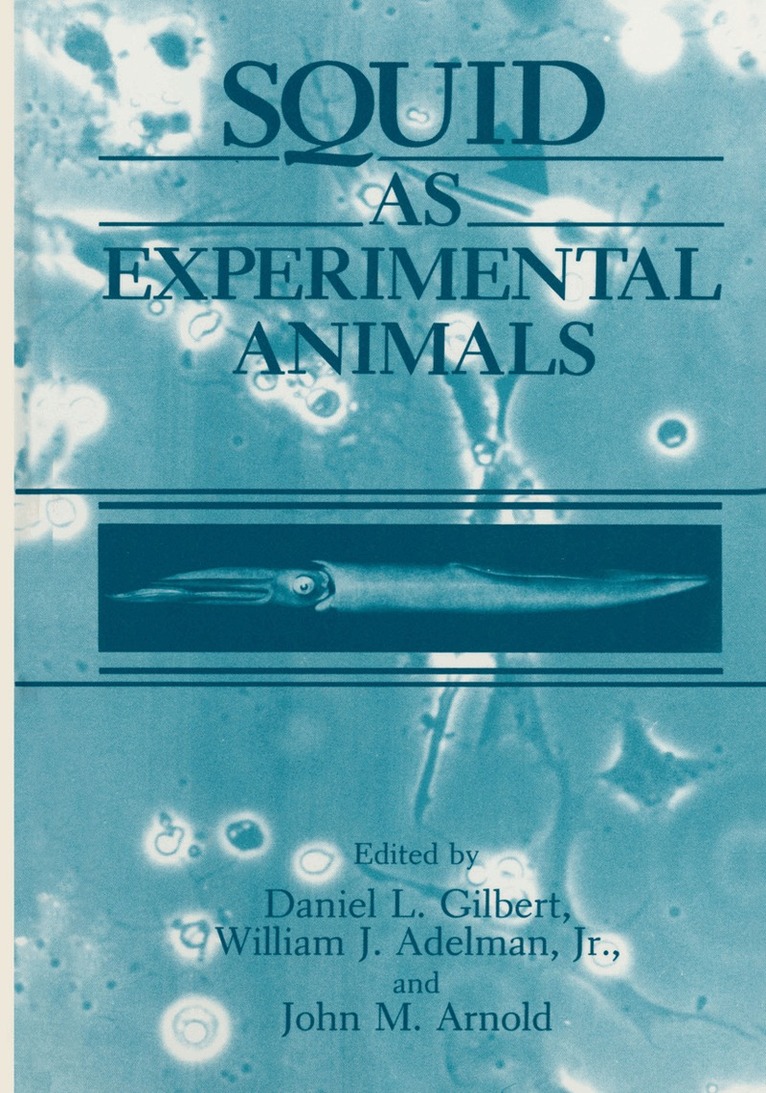
The predecessor to this book was A Guide to the Laboratory Use of the Squid Loligo pealei published by the Marine Biological Laboratory, Woods Hole, Massachusetts in 1974. The revision of this long out of date guide, with the approval of the Marine Biological Laboratory, is an attempt to introduce students and researchers to the cephalopods and particularly the squid as an object of biological research. Therefore, we have decided to expand on its original theme, which was to present important practical aspects for using the squid as experimental animals. There are twenty two chapters instead of the original eight. The material in the original eight chapters has been completely revised. Since more than one method can be used for accomplishing a given task, some duplication of methods was considered desirable in the various chapters. Thus, the methodology can be chosen which is best suited for each reader's requirements. Each subject also contains a mini-review which can serve as an introduction to the various topics. Thus, the volume is not just a laboratory manual, but can also be used as an introduction to squid biology. The book is intended for laboratory technicians, advanced undergraduate students, graduate students, researchers, and all others who want to learn the purpose, methods, and techniques of using squid as experimental animals. This is the reason why the name has been changed to its present title. Preceding the chapters is a list of many of the abbreviations, prefixes, and suffixes used in this volume.
1 637 kr
Skickas inom 10-15 vardagar
The field of oxygen study is immense. No single work on the subject can be comprehensive, and this volume makes no such claim. Indeed, coverage here is selective and the selection is somewhat personal. However, the choice of topics is vast There are chapters on the history of oxygen, oxygen in the universe, the biochemistry of oxygen, and clinical uses of oxygen. An alternate title could have been, "Some things you always wanted to know about oxygen, but didn't know where to find them easily." Some information in this wide-ranging work can not be found elsewhere. This book is intended not only for specialists, but also for nonspecialists engaged in or curious about any field of oxygen study, particularly if they wish to know more about other fields of oxygen. Thus, those who are interested in oxygen and are historians, astronomers, chemists, geochemists, evolutionists, biochemists, physiolo gists, pathologists, or clinicians will find here much of extreme value. It is intended to be read and understood at the graduate or advanced undergraduate level. This volume is divided into four parts. The first constitutes the background for Parts II and III, and the last integrates the preceding material with an overall perspective on oxygen in living organisms.
2 117 kr
Skickas inom 10-15 vardagar
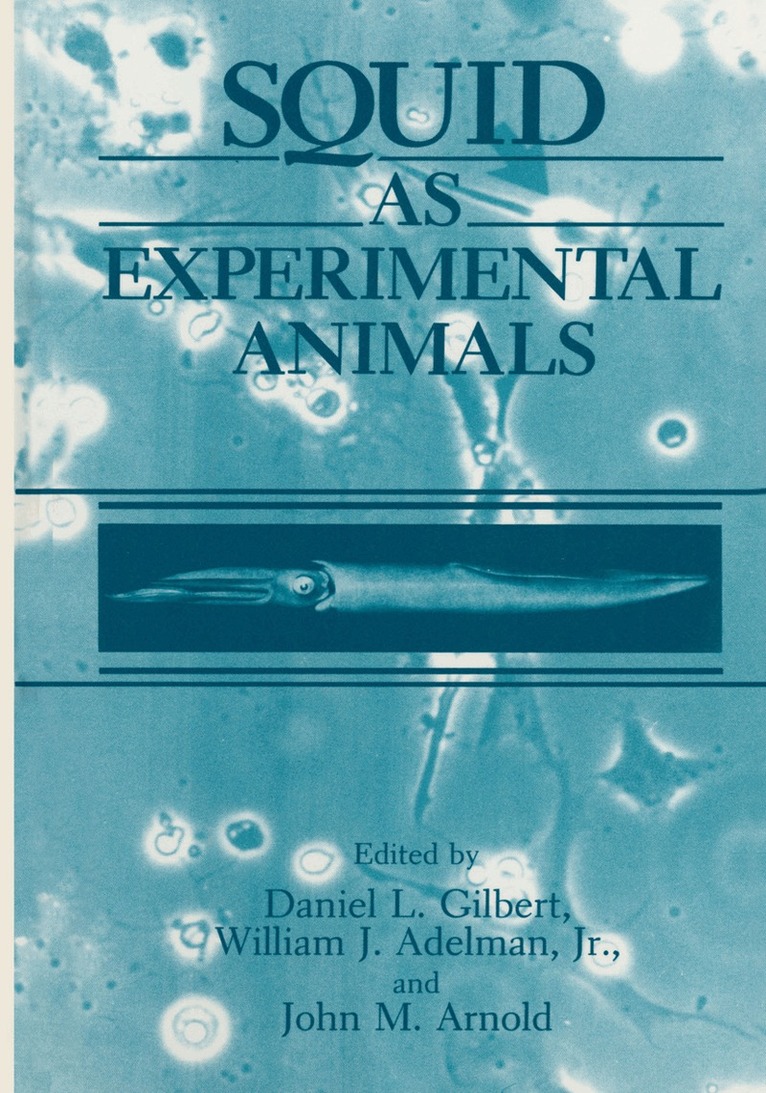
The predecessor to this book was A Guide to the Laboratory Use of the Squid Loligo pealei published by the Marine Biological Laboratory, Woods Hole, Massachusetts in 1974. The revision of this long out of date guide, with the approval of the Marine Biological Laboratory, is an attempt to introduce students and researchers to the cephalopods and particularly the squid as an object of biological research. Therefore, we have decided to expand on its original theme, which was to present important practical aspects for using the squid as experimental animals. There are twenty two chapters instead of the original eight. The material in the original eight chapters has been completely revised. Since more than one method can be used for accomplishing a given task, some duplication of methods was considered desirable in the various chapters. Thus, the methodology can be chosen which is best suited for each reader's requirements. Each subject also contains a mini-review which can serve as an introduction to the various topics. Thus, the volume is not just a laboratory manual, but can also be used as an introduction to squid biology. The book is intended for laboratory technicians, advanced undergraduate students, graduate students, researchers, and all others who want to learn the purpose, methods, and techniques of using squid as experimental animals. This is the reason why the name has been changed to its present title. Preceding the chapters is a list of many of the abbreviations, prefixes, and suffixes used in this volume.