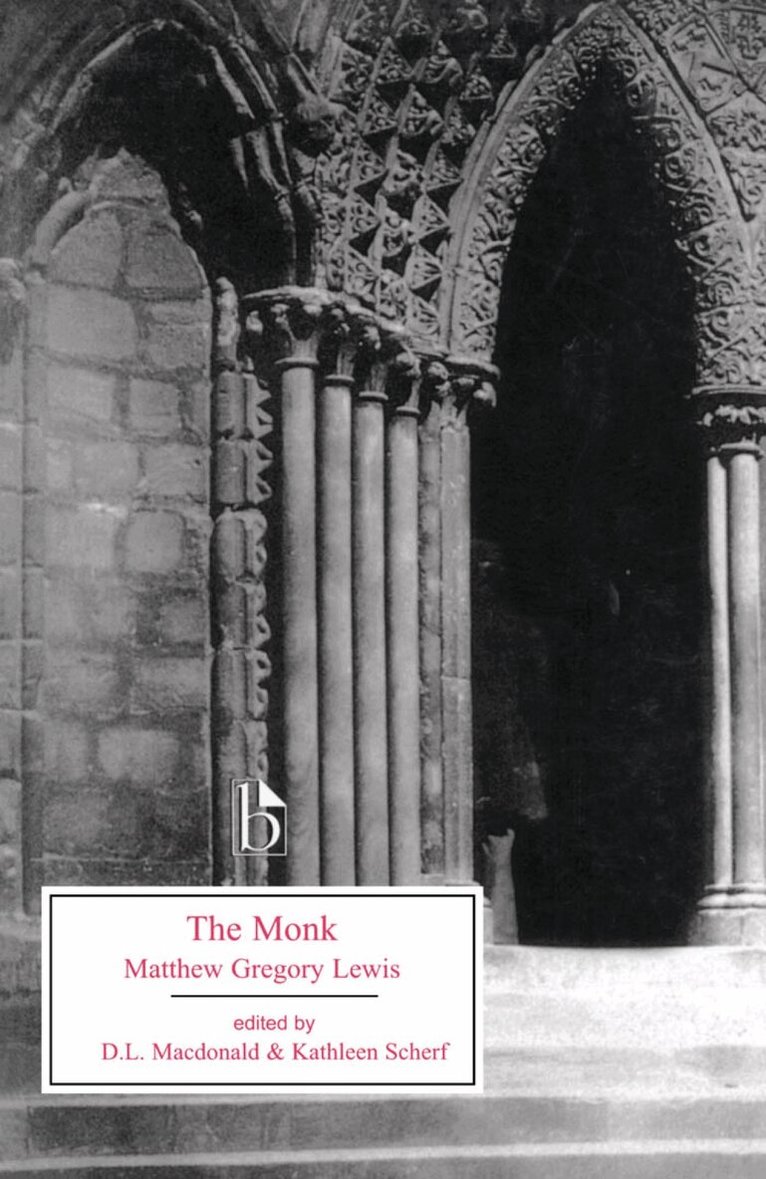
D.L. Macdonald – författare
Visar alla böcker från författaren . Handla med fri frakt och snabb leverans.
5 produkter
5 produkter
Häftad, Engelska, 1994
354 kr
Skickas inom 5-8 vardagar
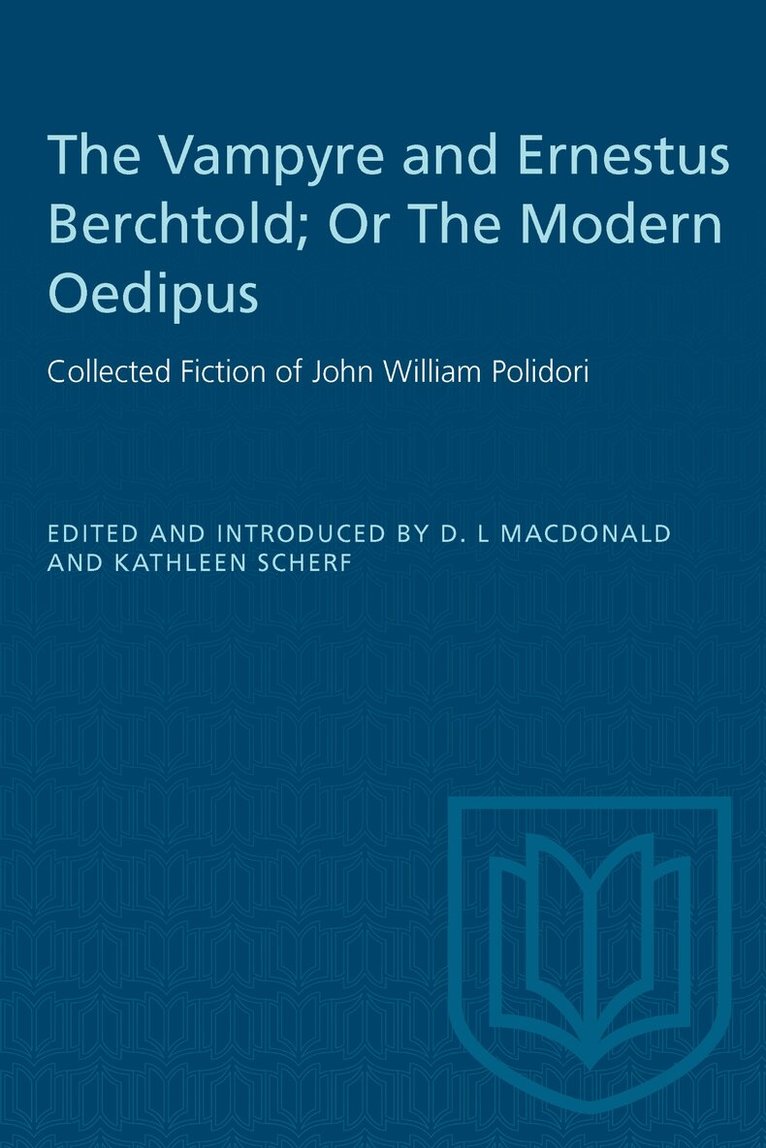
In 1816, John William Polidori travelled to Geneva as Byron’s personal physician; there he met Mary and Percy Shelley and took part in the most famous house party in literary history. To pass the time in ‘a wet, ungenial summer,’ the travellers took to writing ghost stories. Byron wrote his Faustian drama Manfred (1817); Mary Shelley wrote her masterpiece, Frankenstein; or The Modern Prometheus (1818). Polidori appropriated an unfished story by Byron and turned it into the The Vampyre (1819). Polidori’s tale, with its nightmarish atmosphere and seductive, aristocratic villain, was a scandalous success; the fact that it was originally published, without Polidori’s knowledge, under Byron’s name, didn’t hurt. All the most famous vampires of popular culture, from Stoker’s Dracular to Anne Rice’s Lestat, descend from Polidori’s Byronic prototype.Polidori also contributed an original novel to the ghost-story project: Ernestus Berchtold, or, The Modern Oedipus (1819). Polidori’s novel explores the incest theme common to such Romantic works as Manfred, Percy Shelley’s Alastor, and M.G. Lewis’s The Monk, and combines this Gothic material with a historical account of Napoleon’s 1798 invasion of Switzerland, one of the key moments in the political evolution of Romanticism. This edition includes the extensive revisions Polidori made for a projected second edition of The Vampyre, Ernestus Berchtold is reprinted for the first time in the 174 years since its initial publication. The critical introductions and explanatory annotations place the two works in their biographical, historical, and literary contexts. Appendices include a new edition of the fragment by Byron on which The Vampyre was based, and a fragmentary tale by Polidori, never before published, which shows him exploring new literary direction after being fired by Byron and returning to England in disgrace.
E-bok
PDF, Engelska, 20001 193 kr
Läs direkt efter köp
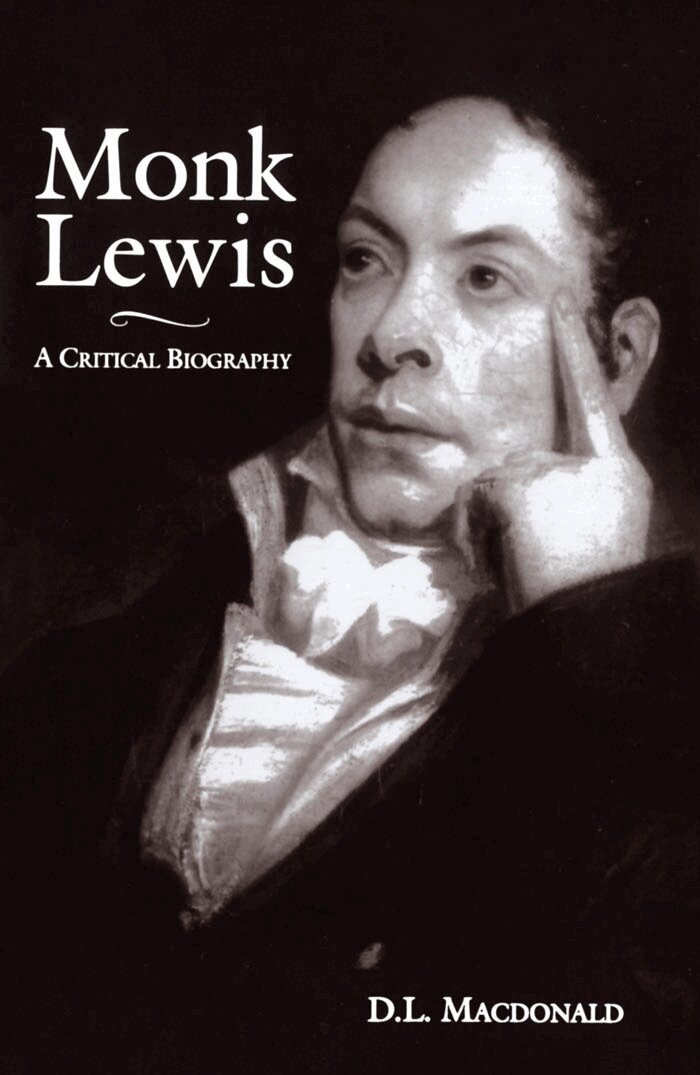
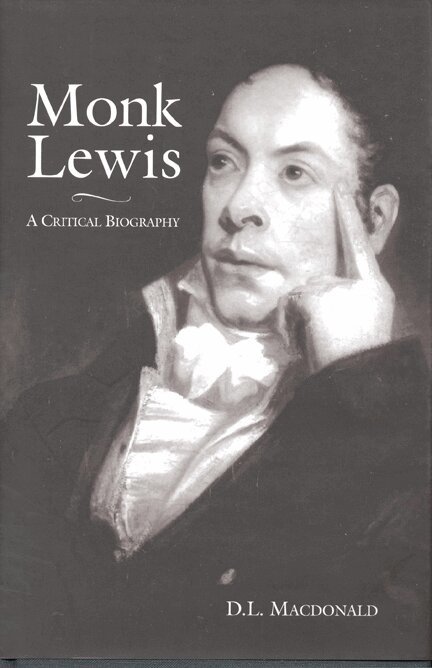
Matthew Gregory Lewis (1775-1818), the English novelist, playwright, poet, and composer, is best known for his Gothic novel "The Monk" (1796). His literary endeavours included translations and adaptions of works by Goethe, Kleist, and Schiller. Lewis is said to have inspired and influenced such diverse writers as Artaud, Coleridge, Dickens, Flaubert, and Scott.D.L. Macdonald presents a modern critical biography of Lewis, who until now has been neglected as a cultural figure. This is the first study to consider all of Lewis's works and their connections to his personal life. In particular, Macdonald considers the significance of Lewis's position as a liberal slave-owner in the age of abolition and as a (probable) homosexual in an age of virulent homophobia. He begins by focusing on Lewis's personal life and his constant preoccupations stemming from the failure of his parents' marriage, from his relationships with his mother and his father, and from his sexuality. Macdonald then proceeds to a discussion of Lewis's public life as part of the literary and political history of the period.The biography is based on extensive archival research in England, Scotland, Jamaica, and North America, drawing on recently discovered manuscript and printed material as well as contemporary views.
E-bok
PDF, Engelska, 19911 147 kr
Läs direkt efter köp
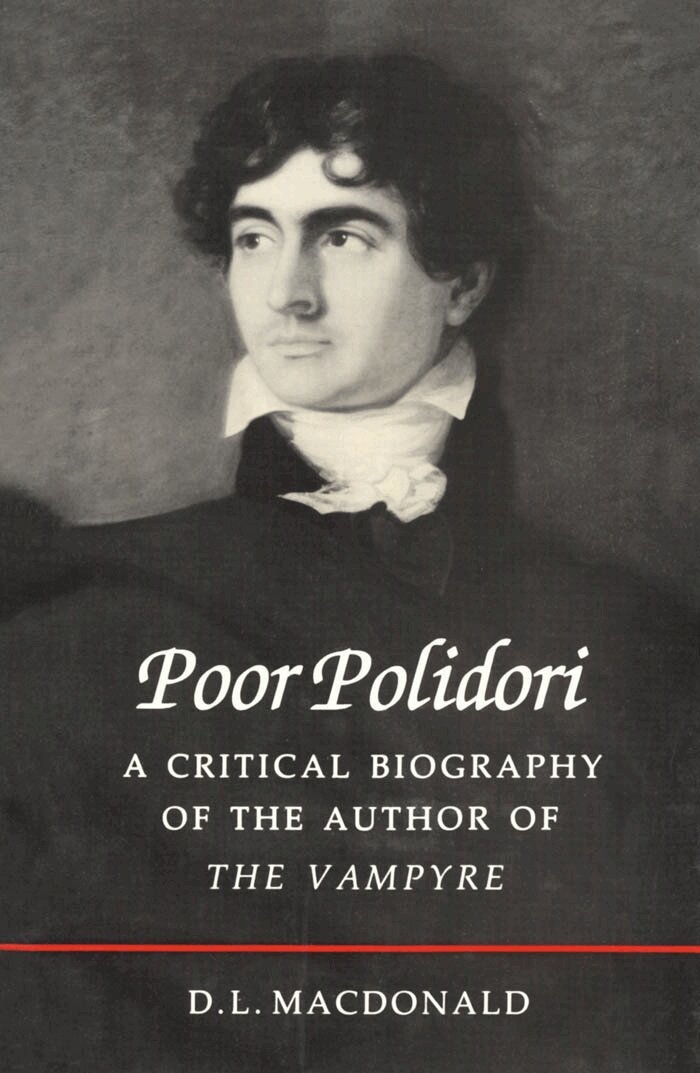
In 1816, John William Polidori travelled to Geneva as Byron's doctor. There he took part in the famous ghost-story project that inspired Frankenstein. As the medical member of the party, he contributed some scientific information to Mary shelley's novel. As a writer, he was the most industrious of the party, producing both a novel of his own, Ernestus Berchtold, and The Vampyre, a tale based on an idea of Byron's. An unscrupulous publisher issued Polidori's tale under Byron's name, thereby ensuring great success for the book, although not for its true author. (Byron fired Polidori as his doctor soon after.) History has not paid Polidori much attention. Although he has figured prominetly in a few novels and films, there has never been a full-length study of his life until now.D.L. Macdonald rectifies the situation with this biography. He explains how Polidori's vampire was created as a caricature of the doctor's employer - the aristocrat, the traveller, the seducer. This version differed entirely from the vampire of folklore. It became extraordinarily influential, and remains essentially the vampire of popular culture today.Polidori's life, through short and unsuccessful, provides an opportunity for a new look at the Romantic period. His very lack of success forced him to engage himself succesfully in medicine, literature, law, politics, philosophy, and religion. In following his course we encounter not only a fascinating character but also a wide cross-section of cultural history.
E-bok
PDF, Engelska, 1994455 kr
Läs direkt efter köp
In 1816, John William Polidori travelled to Geneva as Byron’s personal physician; there he met Mary and Percy Shelley and took part in the most famous house party in literary history. To pass the time in ‘a wet, ungenial summer,’ the travellers took to writing ghost stories. Byron wrote his Faustian drama Manfred (1817); Mary Shelley wrote her masterpiece, Frankenstein; or The Modern Prometheus (1818). Polidori appropriated an unfished story by Byron and turned it into the The Vampyre (1819). Polidori’s tale, with its nightmarish atmosphere and seductive, aristocratic villain, was a scandalous success; the fact that it was originally published, without Polidori’s knowledge, under Byron’s name, didn’t hurt. All the most famous vampires of popular culture, from Stoker’s Dracular to Anne Rice’s Lestat, descend from Polidori’s Byronic prototype.Polidori also contributed an original novel to the ghost-story project: Ernestus Berchtold, or, The Modern Oedipus (1819). Polidori’s novel explores the incest theme common to such Romantic works as Manfred, Percy Shelley’s Alastor, and M.G. Lewis’s The Monk, and combines this Gothic material with a historical account of Napoleon’s 1798 invasion of Switzerland, one of the key moments in the political evolution of Romanticism. This edition includes the extensive revisions Polidori made for a projected second edition of The Vampyre, Ernestus Berchtold is reprinted for the first time in the 174 years since its initial publication. The critical introductions and explanatory annotations place the two works in their biographical, historical, and literary contexts. Appendices include a new edition of the fragment by Byron on which The Vampyre was based, and a fragmentary tale by Polidori, never before published, which shows him exploring new literary direction after being fired by Byron and returning to England in disgrace.
Häftad, Engelska, 2003
406 kr
Skickas inom 3-6 vardagar