Dmitri N. Shalin – författare
Visar alla böcker från författaren Dmitri N. Shalin. Handla med fri frakt och snabb leverans.
8 produkter
8 produkter
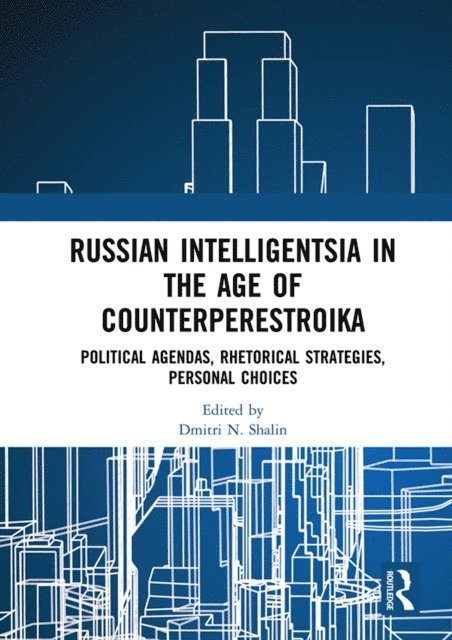
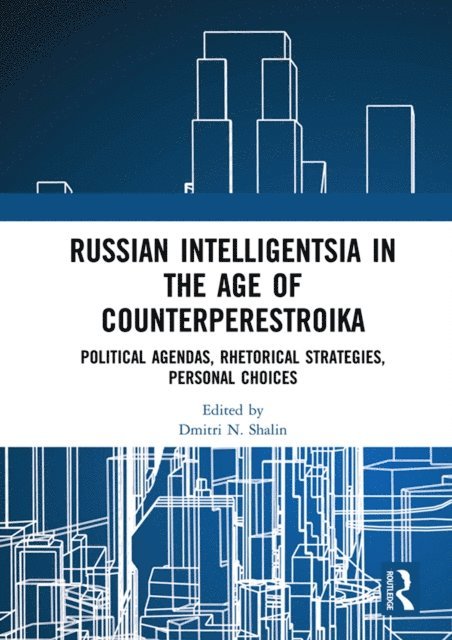
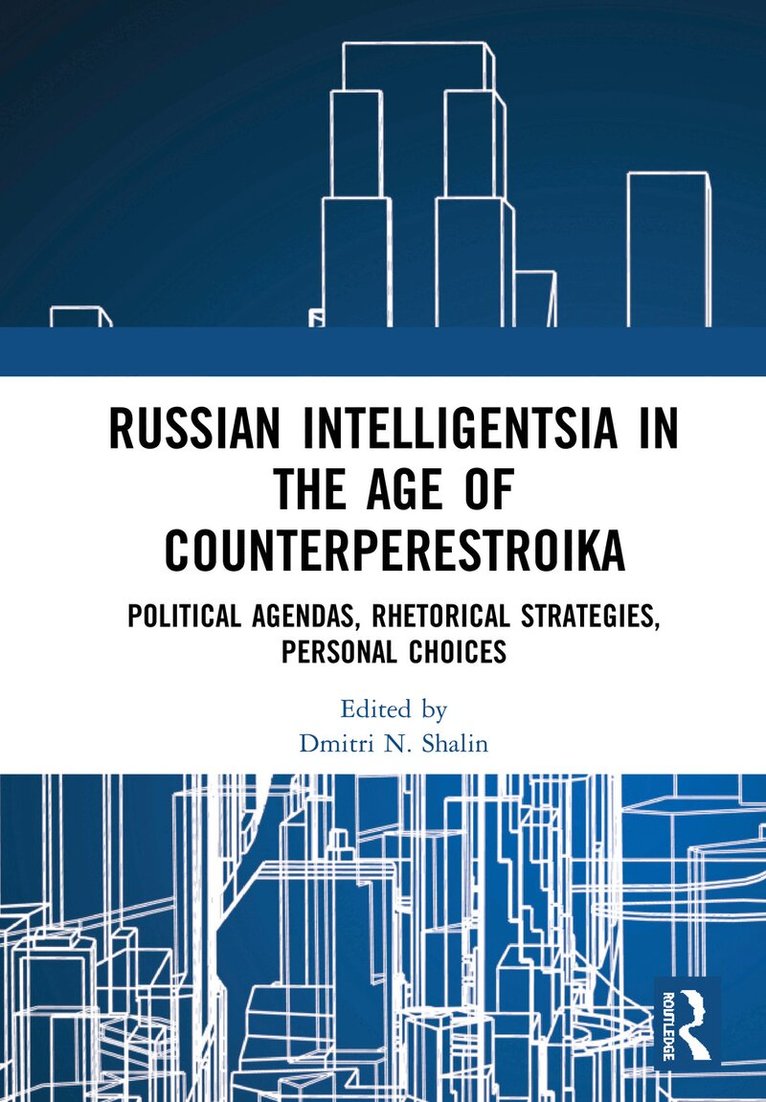
Russian Intelligentsia in the Age of Counterperestroika
Political Agendas, Rhetorical Strategies, Personal Choices
Inbunden, Engelska, 2019
2 113 kr
Skickas inom 10-15 vardagar
This book examines the phenomenon of intelligentsia as political discourse, civic action, and embodied practice, focusing especially on the political agendas and personal choices confronting intellectuals in modern Russia.Contributors explore the role of the Russian intelligentsia in dismantling the Soviet system and the unanticipated consequences of the resultant changes which threaten the very existence of the intelligentsia as a distinct group. Building on the legacy of John Dewey and Jürgen Habermas, the authors make the case that the intelligentsia plays a critical role in opening communications, widening the range of participants in public discourse, and freeing social intercourse from the constraints nondemocratic political arrangements impose on the communication sphere. Looking at current trends through a variety of different lenses, this book will be of interest to those studying the past, present, and future of the Russian intelligentsia and its impact not only in Russia, but around the world. This book was originally published as a special issue of the Russian Journal of Communication.
2 113 kr
Skickas inom 10-15 vardagar
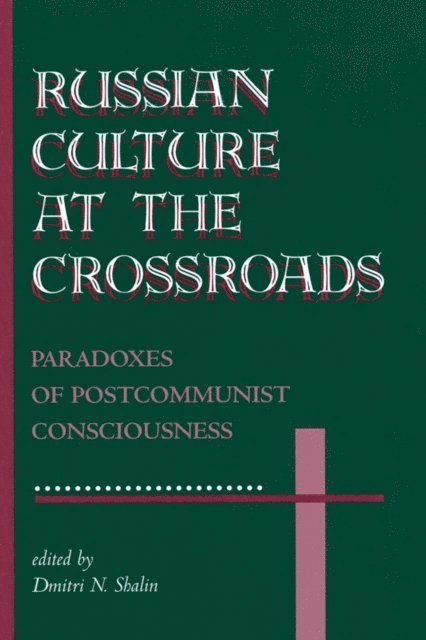
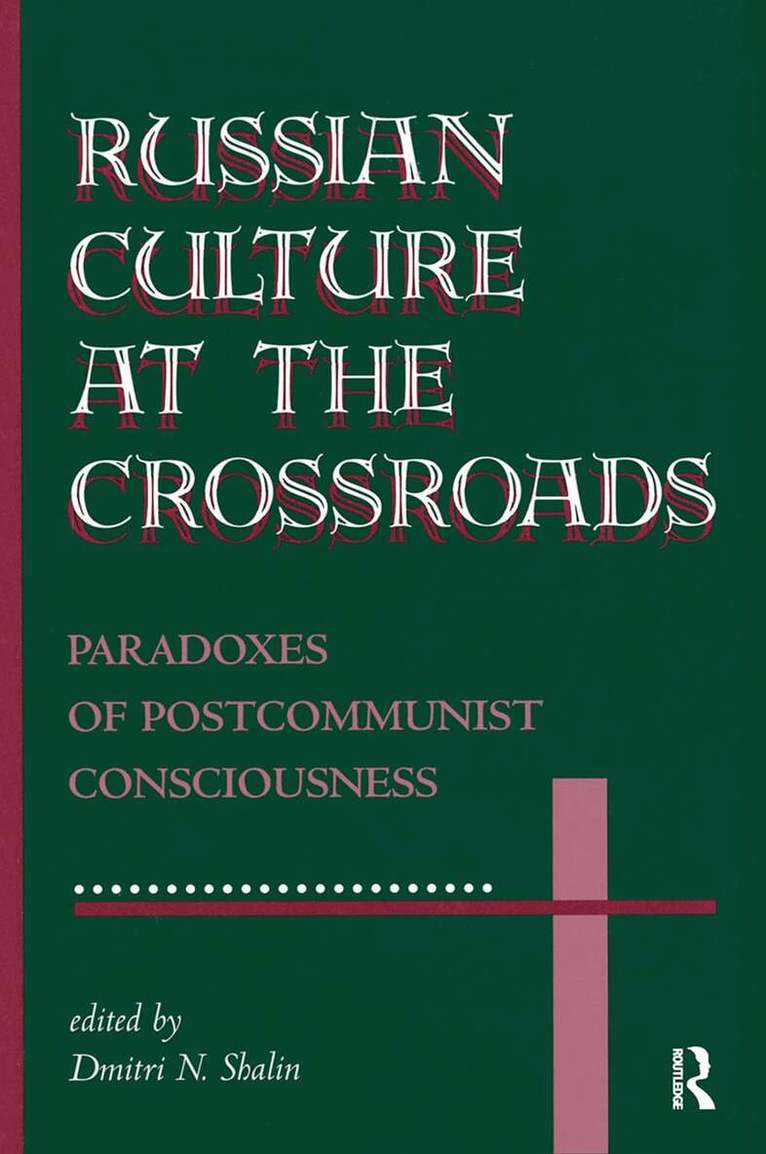
During the waning years of Soviet power, glasnost laid bare the distress of people trapped in a system they despised but felt powerless to change. The reexamination of values that began then continues today in the search for a new Russian culture, one rooted in the pre-Soviet past but dynamic and evolving, enabling Russians to meet the challenges t
Russian Intelligentsia in the Age of Counterperestroika
Political Agendas, Rhetorical Strategies, Personal Choices
Häftad, Engelska, 2021
578 kr
Skickas inom 10-15 vardagar
This book examines the phenomenon of intelligentsia as political discourse, civic action, and embodied practice, focusing especially on the political agendas and personal choices confronting intellectuals in modern Russia.Contributors explore the role of the Russian intelligentsia in dismantling the Soviet system and the unanticipated consequences of the resultant changes which threaten the very existence of the intelligentsia as a distinct group. Building on the legacy of John Dewey and Jürgen Habermas, the authors make the case that the intelligentsia plays a critical role in opening communications, widening the range of participants in public discourse, and freeing social intercourse from the constraints nondemocratic political arrangements impose on the communication sphere. Looking at current trends through a variety of different lenses, this book will be of interest to those studying the past, present, and future of the Russian intelligentsia and its impact not only in Russia, but around the world. This book was originally published as a special issue of the Russian Journal of Communication.
673 kr
Skickas inom 10-15 vardagar
During the waning years of Soviet power, glasnost laid bare the distress of people trapped in a system they despised but felt powerless to change. The reexamination of values that began then continues today in the search for a new Russian culture, one rooted in the pre-Soviet past but dynamic and evolving, enabling Russians to meet the challenges they face in the contemporary world.Multi-textual, polyphonic, and contradictory, the current Russian cultural discourse is richly reflected in these essays by a diverse group of authors from Russian and American academic and cultural circles. Each chapter focuses on a particular cultural domain, surveying the historical origins of Russian beliefs and behaviours, exploring their Soviet and post-Soviet permutations, and highlighting the range of choices that Russians are facing at this critical juncture. The decisions they make will shape their society and culture for generations to come.Illuminating the universal significance of the Soviet experience, this volume raises provocative questions about the social, political, and economic sources of cultural change.
555 kr
Skickas inom 10-15 vardagar
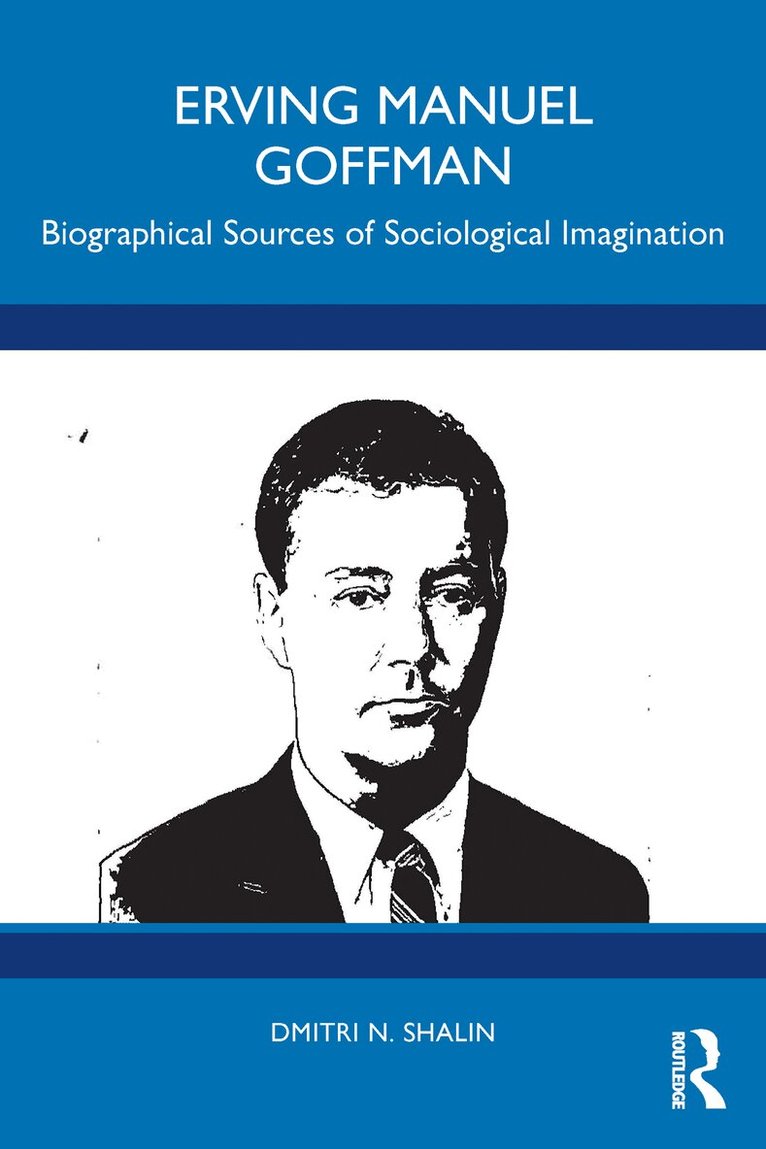
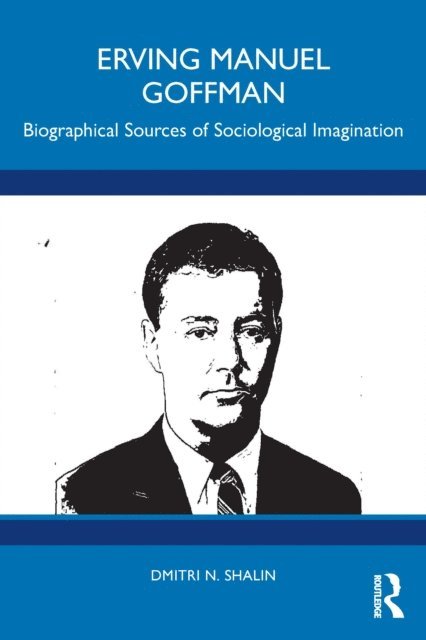
Matt Dawson and Dmitri N. Shalin discuss Erving Manuel Goffman: Biographical Sources of Sociological Imagination on the New Books NetworkErving Goffman is the most cited American sociologist. There is no shortage of studies exploring Goffman’s scholarship but no extant biography of Erving Goffman. The chief reason is that a man who looked behind the facades people erect to protect their private selves, zealously guarded his own backstage. This book is the first comprehensive biography of Goffman, an intellectual of Russian-Jewish descent, who turned the “Potemkin village” trope into a powerful research program. The present study shows how key turns in Goffman’s career reflected dramatic events in his family and personal history. It is based on the materials gathered in the Erving Goffman Archives, a repository curated by the author who has been collecting documents and conducting interviews with Goffman’s relatives, colleagues, and friends. The archival work turned up documents which improve our understanding of Goffman the scholar, the teacher, and the man. The approach adopted in this investigation sheds new light on Goffman’s scholarship which has had an enormous and continuous impact across the social sciences and humanities.
2 099 kr
Skickas inom 10-15 vardagar
Matt Dawson and Dmitri N. Shalin discuss Erving Manuel Goffman: Biographical Sources of Sociological Imagination on the New Books NetworkErving Goffman is the most cited American sociologist. There is no shortage of studies exploring Goffman’s scholarship but no extant biography of Erving Goffman. The chief reason is that a man who looked behind the facades people erect to protect their private selves, zealously guarded his own backstage. This book is the first comprehensive biography of Goffman, an intellectual of Russian-Jewish descent, who turned the “Potemkin village” trope into a powerful research program. The present study shows how key turns in Goffman’s career reflected dramatic events in his family and personal history. It is based on the materials gathered in the Erving Goffman Archives, a repository curated by the author who has been collecting documents and conducting interviews with Goffman’s relatives, colleagues, and friends. The archival work turned up documents which improve our understanding of Goffman the scholar, the teacher, and the man. The approach adopted in this investigation sheds new light on Goffman’s scholarship which has had an enormous and continuous impact across the social sciences and humanities.
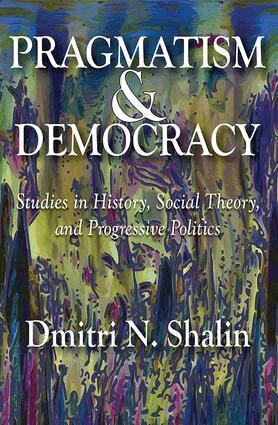
Pragmatism and Democracy
Studies in History, Social Theory, and Progressive Politics
Häftad, Engelska, 2017
347 kr
Skickas inom 10-15 vardagar
This volume examines the roots of pragmatist imagination and traces the influence of American pragmatism in diverse areas of politics, law, sociology, political science, and transitional studies.The work explores the interfaces between the Progressive movement in politics and American pragmatism. Shalin shows how early 20th century progressivism influenced pragmatism's philosophical agenda and how pragmatists helped articulate a theory of progressive reform. The work addresses pragmatism and interactionist sociology and illuminates the cross-fertilization between these two fields of studies. Special emphasis is placed on the interactionists' search for a logic of inquiry sensitive to the objective indeterminacy of the situation. The challenge that contemporary interactionist studies face is to illuminate the issues of power and inequality central to the political commitments of pragmatist philosophers.Shalin explores the vital link between democracy, civility, and affect. His central thesis is that democracy is an embodied process that binds affectively as well as rhetorically and that flourishes in places where civic discourse is an end in itself, a source of vitality and social creativity sustaining a democratic community. The author shows why civic discourse is hobbled by the civic body that has been misshapen by past abuses. Drawing on the studies of the civilizing process, Shalin speculates about the emotion, demeanor, and body language of democracy and explores from this angle the prospects for democratic transformation in countries struggling to shake their totalitarian past.View Table of Contents
Pragmatism and Democracy
Studies in History, Social Theory, and Progressive Politics
Inbunden, Engelska, 2011
578 kr
Skickas inom 10-15 vardagar
This volume examines the roots of pragmatist imagination and traces the influence of American pragmatism in diverse areas of politics, law, sociology, political science, and transitional studies.The work explores the interfaces between the Progressive movement in politics and American pragmatism. Shalin shows how early 20th century progressivism influenced pragmatism's philosophical agenda and how pragmatists helped articulate a theory of progressive reform. The work addresses pragmatism and interactionist sociology and illuminates the cross-fertilization between these two fields of studies. Special emphasis is placed on the interactionists' search for a logic of inquiry sensitive to the objective indeterminacy of the situation. The challenge that contemporary interactionist studies face is to illuminate the issues of power and inequality central to the political commitments of pragmatist philosophers.Shalin explores the vital link between democracy, civility, and affect. His central thesis is that democracy is an embodied process that binds affectively as well as rhetorically and that flourishes in places where civic discourse is an end in itself, a source of vitality and social creativity sustaining a democratic community. The author shows why civic discourse is hobbled by the civic body that has been misshapen by past abuses. Drawing on the studies of the civilizing process, Shalin speculates about the emotion, demeanor, and body language of democracy and explores from this angle the prospects for democratic transformation in countries struggling to shake their totalitarian past.View Table of Contents