Dmitry Yagodin – författare
Visar alla böcker från författaren Dmitry Yagodin. Handla med fri frakt och snabb leverans.
6 produkter
6 produkter
Inbunden, Engelska, 2016
927 kr
Skickas inom 10-15 vardagar
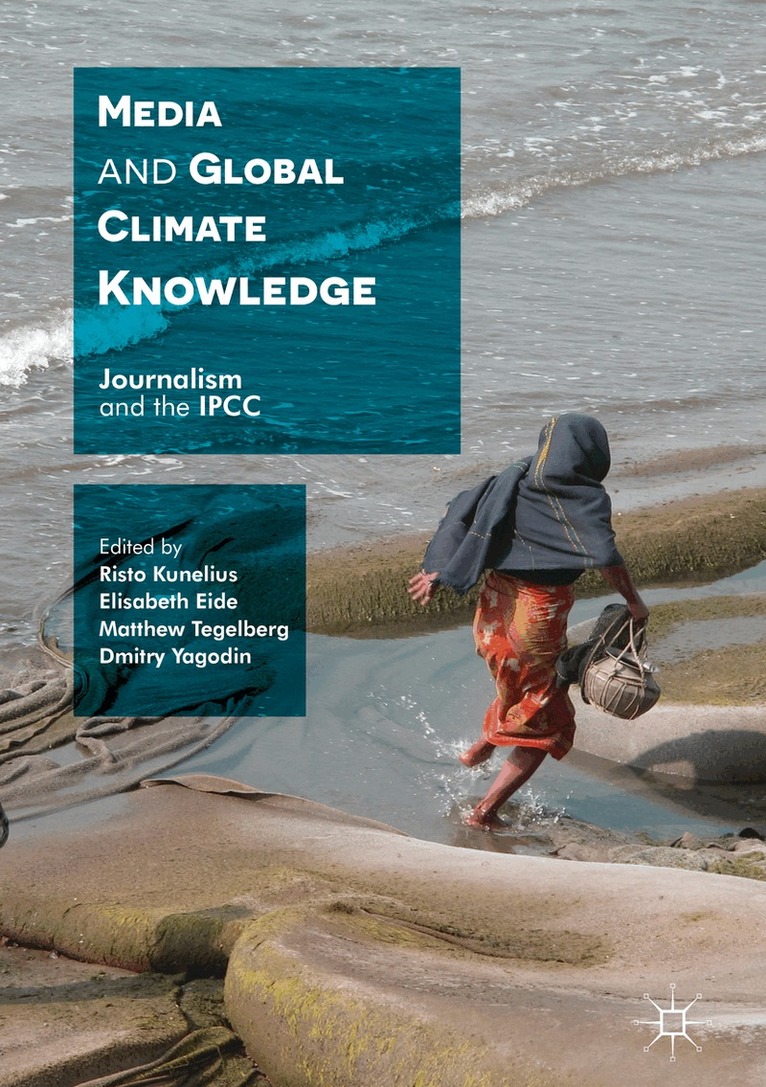
This book is a broad and detailed case study of how journalists in more than 20 countries worldwide covered the Intergovernmental Panel on Climate Change (IPCC) Fifth Assessment (AR5) reports on the state of scientific knowledge relevant to climate change. Journalism, it demonstrates, is a key element in the transnational communication infrastructure of climate politics. It examines variations of coverage in different countries and locations all over the world. It looks at how IPCC scientists review the role of media, reflects on how media relate to decision-making structures and cultures, analyzes how key journalists reflect on the challenges of covering climate change, and shows how the message of IPCC was distributed in the global networks of social media.
E-bok
Engelska, 20161 138 kr
Läs direkt efter köp
This book is a broad and detailed case study of how journalists in more than 20 countries worldwide covered the Intergovernmental Panel on Climate Change (IPCC) Fifth Assessment (AR5) reports on the state of scientific knowledge relevant to climate change. Journalism, it demonstrates, is a key element in the transnational communication infrastructure of climate politics. It examines variations of coverage in different countries and locations all over the world. It looks at how IPCC scientists review the role of media, reflects on how media relate to decision-making structures and cultures, analyzes how key journalists reflect on the challenges of covering climate change, and shows how the message of IPCC was distributed in the global networks of social media.
Inbunden, Engelska, 2017
1 569 kr
Skickas inom 10-15 vardagar
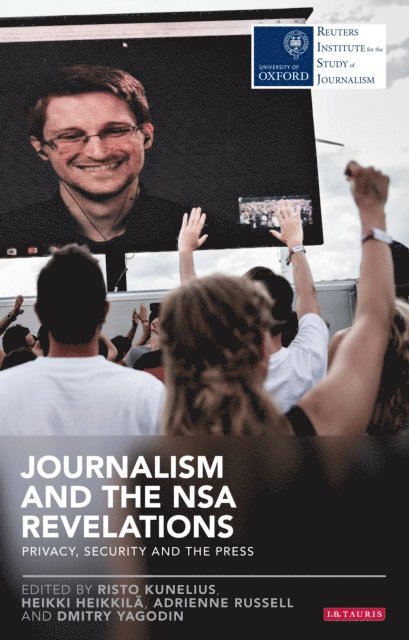
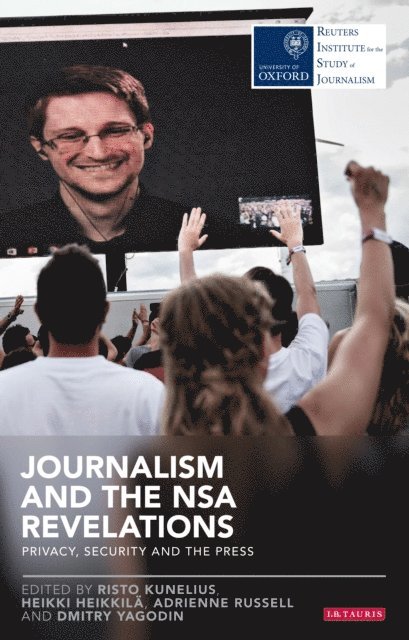
Edward Snowden's revelations about the mass surveillance capabilities of the US National Security Agency (NSA) and other security services triggered an ongoing debate about the relationship between privacy and security in the digital world. This discussion has been dispersed into a number of national platforms, reflecting local political realities but also raising questions that cut across national public spheres. What does this debate tell us about the role of journalism in making sense of global events? This book looks at discussions of these debates in the mainstream media in the USA, United Kingdom, France, Germany, Russia and China. The chapters focus on editorials, commentaries and op-eds and look at how opinion-based journalism has negotiated key questions on the legitimacy of surveillance and its implications to security and privacy. The authors provide a thoughtful analysis of the possibilities and limits of 'transnational journalism' at a crucial time of political and digital change.
Häftad, Engelska, 2017
390 kr
Skickas inom 10-15 vardagar
Edward Snowden's revelations about the mass surveillance capabilities of the US National Security Agency (NSA) and other security services triggered an ongoing debate about the relationship between privacy and security in the digital world. This discussion has been dispersed into a number of national platforms, reflecting local political realities but also raising questions that cut across national public spheres. What does this debate tell us about the role of journalism in making sense of global events? This book looks at discussions of these debates in the mainstream media in the USA, United Kingdom, France, Germany, Russia and China. The chapters focus on editorials, commentaries and op-eds and look at how opinion-based journalism has negotiated key questions on the legitimacy of surveillance and its implications to security and privacy. The authors provide a thoughtful analysis of the possibilities and limits of 'transnational journalism' at a crucial time of political and digital change.
E-bok
Engelska, 2017394 kr
Läs direkt efter köp
Edward Snowden's revelations about the mass surveillance capabilities of the US National Security Agency (NSA) and other security services triggered an ongoing debate about the relationship between privacy and security in the digital world. This discussion has been dispersed into a number of national platforms, reflecting local political realities but also raising questions that cut across national public spheres. What does this debate tell us about the role of journalism in making sense of global events? This book looks at discussions of these debates in the mainstream media in the USA, United Kingdom, France, Germany, Russia and China. The chapters focus on editorials, commentaries and op-eds and look at how opinion-based journalism has negotiated key questions on the legitimacy of surveillance and its implications to security and privacy. The authors provide a thoughtful analysis of the possibilities and limits of 'transnational journalism' at a crucial time of political and digital change.
E-bok
PDF, Engelska, 2017410 kr
Läs direkt efter köp
Edward Snowden's revelations about the mass surveillance capabilities of the US National Security Agency (NSA) and other security services triggered an ongoing debate about the relationship between privacy and security in the digital world. This discussion has been dispersed into a number of national platforms, reflecting local political realities but also raising questions that cut across national public spheres. What does this debate tell us about the role of journalism in making sense of global events? This book looks at discussions of these debates in the mainstream media in the USA, United Kingdom, France, Germany, Russia and China. The chapters focus on editorials, commentaries and op-eds and look at how opinion-based journalism has negotiated key questions on the legitimacy of surveillance and its implications to security and privacy. The authors provide a thoughtful analysis of the possibilities and limits of 'transnational journalism' at a crucial time of political and digital change.