Doba-Mera Medvedeva – författare
Visar alla böcker från författaren Doba-Mera Medvedeva. Handla med fri frakt och snabb leverans.
3 produkter
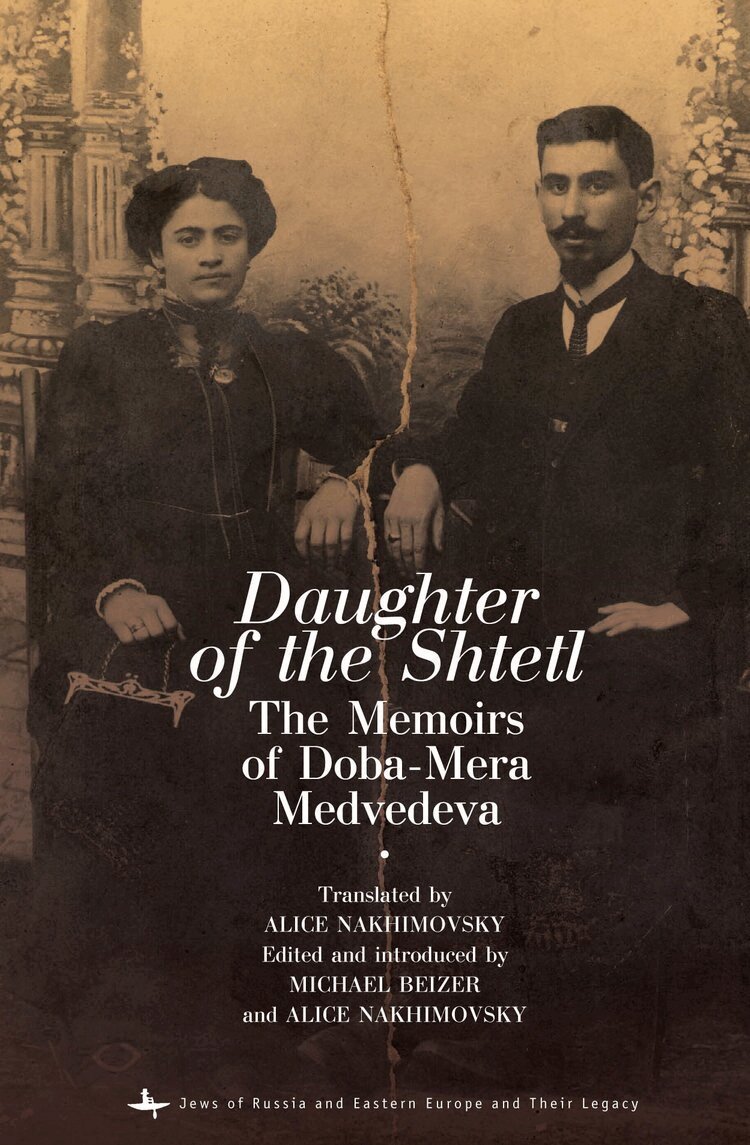
Daughter of the Shtetl
The Memoirs of Doba-Mera Medvedeva
Av Doba-Mera Medvedeva, Michael Beizer
Inbunden, 2019
1336 kr
Lägg i varukorg
Doba-Mera Medvedeva belongs to a vanishing group of memoirists who are neither elite nor highly literate, but whose observations from the ground cast a vivid light on a lost world. A born story-teller whose first language was Yiddish, Medvedeva kept Russian-language notebooks to preserve her past …
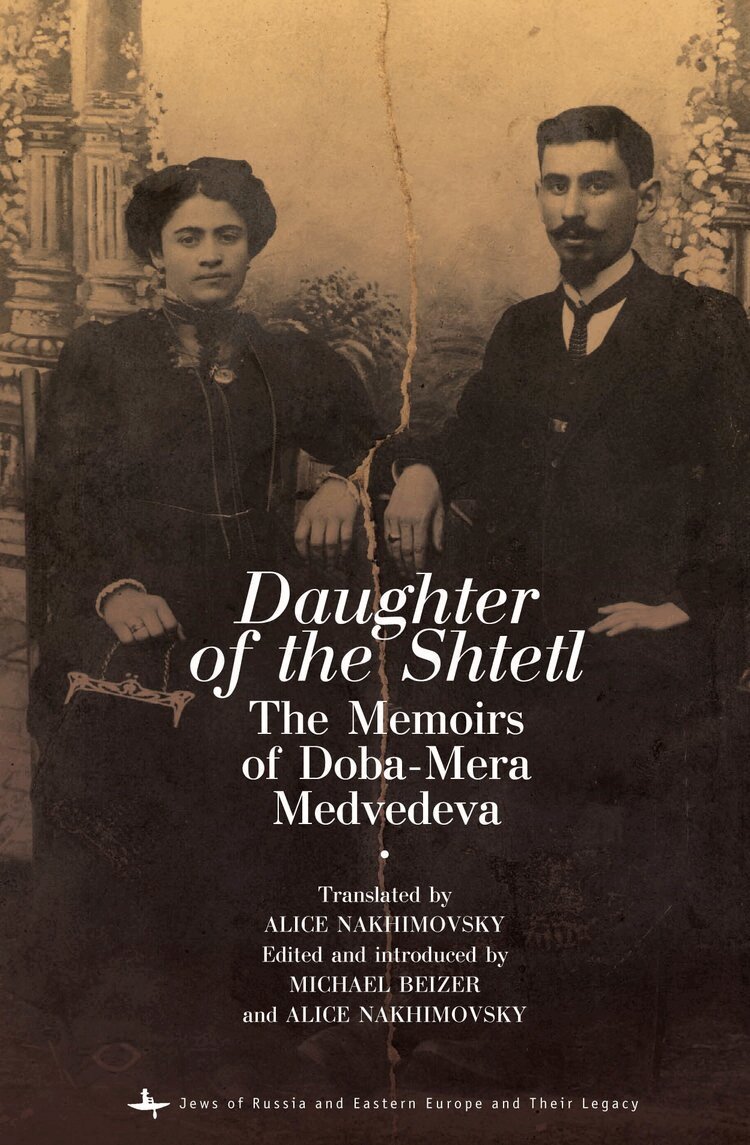
Daughter of the Shtetl
The Memoirs of Doba-Mera Medvedeva
Av Doba-Mera Medvedeva, Michael Beizer
Häftad, 2019
292 kr
Lägg i varukorg
Doba-Mera Medvedeva belongs to a vanishing group of memoirists who are neither elite nor highly literate, but whose observations from the ground cast a vivid light on a lost world. A born story-teller whose first language was Yiddish, Medvedeva kept Russian-language notebooks to preserve her past …
Daughter of the Shtetl
The Memoirs of Doba-Mera Medvedeva
Av Doba-Mera Medvedeva, Michael Beizer
E-bok, 2019
2941 kr
Lägg i varukorg
Doba-Mera Medvedeva belongs to a vanishingly small group of memoirists who are neither elite nor highly literate, but whose observations from the ground cast a vivid light on a lost world. The book reveals the quarrelsome underside of shtetl life at a time of scarce resources, and describes how …