Dodge Billingsley – författare
Visar alla böcker från författaren Dodge Billingsley. Handla med fri frakt och snabb leverans.
3 produkter
3 produkter
Inbunden, Engelska, 2011
680 kr
Skickas inom 5-8 vardagar
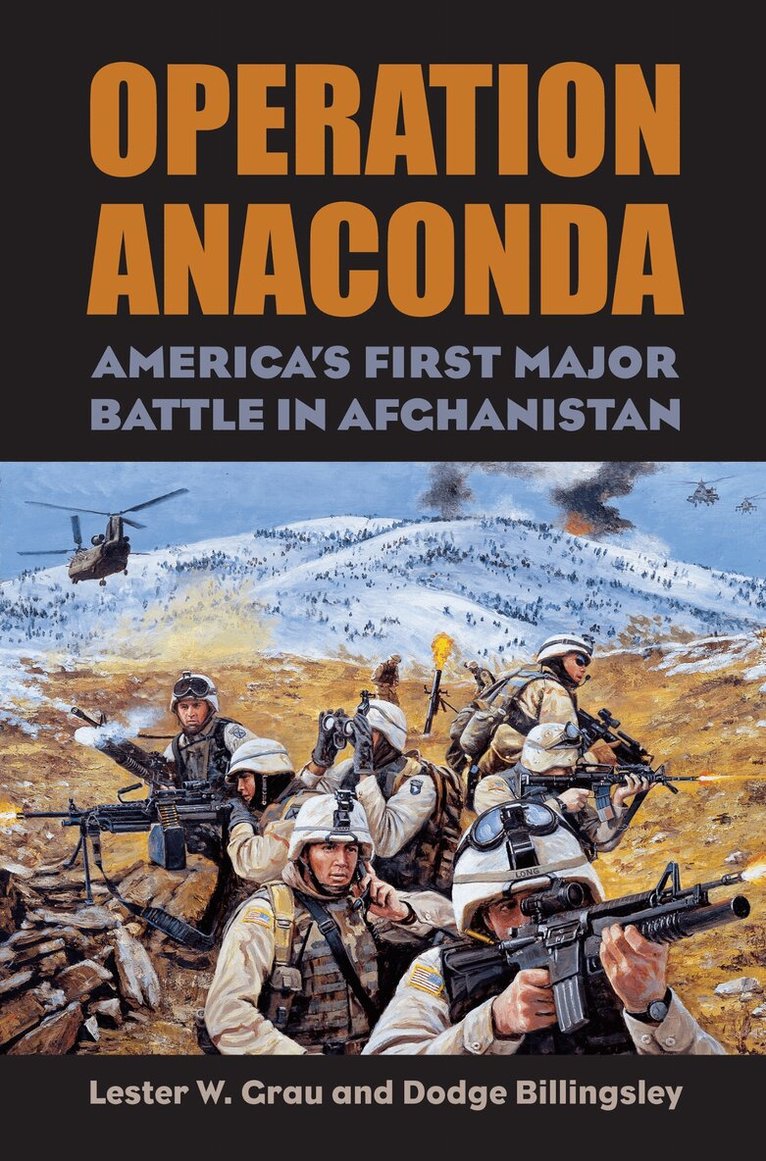
Long before it became “Obama’s War,” the long-running conflict in Afghanistan was launched by President George W. Bush in retaliation for the 9/11 attacks on the United States. Only a few months later, Operation Anaconda sent American-led coalition forces into their most intensely brutal confrontation with Al Qaeda and their Taliban hosts in the Shar-i Kot Valley near the Pakistan border. The result was an unexpected set piece of conventional fighting in what has become an era of guerrilla warfare.Drawing upon previously unavailable or neglected sources, Lester Grau and Dodge Billingsley give us the most complete and accurate account of this thirteen-day firefight waged in mountainous terrain nearly two miles above sea level. They describe how allied troops fought a fierce and well-entrenched enemy to a standstill, close to an old Soviet battlefield, and then drove them completely out of Afghanistan.Grau and Billingsley’s account also highlights problems encountered in Anaconda and the lessons we should learn from their in-depth study. The Army and Air Force operated under conflicting views regarding the appropriate application of Close Air Support, and airpower both crippled and aided the overall effort. In addition, severe shortages of transport, attack helicopters, and artillery hampered the effort, while the acquisition and timely sharing of intelligence barely occurred at all and coalition relations frayed under the intense pressures of combat.As an added bonus, the authors also include with the book a documentary on DVD that features interviews with soldiers who fought in Anaconda, provides additional information concerning major phases of the battle, and presents insightful commentary by Grau and by Billingsley, who was on the ground with U.S. forces for the operation. Providing the richest description and critique of all the forces involved—including those that fought on the enemy side—the combined book-and-DVD surpasses all previous accounts of this landmark engagement and is an essential volume in the literature on our war in Afghanistan.
Del 23 - Europe@War
Fangs of the Lone Wolf
Chechen Tactics in the Russian-Chechen Wars 1994-2009
Häftad, Engelska, 2023
211 kr
Skickas
E-bok
Engelska, 2021123 kr
Läs direkt efter köp
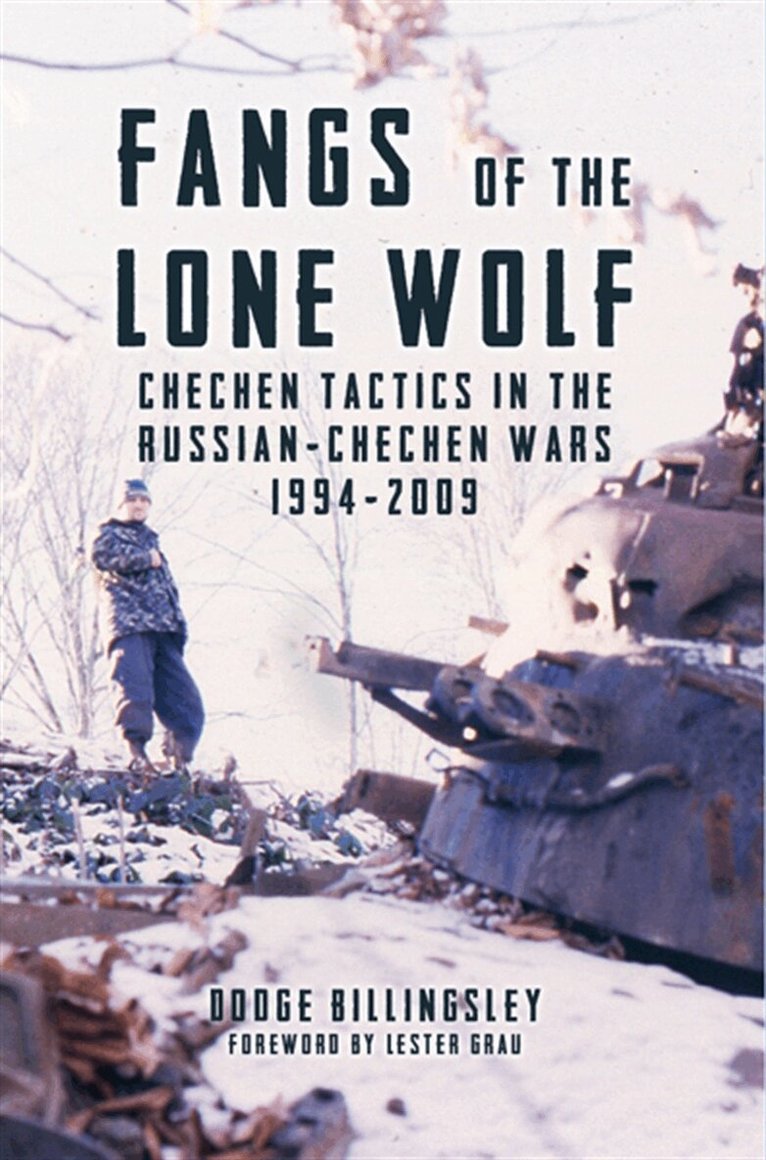
Books on guerrilla war are seldom written from the tactical perspective and even less seldom from the guerrilla’s perspective. Fangs of the Lone Wolf: Chechen Tactics in the Russian-Chechen Wars 1994-2009 is an exception. These are the stories of low-level guerrilla combat as told by the survivors. They cover fighting from the cities of Grozny and Argun to the villages of Bamut and Serzhen-yurt, and finally the hills, river valleys and mountains that make up so much of Chechnya. The author embedded with Chechen guerrilla forces and knows the conflict, country and culture. Yet, as a Western outsider, he is able to maintain perspective and objectivity. He traveled extensively to interview Chechen former combatants now displaced, some now in hiding or on the run from Russian retribution and justice. The military professional will appreciate the book’s crisp narration, organization by type of combat, accurate color maps and insightful analysis and commentary. The civilian reader will discover the complexity of “simple guerrilla tactics” and the demands on individual perseverance and endurance that guerrilla warfare exacts.The book is organized into vignettes that provide insight on the nature of both Chechen and Russian tactics utilized during the two wars. They show the chronic problem of guerrilla logistics, the necessity of digging in fighting positions, the value of the correct use of terrain and the price paid in individual discipline and unit cohesion when guerrillas are not bound by a military code and law. Guerrilla warfare is probably as old as man, but has been overshadowed by maneuver war by modern armies and recent developments in the technology of war. As Iraq, Afghanistan, the Philippines and Chechnya demonstrate, guerrilla war is not only still viable, but is increasingly common. Fangs of the Lone Wolf provides a unique insight into what is becoming modern and future war.