Dolly Kikon – författare
Visar alla böcker från författaren Dolly Kikon. Handla med fri frakt och snabb leverans.
6 produkter
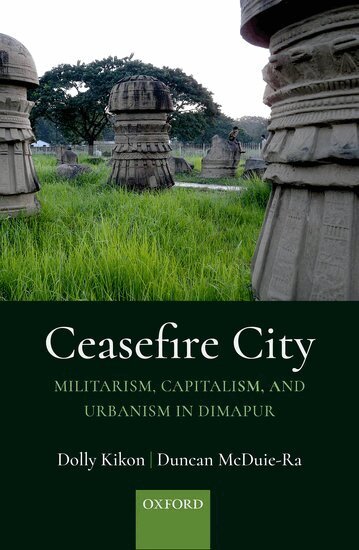
Ceasefire City
Militarism, Capitalism, and Urbanism in Dimapur
Av Dolly Kikon, Duncan McDuie-Ra
Inbunden, 2021
620 kr
Lägg i varukorg
For a city in India's northeast that has been embroiled in the everyday militarization and violence of Asia's longest-running separatist conflict, Dimapur remains 'off the map'. With no 'glorious' past or arenas where events of consequence to mainstream India have taken place, Dimapur's essence is …
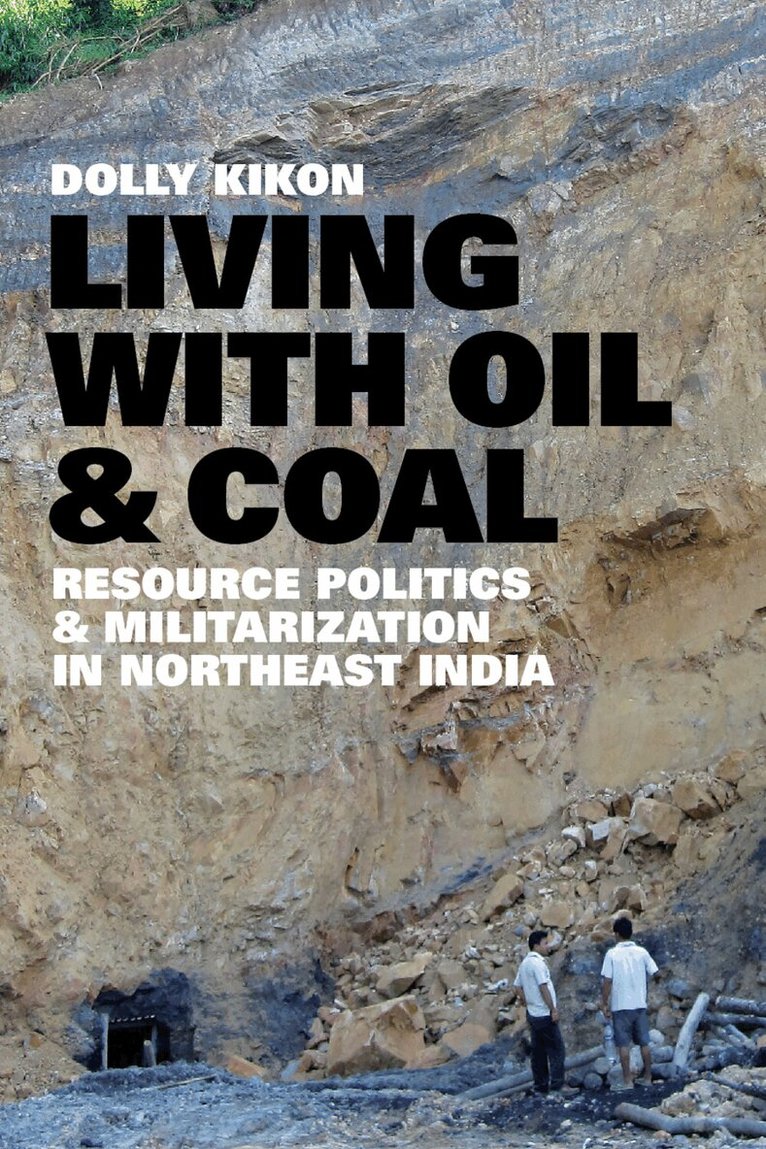
Living with Oil and Coal
Resource Politics and Militarization in Northeast India
Av Dolly Kikon, K. Sivaramakrishnan
Häftad, 2019
549 kr
Lägg i varukorg
The nineteenth-century discovery of oil in the eastern Himalayan foothills, together with the establishment of tea plantations and other extractive industries, continues to have a profound impact on life in the region. In the Indian states of Assam and Nagaland, everyday militarization, violence, …
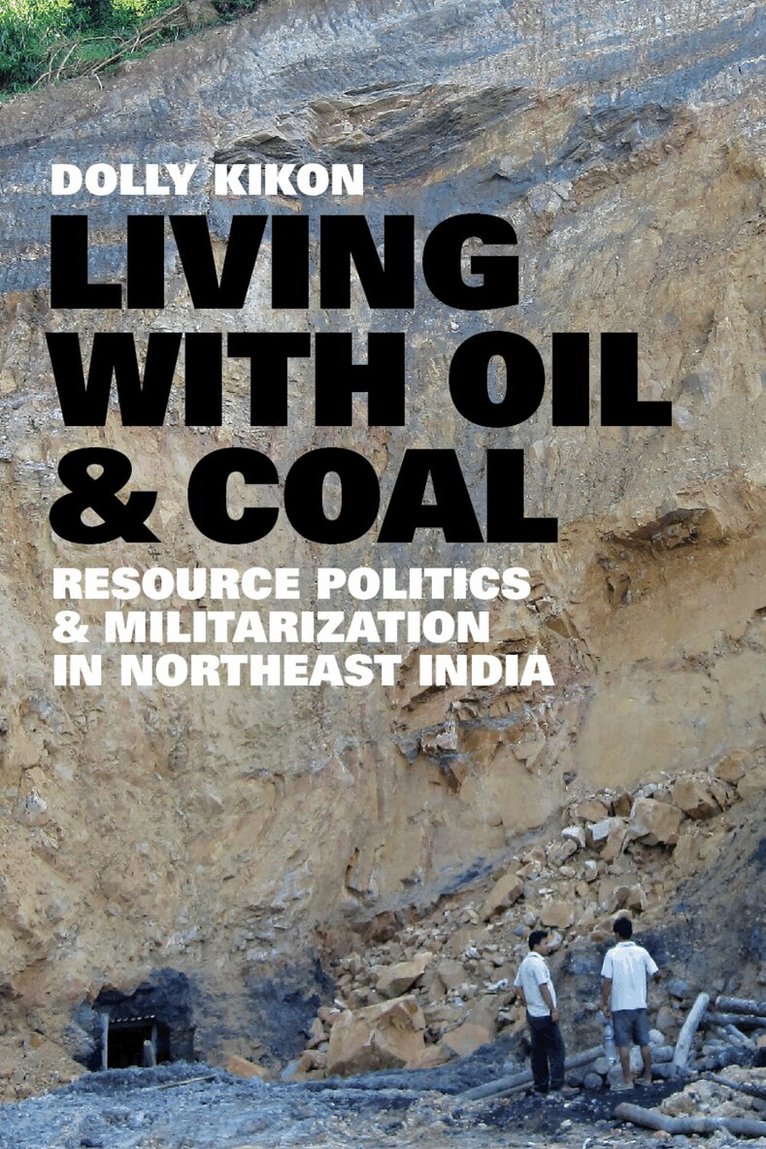
Living with Oil and Coal
Resource Politics and Militarization in Northeast India
Av Dolly Kikon, K. Sivaramakrishnan
Inbunden, 2019
1918 kr
Lägg i varukorg
The nineteenth-century discovery of oil in the eastern Himalayan foothills, together with the establishment of tea plantations and other extractive industries, continues to have a profound impact on life in the region. In the Indian states of Assam and Nagaland, everyday militarization, violence, …
Indigenous Knowledge
Global Perspectives
Av Samuel Curkpatrick, Dolly Kikon m. fl.
Häftad, 2026
272 kr
Kommande
How can we live well with others? How can local connections to place and past generations strengthen our cultural, political and economic futures globally? Indigenous Knowledge: Global Perspectives brings together leading scholars from Australia and the Asia-Pacific to explore how Indigenous …
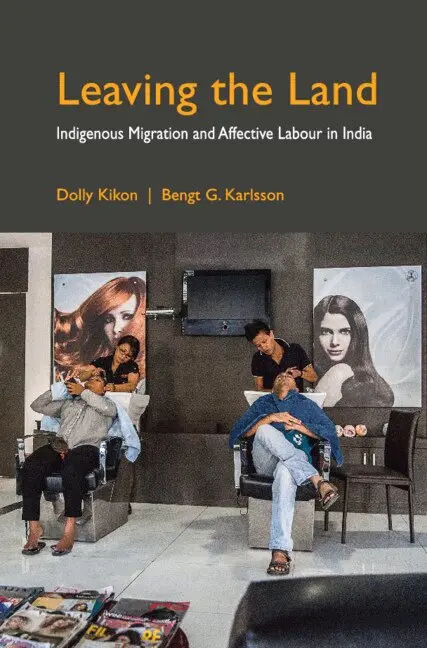
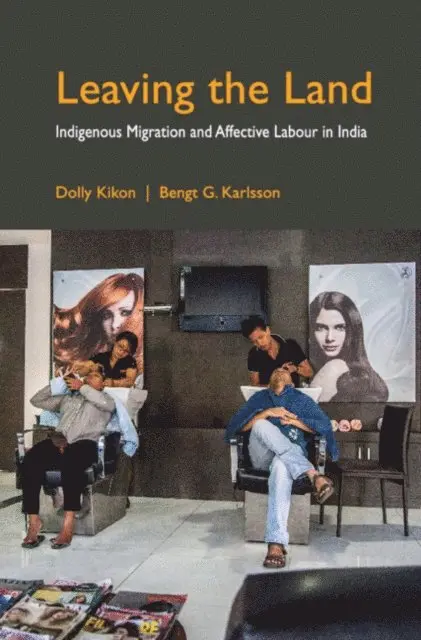
Leaving the Land
Indigenous Migration and Affective Labour in India
Av Dolly Kikon, Bengt G. Karlsson
Inbunden, 2019
1322 kr
Lägg i varukorg
During the last decade, indigenous youth from Northeast India have migrated in large numbers to the main cities of metropolitan India to find work and study. This migration is facilitated by new work opportunities in the hospitality sector, mainly as service personnel in luxury hotels, shopping …
Leaving the Land
Indigenous Migration and Affective Labour in India
Av Bengt G. Karlsson, Dolly Kikon
E-bok, 2019
1308 kr
Lägg i varukorg
During the last decade, indigenous youth from Northeast India have migrated in large numbers to the main cities of metropolitan India to find work and study. This migration is facilitated by new work opportunities in the hospitality sector, mainly as service personnel in luxury hotels, shopping …