
Dominique Battles – författare
779 kr
Skickas inom 10-15 vardagar
2 771 kr
Skickas inom 10-15 vardagar
2 771 kr
Skickas inom 10-15 vardagar
634 kr
Skickas inom 10-15 vardagar
2 353 kr
Skickas inom 10-15 vardagar
752 kr
Läs direkt efter köp
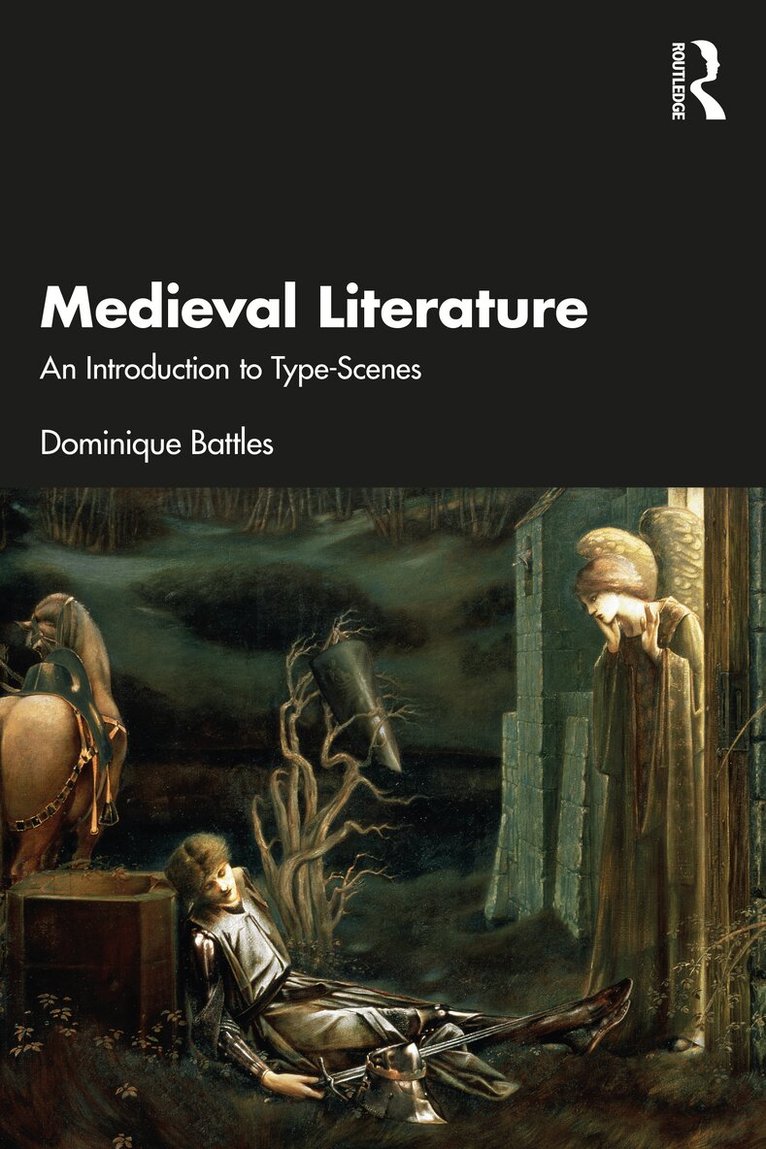
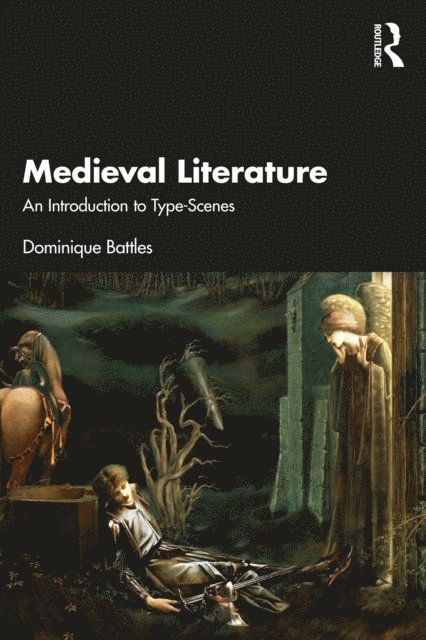
This is the first book-length exploration of the type-scenes of western medieval literature from the ninth to the fifteenth centuries, spanning both the Latinate and Germanic traditions. Type-scenes are the recurring, stock scenes comprising the basic structure and cognitive guidance for narrative. These formulaic scenes enabled medieval poets to express originality while honoring tradition. Central to medieval poetic invention, type-scenes form the vital “internal organs” of narrative, each serving a specialized function while working in concert with other organs to create and sustain the story. This accessible and engaging guide to medieval type-scenes consists of three parts: Part I is a compendium of the type-scenes commonly found in medieval narrative, including analyses of examples from individual poems. Part II explores combinations of type-scenes within single works of literature for purposes of chronology, characterization, or virtuosity. Part III examines how a single type-scene manifests across multiple poems, adapting to a variety of settings and periods, while maintaining its original intent. This volume kindles in scholars, teachers, and students alike a new and refreshing awareness of the foundational narrative strategies of medieval literature.
752 kr
Läs direkt efter köp
This is the first book-length exploration of the type-scenes of western medieval literature from the ninth to the fifteenth centuries, spanning both the Latinate and Germanic traditions. Type-scenes are the recurring, stock scenes comprising the basic structure and cognitive guidance for narrative. These formulaic scenes enabled medieval poets to express originality while honoring tradition. Central to medieval poetic invention, type-scenes form the vital “internal organs” of narrative, each serving a specialized function while working in concert with other organs to create and sustain the story. This accessible and engaging guide to medieval type-scenes consists of three parts: Part I is a compendium of the type-scenes commonly found in medieval narrative, including analyses of examples from individual poems. Part II explores combinations of type-scenes within single works of literature for purposes of chronology, characterization, or virtuosity. Part III examines how a single type-scene manifests across multiple poems, adapting to a variety of settings and periods, while maintaining its original intent. This volume kindles in scholars, teachers, and students alike a new and refreshing awareness of the foundational narrative strategies of medieval literature.
926 kr
Läs direkt efter köp
926 kr
Läs direkt efter köp
926 kr
Läs direkt efter köp
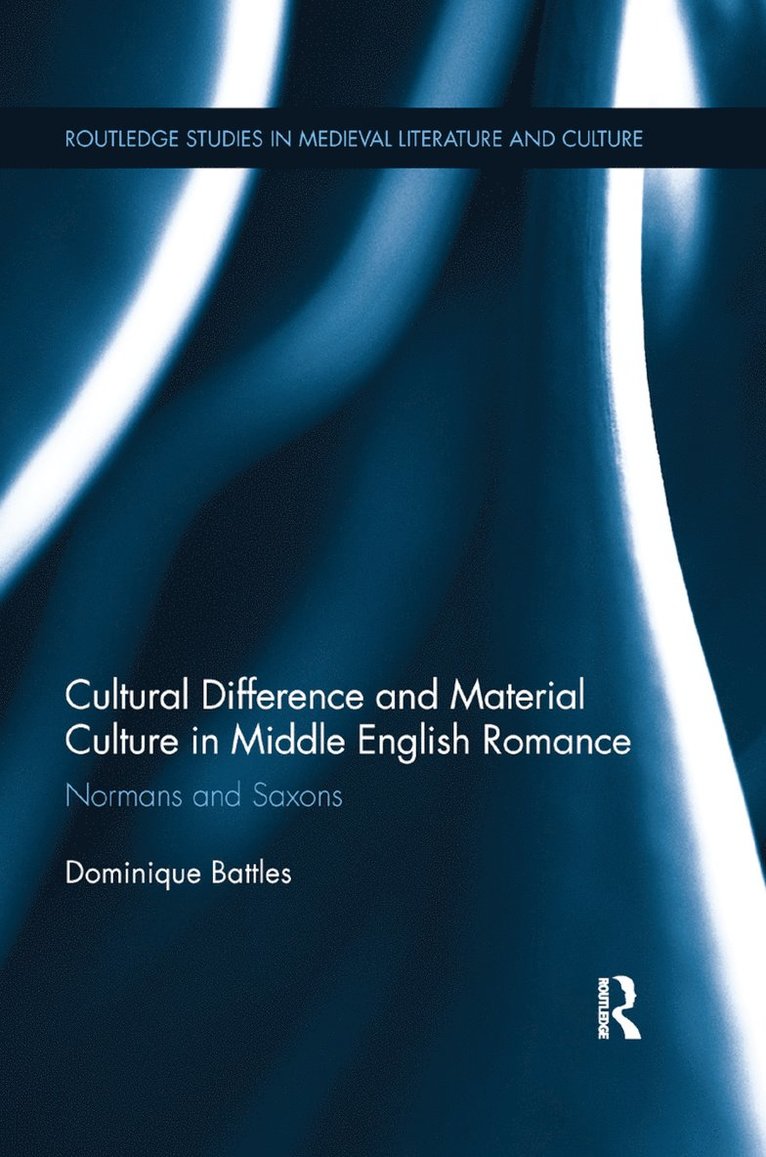
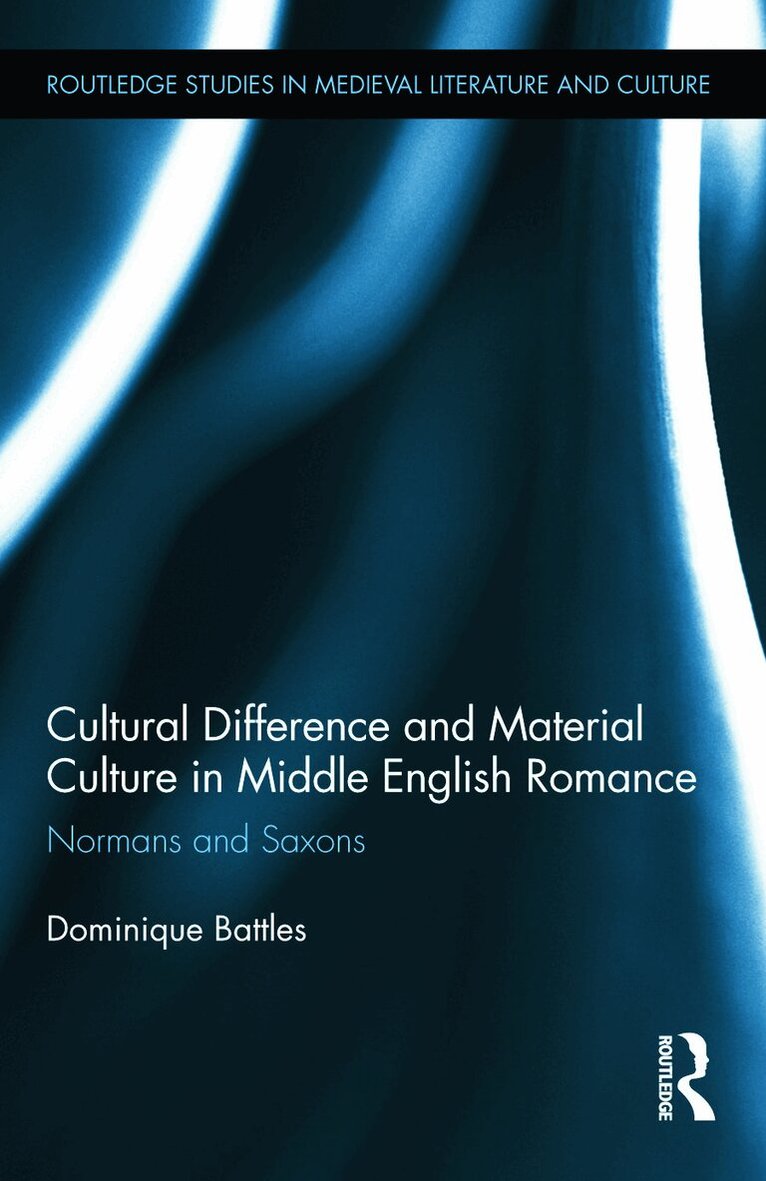
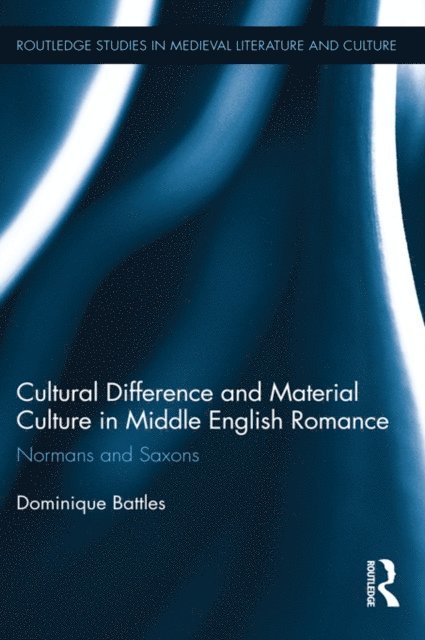
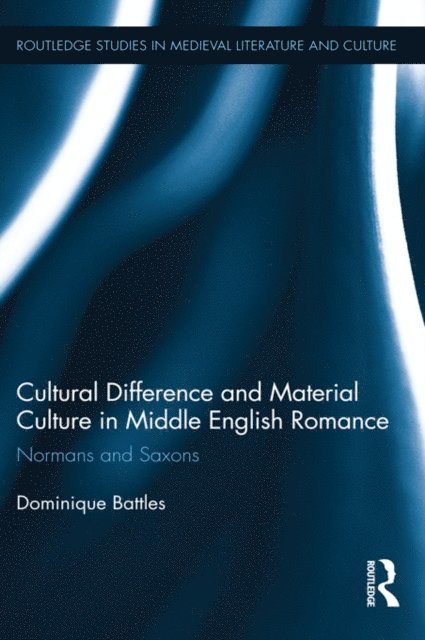
This book explores how the cultural distinctions and conflicts between Anglo-Saxons and Normans originating with the Norman Conquest of 1066 prevailed well into the fourteenth century and are manifest in a significant number of Middle English romances including King Horn, Havelok the Dane, Sir Orfeo, Sir Gawain and the Green Knight, and others. Specifically, the study looks at how the material culture of these poems (architecture, battle tactic, landscapes) systematically and persistently distinguishes between Norman and Anglo-Saxon cultural identity. Additionally, it examines the influence of the English Outlaw Tradition, itself grounded in Anglo-Saxon resistance to the Norman Conquest, as expressed in specific recurring scenes (disguise and infiltration, forest exile) found in many Middle English romances. In the broadest sense, a significant number of Middle English romances, including some of the most well-read and often-taught, set up a dichotomy of two ruling houses headed by a powerful lord, who compete for power and influence. This book examines the cultural heritage behind each of these pairings to show how poets repeatedly contrast essentially Norman and Anglo-Saxon values and ruling styles.
928 kr
Läs direkt efter köp
This book explores how the cultural distinctions and conflicts between Anglo-Saxons and Normans originating with the Norman Conquest of 1066 prevailed well into the fourteenth century and are manifest in a significant number of Middle English romances including King Horn, Havelok the Dane, Sir Orfeo, Sir Gawain and the Green Knight, and others. Specifically, the study looks at how the material culture of these poems (architecture, battle tactic, landscapes) systematically and persistently distinguishes between Norman and Anglo-Saxon cultural identity. Additionally, it examines the influence of the English Outlaw Tradition, itself grounded in Anglo-Saxon resistance to the Norman Conquest, as expressed in specific recurring scenes (disguise and infiltration, forest exile) found in many Middle English romances. In the broadest sense, a significant number of Middle English romances, including some of the most well-read and often-taught, set up a dichotomy of two ruling houses headed by a powerful lord, who compete for power and influence. This book examines the cultural heritage behind each of these pairings to show how poets repeatedly contrast essentially Norman and Anglo-Saxon values and ruling styles.